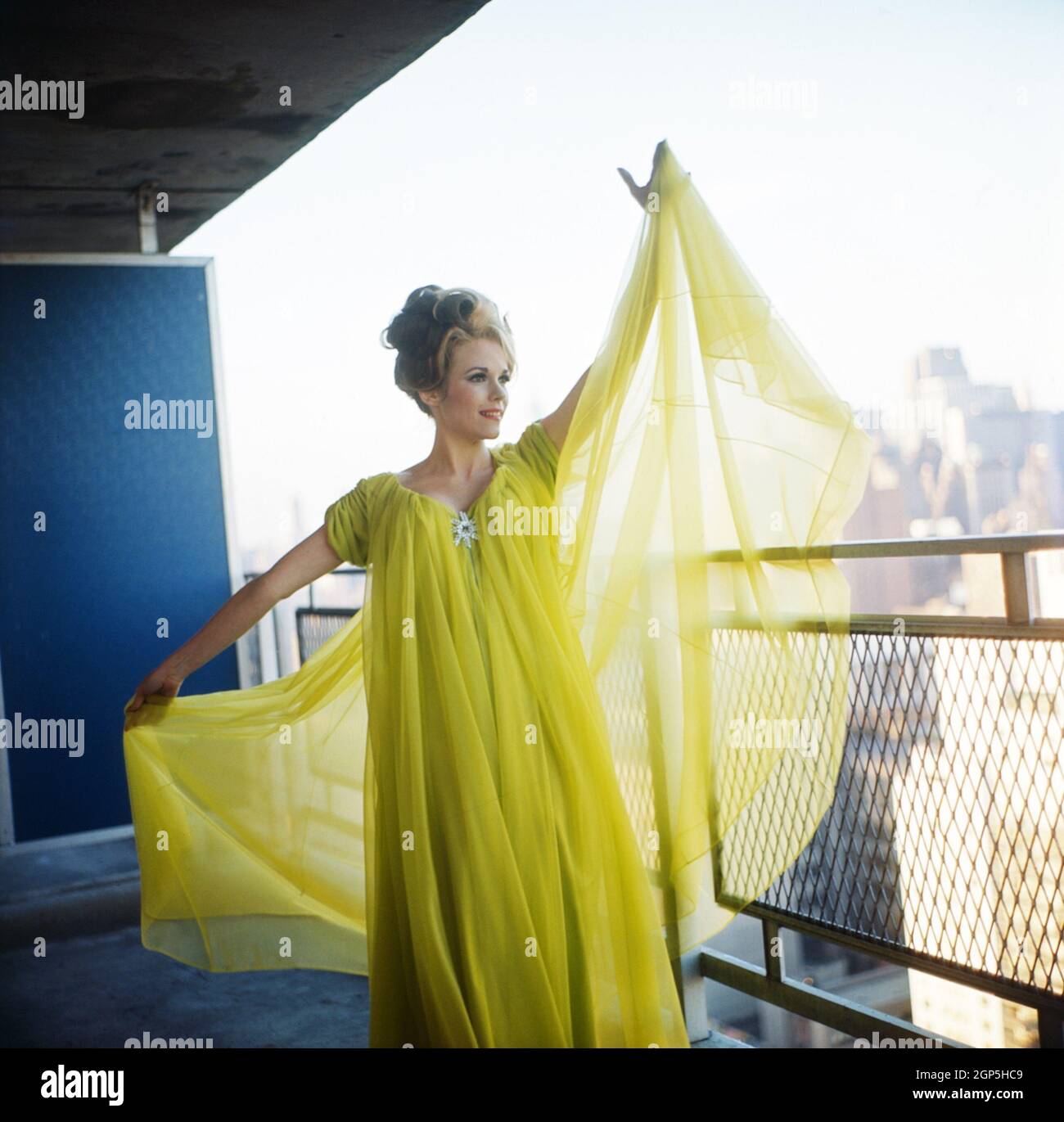
Eileen Fulton achieved enduring fame by portraying the iconic villainess Lisa Grimaldi on the CBS daytime soap opera As the World Turns, a groundbreaking role she inhabited for over fifty years and that redefined the cultural archetype of the complex daytime television antagonist.
Introduction: The Birth of a Daytime Phenomenon
When daytime television was still in its infancy, the emergence of a truly compelling antagonist could make or break a fledgling network broadcast. Enter Eileen Fulton, an actress whose name became permanently intertwined with the history of American soap operas. Stepping into the role of Lisa Hughes (later Grimaldi) on CBS’s As the World Turns in 1960, Fulton did not merely play a character; she birthed a cultural archetype. Before Lisa, daytime heroines were overwhelmingly virtuous, saintly figures who suffered quietly. Lisa, however, was ambitious, unapologetically vain, manipulative, and deeply human.
For more than half a century, viewers tuned in not just to see what trouble Lisa would cause next, but to understand the vulnerabilities driving her machinations. Fulton’s presence in the spotlight reflects a career defined by unprecedented longevity, theatrical versatility, and a turbulent yet fascinating relationship with sudden fame. This examination explores her trajectory from a stage-trained actress in North Carolina to a television icon, evaluating her impact on the medium, her ventures beyond the soundstage, and the enduring legacy she leaves in the annals of television history.
Early Life, Training, and Theatrical Foundations
Long before she became a fixture of living rooms across America, Eileen Fulton was laying the rigorous groundwork required for a serious acting career. Born Margaret Eileen Fulton on September 13, 1933, in Asheville, North Carolina, she grew up in a structured environment—her father was a Methodist minister. Despite the traditional religious upbringing, Fulton exhibited an early passion for performance, participating in local theater and school productions.
Her formal training took place at Greensboro College, where she earned a degree in dramatic arts. Eager to test her mettle on professional stages, she relocated to New York City, the epicenter of American theater. Like many aspiring actresses of her era, she navigated the grueling audition circuit, taking odd jobs while securing roles in regional theater and Off-Broadway productions.
This classical theatrical background proved crucial when she transitioned to television. Unlike actors who relied solely on raw charisma, Fulton brought stage discipline, impeccable comedic timing, and a deep understanding of emotional pacing to the fast-paced, high-pressure environment of daily soap opera production. Her ability to memorize massive blocks of dialogue overnight and deliver emotionally charged performances under tight studio schedules was rooted directly in her early stage training.
Entering the Spotlight: The Creation of Lisa Grimaldi
The defining turning point of Fulton’s career arrived in 1960 when she was cast as Lisa Hughes on As the World Turns, created by legendary writer Irna Phillips. Initially envisioned as a temporary character, Lisa was a young woman determined to marry her way into wealth and social status, disrupting the quiet lives of the show's core families.
Fulton infused the role with a magnetic energy that immediately captivated audiences. She portrayed Lisa not as a cartoonish villain, but as a complex woman whose ambition stemmed from deep-seated insecurities and a desire for security. Viewers experienced a volatile mix of fascination and outrage; fan mail poured into the network, split between devoted admirers and enraged viewers who took the character's antics personally.
The cultural impact of the character was immediate and profound. Fulton famously recalled instances of fans confronting her on the street, scolding her for breaking up a fictional marriage or plotting against a beloved protagonist. This level of viewer investment was rare for the medium at the time. By making a villainess the most compelling figure on the screen, Fulton helped drive unprecedented ratings for As the World Turns, cementing its status as a daytime titan.
Key Milestones in Fulton's Television Career
| Milestone / Year | Significance in Television History |
|---|---|
| 1960 | Debuted as Lisa Hughes on CBS’s As the World Turns, establishing the archetype of the complex soap opera villainess. |
| 1965 | Briefly left the show to pursue other theatrical and television opportunities, prompting an intense public outcry and declining ratings that necessitated her return. |
| 1970s–1980s | Solidified her status as a pop culture fixture, inspiring media profiles, talk show appearances, and her own autobiographical writings. |
| 1990s | Celebrated three decades on the air, transitioning Lisa from a scheming young divorcée into a formidable, multi-layered matriarch. |
| 2010 | Appeared in the final season of As the World Turns, concluding an astonishing 50-year run in the role. |
The Power of the Soap Opera Antagonist
Fulton’s portrayal of Lisa Grimaldi fundamentally changed how television writers constructed female characters. Before the 1960s, serialized daytime dramas relied heavily on passive heroines who endured trials with quiet dignity. Fulton proved that audiences relished narrative friction driven by an active, ambitious female antagonist who pursued her own desires regardless of social conventions.
Her performance relied on a delicate balance of vulnerability and cunning. Lisa wept, schemed, married multiple times, lost fortunes, and regained them, yet Fulton always ensured the character maintained a core of dignity and survival instinct. This nuance prevented Lisa from becoming a caricature and allowed her to evolve naturally over five decades as the cultural landscape shifted around her.
As societal views on women's independence, career ambition, and marital norms transformed from the 1960s through the early 21st century, Lisa’s character adapted accordingly. What once seemed shockingly defiant in 1960 became a recognizable portrait of self-reliance by the later decades of the broadcast. Fulton’s instinctive grasp of this evolution is a primary reason why the character remained viable and engaging for fifty years.
Ventures Beyond the Soundstage: Writing and Stage Work
While As la World Turns was the undisputed anchor of her professional life, Eileen Fulton actively sought outlets for her creative energy outside the television studio. Unlike actors who faded from public view during hiatuses, Fulton leveraged her fame and theatrical training to pursue diverse artistic endeavors.
She returned to the stage whenever her grueling shooting schedule permitted, starring in various regional theater productions and dinner theater circuits. Her theatrical roots remained a vital source of personal fulfillment, allowing her to connect with live audiences in ways that television cameras could not replicate.
In addition to acting, Fulton explored the literary world. She co-authored memoirs and fiction that reflected her experiences in the entertainment industry and her decades in the public eye. Her books, including How to Crash Hollywood and her autobiography As My World Turns, offered fans a candid look behind the scenes of daytime television, detailing the intense labor, glamour, and personal sacrifices required to maintain a daily network schedule for generations.
Navigating Fame, Scrutiny, and Fan Culture
Living in the spotlight for half a century presents unique psychological and professional challenges. In the pre-internet era of the mid-20th century, soap opera actors occupied a distinct space in American culture. They entered viewers' homes five days a week, fostering a parasocial intimacy that often blurred the lines between fiction and reality for the audience.
Fulton experienced this phenomenon acutely. Because she played a notorious troublemaker, she frequently bore the brunt of public disapproval. She often recounted humorous yet exhausting anecdotes of being berated in grocery stores or receiving stern warnings from strangers on airplanes. However, she also recognized that this intense public reaction was a testament to the effectiveness of her craft.
Managing the physical and emotional toll of a long-running television role required strict discipline. Fulton maintained her craft through decades of cast changes, shifting production technologies, and changing network priorities. Her ability to remain professional, punctual, and dramatically sharp across generations of television production cemented her reputation among producers and directors as the ultimate professional.
The Legacy of As the World Turns and Daytime TV History
When As the World Turns broadcast its final episode on September 17, 2010, after 54 years on the air, an era in American broadcasting drew to a close. Fulton’s presence from nearly the beginning to the very end of the series made her a living bridge across television history. She witnessed the medium evolve from live, black-and-white broadcasts recorded in New York studios to high-definition color productions, weathering the shift in viewing habits that ultimately led to the decline of the traditional daytime soap opera format.
Fulton’s legacy extends far beyond a single Guinness-adjacent record of longevity. She established a blueprint for how an actor can anchor a daily narrative universe, proving that character continuity and deep emotional investment can build unbreakable bonds with an audience. Modern serialized dramas—from prime-time cable prestige series to streaming soap epics—owe a structural debt to the pioneers like Fulton who proved that serialized, character-driven storytelling could captivate millions of viewers day after day, year after year.
Frequently Asked Questions
Who did Eileen Fulton play on As the World Turns?
Eileen Fulton famously portrayed Lisa Hughes (later Grimaldi, among other married names), the iconic scheming beauty who served as the show's primary antagonist and central dramatic catalyst for fifty years.
How long was Eileen Fulton on As the World Turns?
Fulton joined the cast in 1960 and remained with the show intermittently until its final broadcast in 2010, accumulating a historic run spanning five decades, marked by a brief departure in the mid-1960s.
Did Eileen Fulton write any books?
Yes, Fulton authored several books, including her autobiography As My World Turns, which details her personal life, her theatrical beginnings, and her decades-long journey inside the television industry.
What was Eileen Fulton's acting background before television?
Before entering television, Fulton earned a degree in dramatic arts from Greensboro College and trained extensively in classical theater, performing in regional and Off-Broadway stage productions in New York City.
Why was Lisa Grimaldi considered a groundbreaking soap opera character?
Lisa broke the traditional mold of the passive, saintly daytime heroine by introducing ambition, complexity, and unapologetic self-interest, establishing the modern template for the complex television villainess.
Conclusion and Final Reflections
Eileen Fulton’s tenure in the spotlight stands as a masterclass in professional endurance, character development, and cultural impact. By transforming a temporary villainess into a complex television institution, she not only defined the trajectory of As the World Turns but also elevated the artistic potential of daytime television as a whole. For anyone studying the history of serialized entertainment or the psychology of audience engagement, Fulton’s fifty-year reign as Lisa Grimaldi remains an essential chapter of television history.