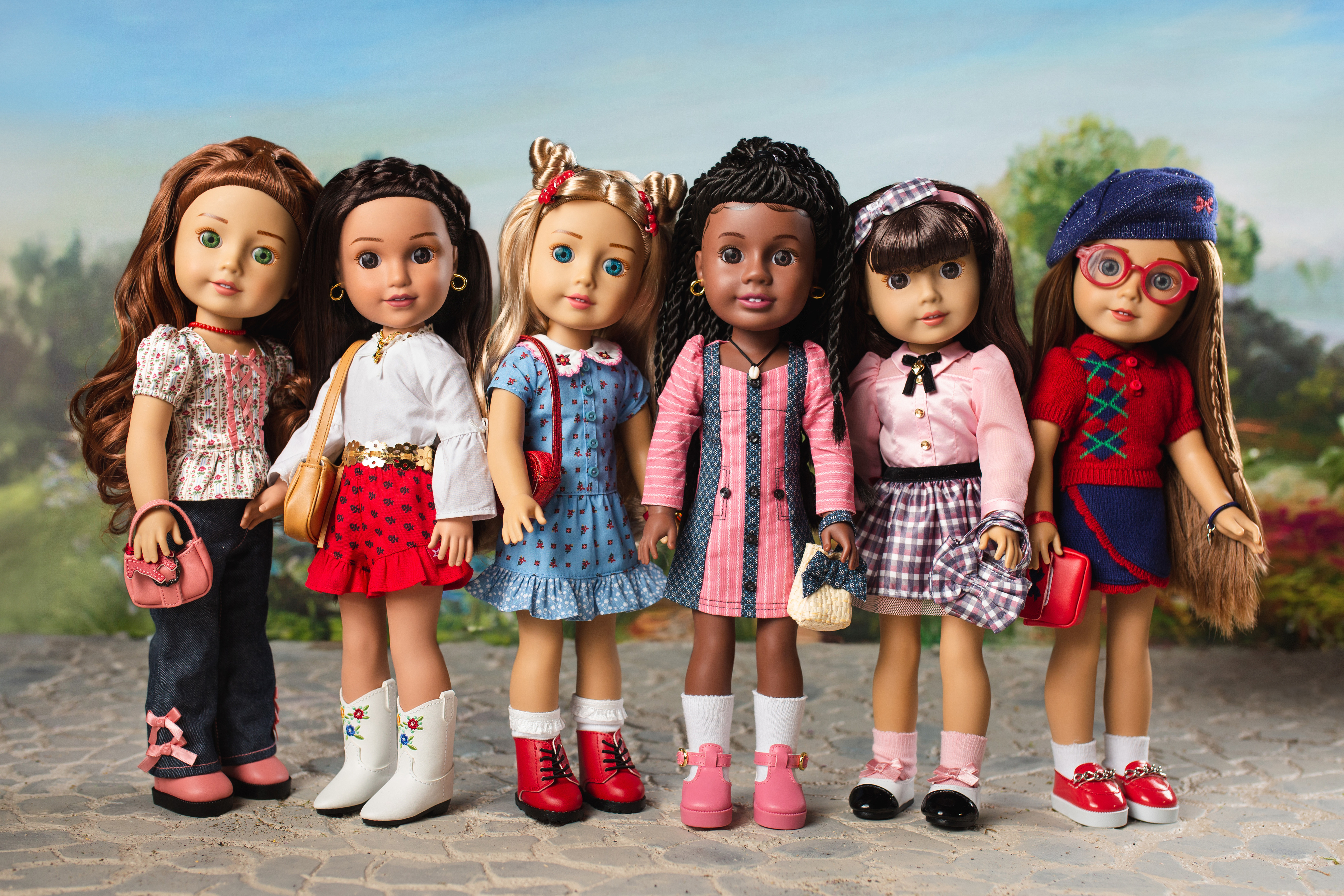
American Girl doll names serve as the primary identifiers for the brand’s extensive lines of historical, contemporary, and customizable character dolls. Each name is tied to a specific fictional narrative, historical era, or personal identity, helping collectors, gift-givers, and enthusiasts distinguish between the various product lines released by the Pleasant Company and later Mattel since the brand's inception in 1986.
Understanding the naming conventions used by American Girl is essential for collectors navigating the secondary market or seeking to understand the legacy of the brand. These dolls are categorized into distinct collections—most notably the Historical Characters (formerly "BeForever"), the Girl of the Year series, and the Truly Me line—with each naming strategy reflecting the intended audience, cultural background, and thematic goals of the specific doll.
Decoding American Girl Naming Conventions
The naming of American Girl dolls is rarely arbitrary; it is a calculated process designed to ground the character in a specific time and place. By analyzing these names, you can often determine the era a doll belongs to, her socioeconomic background, and her cultural heritage.
Historical Characters
The Historical Character line is the cornerstone of the American Girl brand. These dolls are given names that were common, popular, or culturally significant during the specific year their stories are set. For example, Kirsten Larson, released in 1986, features a name reflective of her Swedish immigrant roots in 1854. Conversely, Melody Ellison, whose story is set in 1964 Detroit, possesses a name that captures the mid-century American aesthetic.
When searching for information on historical dolls, it is helpful to note that the name acts as a bridge to the associated literature. If you are researching a specific doll, checking the publication date of her primary book series often provides the most accurate context for the character's origins and the historical accuracy of her name.
Girl of the Year (GOTY)
Unlike the historical dolls, the Girl of the Year series focuses on contemporary issues. The naming convention here is generally more modern, reflecting the naming trends of the year the doll is released. These dolls are available for a limited time—typically one year—which makes their names shorthand for a specific period in the brand's history (e.g., Lanie, Kanani, or McKenna). Because these names are tied to a finite production window, they are often the most sought-after by collectors looking to complete sets from a particular era.
Truly Me and World by Us
The "Truly Me" line, formerly known as "Just Like Me" and "American Girl of Today," diverges from the character-driven naming model. These dolls do not come with pre-assigned names. Instead, the consumer assigns a name of their choosing. This shift reflects a move toward inclusivity and personal expression, allowing the child to define the character rather than following a pre-written narrative.
Table: Categorization of American Girl Doll Lines
| Line Name | Naming Origin | Production Strategy | Primary Goal |
|---|---|---|---|
| Historical Characters | Period-accurate nomenclature | Permanent catalog | Educational storytelling |
| Girl of the Year | Modern/Contemporary | Limited one-year release | Current events and trend setting |
| Truly Me | User-assigned | Modular/Ongoing | Personal representation |
| World by Us | Culturally specific | Character-driven | Diversity and inclusion |
Navigating Secondary Markets and Authentication
For collectors, verifying an American Girl doll by its name is the first step toward determining its market value. Because many dolls look similar—sharing the same face mold or eye color—the name is your most reliable anchor for identifying the doll's specific era and rarity.
Key Factors in Identification
- Neck Markings: Almost all genuine American Girl dolls produced by Mattel feature a stamp on the back of the neck. This stamp typically includes the brand name and sometimes the year of the mold patent, though it does not usually list the character's name.
- Clothing and Accessories: Names are often linked to specific outfits. A doll found in a thrift store or secondary market with original, intact clothing can be identified by the "Meet" outfit that launched with her.
- Manufacturer History: Distinguishing between "Pleasant Company" branded dolls (pre-1998 acquisition) and later Mattel-branded dolls can significantly impact valuation. A doll's name remains constant, but the construction and material quality may vary by the year of manufacture.
Avoiding Misidentification
A common mistake among new collectors is assuming that a name found on an online auction listing is accurate. Sellers may occasionally misidentify a doll based on a generic resemblance. Before making a purchase, always verify the doll's identity against official archival resources, such as the American Girl Wiki or verified historical catalogs, which track the specific features—such as hair texture, eye color, and facial mold—associated with each character name.
The Impact of Character Narratives on Naming
The names of American Girl dolls are intrinsically linked to the books that accompany them. These stories were originally designed to educate children about American history through the eyes of a peer. The name is the "hook" that allows readers to connect with the character's struggles and triumphs. For example, names like Addy Walker (set in 1864) were chosen not only for period accuracy but to signal the character's role in a narrative exploring the complexities of the American Civil War and the path to freedom.
When the brand expands into new territory, such as the World by Us collection, the names are chosen to be representative of the specific cultural backgrounds of the characters. This level of intentionality ensures that the brand remains relevant to a diverse audience while maintaining the high standard of historical and cultural context that defined its early success.
Frequently Asked Questions
How can I find out the name of an American Girl doll I own?
You can identify your doll by comparing its physical features—such as eye color, hair color/style, and freckle pattern—against online archival galleries. Focus on the "Meet" outfit if you have it; cross-referencing this outfit with the doll's features on an official history database will provide a definitive name.
Are American Girl names ever recycled?
Generally, no. Each character name is tied to a specific persona. While new lines may share names with older ones, a character with a specific backstory (like Samantha Parkington) will remain distinct from any other doll produced by the brand.
Can I rename a Truly Me doll if it came with a name tag?
Truly Me dolls are sold without an official name. If a doll came to you with a name tag, it was assigned by the previous owner. You are encouraged to give your doll any name you choose, as these dolls are intended to represent the child or their own creative invention.
Why do some American Girl dolls have "retirements"?
"Retirement" refers to the cessation of production for a specific doll. Historical characters and Girls of the Year are retired to make room for new characters. Once a doll is retired, her name becomes a descriptor for a legacy product, and she is no longer available for purchase through official retail channels.
Do names affect the resale value of a doll?
Yes, but indirectly. The name identifies the rarity of the doll. A retired historical character from the 1990s in pristine condition will generally command a higher price than a more common, currently available doll, regardless of the name itself.
Recommendations for Collectors
If you are looking to start or expand an American Girl collection, start by cataloging the dolls you already possess. Document their physical characteristics and any accompanying accessories. If you identify a doll's name, search for her original book series to deepen your understanding of the character's background. For those interested in the financial aspect of collecting, focus on the "Historical" line, as these dolls often hold their value more consistently due to their place in the brand's long-term historical narrative. Always prioritize condition and completeness of original outfits, as these are the primary drivers of value for legacy items.