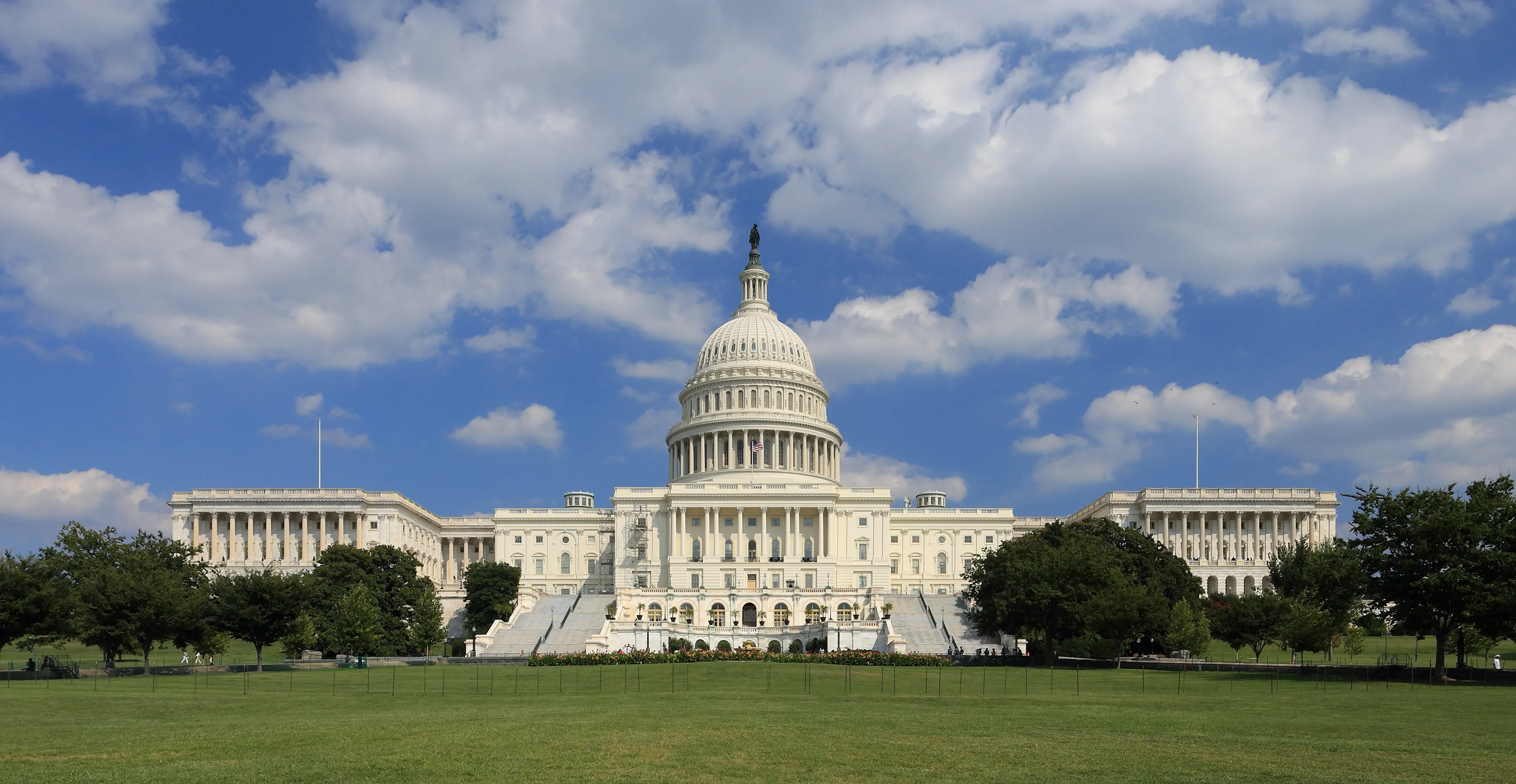
The American government is a federal republic defined by a system of checks and balances established by the U.S. Constitution. It divides power across three distinct branches—legislative, executive, and judicial—while simultaneously balancing authority between the federal government and individual state governments to ensure that no single entity or faction exerts absolute control.
The Constitutional Foundation
At the heart of the American system is the Constitution of the United States, signed in 1787 and ratified in 1788. It serves as the supreme law of the land, outlining the framework for national governance. The Constitution is designed to be rigid enough to provide stability but flexible enough through the amendment process to adapt to the changing needs of the nation.
The document begins with the Preamble, which establishes the goals of the government: to form a more perfect union, establish justice, ensure domestic tranquility, provide for the common defense, promote the general welfare, and secure the blessings of liberty. Following the Preamble, the articles define the structure of government, while the Bill of Rights—the first ten amendments—protects individual liberties such as freedom of speech, religion, and the right to a fair trial.
The Legislative Branch: Creating Federal Law
Article I of the Constitution establishes the legislative branch, vested in the Congress of the United States. Congress is a bicameral (two-house) legislature composed of the Senate and the House of Representatives.
- The House of Representatives: Membership is based on population, with 435 voting members distributed among the 50 states. Members serve two-year terms, making them the most directly responsive to shifts in public opinion. The House holds the unique power to initiate revenue bills, impeach federal officials, and elect the President in the event of an Electoral College deadlock.
- The Senate: Each state is represented by two senators, regardless of population, for a total of 100 senators who serve six-year terms. This structure was designed to provide stability and represent state interests. The Senate possesses the power to confirm presidential appointments, ratify treaties, and conduct trials for impeached officials.
For a bill to become law, it must be passed in identical form by both chambers and signed by the President. If the President vetoes a bill, Congress may override that veto with a two-thirds majority vote in both the House and the Senate.
The Executive Branch: Implementation and Enforcement
Article II vests the executive power in the President of the United States, who serves as the head of state, head of government, and Commander-in-Chief of the armed forces. The President is responsible for enforcing the laws enacted by Congress.
The executive branch includes the Vice President, the Cabinet, and various independent federal agencies. The Cabinet, consisting of the heads of 15 executive departments—such as the Department of State, the Department of Defense, and the Department of Justice—advises the President on specific policy areas. The President also appoints federal judges, Supreme Court justices, and ambassadors, subject to Senate confirmation.
The executive branch’s role extends beyond enforcement; the President plays a central role in foreign policy, negotiating treaties (subject to Senate approval) and issuing executive orders, which are directives that manage the operations of the federal government and carry the force of law under specific conditions.
The Judicial Branch: Interpretation and Review
Article III establishes the judicial branch, headed by the Supreme Court of the United States. Unlike the other two branches, federal judges are appointed for life, a tenure intended to insulate them from political pressure and public opinion, allowing them to make decisions based solely on constitutional interpretation.
The judicial system is hierarchical, consisting of the Supreme Court at the top, followed by 13 U.S. Courts of Appeals and 94 U.S. District Courts. The fundamental power of the judiciary is judicial review, a principle established in the 1803 case Marbury v. Madison. This power allows federal courts to declare legislative acts or executive actions unconstitutional, thereby invalidating them if they conflict with the principles of the Constitution.
Federalism: The Division of Power
A unique aspect of the American government is federalism, the distribution of power between the national government and the states. Under the Tenth Amendment, powers not delegated to the federal government by the Constitution are reserved to the states or to the people.
This relationship creates a dual-sovereignty structure. While the federal government maintains authority over issues such as national defense, interstate commerce, and monetary policy, states retain broad authority over education, public health, local law enforcement, and transportation. This division creates a laboratory for policy, allowing states to experiment with different legislative solutions to local problems, which may eventually inform national policy.
Summary of Branch Responsibilities
| Branch | Primary Function | Key Components |
|---|---|---|
| Legislative | Makes laws and controls the budget | Senate and House of Representatives |
| Executive | Executes and enforces laws | President, Vice President, and Cabinet |
| Judicial | Interprets laws and reviews constitutionality | Supreme Court and Lower Federal Courts |
The System of Checks and Balances
The American system is characterized by a deliberate friction between the branches. Each branch has mechanisms to limit the power of the other two:
- Legislative over Executive: Congress can override presidential vetoes, approve or reject appointments, and impeach the President.
- Executive over Legislative: The President can veto legislation passed by Congress and influence public opinion to pressure lawmakers.
- Judicial over Legislative/Executive: The Supreme Court can declare laws or executive orders unconstitutional through judicial review.
- Legislative/Executive over Judicial: Congress determines the size of the Supreme Court and can initiate constitutional amendments to override court rulings. The President appoints all federal judges.
This structure prevents the "tyranny of the majority" and ensures that significant changes in government policy require broad consensus and careful deliberation.
How Citizens Interact with Government
While the government is structured through these institutions, it relies on the participation of the electorate. Citizens interact with the government primarily through voting in local, state, and federal elections. These votes determine who occupies seats in Congress and the White House, thereby shaping the direction of national policy.
Beyond voting, citizens engage by contacting their representatives, participating in advocacy groups, attending town hall meetings, and exercising their right to petition for a redress of grievances. In the American system, the government serves as a representative entity, meaning its legitimacy is derived from the consent of the governed.
Frequently Asked Questions
What is the purpose of the Electoral College? The Electoral College is the process used to select the President and Vice President. Instead of a direct national popular vote, each state is assigned a number of electors based on its total representation in Congress (House members plus Senators). This system was designed by the founders to balance the interests of populous states and smaller states.
Can the Constitution be changed? Yes. The Constitution can be amended through a process outlined in Article V. An amendment requires a two-thirds vote in both the House and the Senate, or a constitutional convention called for by two-thirds of the state legislatures. Once proposed, three-fourths of the states must ratify the amendment for it to become part of the Constitution.
What is the difference between a law and an executive order? A law is a piece of legislation passed by both houses of Congress and signed by the President, or passed over a presidential veto. It is permanent until repealed by Congress. An executive order is a directive from the President to executive branch agencies, often used to clarify or implement existing law. It can be revoked by a future president or overturned by the Supreme Court.
How long do Supreme Court Justices serve? Supreme Court Justices serve for life, or until they choose to retire or resign. This life tenure is intended to remove justices from the influence of election cycles and political trends, allowing them to remain impartial in their judicial interpretation of the Constitution.
Who has the final say on the constitutionality of a law? The Supreme Court of the United States has the final say. Through the power of judicial review, it can determine whether any law or government action adheres to the principles of the Constitution.
Next Actions for Understanding Governance
To stay informed about the actions of the federal government, individuals should utilize official resources. The website Congress.gov provides real-time access to the status of legislation, while the Federal Register is the daily journal of the U.S. government, detailing rules, proposed rules, and public notices. Engaging with these primary sources provides a more accurate understanding of the government’s current operations than relying solely on secondary commentary. Understanding these foundational mechanics is the first step toward effective civic engagement.