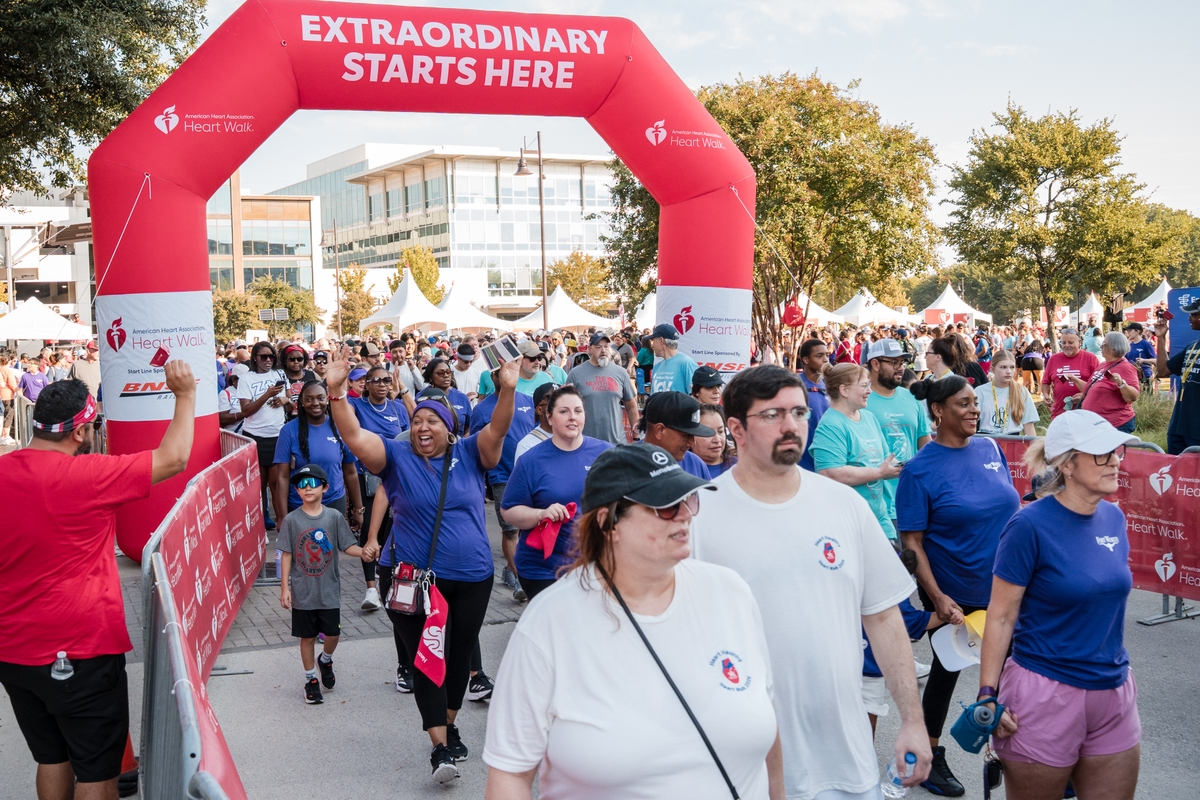
The American Heart Association (AHA) Heart Walk 2026 serves as the premier community-based fundraising event dedicated to eradicating heart disease and stroke. By participating in local walks across the United States, individuals, corporate teams, and families raise vital funds for cardiovascular research, public health education, and advocacy, while simultaneously fostering personal heart health through physical activity.
The Purpose and Impact of the Heart Walk
The Heart Walk is more than a simple community gathering; it is the flagship fundraising initiative for the American Heart Association. Since its inception, the event has grown to encompass hundreds of events nationwide. The primary goal is to fund lifesaving scientific research and critical health programs.
When you register for a Heart Walk in 2026, you are contributing to a massive collective effort. Funds raised are directed toward:
- Scientific Research: Financing breakthrough studies in cardiology, neurology, and pediatric heart conditions.
- Health Literacy: Providing resources to communities to help them recognize the warning signs of heart attack and stroke.
- Advocacy: Working with policymakers to improve access to quality healthcare and nutritional standards in public schools and workplaces.
- CPR Training: Increasing the number of individuals trained in hands-only CPR, which significantly improves survival rates during cardiac emergencies.
Eligibility and Prerequisites for Participation
Participation in the 2026 Heart Walk is open to the general public. There is no strict athletic requirement to join; the event is designed to be inclusive, accommodating walkers of all ages, fitness levels, and abilities. Whether you are a dedicated marathon runner, a casual stroller, or someone using an assistive device, the AHA encourages your presence.
Prerequisites for Registration:
- Online Registration: All participants must register through the official American Heart Association website or the localized event portal for their specific city.
- Fundraising Commitment: While there is no mandatory individual registration fee, participants are strongly encouraged to set a personal fundraising goal. Many local events offer "Heart Walk T-shirts" for those who reach specific fundraising milestones.
- Waiver Acknowledgement: During the sign-up process, you will be required to read and electronically sign a liability waiver. This document protects the organization from legal claims arising from physical exertion during the event.
- Health Considerations: Because the Heart Walk involves physical activity, the AHA recommends that participants consult with their personal physician if they have pre-existing cardiovascular conditions, are currently managing heart-related symptoms, or have been inactive for an extended period.
How to Register and Get Involved
Navigating the registration process is straightforward, but it requires attention to detail to ensure you are associated with the correct local event.
Step-by-Step Registration Sequence:
- Locate Your Event: Use the official AHA Heart Walk search engine to find a walk in your state or metropolitan area. Events are geographically specific, and some cities host multiple walks throughout the year.
- Choose Your Role: You may register as an individual walker, join an existing team (such as a corporate group or a family collective), or serve as a team captain. If you are a team captain, you will be responsible for recruiting others and managing team fundraising efforts.
- Set Up Your Personal Page: Once registered, you will receive access to a personalized dashboard. Use this to track your fundraising progress, update your story, and invite friends and family to donate via email or social media.
- Monitor Deadlines: While many events allow for "day-of" registration, it is highly recommended to register at least three weeks prior to the event date to ensure your participant credentials and any earned incentives are processed correctly.
Fundraising Strategies and Team Building
The success of the Heart Walk relies heavily on peer-to-peer fundraising. As a participant, you are the primary driver of the organization's success.
Effective Fundraising Techniques:
- Share Your "Why": Personal connections drive donations. Whether you are walking in honor of a survivor, in memory of a loved one, or to improve your own health, sharing your story on your fundraising page creates an emotional connection that encourages giving.
- Corporate Matching: Many employers offer matching gift programs. Check with your Human Resources department to see if they will match the donations you receive from colleagues. This can effectively double your impact.
- Social Media Advocacy: Rather than simply asking for money, use your platforms to share facts about heart health. Explain how the money raised goes toward specific, actionable outcomes like local hospital equipment or educational resources.
Comparison of Participant Roles
Understanding the difference between roles ensures you are placed in the environment that best suits your goals.
| Role | Responsibilities | Best For |
|---|---|---|
| Individual Walker | Personal fundraising and participation | First-time participants, independent activists |
| Team Captain | Recruiting, motivating team members, administrative support | Corporate HR, community leaders, active family members |
| Team Member | Fundraising within the team, event day participation | Employees, friends, social groups |
| Corporate Sponsor | Providing large-scale funding and logistics support | Businesses looking for CSR (Corporate Social Responsibility) alignment |
Medical and Safety Precautions
The American Heart Association places a high priority on the safety of all participants. Because the Heart Walk is inherently associated with heart health, it is essential to prioritize your own physical well-being throughout the event.
- Warm-up and Cool-down: Most organized walks include a designated area for pre-walk stretching. Engage in light movement before starting to prepare your muscles.
- Hydration: Weather conditions in 2026 may vary by location. Ensure you carry water, especially if the event is held in a warmer climate or during the summer months.
- Listen to Your Body: If you experience chest pain, extreme shortness of breath, dizziness, or lightheadedness, stop walking immediately. Identify the nearest event staff or medical tent to seek assistance.
- Emergency Personnel: Official AHA events are staffed with medical professionals or emergency medical technicians (EMTs). Familiarize yourself with the location of the medical station upon arrival at the start line.
Troubleshooting Common Issues
Participants occasionally encounter hurdles that can disrupt their experience. Here is how to handle the most frequent problems:
- Fundraising Page Not Updating: If donations are not appearing, ensure that the donor finalized the transaction. The AHA dashboard usually updates in real-time, but bank processing can occasionally take 24-48 hours. If the issue persists, contact the localized event coordinator listed on the event page.
- Lost Registration Credentials: If you cannot find your confirmation email, use the "Forgot Password" or "Resend Confirmation" link on the event homepage. You will need the email address used during the initial signup.
- Corporate Team Issues: If you are having trouble adding members to a team, ensure the Team Captain has not restricted the settings to "Private" or "Approval Required." If you are the captain, verify your team settings in the administrative dashboard.
Frequently Asked Questions
1. Is there a minimum age requirement to participate in the Heart Walk? There is no specific minimum age requirement. Children are encouraged to participate; however, minors must have a parent or guardian sign their liability waiver. Ensure that younger children remain under adult supervision at all times during the event.
2. Can I participate in a Heart Walk if I do not have a team? Absolutely. Many people register as individual walkers. The event is an excellent place to meet others who are passionate about cardiovascular health, and many individuals find communities of support on the day of the walk.
3. Are pets allowed at the Heart Walk? Policies regarding pets vary by location due to local ordinances and specific venue rules. Please check the "Event Details" section of your specific city’s Heart Walk website, as some locations allow leashed dogs, while others may prohibit animals for safety and liability reasons.
4. What happens if there is inclement weather on the day of the event? Heart Walks generally proceed rain or shine. In the event of extreme weather, such as lightning, high winds, or severe storms, the event may be delayed or cancelled for safety. Check your email or the official local event social media page on the morning of the walk for real-time updates.
5. How do I turn in cash or check donations? You should coordinate with your local event manager to drop off offline donations. Do not send cash through the mail. Checks should be made payable to the "American Heart Association." Ensure that any physical checks are accompanied by a note indicating the walker’s name or team name to ensure the credit is applied to the correct account.
Final Next Steps for Participants
To ensure you are fully prepared for your 2026 experience, your first action should be to navigate to the official American Heart Association Heart Walk website and use the zip code locator to find your specific event. Once registered, immediately customize your personal page with a high-quality photo and a brief paragraph explaining why you are walking. Following this, begin reaching out to your network to secure your first three donations. Early momentum is the single most significant factor in reaching higher fundraising goals, which in turn fuels the essential research that makes the Heart Walk’s mission possible.