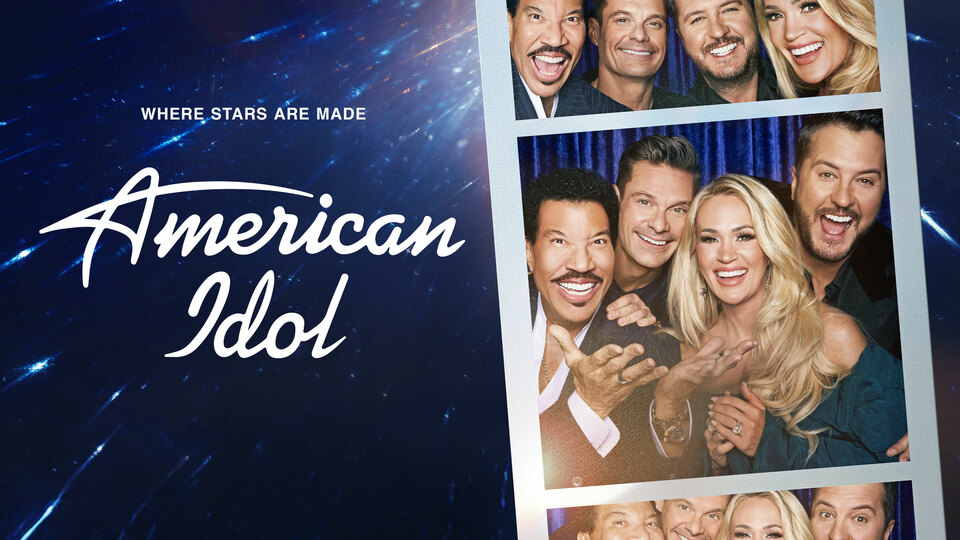
American Idol transformed television and the music industry by turning unknown hopefuls into global icons through live auditions, weekly televised voting, and immediate industry exposure. Pop culture legends like Kelly Clarkson, Carrie Underwood, and Jennifer Hudson leveraged their televised debuts into multi-decade, multi-industry careers encompassing Grammy Awards, Oscar victories, and daytime television dominance.
The American Idol Launchpad: How the Audition Pipeline Works
When American Idol premiered in the summer of 2002, it disrupted traditional music industry A&R (Artists and Repertoire) practices. Rather than building a fanbase through years of local touring and record label showcase meetings, contestants stepped directly into audition rooms in front of celebrity judges and millions of home viewers. The journey from line-standing amateur to chart-topping recording artist established a repeatable, high-stakes pipeline that reshaped modern stardom.
- Open Call Audition
- Executive Producer & Judge Auditions
- Hollywood Week & Showcase Rounds
- Live Voting Shows & Finale
- Record Deal & Global Career Expansion
Raw Auditions and the Golden Ticket Moment
The iconic "Golden Ticket to Hollywood" was never just a prop; it represented a structural shift in how talent was scouted. Auditions required performers to deliver acapella or minimally accompanied vocals under extreme pressure. In this environment, raw vocal control, distinct tone, and unscripted charisma were paramount.
Early audition tapes reveal that the show’s biggest breakout stars succeeded not by mimicking existing radio hits, but by asserting a distinct artistic identity within seconds. Whether singing classic soul, country anthems, or classic rock, successful auditionees demonstrated an immediate vocal signature that resonated through household television speakers.
Navigating the Hollywood Week Pressure Cooker
Hollywood Week serves as the primary filter separating raw vocalists from adaptable, career-ready professionals. Contestants face grueling schedules, mandatory group performances, last-minute lyric memorization, and harsh physical exhaustion.
This stage tests resilience under intense scrutiny—a crucial metric for anyone aiming to survive the modern music business. Winners and top finalists learned to manage stage fright, negotiate creative differences with group mates, and select songs that highlighted their vocal range while remaining commercial and accessible to a broad audience.
The Titans of Idol: Definitive Case Studies in Post-Show Dominance
While hundreds of singers earned a spot on the live broadcasts, a selective group transformed initial viewer interest into multi-decade multi-hyphenate entertainment careers. Analyzing their trajectories demonstrates how different paths after the show led to enduring success.
Kelly Clarkson: From First Winner to Daytime Royalty
Kelly Clarkson’s victory in Season 1 (2002) set the benchmark for what an American Idol winner could achieve. Auditioning with expressive renditions of Madonna's "Express Yourself" and Aretha Franklin's "At Last," Clarkson combined unpretentious charm with a vocal range capable of handling pop, rock, and R&B.
Kelly Clarkson Career Trajectory:
- 2002: Season 1 Winner
- 2004: Breakthrough Album 'Breakaway'
- 2019–Present: Host of 'The Kelly Clarkson Show'
Following her debut single "A Moment Like This," which made a record-breaking jump on the Billboard Hot 100, Clarkson actively fought for creative control over her sound. Her sophomore album, Breakaway (2004), yielded global pop-rock anthems like "Since U Been Gone" and "Behind These Hazel Eyes," winning two Grammy Awards and establishing her as a genuine radio powerhouse.
Clarkson expanded her career by joining The Voice as a multi-season winning coach and launching The Kelly Clarkson Show, earning multiple Daytime Emmy Awards as a host and cementing her position as a staple of American television.
Carrie Underwood: The Country Superstar Blueprint
Winning Season 4 in 2005, Carrie Underwood entered her audition in St. Louis singing Bonnie Raitt's "I Can't Make You Love Me." Her smooth vocal control and Midwestern humility immediately captivated judge Simon Cowell, who accurately predicted she would not only win the show but outperform previous contestants in record sales.
Underwood’s debut album, Some Hearts (2005), became the best-selling solo female debut album in country music history, driven by cross-genre mega-hits such as "Before He Cheats" and "Jesus, Take the Wheel." Rather than treating country music as a temporary step, Underwood embraced the genre fully, earning membership in the historic Grand Ole Opry in 2008.
With eight Grammy Awards, dozens of Academy of Country Music (ACM) and Country Music Association (CMA) trophies, and multi-platinum stadium tours, Underwood remains one of the highest-selling alumni in the franchise's history.
Jennifer Hudson: The EGOT Powerhouse Born from a 7th-Place Finish
Jennifer Hudson’s journey on Season 3 (2004) remains one of the most famous examples of how early elimination on a reality show does not preclude global success. Finishing in seventh place after a controversial voting night, Hudson used her national exposure as a springboard into film and musical theater audition rooms.
Jennifer Hudson EGOT Achievement:
- Emmy (Daytime Emmy)
- Grammy (Best R&B Album)
- Oscar (Best Supporting Actress)
- Tony (Producer, A Strange Loop)
In 2006, Hudson landed the role of Effie White in the film adaptation of the Broadway musical Dreamgirls. Her performance of "And I Am Telling You I'm Not Going" received critical acclaim, earning her the Academy Award for Best Supporting Actress.
Hudson built on this milestone with multi-platinum R&B record releases, a successful run on Broadway (The Color Purple), a long-running daytime talk show (The Jennifer Hudson Show), and eventual inclusion in the elite group of EGOT winners (individual who has won an Emmy, Grammy, Oscar, and Tony award).
Adam Lambert: Transforming Reality TV Fame into Rock Royalty
Adam Lambert brought theatrical flair, exceptional vocal control, and rock sensibility to Season 8 (2009). His audition performance of Queen’s "Bohemian Rhapsody" foreshadowed the trajectory of his career. Finishing as runner-up, Lambert immediately leveraged his high-register vocals and dramatic stage presence to build a successful solo career, earning a Grammy nomination for his hit "Whataya Want from Me."
In 2011, iconic rock band Queen invited Lambert to perform with them at the MTV Europe Music Awards. This collaboration evolved into Queen + Adam Lambert, a worldwide touring group filling arenas and stadiums across Europe, North America, Asia, and Australia. Lambert demonstrated how non-winners could bypass conventional pop radio pathways and secure sustained international success.
Fantasia Barrino & Chris Daughtry: Diversification and Genre Resilience
Other alumni created lasting careers by focusing on specific musical genres and media formats:
- Fantasia Barrino (Season 3 Winner): Overcame personal hardships with an emotional audition singing Lauryn Hill’s "Killing Me Softly." Following her win, Barrino scored R&B hits with "I Believe" and "Bittersweet" (earning a Grammy Award), before transitioning to Broadway to play Celie in The Color Purple. She reprised this role in the 2023 feature film adaptation, earning Golden Globe and BAFTA nominations.
- Chris Daughtry (Season 5 Fourth-Place Finalist): Turned his rock auditions (such as The Fuel's "Hemorrhage") into a career fronting his namesake band, Daughtry. Their 2006 self-titled debut album became the fastest-selling debut rock album in SoundScan history, producing top-40 hits like "It's Not Over" and "Home."
Career Trajectories and Industry Impact Comparison
The table below outlines key milestones, audition choices, and major industry accolades for notable American Idol alumni who turned initial show exposure into long-term careers.
| Artist | Season & Placement | Notable Audition Track | Breakthrough Post-Show Project | Major Career Accolades & Milestones |
|---|---|---|---|---|
| Kelly Clarkson | Season 1 (Winner) | "At Last" / "Express Yourself" | Album: Breakaway (2004) | 3 Grammy Awards, 7 Daytime Emmy Awards, over 25 million album sales globally. |
| Carrie Underwood | Season 4 (Winner) | "I Can't Make You Love Me" | Album: Some Hearts (2005) | 8 Grammy Awards, 16 ACM Awards, Grand Ole Opry Member, 70+ million records sold. |
| Jennifer Hudson | Season 3 (7th Place) | "Share Your Love with Me" | Film: Dreamgirls (2006) | EGOT Winner (Oscar, Grammy, Emmy, Tony), star of The Jennifer Hudson Show. |
| Adam Lambert | Season 8 (Runner-up) | "Bohemian Rhapsody" | Album: For Your Entertainment (2009) | Lead vocalist for Queen + Adam Lambert, Grammy nominee, billboard #1 solo artist. |
| Fantasia Barrino | Season 3 (Winner) | "Something to Talk About" | Broadway/Film: The Color Purple | Grammy Award winner, Golden Globe nominee, Broadway lead actress. |
| Chris Daughtry | Season 5 (4th Place) | "Hemorrhage (In My Hands)" | Album: Daughtry (2006) | 4 Grammy nominations, multi-platinum band frontperson, American Music Awards winner. |
| Katharine McPhee | Season 5 (Runner-up) | "God Bless the Child" | TV Series: Smash / Broadway: Waitress | Lead roles on network television and West End/Broadway stage productions. |
| Gabby Barrett | Season 16 (3rd Place) | "Good Girl" | Single: "I Hope" (2019) | Multi-platinum country single, Billboard Women in Music Rising Star Award. |
Strategic Factors Behind Post-Idol Career Longevity
Transitioning from a television contest participant to a lasting career requires navigating complex industry realities. The immediate momentum from weekly television exposure dissipates quickly unless artists establish a clear brand, secure effective management, and make strategic creative decisions.
Post-Show Career Framework:
- Record Label Alignment
- Creative control
- Genre authenticity
- Long-term A&R vision
- Brand Diversification
- TV Hosting & Acting
- Broadway & Theater
- Brand Endorsements
- Fanbase Ownership
- Direct newsletter/social
- Consistent live touring
- Strategic media presence
A&R Alignment and Record Label Navigation
Early season winners were bound to initial record contracts with 19 Entertainment and RCA Records or affiliated Sony Music labels. Conflict often arose when labels pushed artists toward generic, fast-produced pop tracks to capitalise on show momentum.
- Asserting Creative Independence: Artists who maintained long-term success often pushed back against early label dictates. Kelly Clarkson fought for songwriting credits on Breakaway, while Carrie Underwood ensured her production team aligned with Nashville's top country songwriters.
- Strategic Genre Selection: Success required committing to a clear music genre. Transitioning from performing diverse weekly covers on television to producing cohesive, genre-specific studio albums was a crucial step for contestants.
Diversification Across Film, Television, and Broadway
Relying solely on album sales and streaming revenue carries risk in a shifting music landscape. The most resilient alumni diversified into adjacent entertainment sectors:
- Television Hosting & Judging: Former contestants frequently returned to the camera. Kelly Clarkson and Jennifer Hudson launched daily talk shows, while Luke Bryan, Lionel Richie, and Katy Perry anchored modern reboot seasons. Additionally, alumni like Lauren Alaina and Jordin Sparks appeared on competition programs and reality television.
- Broadway and Musical Theater: The vocal stamina built during American Idol prepared contestants for the grueling eight-shows-a-week schedule of Broadway. Stars like Fantasia Barrino (The Color Purple), Katharine McPhee (Waitress), Clay Aiken (Spamalot), and Constantine Maroulis (Rock of Ages, earning a Tony nomination) built successful second acts in theater.
- Film Performance: Jennifer Hudson paved the way for musical film casting, showing how reality TV training translates into dramatic and musical screen roles.
Cultivating Long-Term Fan Loyalty Post-Broadcast
American Idol provides an initial fanbase through viewer voting, but long-term success requires turning casual TV viewers into invested, paying fans.
Successful alumni achieve this transition by maintaining active direct-to-fan channels, touring extensively, and building distinct musical catalogs. This long-term relationship ensures that as the show's broadcast season ends, the artist's independent commercial viability continues.
Frequently Asked Questions
Who is the most successful artist to come out of American Idol?
In terms of record sales, overall awards, and country music dominance, Carrie Underwood is commercially the most successful recording artist from the show, with over 70 million records sold worldwide and eight Grammy Awards. In terms of cross-entertainment accolades, Jennifer Hudson stands out as the only alumnus to achieve EGOT status (Emmy, Grammy, Oscar, Tony).
Do you have to win American Idol to have a successful career?
No. Multiple non-winners have achieved equal or greater commercial success than season victors. Prominent examples include Jennifer Hudson (7th place), Adam Lambert (runner-up), Chris Daughtry (4th place), Katharine McPhee (runner-up), and Gabby Barrett (3rd place), all of whom built multi-platinum careers, star in major film/television productions, or front international stadium tours.
What record deal do American Idol winners receive?
Historically, winners were granted an immediate recording contract with 19 Recordings alongside major label partners like RCA Records, Interscope, or Hollywood Records, often paired with a substantial advance. In modern seasons, winners sign with BMG Rights Management or Hollywood Records, securing distribution, production support, and funding for their initial post-show releases.
How did American Idol change the music industry's talent scouting?
American Idol popularized crowd-sourced, televised talent discovery, bypassing traditional behind-the-scenes A&R scouting. It demonstrated that public emotional investment built over a multi-week broadcast could instantly generate high album sales and arena audience demand. This model laid the groundwork for modern talent competitions and contemporary social-media-driven talent discovery.
Can international contestants audition for American Idol?
To audition for the main U.S. series, contestants must meet specific legal requirements, including having valid authorization to work in the United States (such as U.S. citizenship, permanent residency, or an appropriate work visa) alongside meeting the show's age requirements (typically between 15 and 28 years old during registration).
Practical Blueprint for Aspiring Artists
For vocalists and performers looking to use television or digital platforms as a launching pad, the success stories of American Idol alumni provide clear, practical takeaways:
- Define Your Unique Artistic Tone Early: Do not attempt to imitate existing pop stars during initial auditions. Focus on vocal clarity, distinct stylistic choices, and song selections that showcase your natural vocal register within the first 15 seconds.
- Prioritize Song Selection Over Vocal Gymnastics: Consistently choosing songs that connect emotionally with an audience is more valuable than demonstrating non-stop vocal runs. Select material that tells a narrative and fits your intended genre.
- Build an Audience Outside the Broadcast: Use broadcast platform visibility to drive viewers toward your independent digital ecosystem, including email newsletters, original social media content, and personal streaming profiles.
- Diversify Your Creative Skillset: Develop companion talents such as songwriting, instrument proficiency, acting, or public speaking. Broadening your capabilities ensures long-term career stability across music, television, theater, and digital media.