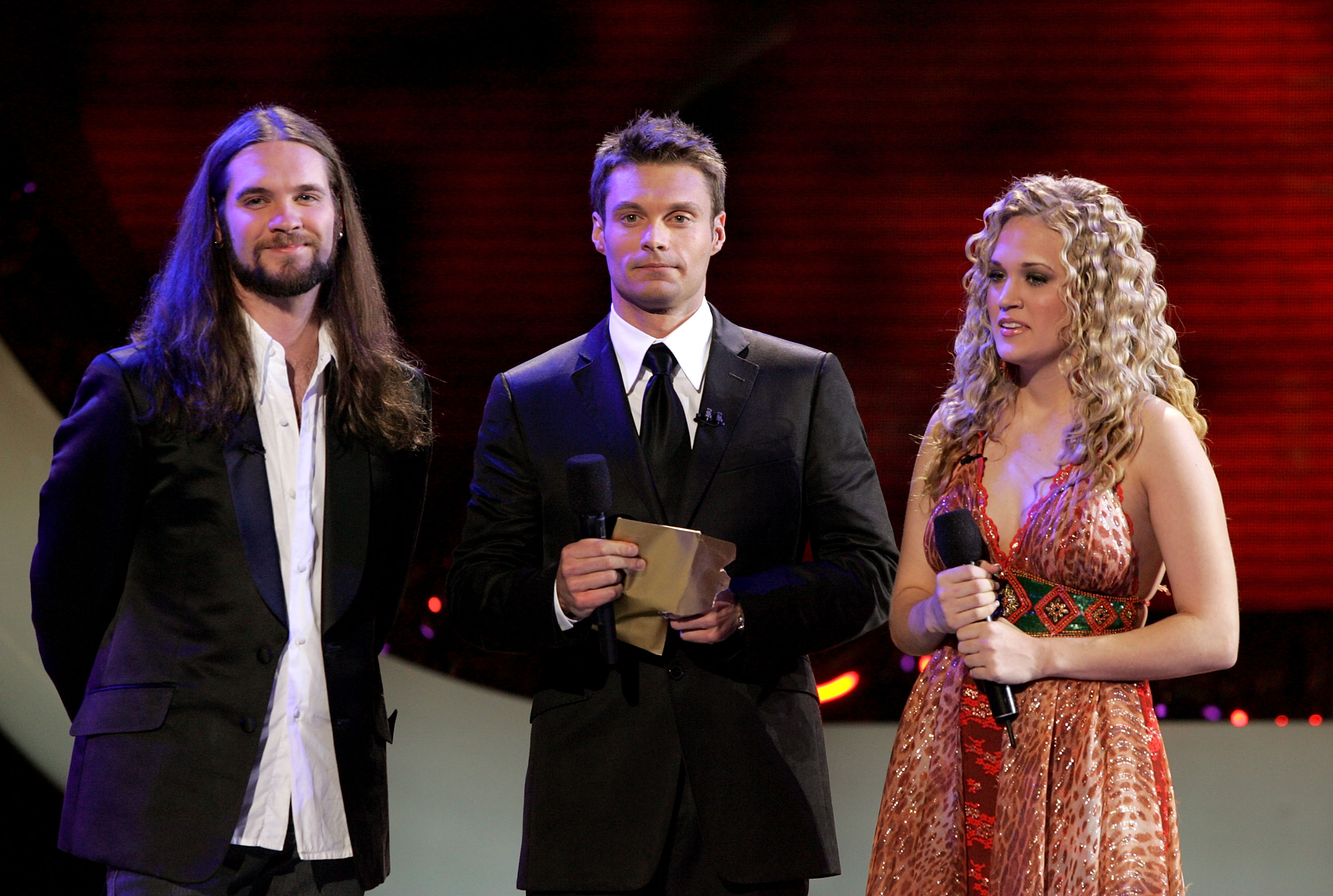
The list of American Idol runner-ups spans over two decades of television history, beginning with Justin Guarini in 2002 and continuing through the show's most recent seasons in 2026. While the title of "American Idol" comes with a recording contract and a crown, many second-place finishers, such as Adam Lambert, Katharine McPhee, and Clay Aiken, have achieved comparable or even superior commercial success and longevity in the entertainment industry.
The Evolution of the American Idol Runner-Up
Since its debut in 2002, American Idol has served as a cultural juggernaut, fundamentally changing how the music industry scouts talent. For many years, the "runner-up" position was viewed through the lens of the "runner-up curse"—a superstition suggesting that finishing second might actually be more beneficial for a career than winning. This theory posits that the winner is often tied to more rigid, immediate contractual obligations with the show’s affiliated labels, whereas the runner-up might enjoy more creative freedom or a faster path to alternative representation.
In the early Fox era, the gap between the winner and the runner-up was often razor-thin. Millions of votes separated icons like Ruben Studdard and Clay Aiken, or Kris Allen and Adam Lambert. As the show transitioned to ABC in 2018, the landscape shifted toward digital streaming and social media influence, where a runner-up’s "viral" moments often mattered more than the final vote count. In 2026, looking back at the full roster of second-place finishers reveals a diverse group of Broadway stars, country hitmakers, and international touring artists.
American Idol Runner-Ups List by Year (Season 1 to Season 24)
The following table provides a comprehensive chronological record of the artists who reached the finale but did not take home the top prize.
| Season | Year | Runner-Up | Winner | Primary Genre |
|---|---|---|---|---|
| 1 | 2002 | Justin Guarini | Kelly Clarkson | Pop / Jazz |
| 2 | 2003 | Clay Aiken | Ruben Studdard | Adult Contemporary |
| 3 | 2004 | Diana DeGarmo | Fantasia Barrino | Pop / Broadway |
| 4 | 2005 | Bo Bice | Carrie Underwood | Southern Rock |
| 5 | 2006 | Katharine McPhee | Taylor Hicks | Pop / R&B |
| 6 | 2007 | Blake Lewis | Jordin Sparks | Beatbox / Pop |
| 7 | 2008 | David Archuleta | David Cook | Pop |
| 8 | 2009 | Adam Lambert | Kris Allen | Glam Rock / Pop |
| 9 | 2010 | Crystal Bowersox | Lee DeWyze | Folk / Rock |
| 10 | 2011 | Lauren Alaina | Scotty McCreery | Country |
| 11 | 2012 | Jessica Sanchez | Phillip Phillips | R&B / Pop |
| 12 | 2013 | Kree Harrison | Candice Glover | Country |
| 13 | 2014 | Jena Irene | Caleb Johnson | Rock |
| 14 | 2015 | Clark Beckham | Nick Fradiani | Soul / Pop |
| 15 | 2016 | La'Porsha Renae | Trent Harmon | R&B / Soul |
| 16 | 2018 | Caleb Lee Hutchinson | Maddie Poppe | Country |
| 17 | 2019 | Alejandro Aranda | Laine Hardy | Indie / Acoustic |
| 18 | 2020 | Arthur Gunn | Just Sam | Folk / Reggae |
| 19 | 2021 | Willie Spence | Chayce Beckham | Gospel / R&B |
| 20 | 2022 | HunterGirl | Noah Thompson | Country |
| 21 | 2023 | Megan Danielle | Iam Tongi | Country / Christian |
| 22 | 2024 | Will Moseley | Abi Carter | Country / Rock |
| 23 | 2025 | Jack Blocker (Projected) | (TBA/Recent) | Americana |
| 24 | 2026 | TBA | TBA | Current Season |
Historical Deep Dive: The Successors to the Throne
The Early Pioneers (2002–2005)
The first few seasons established the runner-up as a viable superstar. Justin Guarini was the original foil to Kelly Clarkson. While their movie From Justin to Kelly was a critical failure, it cemented the idea that both finalists were celebrities. However, Clay Aiken (Season 2) became the gold standard for runner-up success. His debut album, Measure of a Man, went multi-platinum, and he eventually transitioned into a successful Broadway career and a political run.
In Season 4, Bo Bice brought "long-haired rock" to the mainstream Idol stage. Although he lost to country powerhouse Carrie Underwood, Bice is credited with breaking the "pop-only" mold of the competition, paving the way for future rockers like Chris Daughtry and Adam Lambert.
The Powerhouse Shift (2006–2010)
This era featured some of the most famous runner-ups in history. Katharine McPhee (Season 5) became a household name not just through music, but through her starring roles in the TV series Smash and the Broadway hit Waitress.
The most significant runner-up of this era—and perhaps the entire franchise—is Adam Lambert (Season 8). Despite his shocking loss to Kris Allen, Lambert’s career eclipsed almost every winner in the show’s history. His vocal range and stage presence led him to become the lead vocalist for Queen, touring the world and performing for millions, demonstrating that the "Idol" label was merely a stepping stone rather than a definition.
The Country and Soul Era (2011–2016)
As the show leaned more heavily into country music, artists like Lauren Alaina (Season 10) found massive success. Alaina has since become a member of the Grand Ole Opry and a consistent chart-topper on country radio. This period also highlighted vocal powerhouses like Jessica Sanchez and La'Porsha Renae, who, despite not winning, were heralded by judges as some of the best technical singers to ever grace the stage.
The ABC Revival (2018–2026)
When the show moved to ABC, the focus shifted toward "authentic" artistry and singer-songwriters. Alejandro Aranda (Season 17), performing under the name Scarypoolparty, changed the show's DNA by performing almost entirely original material. His second-place finish didn't hinder his ability to sell out headline tours and receive critical acclaim from indie music publications.
In the 2020s, runner-ups like HunterGirl and Will Moseley have leveraged the "Nashville pipeline" that American Idol perfected. By the time they reached the finale, they already had significant social media followings, allowing them to bypass traditional radio gatekeepers and move directly into touring and streaming success.
The "Runner-Up Curse" or the "Runner-Up Advantage"?
Industry analysts often debate whether finishing second is strategically superior to winning. There are several structural reasons why a runner-up might thrive:
- Contractual Flexibility: While the winner is traditionally signed to the show's immediate partner label (such as 19 Recordings or BMG), the runner-up's contract options can sometimes be negotiated more broadly if the primary label passes on their "option."
- The "Underdog" Narrative: Fans often feel a sense of "injustice" when their favorite doesn't win, leading to increased support, album purchases, and concert ticket sales in the immediate aftermath of the finale.
- Creative Identity: Many winners are rushed into recording a "winner's album" that fits a specific commercial mold. Runner-ups often have a few extra months to find their sound and collaborate with different producers.
Impact on the Music Industry
According to data from Billboard, American Idol finalists (both winners and runners-up) have accounted for hundreds of millions of record sales. The show’s ability to generate "instant" fame remains unparalleled, even in the age of TikTok and YouTube. For a runner-up, the show acts as a 15-week long commercial for their brand.
The technical depth of their training during the show—working with vocal coaches like Peisha McPhee and music directors like Rickey Minor—prepares them for the rigors of professional touring. This is why many runner-ups, such as Diana DeGarmo and Constantine Maroulis (though he was 6th, the runner-up logic applies), have found massive success in musical theater, where stamina and technical precision are required.
Frequently Asked Questions
Who is the most successful American Idol runner-up?
Adam Lambert is widely considered the most successful runner-up in terms of global reach and net worth. His partnership with the legendary band Queen has made him a fixture in the international music scene. Clay Aiken and Katharine McPhee also rank highly due to their multi-platinum sales and successful transitions into acting and Broadway.
Do American Idol runner-ups get a prize?
While they do not receive the guaranteed "winner's" recording contract (which often includes a large advance), most runner-ups are offered a recording deal by the show's affiliated label. Additionally, they earn performance fees for the duration of the season and often participate in the American Idol live tours, which provide significant income and exposure.
Has a runner-up ever won a Grammy?
While most Grammy wins have gone to winners like Kelly Clarkson and Carrie Underwood, runner-ups have received numerous nominations. For example, Adam Lambert was nominated for Best Male Pop Vocal Performance for "Whataya Want from Me." Many others have won American Music Awards, Billboard Music Awards, and CMT Awards.
How many American Idol runner-ups have been on Broadway?
A significant number of runner-ups have transitioned to the stage. This includes Justin Guarini (Wicked, Chicago), Clay Aiken (Spamalot), Diana DeGarmo (Hairspray), Katharine McPhee (Waitress), and Lauren Alaina (Rock of Ages). The "Idol" training in live performance and handling pressure makes them ideal candidates for the theater.
Why do some people say it’s better to come in second?
The "better to be second" theory stems from the idea of "creative control." Winners are often obligated to record a specific type of pop or country album chosen by the label to capitalize on the show's momentum. Runner-ups may have more leverage to negotiate their musical direction or sign with a label that better understands their specific niche, such as indie, rock, or gospel.
Final Recommendations for Fans and Aspiring Artists
For those following the careers of American Idol alumni in 2026, the best way to support a runner-up is through direct engagement. Following their verified profiles on streaming platforms and attending live shows are the most effective ways to ensure their longevity. For aspiring artists, the history of the runner-up list proves that the "win" happens during the season’s exposure, not necessarily when the confetti falls. The most successful finalists are those who use the platform to build a loyal "fandom" that follows them regardless of their final ranking.