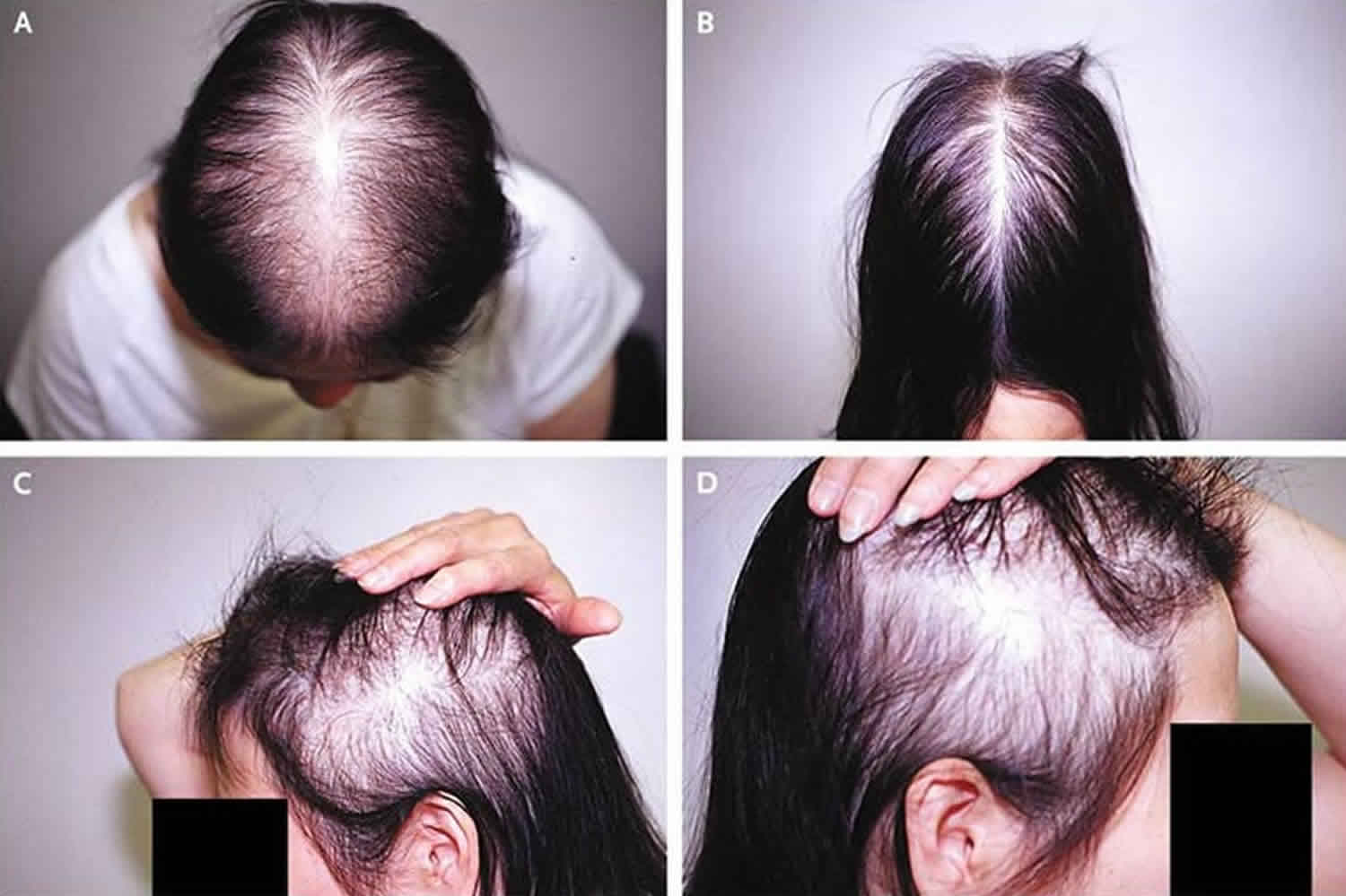
Hair loss following a course of antibiotics is typically a temporary condition known as Telogen Effluvium, triggered by the physiological stress of an underlying infection or the medication’s disruption of the gut microbiome and nutrient absorption. While distressing, this type of thinning is rarely permanent, and most individuals see full regrowth within six to nine months after the body stabilizes.
The relationship between antibiotics and hair health is multifaceted, involving immune system responses, metabolic changes, and the delicate balance of microorganisms living within the digestive tract. In 2026, dermatologists and trichologists increasingly recognize that the "antibiotic hair loss" phenomenon is often a "double whammy": the body reacts both to the severity of the infection that required the medication and the systemic impact of the drugs themselves. Understanding the biological mechanisms at play is the first step toward managing the condition and accelerating the recovery process.
The Biological Mechanism: Telogen Effluvium
The most common cause of hair loss associated with antibiotics is Telogen Effluvium (TE). To understand TE, one must first understand the natural hair growth cycle, which consists of three primary phases:
- Anagen Phase: The active growth phase, lasting two to seven years. Approximately 85% to 90% of the hair on a healthy scalp is in this phase at any given time.
- Catagen Phase: A short transition phase lasting about two to three weeks, where the hair follicle shrinks and detaches from the dermal papilla.
- Telogen Phase: The resting phase, lasting about three months. At the end of this phase, the old hair falls out, and a new hair begins to grow in the follicle.
When the body experiences significant stress—such as a high fever, severe bacterial infection, or the introduction of potent systemic medications—it may enter a "survival mode." In this state, the body redirects its metabolic energy away from non-essential functions like hair production toward vital organ support and immune defense. This physiological shift can prematurely push a large percentage of anagen (growing) hairs into the telogen (resting) phase.
Because the telogen phase lasts approximately 100 days, the resulting hair shed usually occurs two to four months after the inciting event. This delay often makes it difficult for patients to connect their hair thinning with a round of antibiotics taken months prior.
The Gut-Hair Axis: Microbiome Disruption
A significant development in 2026 hair loss research is the deepening understanding of the "gut-hair axis." Antibiotics are designed to kill harmful bacteria, but they are often non-selective, meaning they also eradicate beneficial bacteria (probiotics) in the gut. This disruption, known as dysbiosis, has direct consequences for hair health.
Synthesis of Essential B-Vitamins
Certain beneficial bacteria in the gut, such as Bifidobacterium and Lactobacillus, are responsible for synthesizing essential vitamins, most notably Biotin (Vitamin B7) and Vitamin B12. Biotin is a critical co-factor for the production of keratin, the primary protein that makes up the hair shaft. When a course of broad-spectrum antibiotics wipes out these bacterial colonies, the body’s internal production of Biotin can plummet. Even if your diet remains unchanged, the sudden drop in internally synthesized vitamins can weaken hair structures and contribute to shedding.
Nutrient Absorption and Inflammation
A healthy gut lining is essential for absorbing minerals like iron, zinc, and magnesium—all of which are vital for the hair follicle's highly active metabolic processes. Antibiotics can cause intestinal inflammation or alter the pH of the gut, hindering the absorption of these micronutrients. Furthermore, gut dysbiosis can trigger systemic inflammation. Hair follicles are highly sensitive to inflammatory markers; chronic low-grade inflammation can shorten the anagen phase and lead to miniaturization of the hair follicle over time.
Specific Antibiotics Linked to Hair Thinning
While any antibiotic that causes significant systemic stress or gut disruption can theoretically lead to hair loss, certain classes have been more frequently cited in clinical reports and patient data.
- Fluoroquinolones (e.g., Ciprofloxacin, Levofloxacin): These are potent antibiotics often used for respiratory or urinary tract infections. Some studies have suggested they may interfere with mitochondrial function in rapidly dividing cells, such as those in the hair bulb.
- Penicillins and Cephalosporins: While generally safe, severe allergic reactions or prolonged use of these drugs can trigger a systemic stress response sufficient to cause Telogen Effluvium.
- Sulfonamides (Sulfa Drugs): These medications have been historically linked to a higher incidence of skin and hair side effects compared to other antibiotic classes.
- Ethambutol and Isoniazid: Specifically used for long-term treatment of tuberculosis, these medications are well-documented triggers for diffuse hair thinning due to their long duration of use and impact on metabolic pathways.
It is important to note that the infection itself is often the primary culprit. A high fever (pyrexia) is one of the most potent triggers for Telogen Effluvium. If you were prescribed antibiotics for a severe flu, pneumonia, or a deep tissue infection accompanied by a fever over 101°F (38.3°C), the hair loss is more likely a result of the illness than the pill.
Distinguishing Antibiotic Hair Loss from Other Types
Because hair loss can be caused by genetics, hormones, or autoimmune issues, it is essential to identify if antibiotics are truly the cause. The following table compares the characteristics of antibiotic-induced Telogen Effluvium with other common forms of hair loss.
| Feature | Telogen Effluvium (Antibiotic-Related) | Androgenetic Alopecia (Pattern Balding) | Alopecia Areata (Autoimmune) |
|---|---|---|---|
| Onset | Sudden; 2–4 months after trigger. | Very gradual; occurs over years. | Sudden; can happen anytime. |
| Pattern | Diffuse thinning across the whole scalp. | Receding hairline or thinning at the crown. | Distinct, smooth circular patches. |
| Shedding Amount | High (clumps in the drain/brush). | Normal to slightly elevated. | Variable; often localized to patches. |
| Root Appearance | "Club hairs" (white bulb at the end). | Thinned, miniaturized shafts. | "Exclamation point" hairs. |
| Reversibility | Highly reversible/Temporary. | Progressive without treatment. | Unpredictable; can recur. |
Recovery and Management Strategies
If you are experiencing thinning following a course of antibiotics, the goal is to stabilize the body, restore the microbiome, and ensure the hair follicles have the nutrients they need to re-enter the anagen phase.
1. Microbiome Restoration
The priority should be re-establishing a healthy gut flora. Research published in the Journal of Clinical Gastroenterology emphasizes the role of fermented foods and targeted probiotics.
- Probiotics: Look for multi-strain supplements containing Lactobacillus acidophilus and Bifidobacterium infantis.
- Prebiotics: Consume fibers like chicory root, garlic, and onions to "feed" the good bacteria.
- Fermented Foods: Incorporate kefir, sauerkraut, or kimchi into your daily diet.
2. Nutritional Support
Since antibiotics can deplete B-vitamins and hinder mineral absorption, supplementation may be necessary for a three-to-six-month period.
- Biotin and B-Complex: Supports keratin infrastructure.
- Iron (Ferritin): Low iron is a leading cause of non-recovery in TE. Ensure your ferritin levels are at least 50–70 ng/mL for optimal regrowth.
- Vitamin D3: Acting more like a hormone, Vitamin D is crucial for "waking up" dormant follicles.
3. Scalp Environment and Gentleness
While the hair is shedding, the remaining strands may be more fragile.
- Avoid Harsh Chemicals: Skip high-heat styling, bleaching, or tight hairstyles (traction) that could add mechanical stress to already weakened follicles.
- Scalp Massage: Gentle massage can improve blood flow to the dermal papilla, though it will not stop the hairs already destined to fall out from shedding.
4. Professional Consultation
If shedding persists for more than six months (becoming Chronic Telogen Effluvium), it is vital to consult a dermatologist. They may perform a "pull test" or a scalp biopsy to rule out underlying conditions like thyroid dysfunction or early-stage female/male pattern hair loss that may have been unmasked by the antibiotic event.
Frequently Asked Questions
Can I stop taking antibiotics if I notice my hair falling out?
No. You should never stop a prescribed course of antibiotics without consulting your doctor. Stopping early can lead to antibiotic resistance and a return of the infection, which creates even more physiological stress and could worsen the hair loss. Since the shedding usually starts months after you begin the medication, stopping the drug mid-course will not prevent the hair from falling out.
How long does it take for hair to grow back after antibiotics?
Once the "shedding phase" ends—which typically lasts three to six months—you should begin to see "baby hairs" or "sprouts" along the hairline. Because hair only grows about half an inch per month, it may take six to twelve months for the volume to feel back to normal, depending on the length of your hair.
Does every antibiotic cause hair loss?
No. Hair loss is considered an infrequent side effect. Most people can take antibiotics without any noticeable change in hair density. The risk increases with the severity of the illness, the duration of the antibiotic course, and the individual's baseline nutritional status and stress levels.
Is antibiotic hair loss permanent?
In the vast majority of cases, it is not permanent. Telogen Effluvium is a functional change in the growth cycle, not a destruction of the hair follicle. As long as the follicles remain intact and the body recovers its nutritional balance, the hair will return.
Can probiotics prevent hair loss while taking antibiotics?
While there is no guarantee, taking a probiotic at least two hours apart from your antibiotic dose may help mitigate gut dysbiosis. This can preserve some level of vitamin synthesis and reduce systemic inflammation, potentially lessening the severity of the subsequent shed.
Next Actions for Recovery
If you believe you are suffering from antibiotic-induced hair loss, start by documenting the timeline of your illness and medication. Focus on a "gut-first" recovery approach by introducing high-quality fermented foods and a B-complex vitamin. Monitor your shedding levels for three months; if you do not see a reduction in the number of hairs lost daily or if you notice distinct bald patches, schedule an appointment with a board-certified dermatologist for a full blood panel and scalp evaluation.