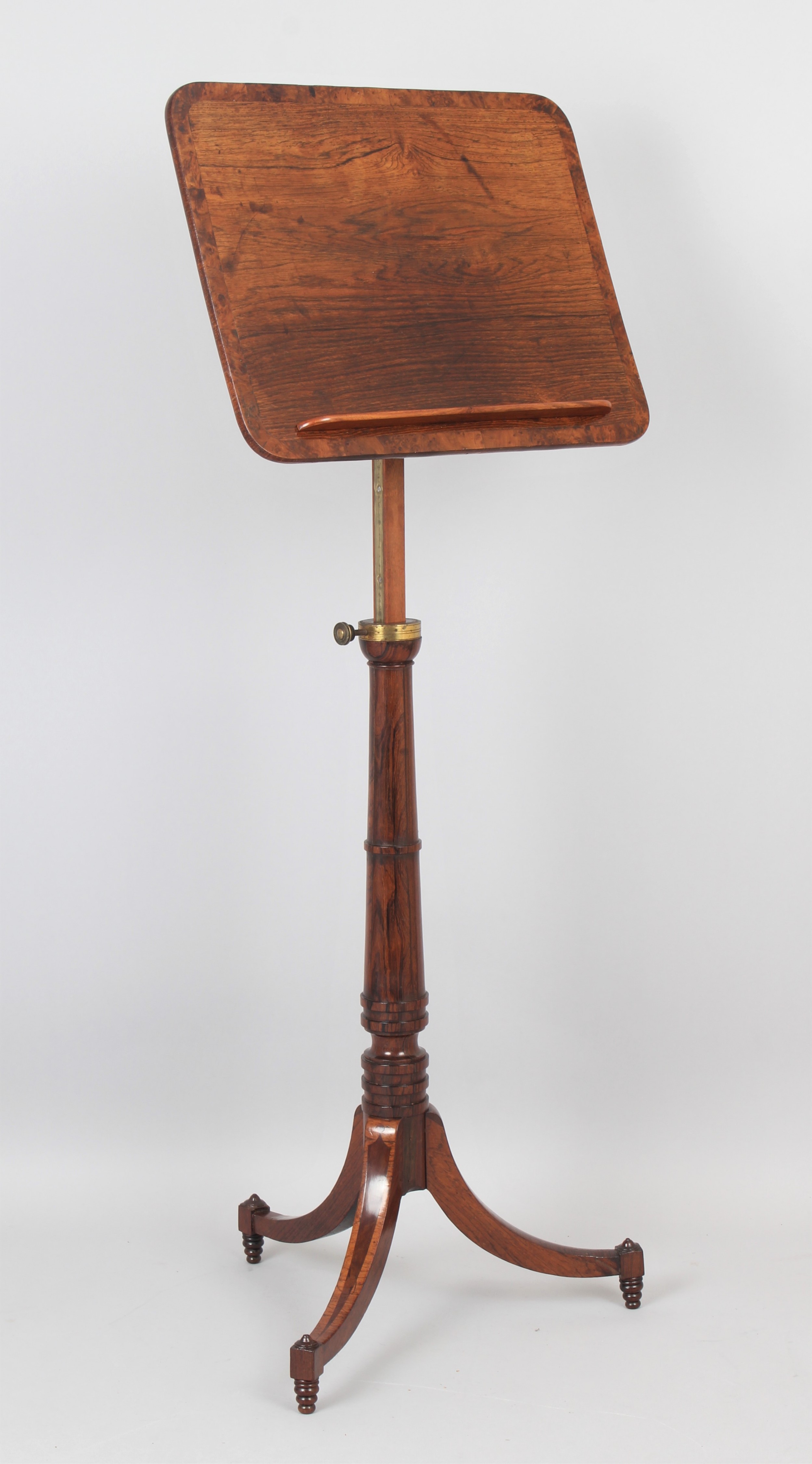
Reading, Berkshire, offers a diverse antique scene ranging from high-end boutiques in Caversham to bustling auction houses in the town centre. Whether you are a seasoned collector or a homeowner seeking sustainable decor, the town’s mix of traditional dealers and community fairs provides ample opportunity to discover unique historical pieces and rare collectibles.
As we navigate through 2026, the market for antiques in Reading has evolved significantly. The local scene is no longer just about "brown furniture" and dusty trinkets; it has become a vibrant intersection of sustainable living, investment-grade collecting, and interior design. The town's proximity to London and its position as a Berkshire hub make it a strategic location for both sourcing and selling high-quality items. This guide explores the essential locations, technical considerations for buyers, and the best practices for navigating the Reading antique market.
The Geography of Antiques in Reading
Understanding the layout of the local trade is the first step for any collector. Reading’s antique trade is largely concentrated in three distinct pockets: the affluent suburb of Caversham, the industrial-edged town centre, and the rural fringes that connect Reading to nearby antique hubs like Hungerford and Henley-on-Thames.
Caversham: The Boutique Experience
North of the River Thames, Caversham serves as the "upmarket" wing of Reading’s antique trade. Here, shops tend to focus on curated collections. You are more likely to find restored Georgian furniture, mid-century modern lighting, and fine jewelry. The dealers in this area often cater to interior designers and serious collectors who prioritize condition and provenance over bargain hunting.
Reading Town Centre and Great Knollys Street
The town centre houses more utilitarian and high-volume trade. The area around Great Knollys Street is historically significant due to the presence of the Reading Auction Centre. This location is the heartbeat of the local trade, where items from house clearances and estates are processed. It is the primary destination for those looking for "fresh-to-market" items before they are marked up by retail dealers.
The Rural Fringe and Nearby Hubs
While Reading has plenty to offer, its strength also lies in its connectivity. Just a short drive or train journey away are some of the UK’s most famous antique destinations. Serious buyers often use Reading as a base to visit the Hungerford Antiques Centre or the various high-end shops in Goring and Streatley. This regional synergy ensures that Reading remains a vital link in the Thames Valley antique supply chain.
Navigating the Reading Auction Scene
In 2026, the auction process remains the most transparent way to acquire antiques, though the digital integration of the last few years has changed the "room" dynamic. The Reading Auction Centre continues to be a staple for the local community.
How to Participate in Local Auctions
Buying at auction in Reading requires a blend of traditional inspection and digital speed. Most local auctions now operate on a "hybrid" model, where bidding happens simultaneously in the room and online via platforms like The Saleroom or EasyLiveAuction.
- Cataloguing and Pre-viewing: Always attend the viewing days, usually held 24 to 48 hours before the auction. In Reading’s warehouses, lighting can be deceptive. Bringing a high-powered torch to inspect the "undersides" of furniture or the "clarity" of glassware is a standard pro move.
- Understanding Buyer’s Premium: In 2026, the buyer’s premium in the Berkshire area typically ranges from 15% to 25% plus VAT. If you win a lot for £100, your final bill will likely be closer to £125 or £130.
- Condition Reports: If you cannot attend in person, request a digital condition report. Local auctioneers are generally honest about "scuffs," "nibbles" (small chips in glass), and "marriage" (where two different pieces of furniture have been joined together).
What to Look for in Reading Auctions
Due to the historical wealth of the Thames Valley, Reading auctions frequently feature high-quality Victorian mahogany, Edwardian silver, and 20th-century art. There is also a strong market for "Railwayana," reflecting Reading’s history as a major railway junction for the Great Western Railway.
Categorizing the Market: What’s Trending in 2026
The demand for specific types of antiques in Reading reflects broader national trends toward sustainability and "investment pieces."
Mid-Century Modern (MCM)
The appetite for 1950s, 60s, and 70s design has reached a plateau of permanent popularity. In Reading, dealers are increasingly sourcing G-Plan, Ercol (which was famously manufactured in nearby High Wycombe), and Danish teak furniture. The "Ercol" connection is particularly strong here, given the geographic proximity to the original factories, making Reading an excellent place to find authentic, locally-sourced pieces.
English Silver and Hallmarks
Reading has a long history of silver ownership. When evaluating silver in local shops, it is essential to understand the Birmingham and London assay marks, as most local silver was processed through these nearby offices. Buyers should look for clear hallmarks on the base or handles of items. Rubbed marks significantly decrease the investment value, even if the silver content remains high.
Studio Pottery and Berkshire Ceramics
There is a growing niche for local studio pottery. Collectors are looking for works by potters who operated in the Thames Valley area throughout the mid-20th century. These pieces are often found at lower price points in general antique shops because they require specialist knowledge to identify.
Comparative Table: Buying Venues in Reading
| Venue Type | Typical Inventory | Price Level | Expertise Required | Best For |
|---|---|---|---|---|
| Auction Houses | Raw estate clearances, furniture, mixed lots | Low to Mid | High | Bargains and "diamonds in the rough" |
| Boutique Shops (Caversham) | Curated furniture, fine art, jewelry | High | Low | Quality assurance and interior design |
| Charity/Vintage Shops | 20th-century glass, books, "shabby chic" | Very Low | Mid | Casual hobbyists and upcyclers |
| Regional Fairs | Specialized collections, coins, stamps, postcards | Mid | High | Specific niche collectors |
Technical Verification: Avoiding Common Pitfalls
Buying antiques in Reading, or anywhere else, requires a critical eye. In 2026, the "fakes" market has become more sophisticated, particularly with the rise of "aged" reproductions from overseas.
Identifying "Marriage" in Furniture
A common issue in the Reading market is the "marriage." This occurs when the top of one chest of drawers is placed onto the bottom of another. To detect this, examine the wood grain (it should flow naturally across joins) and the wear patterns on the backboards. If the back of the top section looks significantly newer or older than the bottom, it is likely a marriage.
Checking for Restoration
While restoration is often necessary, excessive restoration can kill the value of a piece. In the case of ceramics, use a "clink test" (tapping the piece gently with a fingernail) or a UV light. A dull thud instead of a sharp ring often indicates a hidden crack or a professional resin repair. In 2026, many dealers use high-quality polymers for repairs that are invisible to the naked eye but glow under UV light.
Provenance and Paperwork
For items over £500, always ask for provenance. While a full "history of owners" is rare for smaller items, any documentation—original receipts, exhibition labels, or previous auction records—adds significant value. In Reading, many items come from large estates in the Berkshire countryside; knowing which estate an item originated from can sometimes double its value at resale.
Restoration Services in the Reading Area
Part of the antique ecosystem in Reading is the network of craftsmen who preserve these items. If you find a "project piece" at an auction, the town offers several specialized services.
- Furniture Restoration: There are several independent French polishers and cabinet makers operating in the industrial units around the Oxford Road and in nearby Tilehurst. They specialize in heat-stain removal and structural repairs.
- Horological Services: For antique clocks and watches, the Reading area has long-standing specialists who can handle everything from 18th-century longcase clocks to vintage Omega watches.
- Upholstery: Given the trend for Mid-Century Modern furniture, traditional upholstery services in Reading are in high demand. It is recommended to use "traditional" upholsterers who use horsehair and springs rather than modern foam if you are restoring a high-value antique chair.
The Role of Sustainability in the 2026 Market
The antique trade in Reading has seen a resurgence driven by environmental concerns. Buying a Victorian chest of drawers is no longer just an aesthetic choice; it is a carbon-neutral one. Most antiques found in local shops have already lasted 100 years and, with minimal care, will last another 100. This "circular economy" has brought a younger demographic into Reading’s antique shops, looking for sturdy alternatives to "fast furniture."
Frequently Asked Questions
Where is the best place to sell antiques in Reading?
The best place to sell depends on the item's value. For high-volume or lower-value items, the Reading Auction Centre is efficient. For high-value, specialized items like fine jewelry or rare art, contacting a specialized dealer in Caversham or an international auction house with a regional representative in Berkshire is advised to ensure you reach the right audience.
Are there any regular antique fairs in Reading?
Yes, while large-scale "stadium" fairs are usually located further afield (such as Ardingly or Newbury), Reading hosts several smaller, high-quality community fairs. These are often held in church halls or community centres in areas like Tilehurst and Caversham. Additionally, the monthly markets in the town centre often feature dedicated vintage and antique stalls.
How do I know if a "vintage" item is actually an antique?
Technically, an "antique" is defined as being at least 100 years old. "Vintage" generally refers to items that are at least 20 years old but haven't yet hit the century mark. In 2026, many people use the terms interchangeably, but for valuation purposes, the 100-year rule is the standard used by HMRC and professional appraisers.
Can I get an antique valued for insurance in Reading?
Most established dealers in the Reading area offer valuation services for a fee. It is important to distinguish between a "probate valuation" (what it would sell for quickly), a "market valuation" (what you could expect to get in a shop), and an "insurance valuation" (the cost to replace it with a similar item). Ensure your valuer is a member of a recognized body, such as the Royal Institution of Chartered Surveyors (RICS) or the Society of Fine Art Auctioneers (SOFAA).
What should I bring when hunting for antiques in Reading?
A "kit" for a serious day of antique hunting should include a measuring tape (to ensure the item fits your space), a magnifying loupe (for checking hallmarks and jewelry settings), a small torch (for inspecting dark corners of furniture), and hand sanitizer (for after rummaging through boxes).
Next Steps for Prospective Buyers
If you are looking to start your journey into the world of antiques in Reading, the best first step is to visit a local auction viewing day. It is a no-pressure environment where you can handle items, ask questions of the porters, and get a feel for current market prices. Once you have a sense of what appeals to you—be it the clean lines of 20th-century glass or the heavy presence of Edwardian oak—you can begin visiting the specialized shops in Caversham and the surrounding villages to find pieces that have been professionally vetted and restored.
Always remember that the best antique is one you love living with. While investment value is a factor, the primary joy of collecting in a historic town like Reading is the connection to the past and the thrill of the hunt.