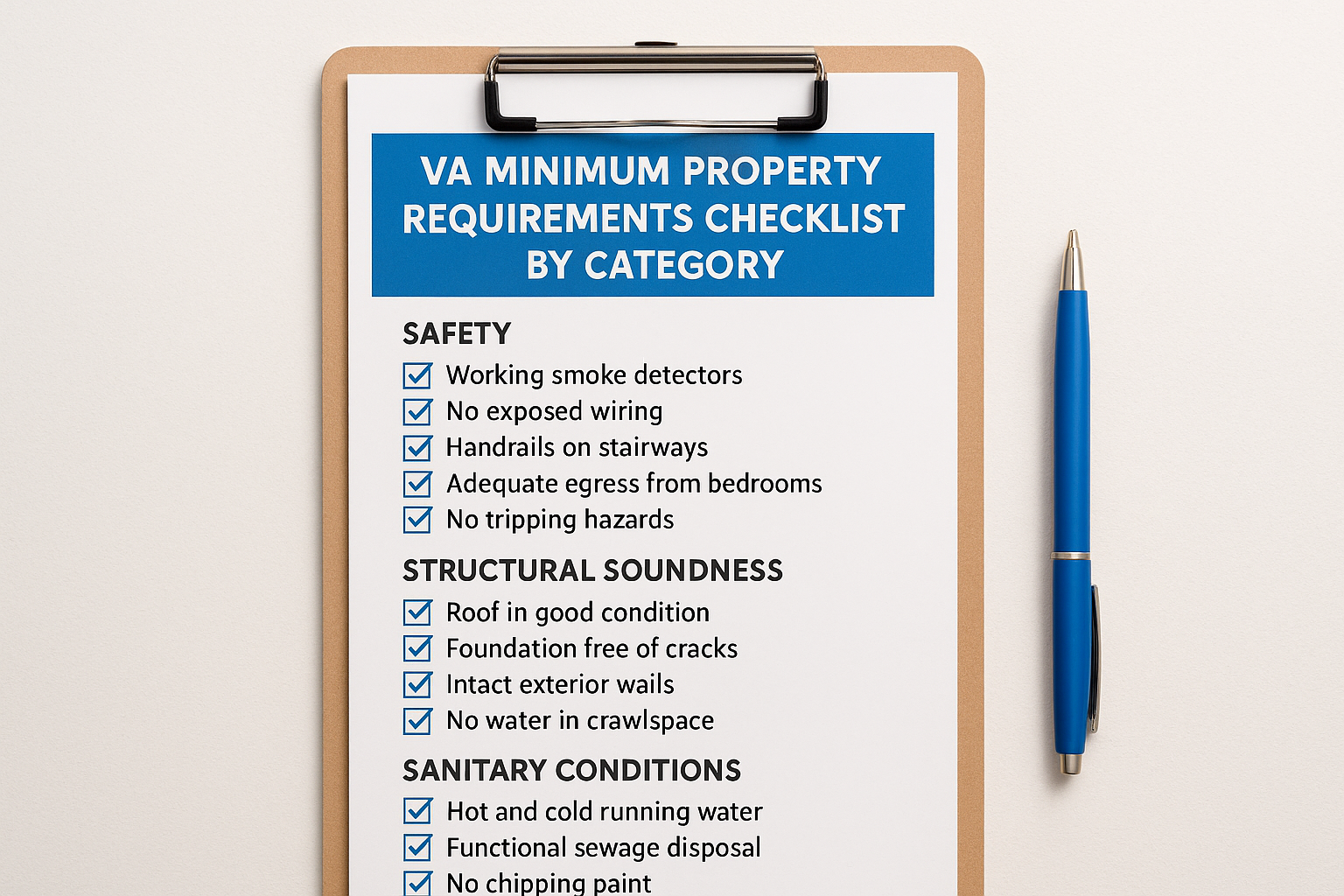
In Virginia, vehicles registered with antique license plates are exempt from the annual state safety inspection and emissions testing. However, this exemption is strictly contingent upon the vehicle being used for limited purposes, such as parades, club activities, or occasional pleasure driving within 250 miles of the owner's residence.
Navigating the intersection of classic car ownership and state law in the Commonwealth requires a clear understanding of how the Virginia Department of Motor Vehicles (DMV) and the Virginia State Police categorize older vehicles. As of 2026, many vehicles from the early 2000s—specifically those manufactured in 2001 or earlier—now qualify for antique status. However, the decision to register a vehicle as an antique involves a significant trade-off between the convenience of skipping the inspection line and the freedom to use the vehicle as a primary means of transportation.
Understanding the "Antique" Classification in Virginia
In Virginia, a vehicle is legally considered an "antique" for registration purposes if it is at least 25 years old from the current calendar year. In 2026, this applies to any vehicle manufactured in 2001 or before. However, the age of the vehicle is only the first hurdle. The state differentiates between a vehicle that is merely "old" and one that is registered as a "historical piece."
If you own a 1995 truck that you use for daily commuting, hauling gravel, or driving to work, you cannot legally benefit from the antique inspection exemption. To qualify for the exemption, the vehicle must be registered with specific antique license plates or vintage plates (original plates from the year the vehicle was manufactured). By choosing this registration, the owner certifies that the vehicle will not be used for general, daily transportation.
The Trade-off: Inspection Exemption vs. Usage Limits
The exemption from the annual safety inspection under Virginia Code § 46.2-1157 is a privilege granted to collectors. The logic used by the Virginia General Assembly is that historical vehicles are typically maintained with high care and driven infrequently, posing a lower risk to public road safety than a daily-driven vehicle.
However, the usage restrictions are stringent. If you register your vehicle as an antique, you are legally restricted to:
- Participation in antique car club activities, exhibits, and parades.
- Testing the vehicle's operation.
- Obtaining repairs or maintenance.
- Occasional pleasure driving within 250 miles of your residence.
Specifically, the law prohibits using an antique-registered vehicle for commuting to work or school, or for any commercial purposes. If a law enforcement officer determines you are using an antique vehicle for daily errands or commuting, you may be cited, and the DMV can revoke your antique registration privileges.
Safety Inspection Requirements for Different Registration Types
Many owners of classic cars choose to maintain standard registration to avoid the 250-mile radius limit or the prohibition on commuting. It is vital to understand how your choice of registration dictates your inspection requirements.
Antique Plates and Vintage Plates
Vehicles registered with antique plates (the yellow and black plates) or permanent vintage plates are fully exempt from the Commonwealth’s annual safety inspection. There is no requirement to display an inspection sticker on the windshield. Furthermore, these vehicles are exempt from emissions inspections, regardless of whether the owner resides in a locality that normally requires them (such as Northern Virginia).
Standard Registration for Older Vehicles
If you own a vehicle that is 25 years or older but you wish to drive it without mileage or usage restrictions, you must register it with standard passenger plates. In this scenario, the vehicle must pass the annual Virginia State Safety Inspection.
During this inspection, the vehicle is held to the safety standards that were in effect at the time the vehicle was manufactured. For example, a 1960 model car is not required to have third-point seatbelts or side-impact airbags if it was not originally equipped with them. However, all original equipment—such as brakes, lights, and wipers—must be in functional condition.
| Registration Type | Inspection Required? | Emissions Required? | Usage Restrictions? | License Plate Fee |
|---|---|---|---|---|
| Antique Plates | No | No | Yes (No commuting, 250-mile limit) | One-time fee ($50) |
| Vintage Plates | No | No | Yes (No commuting, 250-mile limit) | One-time fee ($50) |
| Standard Plates | Yes (Annual) | No (if 25+ years old) | No | Annual/Bi-annual |
Technical Safety Standards: The "Exempt" Does Not Mean "Unsafe"
A common misconception among classic car enthusiasts is that an "inspection exemption" is a license to operate an unsafe vehicle. Under Virginia Code § 46.2-730, owners of antique vehicles still have a legal obligation to ensure their vehicles meet the basic equipment requirements for the year they were manufactured.
Braking Systems
Antique vehicles must have a braking system in good working order. For vehicles from the early 20th century, this may mean mechanical cable brakes; for later models, it means hydraulic systems. While the state police won't pull you over for a yearly check, in the event of an accident, an investigation that reveals non-functional brakes can lead to severe liability and the nullification of insurance claims.
Lighting and Signals
Virginia law requires that any vehicle operated on the highway must have functional lighting. If your antique vehicle was manufactured with headlights and taillights, they must work if you are driving at night.
- Turn Signals: Vehicles manufactured after January 1, 1955, must be equipped with electrical turn signals. If your car is older than 1955 and does not have signals, you are required to use hand signals for all turns and stops.
- Headlights: Must be aimed correctly to avoid blinding oncoming traffic, even if they are older sealed-beam or carbide lamps.
Tires and Suspension
The "250-mile pleasure driving" rule assumes the vehicle is roadworthy. Tires must have a minimum tread depth (usually 2/32 of an inch) and be free of dry rot. Given that many antique cars sit in garages for long periods, dry rot is a frequent safety hazard that owners must self-monitor.
The Process of Applying for Antique Status in 2026
To move a vehicle into the antique category and bypass the inspection requirements, you must complete the VSA 10 (Certification of Antique Vehicle) form. When filing this with the DMV, you must certify two critical things:
- The vehicle is a model year at least 25 years old.
- You own or have regular use of another "standard" vehicle for your daily transportation.
The second requirement is a safeguard used by the DMV to prevent people from using an antique car as their only vehicle to avoid inspection fees and taxes. You must provide the insurance information and registration details of your primary vehicle during the application process.
Using Vintage Plates
Virginia allows owners to use "authentic" plates from the year the vehicle was manufactured (e.g., using original 1965 Virginia plates on a 1965 Mustang). To do this, the plates must be embossed with the correct year, and they must be legible. You still register these through the DMV as antique plates, which grants you the inspection exemption, but you must carry the modern registration card that links those vintage plates to your vehicle.
Emissions Exemptions in Northern Virginia
For residents of Arlington, Fairfax, Loudoun, Prince William, and Stafford counties, as well as the cities of Alexandria, Fairfax, Falls Church, Manassas, and Manassas Park, emissions inspections are a standard headache.
However, the law provides a clear "25-year rule" for emissions. Any vehicle that is 25 years old or older is automatically exempt from emissions testing in Virginia, regardless of whether it has antique plates or standard plates. This means that in 2026, a 2001 BMW 3-Series registered with standard plates would still need a safety inspection sticker but would no longer require an emissions test.
Insurance Considerations for "Inspection-Exempt" Vehicles
While the state may not require a safety sticker, your insurance provider might have its own set of rules. Specialty "Collector Car" insurance companies (such as Hagerty or Grundy) often offer lower premiums because they know the vehicle is not a daily driver.
However, these insurers often require:
- Proof that the vehicle is stored in a fully enclosed, locked garage.
- A clean driving record for all household members.
- Periodic photos of the vehicle to verify its condition.
- Confirmation that the vehicle is not used for "backup" transportation.
If you are involved in an accident and your vehicle is found to be mechanically unsound due to a lack of maintenance (even if it was inspection-exempt), the insurance company may dispute the claim. Maintaining a personal "self-inspection" checklist—mirroring the official Virginia State Police Safety Manual—is highly recommended for any antique owner.
Common Pitfalls and Enforcement
The Virginia State Police and local law enforcement are aware of "antique plate abuse." In recent years, there has been an increase in drivers using older SUVs and trucks with antique plates to avoid the costs of repairs needed to pass a safety inspection.
What happens if you are caught?
If an officer observes an antique-plated vehicle in a location that suggests daily use (such as a school parking lot at 8:00 AM every day or a grocery store far from the 250-mile home radius), they may initiate a stop.
- Fines: You can be fined for improper use of registration.
- Registration Revocation: The DMV can strip the vehicle of its antique status, forcing you to register it as a standard vehicle.
- Back Taxes and Fees: You may be required to pay the standard annual registration fees and provide proof of a passed safety inspection within a set timeframe.
Frequently Asked Questions
1. Can I drive my antique car to a gas station or a mechanic?
Yes. Virginia law explicitly allows for the operation of antique vehicles for "obtaining repairs or maintenance." This includes trips to the mechanic, upholstery shops, or gas stations. These trips do not count against your "pleasure driving" but should still be reasonable in distance.
2. If my car is from 1950 and didn't have seatbelts, do I have to install them?
No. Virginia does not require you to retrofit safety equipment that was not original to the vehicle. If the car was manufactured and sold without seatbelts, it is legal to operate it without them under an antique registration. However, for modern safety, many owners choose to add them using reinforced mounting points.
3. I just bought a car from 1990. Can I get antique plates in 2026?
Yes. Since the car is 36 years old in 2026, it far exceeds the 25-year requirement. You can apply for antique plates and receive the inspection exemption immediately upon registration, provided you meet the other requirements (having a primary daily driver).
4. Is there a mileage limit on how much I can drive per year?
Virginia law does not set a specific annual odometer limit (e.g., 5,000 miles per year). Instead, it limits the type of driving. You can drive 10,000 miles a year if it’s all for club events and parades, but you cannot drive 10 miles a week if those 10 miles are your commute to an office.
5. Do I need a front license plate on an antique car?
If the DMV issues you two antique plates, you must display both. However, if you are using vintage "year-of-manufacture" plates and only possess one original plate, you may be able to register it as a single plate if you follow specific DMV procedures for "one-plate" vintage registration, which is typically reserved for vehicles where the manufacturer did not provide a display space for a front plate.
Final Recommendations for Owners
If your vehicle is a true hobby car, registering it as an antique in Virginia is a wise choice. It saves the annual $20-$30 inspection fee and the time spent at an inspection station. However, for those with "modern classics" from the late 1990s or early 2000s that are still reliable enough for chores or commuting, standard registration is the safer legal path.
To ensure your antique vehicle remains road-legal and safe in 2026:
- Perform a Seasonal Check: Every spring, check your brake fluid levels, tire pressures, and all exterior bulbs.
- Keep Documentation: Keep a copy of your VSA 10 form and your primary vehicle's registration in the glovebox to show an officer if questioned about your antique status.
- Respect the Radius: If planning a long-distance trip over 250 miles for a show, keep a copy of the event flyer as proof of "club activity" to stay within the legal usage limits.