Antibiotics are effective only for treating sore throats caused by bacterial infections, most commonly group A streptococcus (strep throat). First-line treatments typically include penicillin or amoxicillin due to their proven efficacy, narrow spectrum, and safety profile. These medications work by inhibiting bacterial cell wall synthesis, effectively neutralizing the infection.
Understanding the Role of Antibiotics in Throat Health
A sore throat, or pharyngitis, is one of the most common reasons for outpatient medical visits. However, determining whether a sore throat requires antibiotics is the most critical step in the treatment process. In the medical landscape of 2026, healthcare providers continue to emphasize that the vast majority of sore throats—approximately 70% to 90% in adults and 70% in children—are caused by viruses.
Antibiotics are pharmacological agents designed specifically to kill or inhibit the growth of bacteria. They have no effect on viruses, such as those that cause the common cold, influenza, or COVID-19. Using antibiotics for a viral infection not only fails to cure the illness but also exposes the patient to unnecessary side effects and contributes to the global crisis of antibiotic resistance. Therefore, the primary prerequisite for receiving an antibiotic for a sore throat is a confirmed or highly suspected bacterial diagnosis.
Identifying Bacterial vs. Viral Infections
To ensure appropriate antibiotic use, clinicians rely on specific diagnostic frameworks. The most recognized of these is the Centor Criteria, which helps estimate the probability of a bacterial infection. The criteria include:
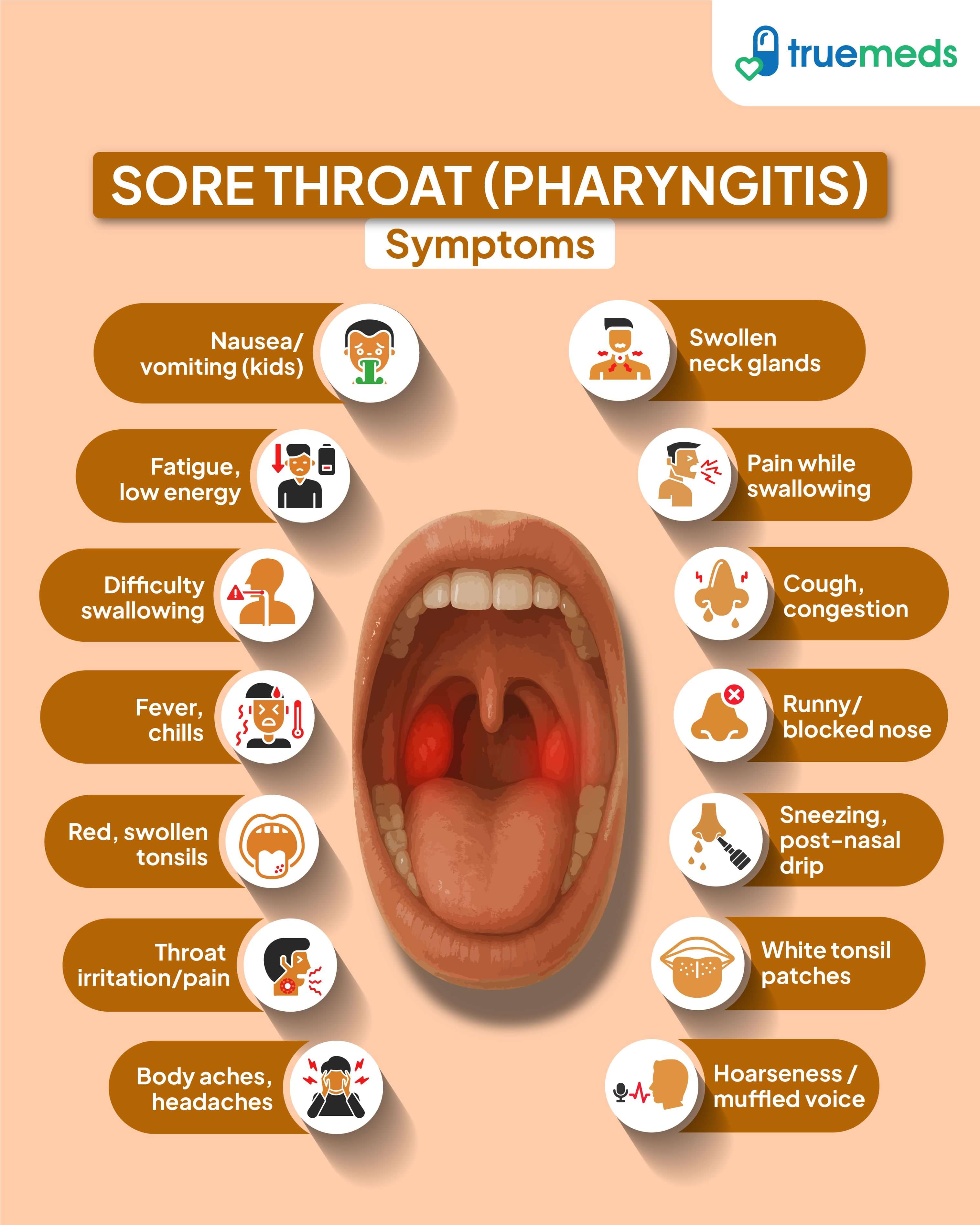
- Absence of Cough: Viral infections typically involve the respiratory tract, leading to coughing, sneezing, and runny noses. A "pure" sore throat without a cough is more likely to be bacterial.
- Swollen, Tender Anterior Cervical Lymph Nodes: Bacteria often trigger a strong immune response in the lymph nodes located in the front of the neck.
- Fever: A temperature exceeding 100.4°F (38°C) is a common indicator of an active bacterial invasion.
- Tonsillar Exudate or Swelling: The presence of white patches (pus) on the tonsils is a classic sign of strep throat.
In 2026, the standard of care remains the Rapid Antigen Detection Test (RADT), often followed by a throat culture if the rapid test is negative in children. A throat culture involves swabbing the back of the throat and tonsils to see if Streptococcus pyogenes grows in a laboratory setting over 24 to 48 hours.
Primary Antibiotics for Bacterial Sore Throats
When a bacterial infection is confirmed, several classes of antibiotics are available. The choice depends on the patient's age, weight, allergy history, and the specific strain of bacteria involved.
Penicillin and Amoxicillin
Penicillin remains the "gold standard" for treating Group A Strep (GAS). It is highly effective, has a narrow spectrum (meaning it targets specific bacteria without wiping out all beneficial gut flora), and is generally inexpensive.
Amoxicillin is often preferred over penicillin V (the oral form) for children because the suspension tastes better and it is absorbed more effectively in the gastrointestinal tract. Amoxicillin works by binding to penicillin-binding proteins within the bacterial cell wall, causing the cell to burst and die.
Cephalosporins
For patients who have a non-anaphylactic (mild) allergy to penicillin, cephalosporins are a frequent second-line choice. These are broad-spectrum antibiotics that are grouped into "generations."
- First-generation cephalosporins (such as Cephalexin) are highly effective against the skin and throat bacteria associated with pharyngitis.
- Second-generation options (such as Cefuroxime) may be used in more complex or recurrent cases.
Macrolides
In cases where a patient has a severe, immediate hypersensitivity to penicillin (anaphylaxis), macrolides like Azithromycin or Clarithromycin are utilized. These drugs work differently; instead of attacking the cell wall, they inhibit the bacteria's ability to produce protein, which stops them from reproducing. However, in 2026, medical professionals monitor macrolide use closely because some strains of strep have developed resistance to this class of medication.
Antibiotic Comparison for Strep Throat Treatment
The following table outlines the standard antibiotic options used in clinical practice for confirmed bacterial pharyngitis.
| Antibiotic Class | Common Examples | Primary Use Case | Standard Duration |
|---|---|---|---|
| Natural Penicillins | Penicillin V Potassium | First-line treatment for adults | 10 Days |
| Aminopenicillins | Amoxicillin | First-line treatment for children | 10 Days |
| 1st Gen Cephalosporins | Cephalexin (Keflex) | Patients with mild penicillin allergy | 10 Days |
| Macrolides | Azithromycin (Z-Pak) | Patients with severe penicillin allergy | 3 to 5 Days |
| Lincosamides | Clindamycin | Recurrent infections or severe allergy | 10 Days |
The Importance of Full Course Completion
One of the most critical aspects of antibiotic therapy is adherence to the prescribed schedule. Patients often begin to feel significantly better within 24 to 48 hours of the first dose as the bacterial load decreases. This improvement can lead to the "compliance trap," where a patient stops taking the medication early.
Stopping antibiotics prematurely is dangerous for two main reasons:
- Recurrence: The strongest bacteria may survive the initial doses. If treatment stops, these survivors can multiply, leading to a return of the infection that may be harder to treat.
- Antibiotic Resistance: Exposing bacteria to a non-lethal dose of antibiotics allows them to adapt and develop defense mechanisms. This contributes to the rise of "superbugs" that are resistant to standard treatments.
Furthermore, in the case of Group A Strep, completing the full course is essential to prevent rare but serious complications, such as Acute Rheumatic Fever (which can damage heart valves) and Post-Streptococcal Glomerulonephritis (a kidney disease).
Side Effects and Risk Management
While antibiotics are life-saving medications, they are not without risks. Common side effects across most classes include:
- Gastrointestinal Distress: Nausea, vomiting, and diarrhea are common because antibiotics can disrupt the natural balance of bacteria in the gut.
- Secondary Infections: By reducing the population of "good" bacteria, antibiotics can allow opportunistic infections like oral thrush or vaginal yeast infections to flourish.
- Allergic Reactions: These range from mild skin rashes and hives to life-threatening anaphylaxis, characterized by swelling of the throat and difficulty breathing.
If a patient develops a rash or significant diarrhea (which could indicate a C. difficile infection), they should contact their healthcare provider immediately. To mitigate gut-related side effects, many clinicians in 2026 recommend taking a probiotic supplement or consuming fermented foods like yogurt several hours after the antibiotic dose.
Supportive Care and Viral Management
Since most sore throats are viral, management often focuses on symptom relief rather than eradication of a pathogen. Even when taking antibiotics for a bacterial infection, these supportive measures are highly recommended:
- Hydration: Drinking plenty of fluids keeps the throat moist and prevents dehydration, especially if a fever is present.
- Pain Relief: Over-the-counter medications like Ibuprofen or Acetaminophen are effective at reducing both throat pain and fever.
- Gargling: A warm salt-water gargle can help reduce swelling and loosen mucus.
- Rest: Providing the body with the energy it needs to mount an immune response is vital for recovery.
The Cost and Accessibility of Treatment in 2026
In 2026, the cost of treating a sore throat remains relatively low, particularly with the widespread availability of generic antibiotics. Most insurance plans, including Medicare and Medicaid, cover the full cost of penicillin and amoxicillin after a standard copay. For those without insurance, retail clinics and tele-health services provide accessible diagnostic testing and prescriptions, often ranging from $50 to $150 for the consultation and medication combined.
The rise of point-of-care testing in pharmacies has also streamlined access. In many jurisdictions, pharmacists can now perform a rapid strep test and prescribe the necessary antibiotics under a standing protocol, reducing the burden on primary care emergency rooms.
Frequently Asked Questions
Can I use leftover antibiotics from a previous infection for a sore throat?
No. You should never use leftover antibiotics. First, a sore throat may be viral, making the antibiotic useless. Second, the specific antibiotic you have may not be the correct type for the bacteria causing the current infection. Third, using an incomplete course contributes to antibiotic resistance. A fresh diagnosis and prescription are required for every new illness.
How long does it take for antibiotics to start working?
Most patients begin to feel improvement within 24 to 48 hours after starting a course of antibiotics for strep throat. If symptoms do not improve or if they worsen after three days of treatment, you should contact your doctor to ensure the diagnosis is correct or to check for a resistant strain of bacteria.
Are there any foods I should avoid while taking antibiotics?
While specific interactions vary by drug, it is generally advised to avoid excessive dairy products immediately before or after taking certain antibiotics like tetracyclines (though these are rarely used for strep). For penicillin and amoxicillin, food generally does not interfere with absorption, but avoiding highly acidic foods can help if you are experiencing stomach upset as a side effect.
What happens if I am allergic to both penicillin and cephalosporins?
If you have a confirmed allergy to both classes, your healthcare provider will likely prescribe a macrolide (like Azithromycin) or Clindamycin. These medications use different chemical structures to target bacteria, making them safe for those with penicillin-group allergies.
Does a sore throat with a runny nose require antibiotics?
Usually, no. The presence of "cold symptoms" like a runny nose, congestion, and a cough strongly suggests a viral infection. Antibiotics are not effective against these viruses. However, if symptoms persist for more than 10 days or become severe, a secondary bacterial infection may have developed, requiring a medical evaluation.
Recommendation for Next Actions
If you are currently experiencing a severe sore throat accompanied by a high fever and swollen glands, your first action should be to schedule a Rapid Strep Test. Avoid self-diagnosing or using "natural" remedies as a substitute for a medical evaluation if a bacterial infection is suspected. Once prescribed an antibiotic, set a daily reminder to ensure you complete the entire course, even after your symptoms vanish. For more information on antibiotic safety and resistance, refer to official resources provided by the Centers for Disease Control and Prevention (CDC) or the World Health Organization (WHO).