An example of discretionary spending is any purchase made for "wants" rather than "needs," such as dining at a restaurant, purchasing a new gaming console, or booking a vacation. While mandatory expenses like rent or insurance are fixed, discretionary spending is the flexible portion of your budget used for non-essential goods and services.
Defining Discretionary Spending in the Modern Economy
To understand discretionary spending, one must first distinguish between disposable income and discretionary income. In 2026, as the cost of digital living continues to evolve, these definitions remain the bedrock of personal finance. Disposable income is the amount of money you have left after paying personal taxes. However, that money is not all yours to "play" with; you must first satisfy your primary obligations, such as housing, utilities, basic groceries, and healthcare.
Discretionary spending represents the final layer of your financial output. It is the money spent on items that you could technically live without, even if they significantly enhance your quality of life. In economic terms, these are often referred to as "luxury goods" or "superior goods," where demand increases as income rises. From a psychological perspective, this spending often provides immediate gratification, whether it is a morning latte, a premium subscription service, or a high-end fashion accessory.
Managing this category is the most critical aspect of financial planning. Because these expenses are not contractual or survival-based, they are the first to be reduced or eliminated during a financial crisis or a shift in personal goals, such as saving for a home or retirement. Understanding the nuances of what constitutes a "want" versus a "need" is the first step toward achieving long-term fiscal health.
Primary Examples of Discretionary Spending
In 2026, the landscape of discretionary spending has shifted toward experiences and digital services, though physical goods remain a significant component. To get a clear picture of where this money goes, it is helpful to categorize these expenses into several distinct buckets.
1. Dining and Entertainment
This is perhaps the most common category of discretionary spending. While humans need food to survive, they do not need to eat at a Michelin-star restaurant or order premium delivery. Discretionary food spending includes:
- Restaurants and Cafes: Any meal prepared by others where a markup is paid for service and convenience.
- Nightlife and Socializing: Spending at bars, clubs, or social lounges.
- Event Tickets: Purchases for concerts, sporting events, cinema screenings, or theater performances.
- Leisure Activities: Bowling, escape rooms, or visiting theme parks.
2. Travel and Tourism
Unless travel is required for work or emergency family matters, it is almost entirely discretionary. This includes the cost of airfare, hotel stays, cruises, and local sightseeing. Even if a trip is "needed" for mental health, the financial industry classifies the associated costs—from the luggage you buy to the souvenirs you bring home—as non-essential spending.
3. Luxury Goods and Apparel
Basic clothing is a necessity for professional and social participation. However, "fast fashion," designer labels, and excessive footwear collections fall firmly into the discretionary camp. In 2026, this also includes high-end wearable technology and smart jewelry that provides aesthetic or status value beyond simple utility.
4. Hobbies and Recreation
Whether you are a marathon runner buying the latest carbon-fiber shoes or a digital artist investing in high-end software and tablets, hobby spending is discretionary. This category also encompasses gym memberships (unless medically mandated), craft supplies, musical instruments, and sporting equipment.
5. Digital Subscriptions and Media
The "subscription economy" has made discretionary spending feel like a fixed cost. Streaming services for video and music, premium news site access, and gaming subscriptions (like cloud gaming passes) are all non-essential. While they may feel like a part of daily life, they are choices that can be canceled at any time to save money.
The Essential vs. Discretionary Divide: A Comparative Analysis
Distinguishing between a necessity and a luxury can sometimes be difficult because many items exist in a "grey area." For example, a reliable vehicle may be a necessity for a commute, but a leather-interior upgrade is a discretionary choice. To clarify these distinctions, the following table compares standard household expenses.
| Expense Category | Non-Discretionary (Need) | Discretionary (Want) |
|---|---|---|
| Housing | Basic rent or mortgage payment | Vacation home or luxury penthouse upgrade |
| Transportation | Public transit pass or reliable used car | High-performance sports car or luxury SUV |
| Food | Nutritious groceries and staples | Premium meal kits and frequent dining out |
| Communication | Basic smartphone and data plan | Latest flagship phone and high-speed gaming fiber |
| Apparel | Weather-appropriate, work-compliant clothing | Designer labels and trend-based fashion |
| Wellness | Health insurance and prescription medicine | Boutique fitness classes and spa treatments |
| Education | Required tuition and textbooks | Elective workshops and non-credit masterclasses |
The Role of Discretionary Spending in Financial Planning
Discretionary spending serves as the "buffer" in a household budget. When financial advisors look at a client's cash flow, they often use the 50/30/20 rule. This framework suggests that 50% of income should go to needs, 20% to savings and debt repayment, and 30% to discretionary spending.
The danger for many households in 2026 is that discretionary spending can easily "creep" into the savings or even the needs category. When people use credit cards to fund a lifestyle they cannot afford, they are essentially borrowing from their future non-discretionary budget to pay for current discretionary desires. This leads to high-interest debt that eventually limits one's ability to cover essential costs.
Conversely, intentional discretionary spending is a sign of financial health. Once an emergency fund is established and retirement contributions are maximized, spending on hobbies and travel provides the "reward" for disciplined financial behavior. The goal of budgeting is not to eliminate discretionary spending, but to ensure it is aligned with personal values and does not jeopardize financial security.
Economic Impacts of Consumer Discretionary Trends
On a macro level, discretionary spending is a vital indicator of economic health. When consumer confidence is high, people spend more on non-essentials, which drives growth in the retail, hospitality, and tech sectors. According to the U.S. Bureau of Labor Statistics (BLS), changes in consumer expenditure patterns often precede broader economic shifts.
In 2026, economists closely monitor "Consumer Discretionary" stock indices. These indices track companies that sell non-essential goods. If spending in these areas drops, it often signals that households are feeling the pinch of inflation or job insecurity, leading them to retreat to "Consumer Staples" (companies that sell food, soap, and medicine). Therefore, your individual choice to skip a movie or delay buying a new gadget is part of a larger data point that tells the story of the global economy.
Strategies for Managing Your Discretionary Budget
If you find that your "wants" are consuming too much of your paycheck, several proven strategies can help you regain control without feeling deprived.
The 48-Hour Rule
Before making a significant discretionary purchase—especially online—wait 48 hours. This cooling-off period allows the initial hit of dopamine to fade, enabling you to decide if the item is truly worth the cost or if it was an impulsive reaction to marketing.
Audit Your Subscriptions
In the current digital landscape, many people suffer from "subscription leak," where small monthly charges for forgotten services add up to hundreds of dollars a year. Periodically reviewing bank statements to cancel unused apps, streaming channels, and memberships is the easiest way to find "hidden" money in your discretionary budget.
Use the "Cash-Only" Method for Fun
Psychologically, it is harder to part with physical cash than to tap a card or phone. By withdrawing a set amount of "fun money" at the beginning of the month, you create a hard limit for your discretionary spending. Once the cash is gone, the "wants" stop until the next month.
Value-Based Spending
Instead of cutting all discretionary spending, focus on what actually brings you joy. You might decide that traveling is your priority, which means you are willing to cut back on dining out and expensive clothes to fund a dream trip. This makes the "sacrifice" feel like a trade-off rather than a punishment.
Common Mistakes in Categorizing Expenses
One of the most frequent errors in budgeting is mislabeling a discretionary expense as a necessity. This often happens through a process called "lifestyle inflation." As people earn more, they begin to view luxuries as essentials.
For instance, high-speed internet is a necessity for a remote worker in 2026. However, the most expensive tier of gigabit internet—designed for competitive gaming or 8K streaming—remains a discretionary upgrade. Similarly, while a car is necessary in many parts of the world, the specific brand and model are almost always discretionary choices. Failing to recognize these distinctions makes it difficult to cut costs when a financial emergency arises.
Frequently Asked Questions
Is a gym membership considered discretionary spending?
Generally, yes. While physical activity is essential for health, a paid gym membership is a choice, as exercise can be performed for free through walking, running, or home workouts. However, if a doctor has prescribed a specific medical rehabilitation program that requires facility access, a portion of that cost might move toward the "need" category for tax or insurance purposes.
How does inflation affect discretionary spending?
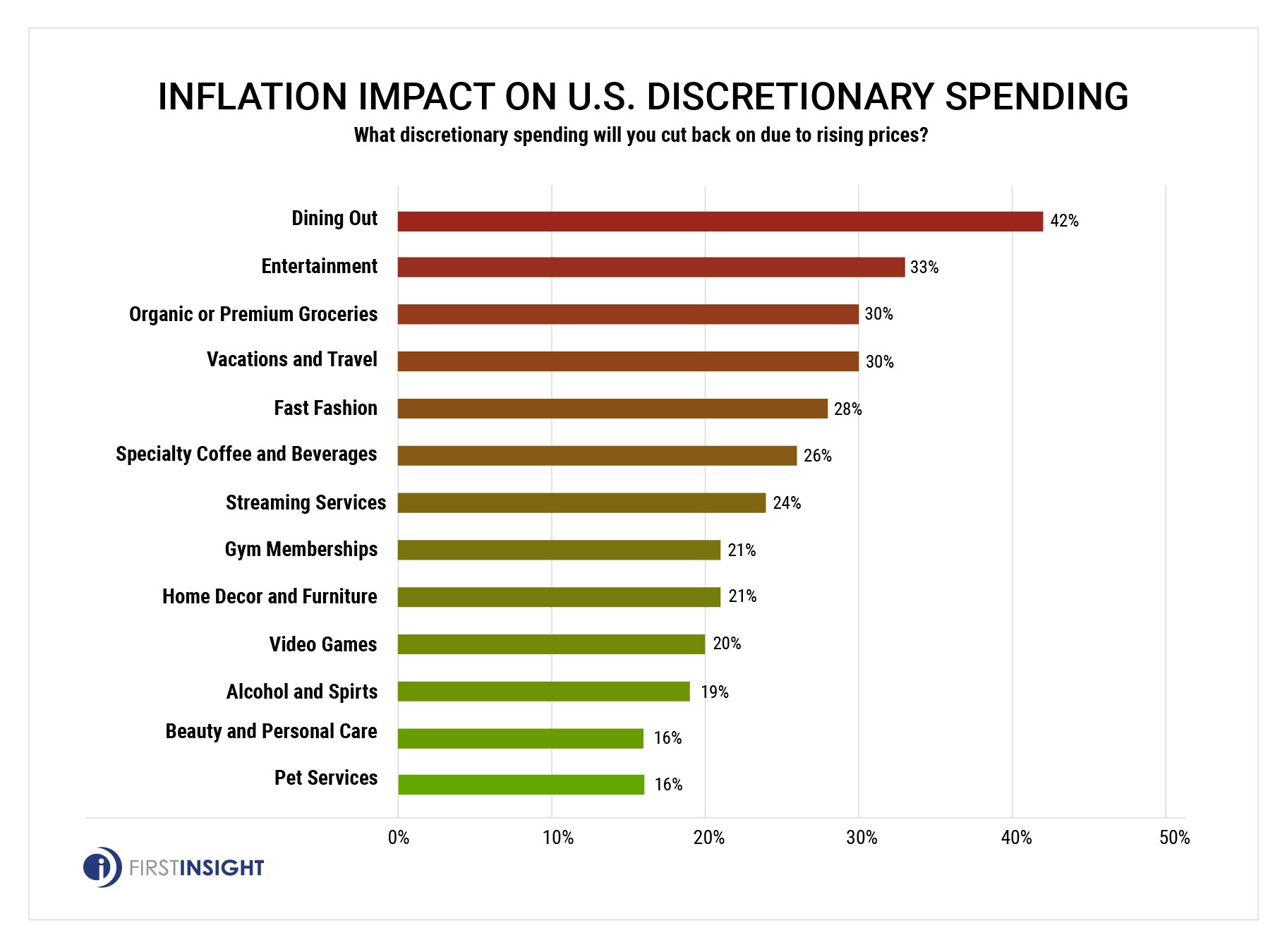
Inflation typically hits discretionary spending first and hardest. When the prices of "staples" like gas and groceries rise, consumers have less "leftover" money for non-essentials. This often leads to a "trade-down" effect, where a consumer might stop going to the cinema and instead watch movies at home, or swap a designer brand for a generic one.
Is pet ownership a discretionary expense?
From a strict financial planning perspective, the decision to get a pet is a discretionary choice. However, once you own a pet, the costs associated with its basic care (food, mandatory vet visits) become non-discretionary obligations, as you are legally and ethically responsible for the animal's welfare. Luxury pet items, such as gourmet treats or designer collars, remain discretionary.
Is saving for a wedding discretionary?
The event itself is discretionary. While the legal marriage license is a nominal administrative cost (often considered a necessity for legal protections), the ceremony, reception, attire, and catering are all non-essential expenditures. Budgeting for a wedding requires allocating funds from the discretionary portion of your income over time.
Can some discretionary spending be an investment?
In rare cases, yes. For example, spending on a specialized certification or a high-end tool for a side business might be discretionary in the short term but lead to increased income later. However, most discretionary spending—like entertainment or travel—is "pure consumption," meaning the money is spent and provides no future financial return.
Final Recommendation: Balancing Joy and Security
The key to a successful financial life in 2026 is not the total elimination of discretionary spending, but rather the intentional management of it. You should aim to track your non-essential spending for at least thirty days to identify patterns. If your discretionary spending exceeds 30% of your take-home pay while your savings remain stagnant, it is time to re-evaluate your priorities. Start by cutting the expenses that provide the least long-term satisfaction—such as unused subscriptions or mindless impulse buys—and redirect that capital toward your most important financial goals.