The methodology section of a research paper explains the specific procedures and techniques used to identify, select, process, and analyze information about a topic. It serves as a blueprint that allows readers to evaluate a study’s overall validity and reliability, while providing enough detail for other researchers to replicate the work.
In the academic landscape of 2026, the methodology section remains the critical pivot point of any scholarly manuscript. Whether you are conducting a clinical trial, a sociological survey, or a literary analysis, this section bridges the gap between your research questions and your ultimate findings. It is not merely a list of actions but a rigorous justification for why those actions were the most appropriate path to discovery.
The Philosophical Foundation: Methodology vs. Methods
Before examining a concrete example, it is essential to distinguish between methods and methodology. While many students use these terms interchangeably, senior technical editors and peer reviewers in 2026 look for a nuanced understanding of both.
Methods refers to the specific tools and procedures used to collect and analyze data. Examples include semi-structured interviews, Likert-scale surveys, or CRISPR gene-editing sequences. These are the "what" and the "how" of your data gathering.
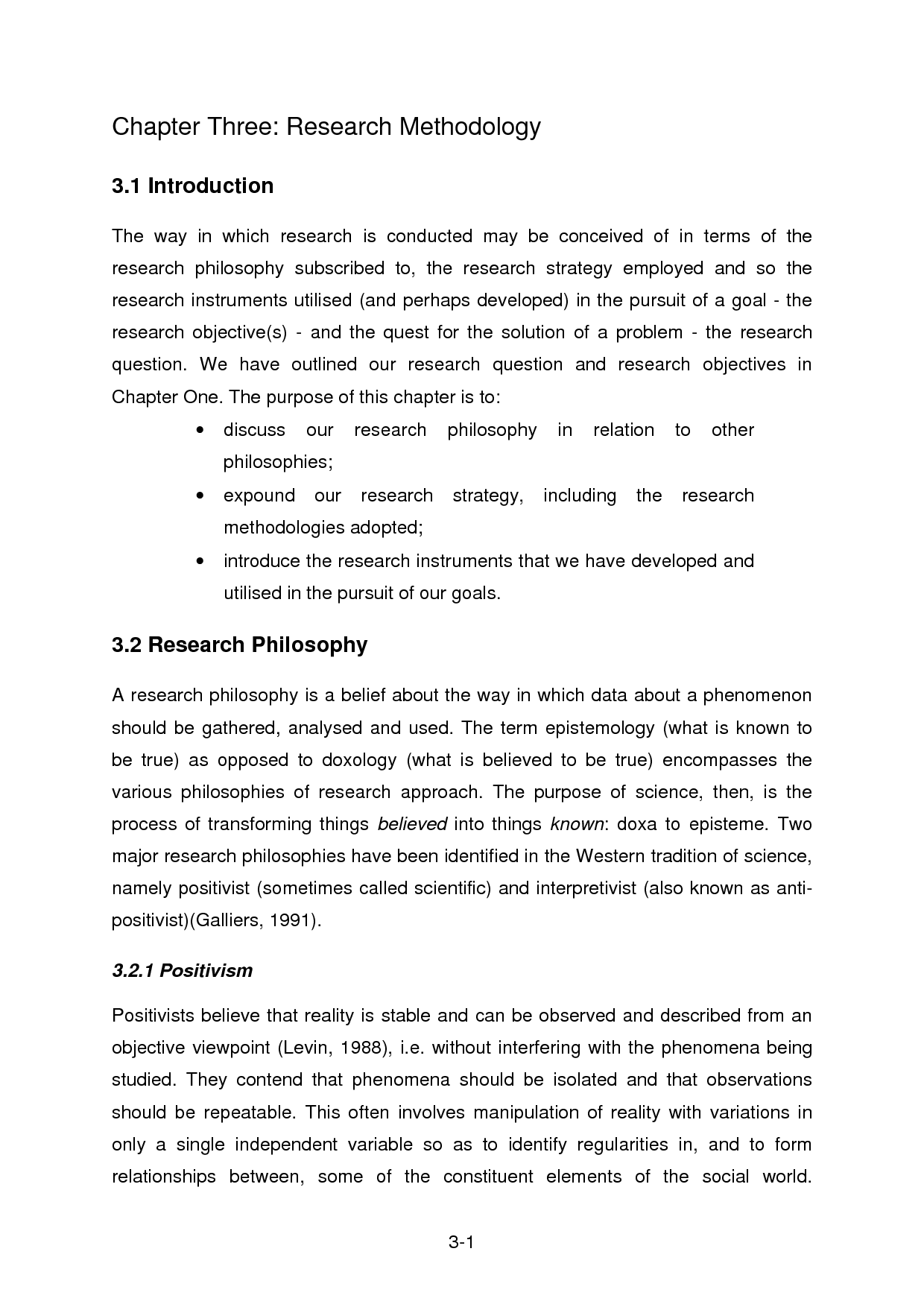
Methodology, conversely, is the broader theoretical framework and strategy that guides your research. It encompasses the philosophical assumptions (such as positivism, interpretivism, or pragmatism) that underpin your study. Your methodology justifies the choice of certain methods over others, explaining how these specific tools align with your research objectives. In a high-quality paper, you don't just state that you used a survey; you explain why a quantitative survey was the most valid way to measure the specific variables in your hypothesis.
Core Components of a Methodology Section
To write a methodology that satisfies the rigorous standards of contemporary journals, you must address several key pillars. Each of these ensures that your study is transparent and scientifically sound.
1. Research Design
The research design is the overarching strategy. Are you using an experimental design to establish causality? Or perhaps a descriptive design to observe trends? In 2026, researchers are increasingly utilizing mixed-methods designs, combining the statistical "breadth" of quantitative data with the "depth" of qualitative narratives. You must clearly state your choice and explain how it addresses your research problem.
2. Participants and Sampling Strategy
For studies involving human subjects, you must define your population. This includes:
- Target Population: The group you wish to generalize your findings to (e.g., "Full-time remote software engineers in North America").
- Sample Size: The actual number of participants.
- Sampling Method: Whether you used probability sampling (random) or non-probability sampling (convenience or snowball).
- Inclusion/Exclusion Criteria: Explicitly stating who was allowed in the study and who was barred, and why.
3. Instrumentation and Materials
This subsection details the "equipment" of your research. In social sciences, this might be a validated psychological scale or a custom interview protocol. In hard sciences, it could involve specific chemical reagents, specialized software like MATLAB or R (version 4.x or higher as of 2026), or hardware specifications. Providing the version numbers and manufacturer details is mandatory for replication.
4. Data Collection Procedures
This is a chronological account of what happened. From the moment the study began to the moment the final data point was recorded, the reader should be able to follow the timeline. This includes recruitment efforts, the setting of the research, and the duration of the data collection period.
5. Data Analysis Plan
Finally, explain how you processed the raw data. Did you use Descriptive Statistics (mean, median, mode)? Inferential Statistics (t-tests, ANOVA, Regression)? Or, for qualitative work, did you use Thematic Analysis or Grounded Theory? Mentioning specific software (e.g., NVivo for qualitative or SPSS for quantitative) is standard practice.
Detailed Example: A Methodology Section Explained
To illustrate these concepts, let’s examine a hypothetical methodology section for a study titled: "The Impact of AI-Driven Feedback on Undergraduate Writing Proficiency: A Mixed-Methods Study."
Example Text:
3. Methodology
3.1 Research Design This study employed a convergent parallel mixed-methods design. This approach was selected to simultaneously collect quantitative data regarding student grade improvements and qualitative data regarding student perceptions of AI feedback. By triangulating these data sources, the researcher aimed to provide a more comprehensive analysis of AI's pedagogical efficacy than a single-method approach would allow.
3.2 Participants The sample consisted of 120 undergraduate students (n=120) enrolled in a mandatory First-Year Composition course at a large public university in the United States. Participants were selected via purposive sampling to ensure all subjects had similar prior exposure to academic writing standards. The sample was split into a control group (n=60) receiving traditional instructor feedback and an experimental group (n=60) receiving AI-generated feedback.
3.3 Instrumentation Quantitative data were collected using a standardized 100-point writing rubric validated by the National Council of Teachers of English. Qualitative data were gathered through semi-structured interview protocols consisting of eight open-ended questions focused on student engagement and perceived clarity of feedback.
3.4 Data Collection Procedures Over a 15-week semester, both groups submitted four major essays. The experimental group utilized the "AcademicWrite AI" platform for preliminary drafts. Following the final submission, 15 participants from the experimental group were invited to participate in 30-minute Zoom interviews. All sessions were recorded and transcribed using HIPAA-compliant software to ensure data privacy.
3.5 Data Analysis Quantitative scores were analyzed using an independent samples t-test in SPSS (Version 29) to determine if a statistically significant difference existed between group means. Qualitative transcripts underwent inductive thematic analysis, where two independent coders identified recurring motifs related to "user frustration" and "revision efficiency." Inter-rater reliability was calculated at κ = 0.84.
Explanation of the Example
Why does this example work? Let’s break down the technical choices:
- Justification of Design: In section 3.1, the writer doesn't just name the design; they explain why mixed methods were chosen (triangulation). This demonstrates high-level methodological awareness.
- Sampling Specificity: Section 3.2 uses "n=" notation, which is the standard for reporting sample sizes. It also explains the "purposive sampling" logic, which helps the reader understand the study's limitations regarding generalizability.
- Validity Evidence: In 3.3, the writer mentions that the rubric was validated by a recognized professional organization. This builds trust in the measurement tool.
- Technological Detail: Section 3.4 and 3.5 mention specific platforms and software versions. In 2026, where AI and software evolve rapidly, specifying the exact tool used is vital for context.
- Rigor Metrics: Mentioning "Inter-rater reliability" (Cohen’s Kappa) in 3.5 proves that the qualitative analysis was not just a subjective guess but a disciplined, checked process.
Comparison of Methodology Styles by Research Type
The way you structure this section depends heavily on your field. The table below compares the primary differences between Quantitative, Qualitative, and Mixed Methods methodologies.
| Feature | Quantitative Methodology | Qualitative Methodology | Mixed Methods Methodology |
|---|---|---|---|
| Primary Goal | Testing hypotheses and measuring variables. | Exploring meanings and lived experiences. | Combining breadth and depth for a holistic view. |
| Sample Size | Large (to ensure statistical power). | Small (to ensure "thick description"). | Varies (often a large survey + small interviews). |
| Data Type | Numbers, scales, and metrics. | Words, images, and observations. | Both numeric and narrative data. |
| Key Quality Metric | Reliability and Validity. | Trustworthiness and Credibility. | Triangulation and Complementarity. |
| Analysis Tools | Statistical software (R, Stata, SPSS). | Coding software (NVivo, ATLAS.ti). | Integration of both software types. |
Ensuring Methodological Rigor: Reliability and Validity
A common mistake in methodology sections is failing to address the "quality control" of the research. In 2026, peer reviewers place immense weight on how you mitigated bias and error.
Reliability
Reliability refers to the consistency of your measure. If someone else uses your methodology, will they get the same result? You should explain the steps taken to ensure consistency, such as standardized instructions for participants or calibration of lab equipment.
Validity
Validity refers to the accuracy of your measure. Are you actually measuring what you claim to be measuring?
- Internal Validity: Have you controlled for extraneous variables?
- External Validity: Can these results be applied to the real world?
- Construct Validity: Does your survey or test accurately represent the theoretical concept (e.g., "intelligence" or "productivity")?
Ethical Considerations in Modern Research
In the current year of 2026, ethical transparency is more than a footnote; it is a requirement. Your methodology must include a brief statement on:
- Institutional Review Board (IRB) Approval: Confirming that an independent committee reviewed the safety and ethics of your study.
- Informed Consent: Stating that participants were aware of the study's risks and participated voluntarily.
- Data Privacy and Security: Explaining how data was anonymized and where it was stored (e.g., encrypted cloud servers) to comply with international standards like the GDPR or updated 2026 privacy statutes.
Common Pitfalls to Avoid
Even experienced researchers can stumble in the methodology section. Avoid these frequent errors:
- Including Results: Do not mention what you found in this section. Save that for the "Results" or "Findings" chapter. The methodology is only about how you looked for the data.
- Being Too Brief: If a reader cannot replicate your study based on your description, the section is too short. Error on the side of over-explanation for complex procedures.
- Lack of Justification: Never assume the reader knows why you chose a specific method. Always provide a brief rationale, especially if you are using a non-standard or innovative technique.
- Ignoring Limitations: While often a separate section, briefly acknowledging methodological constraints (e.g., "The sample was limited to one geographic region") within the methodology can actually increase your credibility by showing self-awareness.
Frequently Asked Questions
How long should a methodology section be?
Typically, the methodology section should comprise about 10% to 15% of your total paper. For a 5,000-word paper, this translates to roughly 500–750 words. However, in lab-based "hard science" papers, this section might be significantly longer and more technical than in humanities essays.
Can I write the methodology in the first person?
This depends on your field's style guide. The APA Style generally allows for "I" or "we" to avoid the passive voice, making the writing clearer. However, many traditional journals in the natural sciences still prefer the third person or passive voice ("The samples were heated...") to maintain a sense of objective distance.
What if I am using an existing methodology from another study?
You do not need to reinvent the wheel. If you are following a standard protocol developed by a previous researcher, you can briefly summarize the steps and provide a clear citation to the original work. However, you must still detail any specific modifications you made for your particular study.
Where should the methodology section be placed?
In a standard IMRaD (Introduction, Methods, Results, and Discussion) structure, the methodology follows the Introduction and Literature Review and precedes the Results section. It acts as the bridge between what is already known and what you discovered.
Is "Methods" the same as "Materials and Methods"?
Yes, in many STEM (Science, Technology, Engineering, and Mathematics) fields, the section is titled "Materials and Methods" to emphasize the physical substances, organisms, or hardware used in the experimentation.
Final Recommendation for Researchers
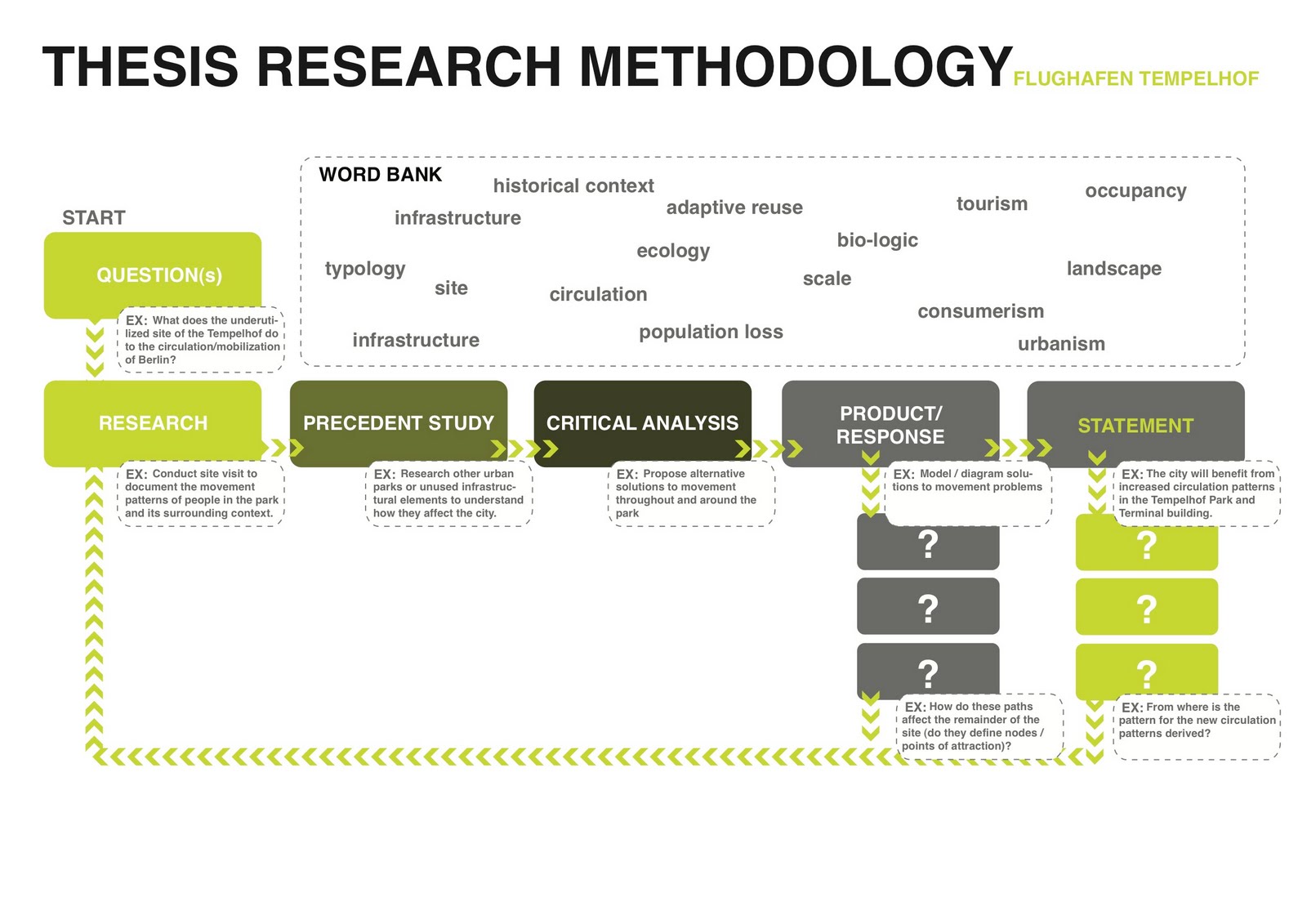
When drafting your methodology, start by creating a "procedural flowchart." Visualizing every step of your research from start to finish will help you identify gaps in your narrative where a reader might become confused. Once your draft is complete, ask a colleague who is unfamiliar with your specific project to read it. If they can explain exactly how you gathered your data and why you chose your analysis tools, your methodology is likely ready for publication.