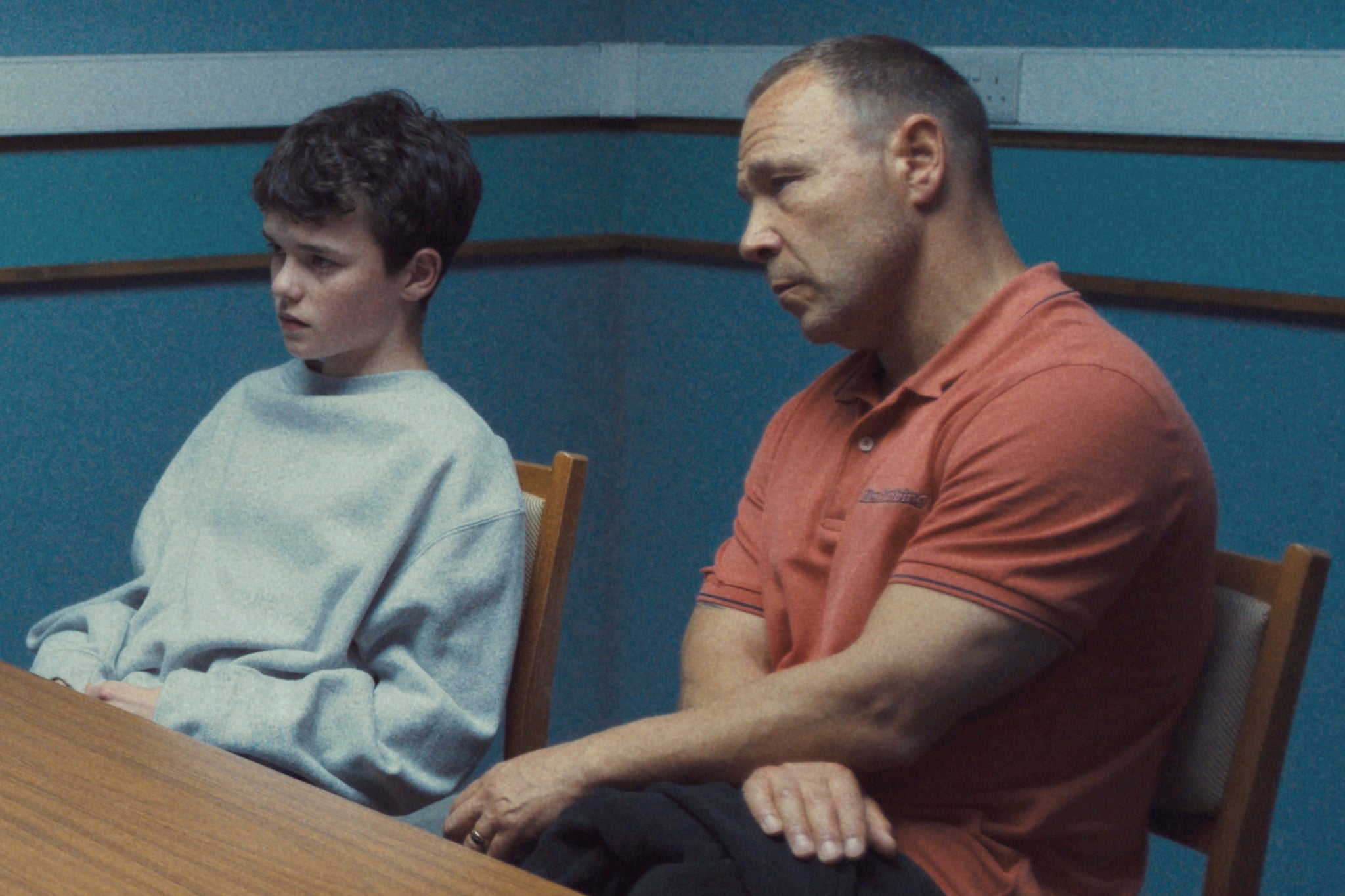
The highly anticipated second season of the groundbreaking crime drama Adolescence has officially been unveiled, with production details confirming a late 2026 release window. Following the technical triumph of its first season, the series continues to utilize its signature "one-shot" filming technique, bringing Stephen Graham back to headline a narrative focused on the systemic complexities of the UK's youth justice system.
The Evolution of Adolescence: From Limited Series to Returning Drama
When the first season of Adolescence debuted, it was marketed as a high-concept limited series, a collaborative masterpiece between writer Jack Thorne, director Philip Barantini, and actor-producer Stephen Graham. However, the overwhelming critical success and the unresolved emotional weight of the debut season led to the commissioning of a second chapter. The series, produced by Warp Films and Matriarch Productions, has successfully transitioned from a standalone experiment into a definitive pillar of modern British television.
The "unveiling" of Season 2 marks a significant moment for the production team. Unlike traditional police procedurals, Adolescence relies on an immersive, real-time narrative structure. The second season promises to expand the scope of the original story, moving beyond the immediate aftermath of a singular crime to examine the long-term sociological impacts on the families and legal professionals involved. By maintaining the real-time format, the show runners are doubling down on the tension that made the first season a viral sensation.
The Technical Mastery of the "One-Shot" Format
The most distinctive feature of Adolescence is its commitment to the continuous shot (often referred to as a "oner"). Season 2 continues this tradition, which presents immense logistical challenges for the crew. In this format, each episode is filmed in a single, uninterrupted take, requiring months of choreography and rehearsal.
Logistics of the Real-Time Narrative
Filming a 60-minute continuous take requires more than just a steady camera operator. It demands a sophisticated synchronization of lighting, sound, and background acting. For Season 2, the production has moved to larger, more complex locations, including active judicial environments and expansive urban landscapes.
- Choreographed Movement: Actors must be perfectly in sync with the camera movements, as there are no "cuts" to hide missed cues or flubbed lines.
- Audio Integration: Sound engineers use dozens of hidden microphones and sophisticated wireless transmission to ensure dialogue remains crisp as characters move through different acoustic environments.
- Hidden Transitions: While the show appears as a single take, technical editors and cinematographers occasionally use "invisible cuts" during moments of darkness or rapid camera pans to manage the massive data loads and physical battery changes required for high-definition cinema cameras.
The Psychological Impact on the Audience
The "unveiled" details for Season 2 suggest that the real-time format is not just a gimmick but a tool for psychological realism. By refusing to cut away, the show forces the audience to inhabit the same claustrophobic headspace as the protagonists. In Season 2, this technique is used to heighten the bureaucratic dread of the court system, making every second of silence feel earned and heavy.
Cast and Characters: Who Returns for the Second Chapter?
Central to the success of the series is its ensemble cast, led by Stephen Graham, whose portrayal of a father navigating the legal system has been hailed as a career-best. As Season 2 is unveiled, the confirmed cast list suggests a mix of returning faces and vital new additions.
Returning Leads
- Stephen Graham: Returning as the emotional anchor of the series, Graham’s character faces the fallout of the Season 1 verdict. His performance continues to ground the high-concept technical delivery in raw, human vulnerability.
- Ashley Walters: Walters returns in a pivotal role that explores the intersection of community policing and personal morality.
- Erin Doherty: Doherty’s character provides the legal lens through which the audience views the complexities of the British justice system. Her role in Season 2 is expected to expand into the broader policy implications of the case at hand.
New Additions
The second season introduces several new characters to represent the "other side" of the legal battle. While specific names are often kept under wraps until closer to the air date, industry reports indicate that the production has cast veteran stage actors to handle the rigors of the long-take format. These new characters include high-ranking officials within the Crown Prosecution Service (CPS) and social workers who add layers to the narrative's social commentary.
Plot Expectations and Narrative Direction
While the first season focused on the immediate crisis of a teenage boy accused of murder, Season 2 shifts its focus toward the rehabilitation and systemic cycles of the justice system. The "unveiled" plot points suggest a jump in time, allowing the characters to deal with the permanent changes in their lives.
The narrative continues to explore the themes Jack Thorne is famous for: social inequality, the failings of underfunded public services, and the resilience of the human spirit. Season 2 specifically tackles the "second-hand trauma" experienced by the parents and siblings of those caught in the legal web. This thematic expansion ensures that the show doesn't merely repeat the beats of the first season but evolves into a broader critique of societal structures.
Production and Streaming: Where and When to Watch
As of 2026, the distribution of Adolescence remains a high-profile partnership between Netflix and the BBC. This dual-distribution model ensures that the series reaches a global audience while maintaining its distinctly British cultural identity.
Release Timeline
The production timeline for Season 2 was significantly longer than a standard drama due to the extensive rehearsal period required for the one-shot technique.
| Production Phase | Estimated Timeframe | Details |
|---|---|---|
| Scripting & Casting | Late 2024 - Early 2025 | Developed by Jack Thorne and the writing room. |
| Technical Rehearsals | Late 2025 | Physical blocking of the "one-shot" sequences. |
| Principal Photography | Early 2026 | Actual filming of the continuous takes. |
| Post-Production | Mid 2026 | Sound grading, color correction, and invisible stitching. |
| Official Release | Q4 2026 | Premiere on BBC iPlayer (UK) and Netflix (Global). |
Streaming Quality Requirements
Given the cinematic nature of the production, viewers are encouraged to watch Season 2 in 4K HDR where available. The continuous camera movement can lead to "motion blur" or compression artifacts on lower-bandwidth streams. For the best experience, a stable connection of at least 25 Mbps is recommended to preserve the integrity of the long-take cinematography.
Comparative Analysis: Adolescence vs. Contemporary Crime Dramas
To understand why the unveiling of Adolescence Season 2 is such a significant event, it is helpful to compare it to other landmark British dramas. The series occupies a unique space that blends technical innovation with gritty social realism.
| Feature | Adolescence | Boiling Point | Time | Happy Valley |
|---|---|---|---|---|
| Format | Real-time, One-shot | Real-time, One-shot | Traditional | Traditional |
| Primary Theme | Youth Justice | Workplace Stress | Prison Reform | Community Policing |
| Lead Writer | Jack Thorne | James Cummings | Jimmy McGovern | Sally Wainwright |
| Technical Focus | Cinematography | Ensemble Pacing | Emotional Grit | Character Depth |
| Pacing | Relentless | High-tension | Deliberate | Narrative-driven |
The Role of Warp Films and Matriarch Productions
The production of Season 2 is a testament to the power of independent British production houses. Warp Films, known for This Is England, brings a pedigree of "kitchen sink realism" that prevents the one-shot format from feeling like a hollow gimmick. Meanwhile, Matriarch Productions, co-founded by Stephen Graham and Hannah Walters, ensures that the project remains a "talent-first" endeavor.
This collaboration has allowed Adolescence to maintain high production values while tackling difficult, often unglamorous subject matter. The "unveiled" details for the second season indicate that the budget has been increased to allow for more complex set pieces, but the core focus remains on the intimate, often uncomfortable reality of the characters' lives.
Troubleshooting Common Viewing Issues
As Season 2 prepares for launch, many viewers may have questions regarding the technical aspects of the show or how to catch up on previous events.
- Understanding the "One-Shot": If the movement feels dizzying, it is intentional. The camera acts as a silent observer, often mimicking the frantic heartbeat of the characters.
- Catching Up: It is essential to watch Season 1 before diving into the "unveiled" Season 2, as the emotional payoff of the second chapter relies heavily on the character arcs established in the first four episodes.
- Accessibility: Both Netflix and the BBC provide comprehensive Audio Description and Subtitled versions. Given the overlapping dialogue inherent in real-time filming, subtitles are often recommended for viewers to catch every nuance of the script.
Frequently Asked Questions
Is Adolescence Season 2 really filmed in one take?
Yes, each episode is designed and filmed as a single continuous take. While modern technology allows for "invisible cuts" to manage technical constraints, the actors perform the entire 60-minute script without stopping. This requires intense preparation and is the primary reason the show takes longer to produce than standard dramas.
When will the trailer for Season 2 be released?
Based on the 2026 release schedule, a teaser trailer is expected in late summer 2026, with a full-length trailer arriving approximately one month before the premiere. These trailers typically highlight the technical fluidity of the camera work without spoiling the central mystery.
Does Stephen Graham direct Season 2?
While Stephen Graham is a primary producer through Matriarch Productions, the directing duties remain with Philip Barantini for Season 2. Barantini’s experience with the one-shot format (having directed the film Boiling Point) is considered vital to the series' identity.
Will the entire cast from Season 1 return?
Most of the central family members and legal representatives return. However, because the story focuses on the "next phase" of the justice process, some minor characters from the first season's police investigation may have smaller roles or be replaced by characters within the prison and probation services.
Is the show based on a true story?
While Adolescence is a work of fiction, Jack Thorne conducted extensive research into the UK’s Youth Offending Teams and the legal hurdles faced by minors. The scenarios presented are designed to be as authentic as possible, reflecting the real-world experiences of many families in the British legal system.
How many episodes are in Season 2?
Season 2 is expected to follow the format of the first season, consisting of four high-intensity episodes. This limited run ensures that the technical quality of the "one-shot" format remains high and the narrative tension does not sag.
Final Recommendations for Fans
For those eagerly awaiting the launch of Adolescence Season 2, the best course of action is to revisit the first season to refresh your memory of the intricate legal details and character relationships. The second season is built on the consequences of the choices made in the debut, and the emotional resonance will be much stronger for those who have the original narrative fresh in their minds.
Furthermore, keeping an eye on official announcements from Netflix and the BBC during the mid-2026 period will provide the exact premiere dates and any potential "behind-the-scenes" specials that explain the grueling process of creating a real-time drama. As the "unveiled" details suggest, Season 2 is set to be another landmark in television history, pushing the boundaries of what is possible in the crime drama genre.