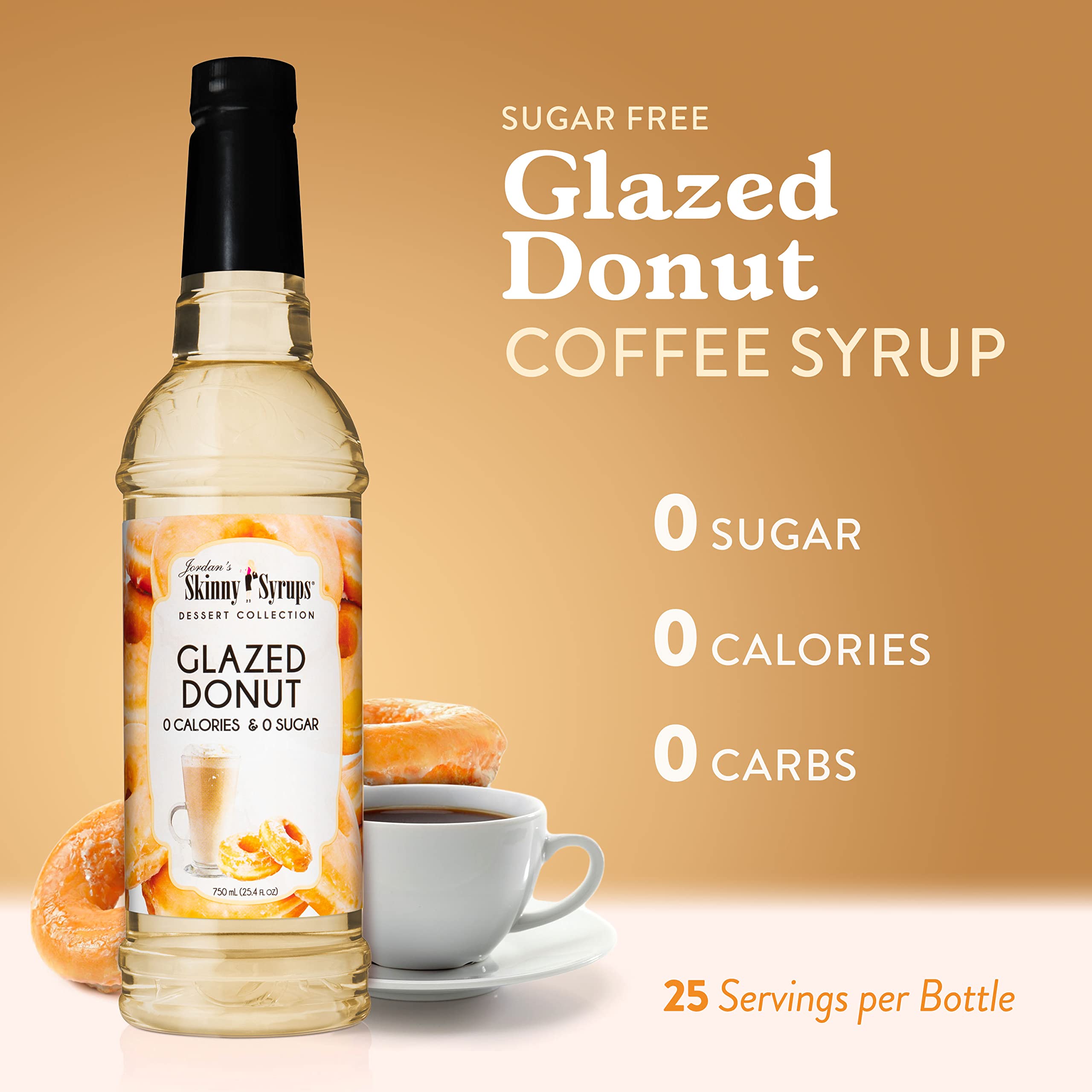
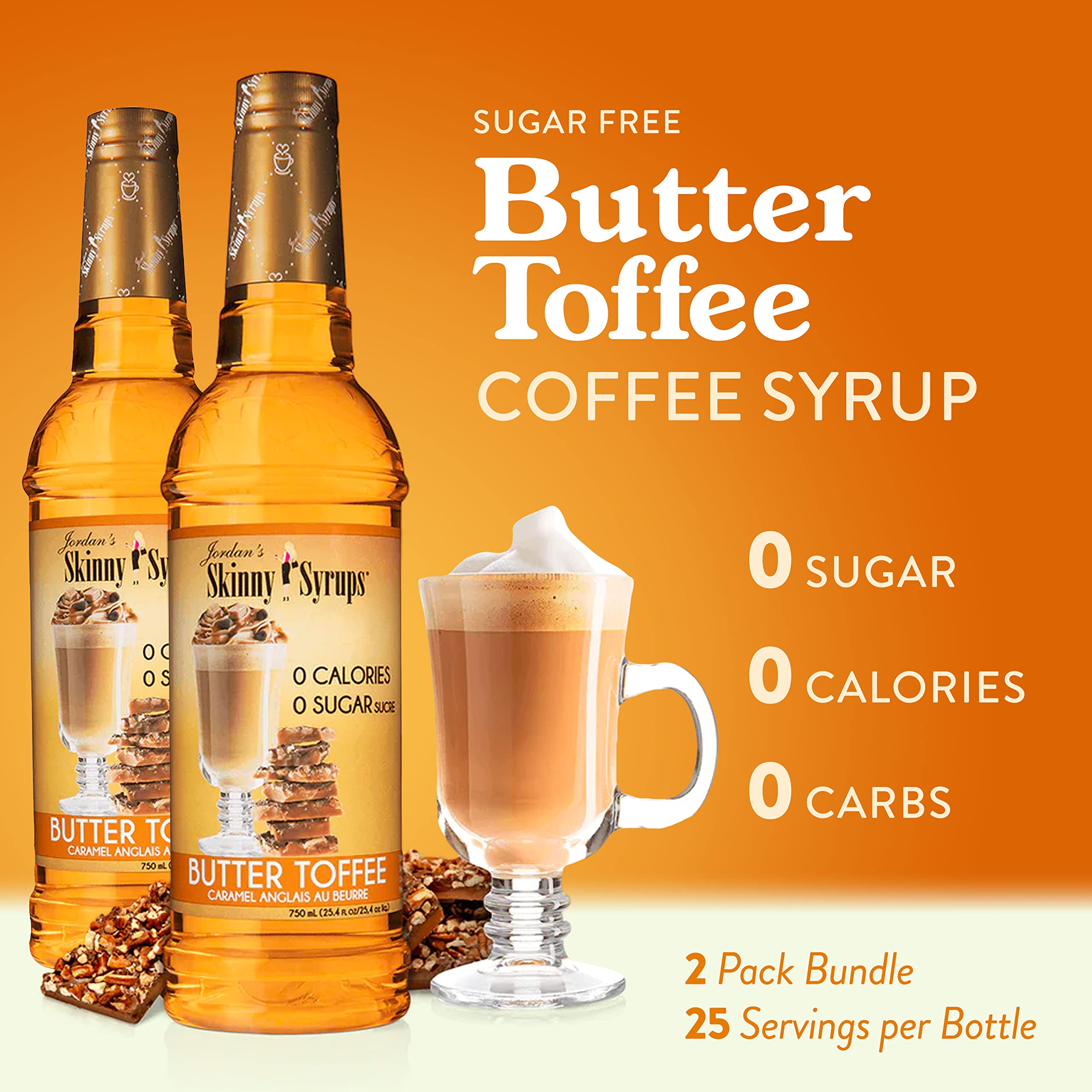
Sugar-free coffee syrups are generally considered safe for consumption by major health regulatory bodies, but their impact on long-term health is nuanced. While they facilitate weight management and blood sugar control by eliminating glucose spikes, some artificial sweeteners may affect gut health, trigger digestive discomfort, or influence metabolic signals in ways that vary significantly between individuals.
As we navigate the dietary landscape of 2026, the question of whether sugar-free coffee syrups are "bad" for you has moved beyond a simple yes or no. For many, these syrups are essential tools for managing chronic conditions like diabetes or obesity. For others, they represent ultra-processed additives that might interfere with the body’s natural hunger signals and microbiome diversity. Understanding the specific ingredients and how your unique physiology reacts to them is key to determining their place in your morning routine.
The Composition of Sugar-Free Coffee Syrups
To understand the health implications, one must first look at what replaces the sugar. Most commercial sugar-free syrups, such as those from popular brands like Torani, Jordan’s Skinny Syrups, or Monin, rely on a combination of high-intensity sweeteners, thickeners, and preservatives.
High-Intensity Sweeteners (HIS)
The primary drivers of sweetness in these products are usually synthetic. Sucralose (commonly known as Splenda) is the most frequent inclusion because it is heat-stable and closely mimics the flavor profile of table sugar. Often, it is paired with Acesulfame Potassium (Ace-K), which enhances the sweetness and masks the slightly bitter aftertaste sometimes associated with sucralose.
In recent years, there has been a shift toward "natural" non-nutritive sweeteners. Stevia and Monk Fruit are increasingly common in premium lines. While marketed as healthier, these are still highly refined extracts. Their primary advantage is that they do not carry the same historical baggage of synthetic laboratory production, though the taste can be more polarizing.
Sugar Alcohols
Some syrups utilize sugar alcohols like Erythritol or Xylitol. These provide bulk and a mouthfeel closer to traditional sugar. Erythritol, in particular, is popular in keto-friendly syrups because it has a glycemic index of zero. However, sugar alcohols are notorious for causing gastrointestinal distress in certain populations, as they are not fully absorbed by the small intestine and can ferment in the colon.
Additives and Preservatives
Water is the primary base, but because sugar-free liquids lack the natural preservative qualities of high-density sugar, manufacturers must add chemicals to prevent mold and bacterial growth. Sodium Benzoate and Potassium Sorbate are standard industry additives. Additionally, Xanthan Gum or Cellulose Gum are used to provide the "syrupy" viscosity that consumers expect, as water and sweetener alone would be too thin to coat a spoon or mix satisfyingly into a latte.
Impact on Blood Sugar and Insulin Sensitivity
One of the primary reasons individuals switch to sugar-free syrups is to avoid the rapid rise in blood glucose associated with sucrose or high-fructose corn syrup. For diabetics and those with insulin resistance, this is a clear benefit. Traditional flavored lattes can contain upward of 40 grams of sugar, leading to a massive insulin spike.
However, the "Cephalic Phase Insulin Response" remains a topic of clinical interest. This theory suggests that when the tongue tastes something intensely sweet, the brain signals the pancreas to release a small amount of insulin in anticipation of incoming glucose. If that glucose never arrives—because the syrup is calorie-free—the circulating insulin could theoretically lower blood sugar slightly, potentially increasing hunger. While studies on humans show mixed results, those with high sensitivity to sweetness may find that sugar-free syrups actually make them feel hungrier later in the day.
The Gut Microbiome and Digestive Health
Perhaps the most significant concern regarding sugar-free syrups in 2026 is their effect on the gut microbiome. The human gut is home to trillions of bacteria that play a critical role in immunity, mood, and metabolism.
Emerging research has indicated that certain artificial sweeteners, particularly sucralose and saccharin, may alter the composition of these bacterial colonies. A study published in Nature previously suggested that artificial sweeteners could induce glucose intolerance by changing the gut microbiota. While more human-centric clinical trials are needed to confirm the long-term severity of these changes, those with existing digestive issues like Irritable Bowel Syndrome (IBS) or Small Intestinal Bacterial Overgrowth (SIBO) often report exacerbated symptoms when consuming sugar-free syrups.
Sugar alcohols like erythritol can also act as osmotic laxatives. They draw water into the intestines, which can lead to bloating, gas, and diarrhea. If you find yourself experiencing "coffee jitters" that feel more like stomach cramps, the culprit might not be the caffeine, but the sugar-free syrup added to the cup.
Weight Management: A Double-Edged Sword
From a pure caloric standpoint, sugar-free syrups are an effective tool for weight loss. Replacing two tablespoons of regular vanilla syrup (approximately 100 calories) with a sugar-free version (0 calories) daily can result in a significant caloric deficit over a year.
However, the psychological impact of "sweetness without calories" is complex. Some nutritionists argue that consuming hyper-sweet substances maintains a high threshold for sweetness cravings. This may make naturally sweet foods, like fruit, taste less satisfying, leading the individual to seek out more processed, highly palatable foods. This phenomenon is known as "sensory-specific satiety" interference. If you use sugar-free syrups as a bridge to reduce your overall sweet intake, they are beneficial. If they are used to maintain a lifelong addiction to hyper-sweet flavors, they may hinder long-term dietary improvements.
Comparison of Common Sweeteners in Coffee Syrups
The following table breaks down the most common sweeteners found in sugar-free coffee syrups and their primary characteristics as of 2026.
| Sweetener | Origin | Glycemic Index | Common Side Effects | Heat Stability |
|---|---|---|---|---|
| Sucralose | Synthetic | 0 | Potential microbiome shifts | High (Excellent for hot coffee) |
| Erythritol | Natural Fermentation | 0 | Bloating, gas in high doses | High |
| Stevia | Plant-Based | 0 | Bitter aftertaste for some | High |
| Monk Fruit | Plant-Based | 0 | Rare; typically very safe | High |
| Acesulfame K | Synthetic | 0 | Concerns over long-term thyroid impact | High |
| Xylitol | Plant-Based | 12 | Laxative effect; Toxic to dogs | Moderate |
The Role of Ultra-Processing
It is important to categorize sugar-free coffee syrups correctly: they are Ultra-Processed Foods (UPFs). By definition, they are industrial formulations that contain substances not typically found in a home kitchen. Even the "natural" versions undergo significant chemical processing to isolate the sweet compounds.
In 2026, the global health community has placed a greater emphasis on reducing UPFs due to their correlation with various metabolic syndromes. While a pump of sugar-free syrup is a small addition to a diet, it contributes to the total load of emulsifiers and preservatives an individual consumes. For those following a "Whole Foods" or "Clean Eating" protocol, these syrups are generally avoided in favor of spices like cinnamon, cocoa powder, or small amounts of raw honey.
Potential Risks for Specific Populations
While the FDA maintains that these sweeteners are safe within the Acceptable Daily Intake (ADI) levels, certain groups should exercise more caution:
- Pregnant and Nursing Women: While generally safe, some experts recommend limiting synthetic additives during pregnancy to ensure the developing fetus isn't exposed to unnecessary chemicals.
- Individuals with Phenylketonuria (PKU): While less common in syrups than in diet sodas, any product containing Aspartame must be strictly avoided by those with PKU.
- Those with Sensitive Digestion: As mentioned, those with IBS may find that the gums (xanthan/cellulose) or sugar alcohols trigger significant flare-ups.
- Pet Owners: This is a safety concern rather than a personal health concern. Syrups containing Xylitol are extremely toxic to dogs. Even a small spill on the floor that a pet licks up can lead to a life-threatening drop in blood sugar or liver failure.
How to Use Sugar-Free Syrups Responsibly
If you choose to keep sugar-free syrups in your pantry, consider these best practices to minimize potential negative impacts:
- Check the Serving Size: Most labels define a serving as one tablespoon (15ml). Using four or five pumps in a large "venti" coffee can lead to an intake of sweeteners far beyond what was tested in short-term safety trials.
- Prioritize Natural Sweeteners: Look for brands that use Stevia or Monk Fruit and avoid artificial dyes (like Caramel Color IV, which has been scrutinized for containing 4-MEI, a potential carcinogen).
- Rotation: Don't rely on the same chemical sweetener every day. Rotating between different types of sweeteners (or occasionally using no sweetener at all) can reduce the risk of specific microbiome disruptions.
- Monitor Your Body: Keep a food diary for a week. Note if you feel particularly bloated, crave sugar more intensely in the evening, or experience headaches after consuming specific brands.
FAQs
Are sugar-free syrups better for your teeth?
Yes, significantly. Traditional sugar syrups provide a food source for Streptococcus mutans, the primary bacteria responsible for tooth decay and cavities. Most artificial sweeteners and sugar alcohols (especially Xylitol) are non-cariogenic, meaning they do not contribute to dental carries. In fact, Xylitol is often used in dental products because it can inhibit the growth of harmful oral bacteria.
Can sugar-free syrups kick you out of ketosis?
Generally, no. Most sugar-free syrups use sweeteners with a glycemic index of zero, meaning they do not raise blood glucose or insulin levels enough to stop ketone production. However, you should always check the label for "hidden" carbs like maltodextrin, which can cause a glucose spike and disrupt ketosis.
Why do some sugar-free syrups cause headaches?
Headaches are a commonly reported anecdotal side effect of sweeteners like sucralose and aspartame. While clinical evidence linking the two is not definitive for the general population, some individuals are "sensitive responders." If you consistently develop a headache within an hour of your flavored coffee, it is likely a sensitivity to one of the synthetic compounds.
Is it safe to heat sugar-free coffee syrups?
Yes. The sweeteners used in coffee syrups, particularly sucralose and Ace-K, are specifically chosen for their thermal stability. Unlike aspartame, which can break down and lose its sweetness when heated, these syrups maintain their flavor profile in boiling coffee or steamed milk.
Do sugar-free syrups expire?
Yes, though they have a long shelf life. Because they contain preservatives, they can typically last 12–24 months unopened. Once opened, they should generally be consumed within 3–6 months. If the liquid becomes cloudy, changes color significantly, or develops an "off" fermented smell, it should be discarded.
Final Recommendation
Sugar-free coffee syrups are not "bad" in the sense of being toxic or immediately harmful. In the context of a 2026 diet, they serve as a practical harm-reduction tool for those who would otherwise consume excessive amounts of refined sugar. They are particularly valuable for diabetics and those on weight-loss journeys.
However, they are not "health foods." They are highly processed additives that can cause digestive upset and may have subtle, long-term effects on your metabolic health and gut flora. For the best balance, treat them as an occasional treat rather than a fundamental food group. If you are concerned about the chemical load, consider transitioning to natural flavor enhancers like pure vanilla extract, almond extract, or unsweetened cocoa powder, which provide flavor without the complex ingredient list.