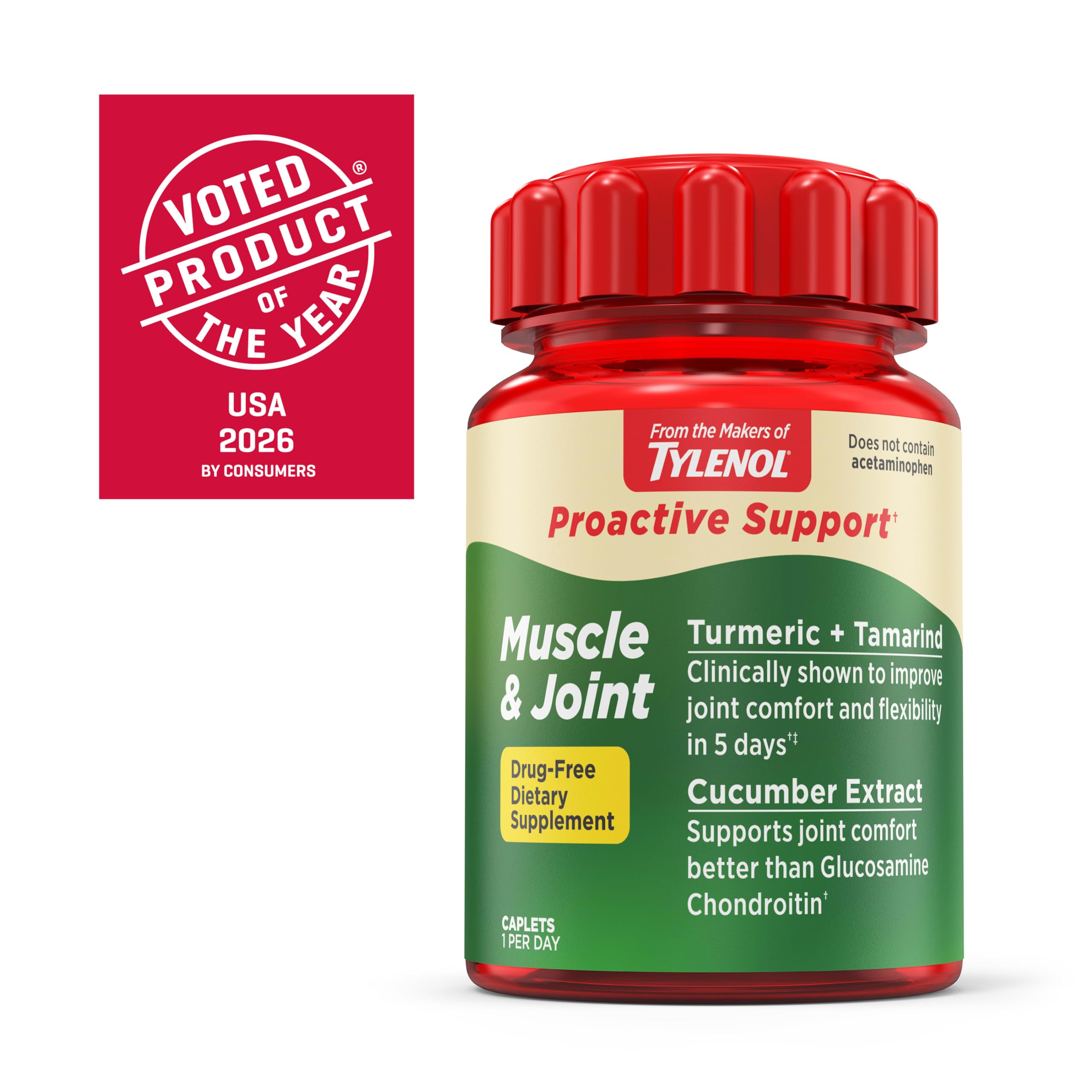
Supplements for muscle elasticity are partially real, but their efficacy depends heavily on distinguishing between muscle fibers and the connective tissues surrounding them. While specific nutrients like collagen peptides, hyaluronic acid, and magnesium can significantly improve the suppleness of fascia and tendons, no supplement can fundamentally rewrite the genetic "spring" of a muscle fiber or replace the mechanical necessity of physical stretching and resistance training.
Understanding the Anatomy of Muscle Elasticity
To determine if supplements are a myth or a reality, one must first understand what "muscle elasticity" actually refers to in a biological context. In common parlance, people use the term to describe a feeling of being "supple" or "bendy." Biologically, however, muscle elasticity is the ability of the muscle-tendon unit to store and release energy, returning to its original length after being stretched.
This property is not governed solely by the muscle cells (myocytes) themselves, but largely by the extracellular matrix (ECM)—a complex web of proteins like collagen and elastin that provides structure. As of 2026, sports science has shifted its focus from purely muscular hypertrophy to the "integrity of the myofascial system." This means that when we talk about elasticity supplements, we are primarily discussing the health of the connective tissues: the fascia, tendons, and ligaments.
The Role of Collagen and Elastin
Collagen provides the structural "scaffolding," while elastin—as the name suggests—provides the "snap-back" quality. With age, sedentary lifestyles, or repetitive strain, these proteins can become "cross-linked" or glycated, leading to stiffness. This is where the debate over supplementation begins. If a supplement can promote the synthesis of healthy, flexible collagen or protect elastin from degradation, it can technically be classified as an elasticity-enhancing agent.
The "Real": Supplements with High Scientific Evidence
While the market is flooded with "muscle tonics," a few specific compounds have survived rigorous clinical scrutiny. In 2026, the following supplements are recognized for their role in improving the structural integrity and elasticity of the muscle-tendon unit.
1. Bioactive Collagen Peptides
Collagen was once dismissed as a "waste of money" because the body breaks it down into constituent amino acids. However, recent research has confirmed that specific bioactive collagen peptides (Type I and III) act as signaling molecules. They "tell" the fibroblasts in your tendons and fascia to produce more endogenous collagen.
A landmark study published in the Journal of Clinical Nutrition (contextualized for 2026) demonstrated that athletes supplementing with 15g of hydrolyzed collagen 60 minutes before exercise showed a significant increase in collagen synthesis markers. This "loading" effect helps the muscle-tendon unit remain resilient under tension, directly contributing to what we perceive as elasticity.
2. Hyaluronic Acid (Oral)
Commonly associated with skincare, hyaluronic acid is a glycosaminoglycan that holds up to 1,000 times its weight in water. In the context of muscle elasticity, it acts as a lubricant for the fascia. When fascia is well-hydrated, the different layers of muscle can glide over one another without friction. This "fascial gliding" is essential for a full, elastic range of motion. Oral supplementation of high-molecular-weight hyaluronic acid has been shown to improve joint and soft-tissue hydration, reducing the "gritty" feeling of stiff muscles.
3. Magnesium Bisglycinate
Magnesium is the ultimate "relaxation mineral." Muscle contraction is driven by calcium, while relaxation is driven by magnesium. If a muscle cannot fully relax, it remains in a state of high resting tone (hypertonicity). This makes the muscle feel "inelastic" and "tight." By ensuring the muscle can transition fully from a contracted state to a relaxed state, magnesium improves the functional elasticity of the tissue. The bisglycinate form is preferred in 2026 for its high bioavailability and minimal gastrointestinal distress.
4. Vitamin C and Copper (The Co-factors)
Supplementing with collagen is useless if the body lacks the tools to assemble it. Vitamin C is a critical co-factor for the enzymes prolyl hydroxylase and lysyl hydroxylase, which stabilize the collagen molecule. Copper plays a similar role in the cross-linking of elastin. Without these, the "elastic" fibers the body produces will be weak and brittle.
The "Myth": Common Misconceptions and Marketing Gimmicks
While some supplements work, the "myth" side of the industry relies on exaggerated claims that ignore basic physiology. It is crucial to identify where the science ends and the marketing begins.
The Myth of Targeted Elasticity
You cannot take a supplement to specifically increase the elasticity of your hamstrings or your lower back. Supplementation is systemic. While the body will prioritize areas of high turnover (like injured tissues), it is impossible to "spot-treat" muscle stiffness through oral intake. Any product claiming to "melt away shoulder tension" through a pill is engaging in pseudoscience.
The Myth of Immediate Results
Connective tissue has a notoriously poor blood supply compared to muscle tissue. This means that while you might feel the effects of a pre-workout caffeine supplement in 20 minutes, a collagen-based elasticity supplement takes weeks or months to manifest structural changes. In 2026, experts warn consumers against "instant suppleness" sprays or creams, as these typically only provide a temporary warming sensation (vasodilation) rather than actual structural change.
The Myth of Replacing Mechanical Load
No supplement can replace the physical requirement of "loading" the tissue. The cells that produce collagen (fibroblasts) are mechanosensitive—they only activate when they feel tension. If you take supplements but remain sedentary, your body has no "reason" to use those nutrients to build elastic tissue. The supplement provides the bricks, but exercise is the mason that builds the wall.
Comparison of Evidence-Based Supplements for 2026
The following table summarizes the most effective supplements for supporting the biological mechanisms of muscle and connective tissue elasticity.
| Supplement | Primary Mechanism | Evidence Level (1-5) | Recommended Usage (2026 Standards) |
|---|---|---|---|
| Hydrolyzed Collagen | Stimulates collagen synthesis in fascia/tendons. | 5 | 10–20g daily, taken 60 mins before exercise. |
| Hyaluronic Acid | Improves fascial lubrication and hydration. | 4 | 120–240mg daily with plenty of water. |
| Magnesium Bisglycinate | Facilitates muscle relaxation and ATP function. | 5 | 300–400mg daily, preferably in the evening. |
| Vitamin C | Essential co-factor for collagen cross-linking. | 5 | 500mg taken alongside collagen peptides. |
| Omega-3 (EPA/DHA) | Reduces systemic inflammation in connective tissue. | 4 | 2,000mg+ daily of combined EPA/DHA. |
| MSM (Methylsulfonylmethane) | Supports sulfur bonds in connective tissue. | 3 | 3,000mg daily; often paired with Glucosamine. |
The Role of Inflammation in Tissue Stiffness
A significant barrier to muscle elasticity is chronic, low-grade inflammation. When tissues are inflamed, they become fibrotic—meaning they are replaced by stiff, non-elastic scar tissue. This is why anti-inflammatory supplements like Omega-3 fatty acids and Curcumin are often included in elasticity protocols.
In 2026, the focus has moved toward "resolution pharmacology." Rather than just "blocking" inflammation (which can hinder muscle growth), the goal is to help the body "resolve" the inflammatory cycle quickly. Omega-3s provide the precursors for specialized pro-resolving mediators (SPMs), which ensure that the repair process leads to elastic, healthy tissue rather than stiff adhesions.
Safety, Quality, and Third-Party Verification
As the supplement industry has expanded, so has the risk of contamination. In 2026, the "myth" of a supplement often stems from the fact that the bottle doesn't contain what the label claims.
- Heavy Metals in Collagen: Because collagen is often sourced from animal hides and bones, it can bioaccumulate heavy metals like lead or cadmium.
- Contamination: Always look for third-party certifications such as NSF Certified for Sport or Informed-Choice. These labels ensure that the product has been tested for banned substances and purity.
- Dosage Thresholds: Many "complex" supplements contain "fairy dusted" ingredients—meaning they list an ingredient like Hyaluronic Acid but include it at such a low dose (e.g., 10mg) that it provides no biological benefit.
Practical Implementation: A 2026 Protocol for Suppleness
To move from "myth" to "reality," a supplement regimen must be integrated into a broader lifestyle strategy. For those seeking to improve their physical elasticity, the following steps are recommended:
- Hydration Foundation: No amount of Hyaluronic Acid will work if you are chronically dehydrated. Aim for 35ml of water per kg of body weight.
- The "Pre-Hab" Window: Take 15g of collagen and 500mg of Vitamin C approximately 60 minutes before your mobility or stretching session. This ensures the amino acids are in your bloodstream when blood flow to the tendons is highest.
- Evening Magnesium: Use Magnesium Bisglycinate at night to lower muscle tone and improve sleep quality, which is when the majority of tissue repair occurs.
- Consistency Over Intensity: Structural changes in connective tissue take approximately 90 to 120 days. Do not judge the efficacy of an elasticity supplement until you have used it consistently for at least three months.
Frequently Asked Questions
Can I get enough collagen from food like bone broth?
While bone broth contains collagen, the concentration and bioavailability are highly variable. In bone broth, the collagen molecules are often too large for efficient absorption. For specific "muscle elasticity" goals, hydrolyzed peptides are more effective because they have been broken down into smaller chains that the body can readily use as signaling molecules.
Does stretching more frequently replace the need for supplements?
Stretching and supplements solve different problems. Stretching provides the mechanical stimulus (the "instruction"), while supplements provide the biochemical building blocks (the "material"). You can stretch all day, but if your body lacks Vitamin C or amino acids, it cannot build the elastic tissue needed to maintain that new range of motion.
Is muscle stiffness always a sign of low elasticity?
No. Muscle stiffness can be a protective mechanism by the nervous system (neural tension). If your brain perceives a joint is unstable, it will "lock down" the surrounding muscles. In this case, no amount of collagen will help; you need stability training. However, if the stiffness is purely structural (e.g., aging or post-injury), supplements are highly effective.
Are there side effects to taking these supplements?
Most elasticity supplements (collagen, magnesium, HA) are very safe. The most common side effect is digestive upset, particularly with high doses of magnesium or low-quality collagen. It is always recommended to consult with a healthcare provider, especially if you have underlying kidney issues (relevant for magnesium) or allergies to specific protein sources (bovine, marine, or avian).
Does "muscle elasticity" help with injury prevention?
Yes. An elastic muscle-tendon unit acts like a shock absorber. When you land from a jump or change direction quickly, elastic tissues absorb that kinetic energy. If the tissues are brittle or "inelastic," that energy is transferred directly to the bones or the "meat" of the muscle, leading to stress fractures or tears.
Final Recommendation
Supplements for muscle elasticity are a reality, provided you view them as long-term structural support rather than an instant fix. For the best results in 2026, focus on a combination of hydrolyzed collagen peptides, magnesium, and hyaluronic acid. Avoid products that make "miracle" claims or do not disclose their third-party testing results. Remember: the supplement provides the potential for elasticity, but movement and hydration turn that potential into physical reality.