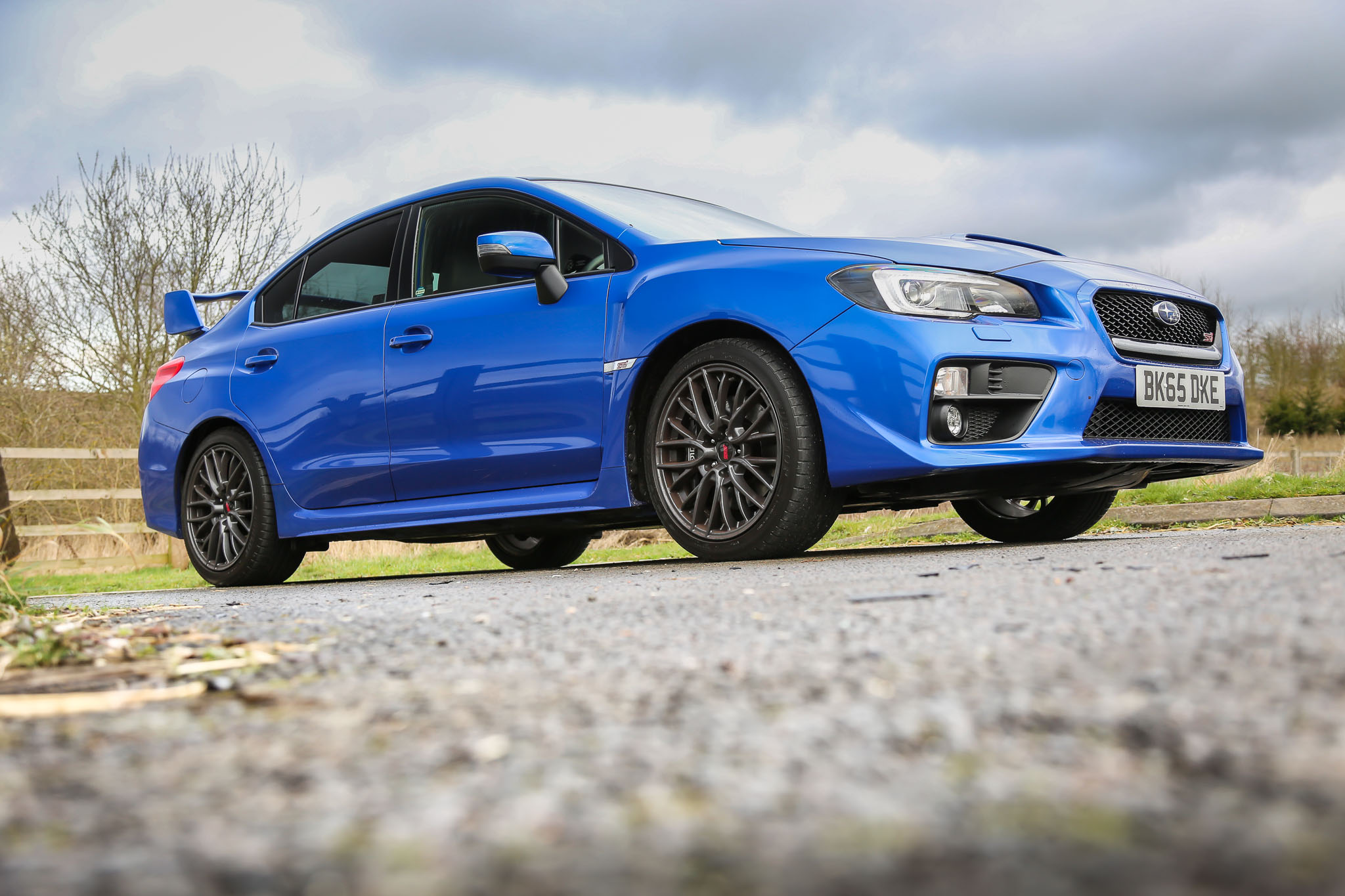
Subaru WRX STIs are conditionally reliable performance vehicles that require meticulous maintenance and conservative operation to reach high mileage. While the drivetrain and 6-speed manual transmission are exceptionally robust, the EJ-series boxer engine is sensitive to heat, oil starvation, and aftermarket modifications, often leading to costly failures if not managed correctly.
The Subaru WRX STI (Subaru Tecnica International) occupies a unique space in the automotive world. As of 2026, several years since the internal combustion STI was discontinued, the vehicle has transitioned from a showroom staple to a sought-after enthusiast icon. However, the question of its reliability remains one of the most debated topics in car culture. To understand if an STI is reliable, one must look beyond simple "yes" or "no" answers and examine the mechanical architecture, the history of the EJ engine, and the impact of the "enthusiast tax" on used vehicle longevity.
The Heart of the Matter: The EJ257 Boxer Engine
For the vast majority of the STI’s lifespan in the United States, it was powered by the EJ257, a 2.5-liter turbocharged flat-four engine. While this engine provides the signature "Subaru rumble" and impressive mid-range torque, its design presents inherent reliability challenges compared to modern inline-four engines like the FA-series found in the standard WRX.
Thermal Management and Cylinder Four
One of the most significant hurdles for the EJ257 is heat dissipation. Because of the horizontal layout, the rear cylinders—specifically cylinder number four—tend to run hotter than the others. Over time, consistent heat soak can lead to pre-detonation (knock), which is the primary catalyst for engine failure. In the enthusiast community, "Cylinder 4 Cooling Mods" are a common preventative measure, but from a factory standpoint, this remains a technical weak point that owners must monitor.
The Ringland Failure Phenomenon
Perhaps the most infamous reliability issue associated with the STI is ringland failure. The ringlands are the sections of the piston between the rings that hold them in place. In the EJ257, these were often made of cast aluminum, which can be brittle. Under high boost or lean fuel conditions, these lands can crack.
When a ringland fails, the engine loses compression, leading to excessive oil consumption and eventually a total engine rebuild. While Subaru made incremental improvements to the piston design and ECU mapping in the final years of the VA generation (2015–2021), the risk was never entirely eliminated, especially for owners who pushed the car hard without supporting modifications.
Drivetrain and Transmission: The STI’s Greatest Strength
If the engine is the STI's "Achilles' heel," the drivetrain is its suit of armor. Unlike the standard WRX, which often utilized a five-speed manual or a CVT, the STI was equipped with a heavy-duty six-speed manual transmission that is widely considered one of the strongest in the performance car world.
The 6-Speed Manual (TY856)
This transmission was over-engineered from the start. It features a cable-less, direct-linkage design that can handle significantly more torque than the stock engine produces. In 2026, many high-horsepower builds still utilize the stock STI transmission because it rarely fails under standard or even moderately aggressive use. The internal components are beefy, and the synchros are notably more resilient than those found in competitors from the same era.
The Multi-Mode Driver Controlled Center Differential (DCCD)
The STI's sophisticated All-Wheel Drive (AWD) system is another high point for reliability. The DCCD allows the driver to adjust the torque split between the front and rear wheels. Mechanically, these units are incredibly durable. While the sensors and electronic control modules can occasionally fail, the mechanical LSDs (Limited Slip Differentials) found in the front and rear of the STI are built to withstand the rigors of track use and winter driving alike.
Comparison of Subaru STI Generations (US Market)
| Generation | Years | Engine Code | Known Reliability Strengths | Primary Weakness |
|---|---|---|---|---|
| GD (Blobeye/Hawkeye) | 2004–2007 | EJ257 | Lightweight, mechanical feel | Head gaskets, rust, aging rubber |
| GR/GV (Hatch/Sedan) | 2008–2014 | EJ257 | Improved suspension geometry | Narrow powerband, ringland issues |
| VA (Final ICE Gen) | 2015–2021 | EJ257 | Refined ECU, stiffened chassis | Heat soak, sensitive to fuel quality |
The Impact of Modifications on Longevity
The reliability of a Subaru STI is often inversely proportional to the number of aftermarket parts installed. Because the EJ engine operates on a relatively thin margin of safety regarding its fuel-to-air ratio and timing, even small changes can have a "butterfly effect" on engine health.
The "Stage 2" Trap
Many owners opt for "Stage 2" modifications, which typically involve a high-flow downpipe and a re-flash of the Engine Control Unit (ECU). While this unlocks significant power, it also increases the load on the factory pistons and bearings. If the tune is not performed by a professional who understands the nuances of the EJ platform, the engine's lifespan can be cut in half.
Essential "Reliability" Mods
Paradoxically, some modifications actually improve reliability. As of 2026, the following are considered standard "day one" upgrades for any serious STI owner:
- Oil Pick-up Tube: The factory tube is known to crack, leading to instant oil starvation and rod bearing failure. Reinforced aftermarket tubes are a critical safety net.
- Air-Oil Separator (AOS): This prevents oil vapors from entering the intake tract, which reduces the chance of carbon buildup and pre-detonation.
- Upgraded Radiator: Moving from a plastic-end-tank factory radiator to a full aluminum unit helps manage the EJ's chronic heat issues.
Maintenance as a Requirement, Not a Suggestion
To keep an STI reliable, the owner must adopt a "maintenance-first" mindset that exceeds the manufacturer's basic recommendations. This is not a "gas and go" car like a Toyota Camry; it is a high-performance machine that requires active participation from the driver.
- Oil Changes: While Subaru may have historically suggested longer intervals, STI experts in 2026 recommend changes every 3,000 miles using high-quality synthetic oil (often 5W-40 weight for better shear resistance in hot climates).
- Oil Level Monitoring: Boxers are known to consume oil. Checking the dipstick at every fuel fill-up is a standard practice for veteran owners to avoid the dreaded "spun rod bearing."
- Spark Plugs and Timing Belts: The EJ257 is an interference engine. If the timing belt snaps, the valves will hit the pistons, effectively destroying the engine. Adhering to the 105,000-mile (or 105-month) replacement interval is non-negotiable.
Professional Advice and Limitations
Disclaimer: This article provides general technical information and should not be used as the sole basis for a vehicle purchase. Always have a potential purchase inspected by a qualified Subaru specialist who can perform a leak-down and compression test. High-performance driving involves inherent risks to vehicle components and personal safety.
Frequently Asked Questions
Is the Subaru STI a good daily driver in 2026?
The STI can be a daily driver, but it requires a compromise in comfort and fuel economy. The suspension is stiff, and the fuel consumption is high compared to modern turbocharged engines. However, its world-class AWD system makes it one of the most reliable daily drivers for those living in snowy climates, provided the maintenance is kept up.
Why do STIs have a reputation for blowing up?
The reputation largely stems from two factors: poor tuning and owner neglect. Many owners increase boost without upgrading fuel systems or cooling, leading to engine failure. Additionally, the EJ engine is less "forgiving" of low oil levels than other engines, and since it is often driven aggressively, these issues are magnified.
How many miles will a Subaru STI last?
A stock, well-maintained STI can comfortably reach 150,000 to 200,000 miles on the original engine. However, many modified examples require an engine refresh or rebuild by the 100,000-mile mark. The drivetrain (transmission and diffs) often lasts well beyond 200,000 miles.
Should I buy a used STI with 100,000 miles?
Buying a high-mileage STI is a risk that depends entirely on the service history. If the owner has records of regular oil changes, timing belt replacement, and a clean compression test, it can be a viable purchase. Avoid cars with "returning to stock" histories where performance parts were removed just before the sale.
Does the WRX STI require premium fuel?
Yes, the STI requires 91 or 93 octane (AKI) fuel. Using lower-grade fuel will cause the ECU to pull timing to prevent knock, reducing performance and potentially damaging the engine over time. In 2026, with fuel additives and varying gas quality, many owners also use an octane booster or an Ethanol (E85) blend for added safety.
Final Recommendation: How to Ensure STI Reliability
For those looking to purchase or maintain a Subaru STI in 2026, the path to reliability is clear: stay stock or over-build. If you intend to keep the car for the long term, maintaining the factory tune and components is the safest route. If you desire more power, you must invest in "supporting mods" like a high-quality oiling system, improved cooling, and a custom dyno tune from a reputable tuner.
An STI is not inherently "unreliable," but it is a "high-maintenance" vehicle. For the enthusiast who is willing to check their oil weekly, warm up the car properly before driving hard, and follow a rigorous service schedule, the STI offers a mechanical, engaging driving experience that few modern cars can replicate.