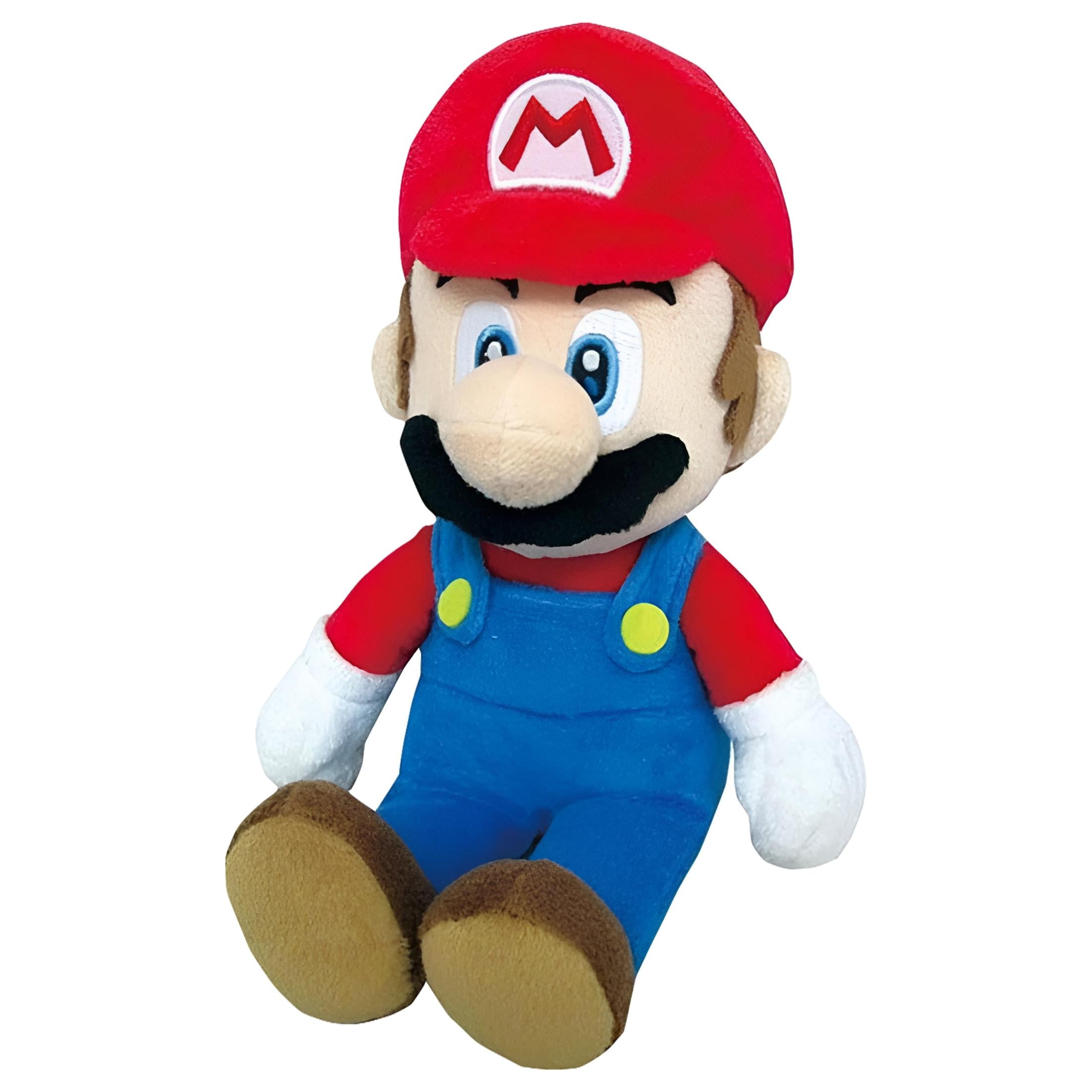
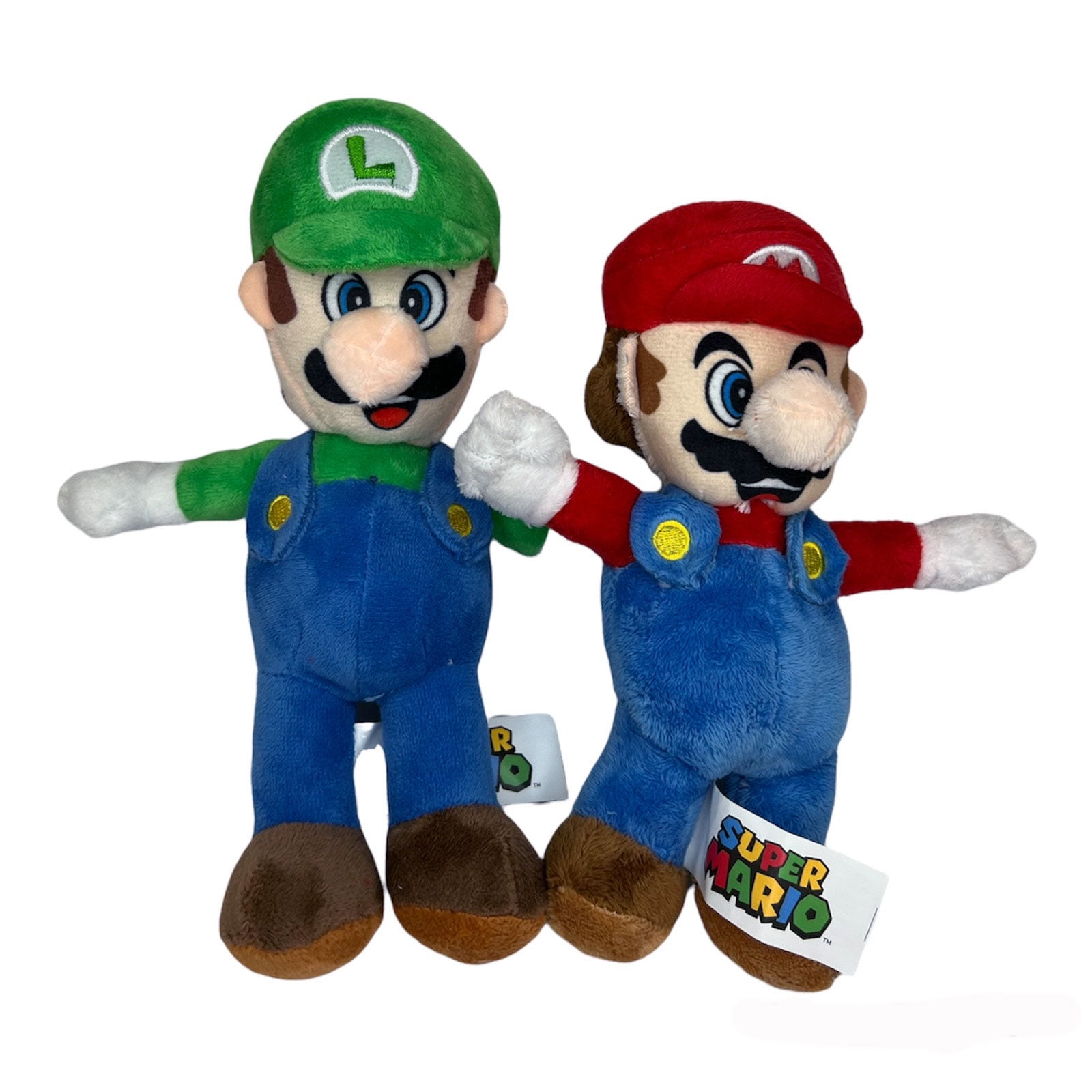
Super Mario stuffed animals are generally worth buying due to their high production quality, strong brand longevity, and emotional appeal. Whether intended for children's play or adult collections, official merchandise from licensed partners like San-ei and Jakks Pacific offers durable materials and accurate character designs that often retain value over time.
Understanding the Value of Super Mario Plush Toys
The Super Mario franchise, owned by Nintendo, has transcended the world of video games to become a cornerstone of global pop culture. As of 2026, the demand for physical merchandise, particularly plush toys (stuffed animals), remains at an all-time high. This surge is driven by a combination of nostalgia for older gamers and the massive influx of new fans introduced through recent cinematic successes and the expansion of Super Nintendo World theme parks.
When questioning if these items are "worth it," one must distinguish between the various types of value: functional value for children, aesthetic value for collectors, and potential resale value for investors. Unlike generic plush toys found in discount bins, official Mario merchandise is subject to rigorous licensing standards that dictate everything from the specific shade of "Mario Red" to the tactile quality of the fabric.
The Different Tiers of Manufacturers
Not all Super Mario plushies are created equal. The "worth" of a specific stuffed animal is heavily dependent on the manufacturer. Nintendo rarely manufactures these items in-house, instead partnering with established toy companies.
San-ei Boeki (The All Star Collection)
For many enthusiasts, San-ei Boeki is the gold standard. Based in Japan but distributed globally by companies like Little Buddy, the All Star Collection is renowned for its fidelity to the character models. These plushies use high-grade "crystal super soft" fabrics and features are typically embroidered rather than printed. If you are looking for a plush that looks exactly like the character on your screen, San-ei is almost always worth the premium price.
Jakks Pacific
Jakks Pacific handles much of the Western mass-market distribution. These are the plushies you typically find at retailers like Target, Walmart, or GameStop. While they are generally more affordable, the materials can be slightly stiffer than Japanese imports. However, they are exceptionally durable, making them the superior choice for younger children who might put their toys through rigorous "adventure" play.
Club Mocchi-Mocchi (Tomy)
Produced by Tomy, the Club Mocchi-Mocchi line offers a different tactile experience. These are "mega soft" plushies designed to be squishy, similar to a marshmallow or a pillow. They are often stylized with larger heads and smaller bodies. For fans who prioritize comfort and "cuddlability" over anatomical accuracy, these are highly recommended.
Analyzing the Quality and Craftsmanship
One of the primary reasons Super Mario stuffed animals are considered a worthwhile purchase is their construction. In an era of "fast toys," Nintendo’s licensed partners generally maintain a high bar for quality control.
Material Integrity
Most official Mario plush toys are made from high-density polyester fibers. This material is chosen for its ability to hold vibrant dyes—essential for characters like Princess Peach or Bowser—and its resistance to pilling. In 2026, we see an increase in "eco-conscious" fills in some lines, which adds a layer of modern value for environmentally-minded consumers.
Detail and Stitching
Quality is most evident in the stitching. In lower-end bootlegs, seams are often visible and prone to splitting. In official San-ei or Jakks products, the seams are reinforced and often hidden within the folds of the character's clothing (such as Mario's overalls or Toad's vest). Details like Mario’s mustache or the "M" on his cap are usually appliquéd or embroidered, ensuring they won't peel off after a few months of handling.
Collector Value and Investment Potential
For adult hobbyists, the question of worth often revolves around rarity and future price appreciation. While most mass-produced Mario plushies will not become high-value assets, certain subsets are remarkably stable.
- Limited Run Sets: Occasionally, Nintendo releases plushies tied to specific events or game launches (e.g., the Wonder Flower from Super Mario Bros. Wonder or anniversary outfits). These often see a price spike once the production run ends.
- Japanese Exclusives: Plushies sold only at Nintendo Tokyo or Nintendo Osaka often command higher prices in the secondary market due to the "import" factor.
- The "Set" Completionist Factor: Characters like Waluigi, Daisy, or specific Koopalings are produced in smaller quantities than Mario or Luigi. Collectors often find that these "secondary" characters hold their value better because they are harder to find in the wild.
According to data from secondary marketplaces like eBay and specialized hobby sites, mint-condition plushies with their original "swing tags" (the cardboard tag attached to the ear or hat) can sell for 20% to 50% above retail price once they are officially retired from stores.
Comparison of Major Mario Plush Brands in 2026
To help you decide which brand fits your needs, the following table compares the most prominent manufacturers currently in the market.
| Brand | Average Price (USD) | Best For | Primary Characteristic | Availability |
|---|---|---|---|---|
| San-ei (All Star) | $15 - $45 | Collectors / Display | High Accuracy & Softness | Specialty Shops / Online |
| Jakks Pacific | $8 - $20 | Children / Play | High Durability | Mass Retailers |
| Club Mocchi-Mocchi | $15 - $35 | Comfort / Gifting | Ultra-Squishy Texture | Amazon / Target |
| Little Buddy (US) | $12 - $40 | General Fans | San-ei quality, US tags | GameStop / Hobby Stores |
| Nintendo Store Excl. | $25 - $60 | Die-hard Fans | Exclusive Outfits/Sizes | Nintendo Stores Only |
Practical Considerations for Parents
If you are buying for a child, the "worth" is measured by safety and longevity. Super Mario stuffed animals are generally rated for ages 3 and up.
Safety and Washability
Official plushies use safety-eyes (plastic pegs that are melted or snapped into place) or embroidery. This minimizes choking hazards compared to cheaper toys where eyes might be glued on.
In terms of cleaning, most Mario plushies are labeled as "Surface Wash Only." However, many parents find that placing the plush in a mesh laundry bag on a delicate, cold cycle works well for deep cleaning. High-heat dryers should be avoided, as they can "melt" the synthetic polyester fibers, leading to a crunchy texture known as "dryer burn."
Educational and Imaginative Play
Beyond just being a toy, these characters encourage imaginative play. Because the Mario universe has a clear "hero, villain, and sidekick" structure, children often use the plushies to reenact levels from the games or create their own narratives, which supports cognitive development and storytelling skills.
Identifying Authentic vs. Bootleg Products
The market is unfortunately flooded with counterfeit Mario merchandise. A bootleg plush is rarely worth the money, as they are often made with substandard materials and may not meet safety regulations.
- The "Wonky" Face: Bootlegs often have misaligned features. If Mario’s eyes are looking in two different directions, or if the mustache is crooked, it is likely a fake.
- The Tag Test: Official products will always have a holographic "Official Nintendo Licensed Product" sticker on the tag. If the tag is missing, has blurry printing, or lacks the hologram, proceed with caution.
- Fabric Texture: Authentic plushies feel smooth and consistent. Bootlegs often feel "scratchy" or have thin fabric where you can feel the stuffing (poly-fill) underneath.
- The Price Trap: If you see a "Giant 20-inch Bowser" for $10 on a third-party marketplace, it is almost certainly a counterfeit. High-quality, large-scale plushies have significant manufacturing and shipping costs.
Where to Buy for the Best Value
To ensure you are getting a product that is worth your investment, shop at reputable locations:
- Official Nintendo Stores: (New York, Tokyo, Osaka, etc.) provide the most exclusive items.
- Specialty Retailers: Stores like HobbyLink Japan or AmiAmi are excellent for sourcing San-ei imports.
- Big-Box Stores: Target and Walmart remain the best places for affordable, durable Jakks Pacific versions.
- The Official Nintendo Website: Always a safe bet for current-run merchandise.
Frequently Asked Questions
Are vintage Super Mario plushies worth more?
Yes, certain vintage sets, such as the 1988 Acclaim plushies or the early 90s BD&A (Benson's Dolls & Accessories) line, can be worth hundreds of dollars if they are in "deadstock" condition. However, for a casual buyer, the modern All Star Collection offers better quality for a lower price.
Can I wash a Super Mario plush in a washing machine?
While "Surface Wash" is recommended, you can use a machine on a cold, delicate cycle if the plush is protected by a pillowcase or laundry bag. Always air-dry the toy. Avoid using bleach, as it will ruin the iconic bright colors of the characters.
Why are some characters so much more expensive than others?
Characters like Bowser, Donkey Kong, or Wario require more material and complex patterns to manufacture, leading to a higher retail price. Additionally, "niche" characters like Rosalina or Waluigi are often produced in smaller batches, leading to higher prices on the resale market due to scarcity.
Is there a difference between "Little Buddy" and "San-ei"?
Little Buddy is the official North American distributor for San-ei Boeki. For all intents and purposes, the plushies are identical. The only difference is the branding on the cardboard tag and the language of the legal text on the tush-tag.
Are these plushies safe for infants?
Most are rated for ages 3+. For infants, it is better to look for specialized "Baby Mario" lines that are specifically designed with no hard plastic parts and are tested for a younger demographic. Standard plushies often have stiffened felt or plastic internal supports (especially in characters like Bowser) that are not suitable for cribs.
Final Verdict: Should You Buy One?
In 2026, Super Mario stuffed animals remain a high-value purchase within the toy and collectible market. For parents, they offer a durable, safe, and recognizable toy that can withstand years of use. For collectors, they represent a tangible piece of gaming history that is backed by the quality assurance of the Nintendo brand.
If you value authenticity and longevity, sticking to official brands like San-ei and Jakks Pacific ensures that your money is well-spent. While the initial cost may be higher than a generic supermarket toy, the "cost-per-year" is significantly lower because these plushies do not easily fall apart. Whether it sits on a display shelf or accompanies a child on a car ride, a high-quality Mario plush is a classic piece of merchandise that rarely disappoints.