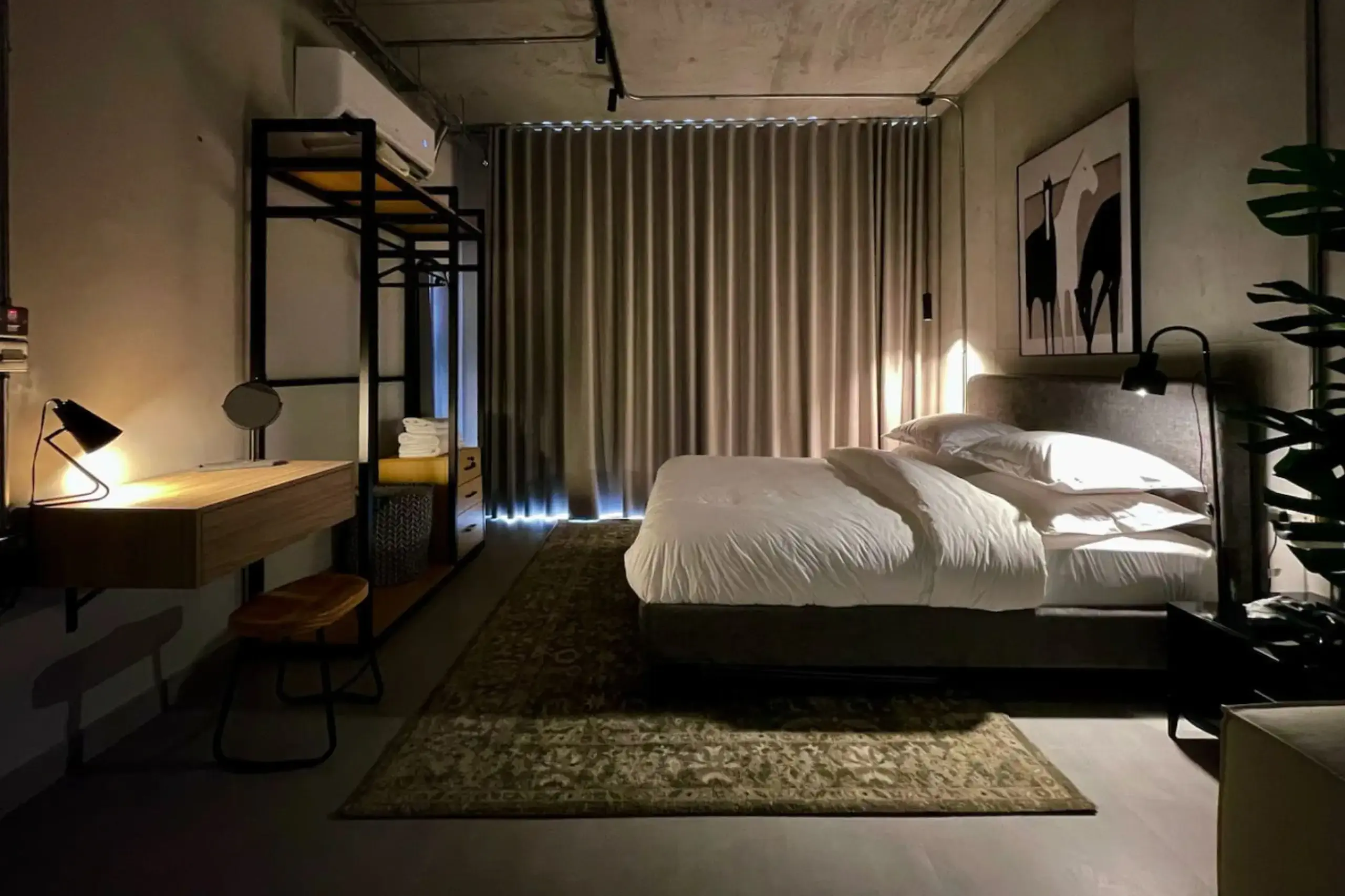
Studio apartments are worth it for individuals who prioritize central locations, lower monthly expenses, and a minimalist lifestyle. In 2026, these units remain the most cost-effective entry point into high-demand urban markets, offering significant savings on utilities and maintenance while demanding a disciplined approach to organization and space management.
Deciding whether a studio apartment is "worth it" requires an honest assessment of your lifestyle, financial goals, and tolerance for compact living. Often referred to as efficiency units, studio apartments combine the living room, bedroom, and kitchen into a single open-plan space, with a separate room for the bathroom. While the lack of walls might seem daunting, the trade-offs in rent, location, and lifestyle can be substantial.
The Financial Reality of Studio Living in 2026
The primary driver behind the popularity of studio apartments is the financial advantage. In major metropolitan areas, the price gap between a studio and a one-bedroom apartment can be significant. By 2026, as urban density continues to increase, this price delta has become a critical factor for young professionals, students, and retirees alike.
Rent and Mortgage Savings
On average, studio apartments rent for 10% to 25% less than one-bedroom units in the same building or neighborhood. For those looking to buy, the entry price for a studio is often the only way to gain equity in a "prime" zip code. These savings can be redirected toward student loans, retirement accounts, or travel—essentially trading square footage for financial freedom.
Lower Utility Costs
A smaller physical footprint directly translates to lower energy consumption. Heating and cooling a 400-square-foot space is exponentially cheaper than managing a 700-square-foot multi-room apartment. In 2026, with energy efficiency standards becoming stricter, many modern studios are equipped with high-efficiency HVAC systems and smart thermostats that further drive down monthly overhead.
Furnishing on a Budget
One often-overlooked financial benefit is the cost of furnishing. In a larger apartment, there is a pressure to fill rooms to avoid an "empty" feel. A studio requires fewer pieces of furniture, allowing you to invest in higher-quality, multi-functional items rather than buying a high volume of low-quality goods.
The Psychological Impact of One-Room Living
Living in a studio is as much a psychological shift as it is a physical one. The absence of a separate bedroom means your living, working, and sleeping spaces are intertwined. For some, this creates a sense of coziness and control; for others, it can lead to "cabin fever" or a lack of boundaries.
The Challenge of Work-Life Balance
With the continued prevalence of remote and hybrid work models in 2026, the studio dweller must be intentional about creating a workspace. Without a separate office or even a separate bedroom to "leave" at the end of the day, the line between professional and personal life can blur. Successful studio residents often use room dividers, rugs, or different lighting schemes to psychologically "zone" their apartment.
Minimalism and Mental Clarity
Living in a studio forces a person to be a rigorous editor of their own possessions. You cannot hide clutter in a spare room. This forced minimalism often leads to a more intentional lifestyle. Many residents find that by owning fewer things, they experience less decision fatigue and a greater sense of order. However, this requires a permanent commitment to the "one in, one out" rule for physical goods.
Location: The Ultimate Trade-Off
The decision to live in a studio is frequently a decision to live in a specific neighborhood. In 2026, the "15-minute city" concept—where all necessities are within a short walk or bike ride—has made studio apartments in central hubs more valuable than ever.
The City as Your Living Room
If your apartment is located in a vibrant district with parks, coffee shops, libraries, and coworking spaces, the limited square footage inside your walls becomes less relevant. Studio dwellers often treat their neighborhood as an extension of their home. If you spend most of your time at a local office, at the gym, or socializing in the city, paying for a large, empty apartment is an inefficient use of capital.
Proximity to Transit and Employment
Living in a studio often allows you to reside within walking distance of your workplace or a major transit hub. This can eliminate the need for a car, saving thousands of dollars annually on insurance, gas, and maintenance. When calculating whether a studio is worth it, the "commute tax" (both in time and money) must be factored into the equation.
Design and Layout: Not All Studios Are Created Equal
The "worth" of a studio is heavily dependent on its layout. A well-designed 350-square-foot unit can feel more spacious than a poorly planned 500-square-foot unit. In 2026, developers have moved away from "bowling alley" layouts toward more functional, square, or L-shaped configurations.
Alcove Studios and Junior 1-Bedrooms
An alcove studio features a small nook or "L" shape where the bed can be tucked away, providing a visual separation from the living area. These are highly coveted because they offer the benefits of a studio price point with the feeling of a one-bedroom apartment. If you find an alcove studio, the value proposition increases significantly.
The Role of Ceiling Height and Natural Light
Floor-to-ceiling windows and high ceilings (9 feet or more) are the great "spacemakers" of studio living. Natural light makes a small space feel airy and expansive, while high ceilings allow for vertical storage solutions. When touring units, pay more attention to the volume of the space and the window placement than the raw square footage.
Comparative Overview: Studio vs. Alternatives
To determine if a studio is the right choice for your current situation, it is helpful to compare it against other common housing types available in the 2026 market.
| Feature | Studio Apartment | One-Bedroom | Micro-Apartment | Loft |
|---|---|---|---|---|
| Typical Size | 300 – 500 sq. ft. | 600 – 900 sq. ft. | 150 – 300 sq. ft. | 800 – 1,500+ sq. ft. |
| Privacy | Low (All in one) | High (Separate bedroom) | Very Low | Moderate (Open plan) |
| Cost | Baseline | +15-25% more | -20% less | +30-50% more |
| Maintenance | Minimal | Moderate | Extremely Low | High (Large area) |
| Best For | Single Professionals | Couples/Roommates | Minimalists/Students | Artists/Professionals |
| Resale/Rentability | High (High demand) | Very High | Moderate | Niche |
The Investment Perspective: Buying a Studio in 2026
For those looking to move from renting to owning, studios represent a unique asset class. While they may not appreciate as rapidly as single-family homes in suburban areas, their rental yield and "liquidity" in urban markets are often superior.
Rental Yield and Vacancy Rates
Studios are rarely vacant for long. Because they sit at the most affordable price point, there is always a pool of potential tenants, regardless of the economic climate. For an investor, a studio can offer a more stable cash flow than a luxury unit, which might sit empty during market downturns.
Resale Limitations
One potential downside to buying a studio is the "ceiling" on its appreciation. Because studios are primarily marketed to single individuals, you are excluding couples and families from your future buyer pool. However, in 2026, the rise of single-person households globally has mitigated this risk, making small units a more standard part of a balanced real estate portfolio.
Common Pitfalls and How to Avoid Them
Even if the numbers make sense, certain factors can make studio living a miserable experience. Awareness of these common issues can help you determine if a specific unit is truly worth it.
- Storage Deficits: Many studios lack closet space. If the unit doesn't have built-in storage, you will need to invest in "storage-first" furniture, such as bed frames with drawers or floor-to-ceiling shelving.
- Kitchen Limitations: If you are an avid cook, a "kitchenette" with a two-burner stove and a half-fridge may be a dealbreaker. Always check for full-sized appliances if you plan on doing more than heating up takeout.
- The "Smell" Factor: In a single-room apartment, if you sear a steak or fry fish, your bedsheets will likely smell like dinner. Proper ventilation and high-quality air purifiers are non-negotiable for studio dwellers.
- Guest Privacy: Hosting guests can be awkward. If you enjoy having people over for dinner or movie nights, your bed becomes a very prominent piece of "seating." Murphy beds or high-quality sofa-sleepers are common 2026 solutions for this issue.
Is a Studio Right for You?
The "worth" of a studio is ultimately subjective. It is a tool to achieve a specific lifestyle or financial goal.
- It is worth it if: You are focused on career growth in a major city, you travel frequently, you value location over interior space, or you are looking to aggressively save money.
- It is NOT worth it if: You work from home full-time and require a quiet, dedicated office; you have a large pet that needs room to roam; or you find that your physical environment heavily dictates your mental well-being and sense of "claustrophobia."
FAQs
Can two people live comfortably in a studio apartment?
While possible, it is challenging. In 2026, "co-living" in studios is usually only successful for couples who have very compatible schedules and a shared commitment to extreme minimalism. For most, the lack of private space for phone calls or sleep can lead to significant relationship friction.
Do studio apartments have a good resale value?
Yes, particularly in "evergreen" markets like New York, London, or Tokyo. Because they are the entry-level price point for homeownership, they remain in constant demand. However, their value is more tied to the building's amenities and the neighborhood's growth than to the unit itself.
How do I manage smells in a studio apartment?
Effective smell management involves three components: a high-CFM (cubic feet per minute) range hood, an air purifier with a HEPA and carbon filter, and keeping fabrics (like bedding) away from the kitchen zone. In 2026, many modern studios also integrate smart ventilation that automatically triggers when it detects VOCs or smoke.
Are utilities significantly cheaper in a studio?
Generally, yes. You can expect to pay 30% to 50% less for electricity and heating compared to a standard two-bedroom apartment. Because the space is small, it reaches the desired temperature quickly and retains it more efficiently, especially in newer buildings with modern insulation.
What is the difference between a studio and an efficiency apartment?
While the terms are often used interchangeably, an efficiency apartment is typically even smaller than a standard studio and may feature a kitchenette (with smaller appliances) rather than a full kitchen. In 2026, "efficiency" units are often synonymous with micro-apartments.
Next Steps for Prospective Residents
If you are leaning toward a studio, your next move should be a "lifestyle audit." Catalog your current furniture and belongings to see what would realistically fit. Visit several units at different price points to understand the difference between a 300-square-foot and a 450-square-foot layout. Finally, research the specific neighborhood's "third spaces"—the parks and cafes that will serve as your expanded living room—to ensure they meet your needs before signing a lease or mortgage.