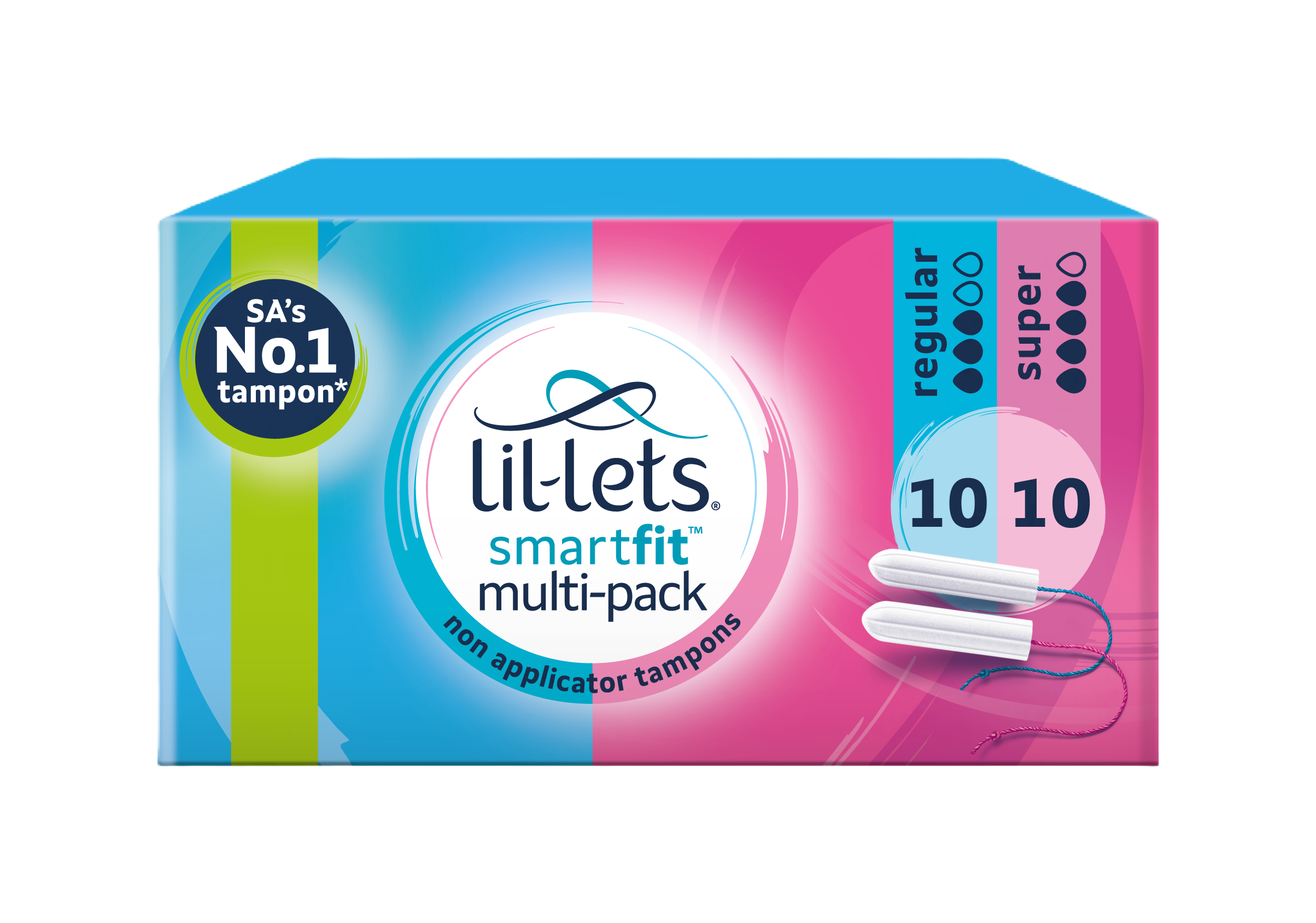
Super tampons are physically larger than regular tampons, primarily in terms of diameter and density rather than length. While both sizes are typically the same length for comfort, a super tampon contains more absorbent fiber—usually rayon, cotton, or a blend—allowing it to hold 9 to 12 grams of fluid, compared to the 6 to 9 grams held by a regular tampon.
When you are standing in the menstrual care aisle in 2026, the sheer variety of products can be overwhelming. The question of whether a super tampon is "bigger" than a regular one is more than just a matter of physical dimensions; it is a question of capacity, safety, and comfort. Understanding the engineering behind these products is essential for managing your menstrual health effectively and safely.
The Physical Differences: Width, Length, and Density
To the naked eye, the difference between a regular and a super tampon might seem negligible while they are still in their wrappers or applicators. However, the design differences are intentional and dictated by both physiological comfort and federal safety standards.
Length vs. Width
In most manufacturing standards, the length of a tampon remains relatively consistent across sizes, typically measuring around 2 inches (5 centimeters). This is because the vaginal canal has a limited comfortable depth for a menstrual device to sit without causing discomfort or pressing against the cervix.
The primary physical growth in a "super" tampon occurs in its diameter. A regular tampon usually has a diameter of approximately 12 to 13 millimeters. In contrast, a super tampon is widened to roughly 15 to 16 millimeters. While a few millimeters may sound small, this increase in width allows for a significantly higher volume of absorbent material to be packed into the core.
Density and Compressed Fibers
Size is not just about external dimensions; it is also about density. Manufacturers use high-pressure compression to pack fibers into the tampon’s cylindrical shape. A super tampon is denser than a regular one. This density ensures that the device can absorb a higher volume of fluid before the fibers reach their saturation point and begin to leak. When the tampon begins to absorb moisture, these compressed fibers expand. A super tampon will expand to a larger total volume within the vaginal canal than a regular tampon will, which is often why users report feeling a "fuller" sensation when using higher absorbency levels.
Absorbency Ratings and FDA Standards
In the United States and many other regions, tampon "sizes" are not arbitrary labels created by marketing teams. They are strictly regulated categories based on the weight of fluid the product can hold. The Food and Drug Administration (FDA) requires all manufacturers to use a standardized set of labels and absorbency ranges. This ensures that a "Super" tampon from one brand performs similarly to a "Super" tampon from another.
The Gram-Based Measurement System
The industry uses a standardized test known as the "Syngina" test to determine absorbency. This test involves a specialized apparatus that mimics the vaginal environment to see how many grams of fluid a tampon can hold before it leaks. As of 2026, the standard ranges remain:
- Light/Junior: Less than 6 grams
- Regular: 6 to 9 grams
- Super: 9 to 12 grams
- Super Plus: 12 to 15 grams
- Ultra: 15 to 18 grams
Because the super tampon is designed to hold up to 33% more fluid than a regular tampon, the physical structure must be robust enough to retain that liquid without falling apart or leaking prematurely.
How Expansion Affects the "Feel" of the Tampon
One of the reasons people perceive super tampons as much bigger than regular ones is how they behave once they are inserted. Tampons are designed to expand to prevent "bypass bleeding"—fluid that flows around the tampon rather than into it.
Radial vs. Lengthwise Expansion
Different brands utilize different expansion technologies. Some tampons, particularly those without applicators (often called "digital" tampons), are designed for radial expansion. They grow wider in a 360-degree circle. Other brands are designed to expand in a rectangular or "butterfly" shape.
Because a super tampon starts with more fiber, its expanded state is significantly larger than that of a regular tampon. This expansion is what creates the "plug" effect that prevents leaks during heavy flow. If you use a super tampon when your flow is too light, the fibers may not expand fully, or they may remain too dry, which can lead to discomfort during removal.
Choosing the Right Size for Your Flow
Selecting between a regular and a super tampon is not a one-size-fits-all decision for your entire period. Menstrual cycles are dynamic, and the volume of flow typically changes from day to day.
Managing Heavy Days
Most individuals experience their heaviest flow on the first or second day of their period. During this time, a regular tampon might reach capacity in two or three hours. If you find yourself changing a regular tampon more frequently than every four hours, it is an indication that you should move up to a super tampon. The goal is to find an absorbency level that allows you to change the tampon every four to six hours.
The Risks of Oversizing
It is a common mistake to use a super tampon on light days to "make it last longer." However, medical professionals and the FDA strongly advise against this. Using a high-absorbency tampon when your flow is light can lead to:
- Vaginal Dryness: The highly absorbent fibers can strip the vaginal walls of necessary natural moisture and protective bacteria.
- Micro-tears: Removing a dry or mostly dry super tampon causes friction against the vaginal lining, potentially creating microscopic tears.
- Toxic Shock Syndrome (TSS) Risk: TSS is a rare but life-threatening condition caused by toxins produced by certain types of bacteria (Staphylococcus aureus). Research has consistently shown that the risk of TSS increases with higher-absorbency tampons. The best practice is always to use the lowest absorbency necessary for your flow.
Comparative Specifications: Regular vs. Super Tampons
The following table provides a comparison of the typical specifications you will encounter when comparing these two common sizes.
| Feature | Regular Tampon | Super Tampon |
|---|---|---|
| Absorbency Range | 6–9 grams | 9–12 grams |
| Typical Diameter | ~12 mm | ~15 mm |
| Typical Length | ~50 mm (2 inches) | ~50 mm (2 inches) |
| Average Use Case | Moderate flow days | Heavy flow days |
| Recommended Change Frequency | Every 4–8 hours | Every 4–8 hours |
| Expansion Profile | Moderate expansion | Significant expansion |
| Density of Fibers | Standard compression | High-density compression |
Material Composition and Modern Innovations
By 2026, the materials used in both regular and super tampons have evolved to prioritize both performance and vaginal health. Most tampons are made from a blend of cotton and rayon.
Rayon vs. Cotton
Rayon is a cellulose fiber derived from wood pulp. It is highly effective at absorbing liquid quickly, which is why it is often the primary component in super and super-plus tampons. Cotton absorbs more slowly but is often preferred by those seeking organic or "natural" options.
Many modern super tampons now feature a "security veil"—a thin, silky polyester or polypropylene cover that prevents the fibers from shedding or sticking to the vaginal walls. This is particularly important for super-sized tampons because their higher fiber density increases the surface area in contact with the body.
Applicator Design
The size of the applicator also changes. A super tampon requires a wider plastic or cardboard tube. If you have a sensitive or narrow vaginal opening, you may find that the physical insertion of a super tampon applicator is more noticeable than that of a regular one. Some brands have countered this by designing "compact" applicators that use a telescopic mechanism to keep the device small until it is ready for use.
Common Misconceptions About Tampon Sizing
"Super tampons are for older people or those who have given birth."
This is a myth. Tampon size is determined solely by the volume of menstrual flow, not by the size of the person or their obstetric history. A teenager with a very heavy flow may need a super tampon, while a person who has given birth may only need a regular or light tampon if their flow is moderate.
"Bigger tampons can be left in longer."
This is a dangerous misconception. Regardless of the size or absorbency, a tampon should never be left in for longer than eight hours. Leaving any tampon in for an extended period increases the risk of bacterial overgrowth and TSS. If a super tampon is not full after eight hours, you should switch to a lower absorbency size like a regular or a light.
"Super tampons are more likely to get 'lost'."
The physical size of the tampon has no bearing on its ability to stay in place. The vaginal canal is a closed system ending at the cervix; a tampon cannot get lost inside the body. The only difference is that a super tampon may feel more "secure" to some users because its larger width creates more contact with the vaginal walls.
Troubleshooting and Practical Expert Guidance
If you are unsure which size to use, the "leak test" is the most reliable method. If you are wearing a regular tampon and it begins to leak after only two hours, move up to a super. If you are wearing a super tampon and, after six hours, it is still mostly white or feels "stuck" or painful to pull out, move down to a regular.
Rotating Sizes
Many people find success by "tapering" their tampon use. This might look like:
- Day 1: Super tampons (Heavy flow)
- Day 2: Super tampons (Heavy flow)
- Day 3: Regular tampons (Moderate flow)
- Day 4: Light tampons or liners (Spotting)
Handling Unexpected Leaks
Sometimes, even a super tampon can leak if it is not positioned correctly. If the tampon is sitting too low, it may not capture the flow from the cervix. Ensure that the tampon is inserted high enough; you should not be able to feel it once it is in place. If you continue to leak through a super tampon in under two hours, you should consult a healthcare provider, as this may indicate "heavy menstrual bleeding" (menorrhagia), which can lead to anemia.
Next Actions and Recommendations
If you find that the jump from regular to super feels too large for your comfort, or if you are concerned about the risks of higher absorbency, consider these steps:
- Try a Variety Pack: Most major brands in 2026 sell "multi-packs" containing light, regular, and super tampons. This allows you to experiment with different sizes at different stages of your cycle without committing to a full box of one size.
- Use Backup: If you are transitioning from regular to super and are worried about the "feel" of a larger tampon, try sticking with the regular size but pairing it with period underwear or a reusable liner for extra security.
- Consult Your Body: Pay attention to the "tug" when you remove the tampon. A comfortable removal means the tampon was well-suited for your flow.
- Explore Different Brands: Because expansion patterns (radial vs. rectangular) vary, a "super" from one brand may feel more comfortable than a "super" from another.
Ultimately, the goal of using a super tampon is to provide the security and freedom to go about your day without constant trips to the restroom. By understanding that the "size" is primarily a measure of diameter and capacity, you can make an informed choice that prioritizes both your comfort and your health.