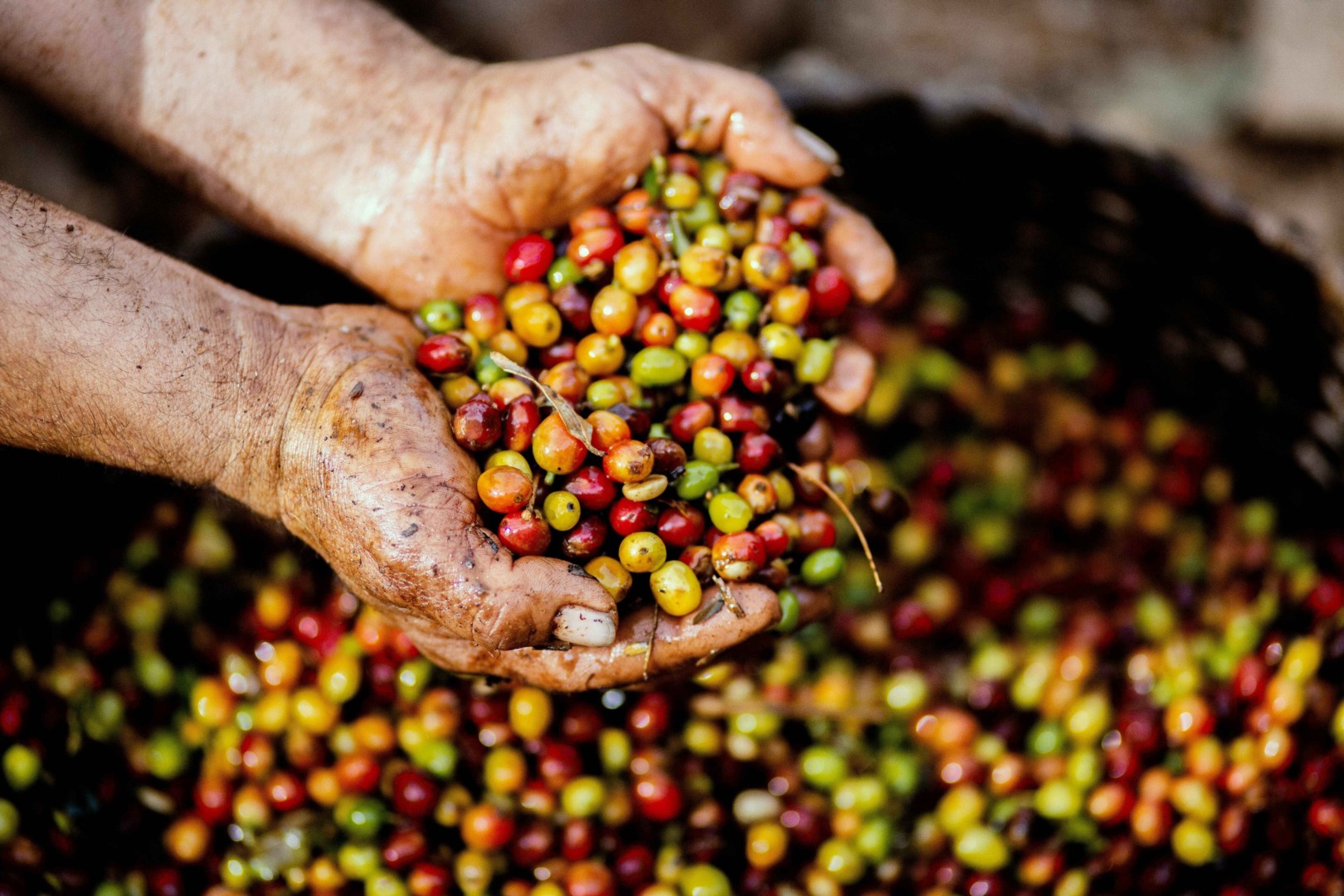
Whether Starbucks coffee farms are truly sustainable depends on how one defines sustainability: as a journey of incremental improvement or a strict adherence to regenerative and ethical standards. Through its C.A.F.E. Practices, Starbucks achieves high transparency and environmental benchmarks, yet challenges regarding farmer living wages and labor enforcement in vast supply chains persist in 2026.
As the largest coffeehouse chain in the world, Starbucks exerts a disproportionate influence on the global coffee market. When the company makes a commitment to sustainability, it affects hundreds of thousands of farmers and millions of acres of land. However, for the conscious consumer in 2026, the question remains: is the "99% ethically sourced" claim a definitive seal of sustainability, or is it a corporate framework that prioritizes supply chain security over radical ecological and social reform?
To answer this, we must look beyond the marketing and evaluate the technicalities of their sourcing programs, the reality of farm-level implementation, and the persistent gaps that critics continue to highlight.
Understanding C.A.F.E. Practices: The Foundation of Starbucks Sourcing
At the heart of Starbucks' sustainability claims is the Coffee and Farmer Equity (C.A.F.E.) Practices program. Launched in 2004 in collaboration with Conservation International and SCS Global Services, it was one of the coffee industry’s first sets of comprehensive ethical sourcing standards.
C.A.F.E. Practices is not a one-time certification like "Organic" or "Fair Trade." Instead, it is a verification program that uses a points-based system across four primary pillars:
1. Economic Transparency
Suppliers (including mills, exporters, and farmers) must submit evidence of payments made for green coffee throughout the supply chain. This is designed to ensure that the farmer receives a fair share of the price Starbucks pays. However, critics often point out that "transparency" does not inherently guarantee a "living wage"—it simply means the flow of money is documented.
2. Social Responsibility
This pillar covers labor rights and living conditions. It includes over 200 indicators regarding wages, working hours, the prohibition of child or forced labor, and the provision of clean water and sanitation for workers. In 2026, the focus has intensified on "preventative monitoring" to catch violations before they reach a crisis point.
3. Environmental Leadership
Farms are evaluated on their ability to protect biodiversity, manage soil health, and reduce agrochemical use. This includes requirements for shade-grown coffee in specific regions and the protection of natural water sources.
4. Coffee Quality
While not strictly a "sustainability" metric in the traditional sense, Starbucks argues that high-quality coffee ensures a long-term market for farmers, which is a prerequisite for economic sustainability.
The Environmental Impact: Regenerative Agriculture and Carbon Sequestration
By 2026, Starbucks has shifted its environmental focus from "damage mitigation" to regenerative agriculture. The goal is no longer just to avoid cutting down trees but to actively improve the ecosystem of the coffee farm.
Water Conservation in Processing
One of the most resource-intensive parts of coffee farming is the "wet mill" process, where the fruit (cherry) is removed from the bean. Historically, this used vast amounts of water and often resulted in "honey water" pollution—acidic runoff that deoxygenates local streams. Starbucks has invested heavily in eco-mills that use up to 80% less water and include filtration systems to treat effluent before it returns to the environment.
Soil Health and Shade-Grown Canopies
Many Starbucks-affiliated farms utilize shade-grown methods. By planting coffee under a canopy of indigenous trees, farms maintain bird habitats and reduce the need for chemical fertilizers. In 2026, Starbucks’ research farm in Costa Rica, Hacienda Alsacia, serves as a global hub for testing climate-resilient coffee hybrids. These hybrids are designed to resist "coffee rust" (a fungal disease) without the heavy application of fungicides, which is a critical component of their environmental sustainability strategy.
The Carbon Neutral Goal
Starbucks has committed to a goal of "carbon-neutral green coffee" by 2030. This involves mapping the carbon footprint of individual farms and implementing "carbon farming" techniques, where trees planted on-site sequester more carbon than the farm produces. While progress has been made, the massive scale of their global footprint makes absolute carbon neutrality a complex moving target.
The Social Dilemma: Living Wages vs. Market Prices
Perhaps the most contentious aspect of Starbucks’ sustainability is the economic welfare of the farmers. While C.A.F.E. Practices requires transparency, the coffee market is notoriously volatile.
The Price Premium Gap
Starbucks pays a premium above the "C-market" (the commodity price of coffee). However, as inflation and climate change-related costs have risen between 2022 and 2026, many smallholder farmers argue that these premiums do not always translate into a living income. A living income is defined as the amount needed for a family to afford a decent standard of living, including food, housing, healthcare, and education.
Labor Enforcement Challenges
With more than 400,000 farmers in the C.A.F.E. Practices program, the sheer scale makes auditing difficult. While third-party organizations like SCS Global Services conduct the audits, they cannot be on every farm every day. There have been documented instances—most notably in Brazil and Central America—where farms verified by C.A.F.E. Practices were later found to have labor violations.
Starbucks responds to these by suspending the farms and requiring remediation, but critics argue that the system is reactive rather than proactive. The "sustainability" of a farm is questionable if the workers on that farm are struggling with debt bondage or substandard housing.
Technical Comparison: C.A.F.E. Practices vs. Other Certifications
To understand if Starbucks coffee farms are "truly" sustainable, it helps to compare their internal standards against external, independent certifications.
| Feature | C.A.F.E. Practices | Fair Trade International | Rainforest Alliance |
|---|---|---|---|
| Primary Focus | Supply chain security & quality | Farmer empowerment & minimum price | Biodiversity & farm management |
| Audit Frequency | Every 1-3 years (risk-based) | Annual/Biennial | Annual/Biennial |
| Guaranteed Price | No (but uses transparency) | Yes (Minimum Price floor) | No (uses "Sustainability Differential") |
| Environmental | High (200+ indicators) | Moderate | Very High |
| Scale | Global (30+ countries) | Global (Specific cooperatives) | Global |
| Third-Party? | Yes (SCS Global Services) | Yes (FLOCERT) | Yes |
The Role of Farmer Support Centers
A unique aspect of the Starbucks model is their Farmer Support Centers (FSCs). Located in key growing regions like Ethiopia, Indonesia, Colombia, and China, these centers provide free technical assistance to farmers, regardless of whether they sell to Starbucks.
By providing soil analysis, agronomist consultations, and climate-smart seedlings, Starbucks is investing in the infrastructure of sustainability. This "open-source" approach to agronomy suggests a commitment to the industry's survival as a whole. In 2026, these centers are increasingly focused on helping farmers diversify their crops—planting macadamia nuts or avocados alongside coffee—so they aren't entirely dependent on a single, weather-sensitive commodity.
Criticisms and "Greenwashing" Concerns
The term "99% ethically sourced" is often scrutinized. Critics argue that the remaining 1% represents millions of pounds of coffee that may come from unverified sources. Furthermore, the "verification" model of C.A.F.E. Practices is sometimes viewed as less rigorous than the "certification" model of Fair Trade.
In a certification model, a product cannot carry the seal unless the farm meets every standard. In a verification model like Starbucks', a farm can still pass even if it scores low in certain "non-zero tolerance" areas, provided its overall score is high enough. This leads to the "truly sustainable" debate: is a farm sustainable if it excels in soil health but provides only the bare minimum of worker housing?
The Verdict for 2026: A System of Managed Progress
Is Starbucks coffee truly sustainable? The answer is not a simple yes or no.
It is sustainable in the sense that:
- It has created a massive, traceable supply chain where none existed before.
- It has successfully incentivized thousands of farmers to protect water sources and reduce pesticide use.
- It provides technical agronomy support that improves long-term farm resilience.
It faces sustainability gaps in the sense that:
- Systemic labor issues in certain regions remain difficult to monitor and eliminate.
- The economic model still leaves many smallholders vulnerable to market fluctuations despite the "Starbucks premium."
- The environmental footprint of a global corporation remains inherently high, even with regenerative practices.
Frequently Asked Questions
Does Starbucks use organic coffee?
While Starbucks offers some certified organic varieties, the majority of their coffee is not certified organic. Their C.A.F.E. Practices program allows for the use of synthetic fertilizers and pesticides, although it encourages the reduction of these chemicals and strictly prohibits the most toxic "World Health Organization Class 1" pesticides.
Is Starbucks coffee Fair Trade?
Only a small percentage of Starbucks' coffee is Fair Trade certified. Starbucks prefers its own C.A.F.E. Practices program because it covers a broader range of environmental and quality metrics that they feel are better suited to their specific supply chain needs.
How does Starbucks handle child labor on farms?
Starbucks has a zero-tolerance policy for child labor. If a farm is found to be using child labor, it is immediately suspended from the program. However, child labor often occurs in "hidden" ways, such as children helping parents on small family plots during harvest season, which remains a difficult systemic issue to solve through audits alone.
What is the 2030 "Greener Coffee" initiative?
This is Starbucks' roadmap to reduce carbon emissions, water usage, and waste in coffee production by 50% by 2030. In 2026, this involves a massive rollout of climate-resistant trees and decentralized water treatment systems at the farm level.
Does "99% ethically sourced" mean the coffee is sustainable?
"Ethically sourced" under C.A.F.E. Practices means the farm has met a specific threshold of environmental and social standards. While it is a significant indicator of sustainability, it is not an absolute guarantee of a zero-impact or "perfect" farm.
Summary and Next Steps for Consumers
If your goal is to support sustainability, Starbucks represents a "high-floor" option. Because of their scale, their baseline requirements for water and soil protection have a massive positive impact on the planet. However, if you are looking for the absolute peak of sustainability—such as direct-trade models where farmers are paid 3x the market rate or bird-friendly regenerative farms—you may find those more often in small-batch, specialty roasters.
Practical Action: For the most sustainable experience at Starbucks, look for the single-origin coffees that often carry additional certifications or are sourced from regions where Starbucks’ Farmer Support Centers have active, high-impact regenerative projects, such as their Costa Rican or Rwandan varieties.