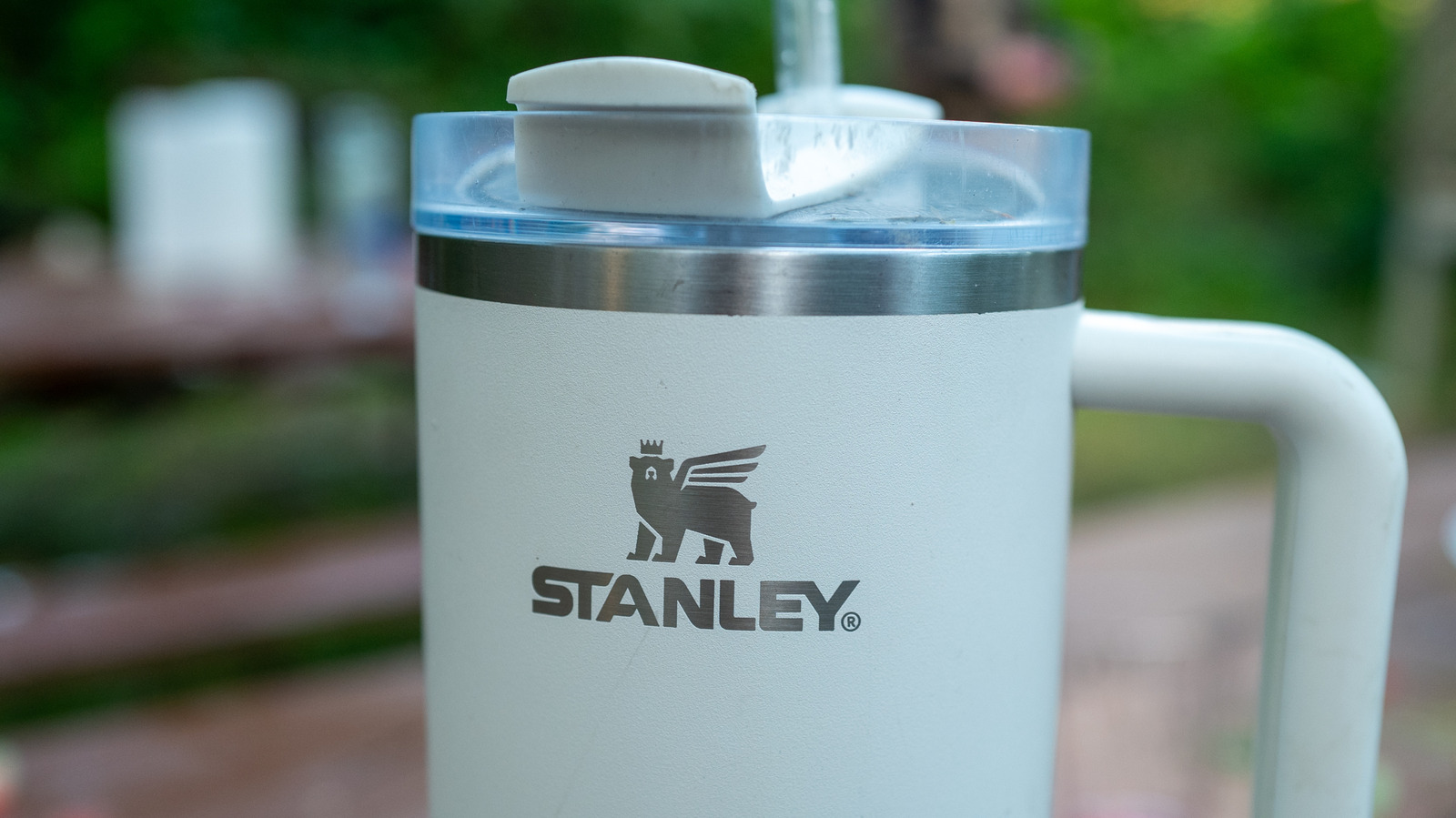
Stanley water bottles, particularly the Quencher H2.0 FlowState Tumbler, are safe for daily use under normal conditions, as the lead used in their manufacturing is encapsulated within a stainless steel barrier. While the company confirms that a lead-based solder is used to create the vacuum seal at the base of the bottle, it remains inaccessible to the user unless the bottom cap is severely damaged or removed.
For several years, the Stanley brand has transitioned from a rugged outdoorsman’s staple to a global cultural phenomenon. However, with massive popularity came intense scrutiny regarding the materials used in these iconic vessels. As of 2026, the conversation around the safety of stainless steel drinkware has matured, moving from viral social media panics to a more nuanced understanding of manufacturing standards and consumer protection. If you own a Stanley or are considering purchasing one, understanding the structural integrity and material composition of these bottles is essential for peace of mind.
The Lead Controversy: Understanding the Vacuum Seal
The primary safety concern that has surrounded Stanley products involves the presence of lead. To understand why lead is involved at all, one must look at the physics of vacuum insulation. To keep drinks cold for 11 hours or iced for two days, Stanley utilizes a double-wall vacuum insulation design. During the manufacturing process, the air between the two stainless steel walls is evacuated to create a vacuum.
To seal this vacuum, a small pellet or "solder" is used. In many legacy manufacturing processes, this sealing pellet contains lead. Stanley has publicly confirmed that their sealing material includes lead, but they emphasize that it is part of an internal component.
The Role of the Stainless Steel "Puck"
The crucial detail in the safety of a Stanley bottle is the circular stainless steel disc, often referred to as the "puck," located at the bottom of the exterior. This disc covers the lead solder point, effectively hermetically sealing it away from the consumer. Under normal circumstances, the lead never comes into contact with your beverage or your skin.
The risk only manifests if this bottom cap is detached, which is rare but possible through extreme wear, heavy impact, or manufacturing defects. If the disc falls off and exposes the small bead of solder, there is a theoretical risk of lead exposure upon contact. However, for the vast majority of users, the structural design provides a complete barrier.
Why Lead Was Used in the First Place
Lead-based solders have historically been preferred in industrial manufacturing because of their low melting point and excellent sealing properties. In the context of vacuum-insulated bottles, a perfect seal is mandatory to maintain thermal performance. While newer, lead-free "glass frit" sealing methods have become more common among competitors, Stanley’s traditional manufacturing pipeline relied on the encapsulated lead method for decades without significant incident until consumer testing became a viral trend.
Material Composition: What is a Stanley Made Of?
Beyond the lead debate, the safety of a water bottle depends on every material that touches your drink. Stanley uses several different materials to ensure durability and thermal efficiency, and each has its own safety profile.
18/8 Stainless Steel (304 Grade)
The body of nearly every Stanley bottle is made from 18/8 stainless steel, also known as Type 304. This is a food-grade material composed of 18% chromium and 8% nickel. Stainless steel is widely regarded as one of the safest materials for food and beverage storage because it is non-reactive and does not leach chemicals into the liquid, unlike some low-quality plastics or unlined aluminum.
The 304 grade is particularly resistant to corrosion and oxidation, making it ideal for a product intended to last a lifetime. In 2026, this remains the gold standard for high-end reusable drinkware, providing a durable shell that can withstand significant drops without compromising the internal vacuum.
BPA/BPS and Plastic Components
The lids, straws, and handles of Stanley bottles are made from plastic and silicone. Stanley states that all of their products are BPA-free. Bisphenol A (BPA) is a chemical often used in plastics that has been linked to various health issues, particularly concerning endocrine disruption.
By 2026, most reputable brands have moved toward BPA-free and BPS-free (Bisphenol S) materials. The plastic used in Stanley lids is typically a heavy-duty polypropylene, which is considered safe for contact with food and can handle both cold and hot liquids without degrading significantly over time.
The Silicone Seal and Straw
The Quencher models include a silicone gasket and a reusable plastic straw. Silicone is a stable, non-toxic material that is highly resistant to temperature changes. It provides the "FlowState" lid with its splash resistance. While the straw is made of a rigid plastic, it is also tested to ensure it meets food-safety standards and does not leach phthalates or other harmful additives into your water.
Comparing Stanley Safety to Market Competitors
When evaluating whether a Stanley is "safe enough," it is helpful to look at how other industry leaders handle their manufacturing. The shift toward "lead-free" certification has become a major marketing point in the mid-2020s.
| Brand | Sealing Material | Primary Body Material | BPA Status | Lead-Free Certified? |
|---|---|---|---|---|
| Stanley | Lead-containing solder (encapsulated) | 18/8 Stainless Steel | BPA-Free | No (Encapsulated) |
| Hydro Flask | Lead-free glass frit | 18/8 Stainless Steel | BPA-Free | Yes |
| Owala | Lead-free glass frit | 18/8 Stainless Steel | BPA-Free | Yes |
| Klean Kanteen | Lead-free glass frit | 18/8 Stainless Steel | BPA-Free | Yes |
| YETI | Lead-containing solder (encapsulated) | 18/8 Stainless Steel | BPA-Free | No (Encapsulated) |
As shown in the table, many of Stanley’s direct competitors have moved to a lead-free sealing process known as glass frit sealing. This process replaces the lead pellet with a glass-based material that provides a vacuum seal without the presence of heavy metals. While Stanley and YETI have historically used the encapsulation method, the safety of these products remains high as long as the protective barrier is intact.
How to Identify a Damaged or Unsafe Bottle
For the average consumer, the "safety" of a Stanley is less about the lead inside and more about the condition of the bottle. A damaged bottle can lose its insulation properties and, in extreme cases, expose the user to internal materials.
Identifying Vacuum Seal Failure
If your Stanley suddenly stops keeping ice cold or the exterior of the bottle feels hot when you fill it with tea, the vacuum seal has likely failed. This usually happens because of a hairline fracture in the stainless steel or a compromise at the base. While a lost vacuum doesn't necessarily mean you are being exposed to lead, it does mean the bottle is no longer functioning as intended.
The Bottom Cap Check
Periodically inspect the bottom of your tumbler. The stainless steel disc should be firmly attached and show no signs of peeling or loosening. If the disc falls off, you will see a small, typically silver or gray bead in the center of the base. If this bead is exposed:
- Stop using the bottle immediately.
- Do not attempt to glue the cap back on yourself.
- Contact Stanley customer service. Stanley offers a lifetime warranty on many of their products, and exposure of the sealing pellet is generally covered under manufacturing defects or structural failure.
Wear and Tear on Lids and Straws
Plastic components do not last as long as stainless steel. Over years of use, the plastic on the lid may develop scratches or "crazing." These tiny cracks can harbor bacteria even after washing. In 2026, it is recommended to replace your lid or straw every 12 to 24 months if you notice significant staining, odors that won't go away, or visible degradation of the plastic surface.
Cleaning and Maintenance for Long-Term Safety
Safety is also a matter of hygiene. Reusable water bottles are notorious breeding grounds for mold and biofilm if not cleaned properly.
- Dishwasher Safety: Most modern Stanley Quenchers and bottles are labeled as dishwasher safe. High heat in a dishwasher is effective at killing bacteria. However, frequent dishwashing can sometimes weaken the powder coat finish on the exterior.
- Deep Cleaning the Lid: The FlowState lid has a rotating cover that can trap moisture. You should regularly disassemble the lid components—removing the silicone seal and the rotating piece—to ensure no mold is growing in the crevices.
- Straw Hygiene: Use a dedicated straw brush to clean the inside of the straw. Because straws remain damp for long periods, they are the most common site for mold accumulation.
- Avoid Abrasive Chemicals: Do not use bleach or cleaners containing chlorine to wash your stainless steel. These chemicals can break down the protective chromium oxide layer of the steel, leading to pitting or rusting, which can compromise the safety of the metal.
The Regulatory Landscape and Legal Status
As we move through 2026, the regulation of heavy metals in consumer products has become stricter. The U.S. Consumer Product Safety Commission (CPSC) and the Food and Drug Administration (FDA) monitor reports of lead exposure in children's products and food-contact surfaces.
FDA and CPSC Standards
Currently, Stanley products meet all U.S. federal requirements. The CPSC regulates lead content in products intended for children, setting a limit of 100 parts per million (ppm) for accessible lead. Because the lead in a Stanley is inaccessible during normal use, it technically complies with these safety standards. However, consumer advocacy groups have argued that the "inaccessible" definition is too lenient, given that bottles are often dropped or damaged.
Brand Responsibility and Transparency
In response to the 2024 controversies, Stanley has increased its transparency regarding material sourcing. While the company has maintained that its products are safe, the market pressure from "lead-free" competitors has forced a shift in consumer expectations. If you are purchasing a Stanley in 2026, you can verify the specific material disclosures on the official Stanley-PMI website.
Potential Health Risks of Lead Exposure
While the risk from a Stanley is extremely low, it is important to know why the concern exists. Lead is a potent neurotoxin. Even low levels of exposure can lead to:
- Developmental delays in children.
- Kidney damage.
- Reproductive issues.
- Cardiovascular problems in adults.
Because lead accumulates in the body over time, the medical community generally agrees that there is no "safe" level of lead exposure. This is why the presence of lead in a household item—even if encapsulated—remains a point of contention for many health-conscious consumers. If you have a broken bottle and believe you have touched the solder, washing your hands thoroughly with soap and water is the standard recommendation to prevent accidental ingestion.
Frequently Asked Questions
Does the water inside a Stanley touch lead?
No. The lead solder is located on the exterior of the inner flask, at the very bottom of the bottle. It is separated from your drink by a layer of solid 18/8 stainless steel. Your beverage only comes into contact with the food-grade stainless steel interior, the plastic lid, and the silicone seal.
Are Stanley bottles safe for children to use?
Stanley bottles are generally considered safe for children, but parents should be diligent about inspecting the bottle for damage. Because children are more likely to drop their bottles or treat them roughly, there is a slightly higher risk of the bottom cap becoming dislodged. Many pediatricians recommend lead-free certified bottles (like those from Owala or Klean Kanteen) for toddlers and young children for an extra margin of safety.
Can I test my Stanley for lead at home?
You can use a home lead test kit (often using reactive swabs), but testing the inside of the bottle will yield a negative result because there is no lead there. If you want to test the safety of your bottle, you would need to test the area under the bottom cap if it has fallen off. Note that some inexpensive home swabs are prone to false positives or negatives; professional lab testing is the only definitive method.
What should I do if the bottom of my Stanley falls off?
If the circular stainless steel disc at the bottom of your bottle comes off, you should stop using the bottle. Contact Stanley’s warranty department. Do not touch the exposed solder bead. While the amount of lead is small, it is best to avoid any direct skin contact or potential for the lead to rub off onto other surfaces.
Is the paint on Stanley bottles safe?
Yes. The exterior powder coating or paint used on Stanley products is lead-free and non-toxic. Even if the paint chips or peels over time, it does not pose a lead poisoning risk. Chipping is usually a cosmetic issue rather than a safety concern, though it may indicate that the bottle has been subjected to high heat or harsh chemicals.
Final Recommendations for Consumers
When it comes to the safety of Stanley water bottles in 2026, the evidence supports that they are safe for their intended use. The encapsulation of lead solder is a standard engineering practice that prevents exposure under normal conditions.
If you are a current owner, continue using your bottle with confidence, provided you perform regular inspections of the bottom cap. If you are a parent buying for a young child, or if you are personally uncomfortable with the presence of lead in any capacity, you may prefer to opt for brands like Hydro Flask or Owala, which have achieved 100% lead-free certification across their entire manufacturing process.
Ultimately, the greatest safety risk associated with any reusable water bottle is not heavy metal exposure, but bacterial growth. Regardless of the brand you choose, prioritize daily cleaning and regular replacement of plastic straws and silicone gaskets to ensure your hydration remains healthy.