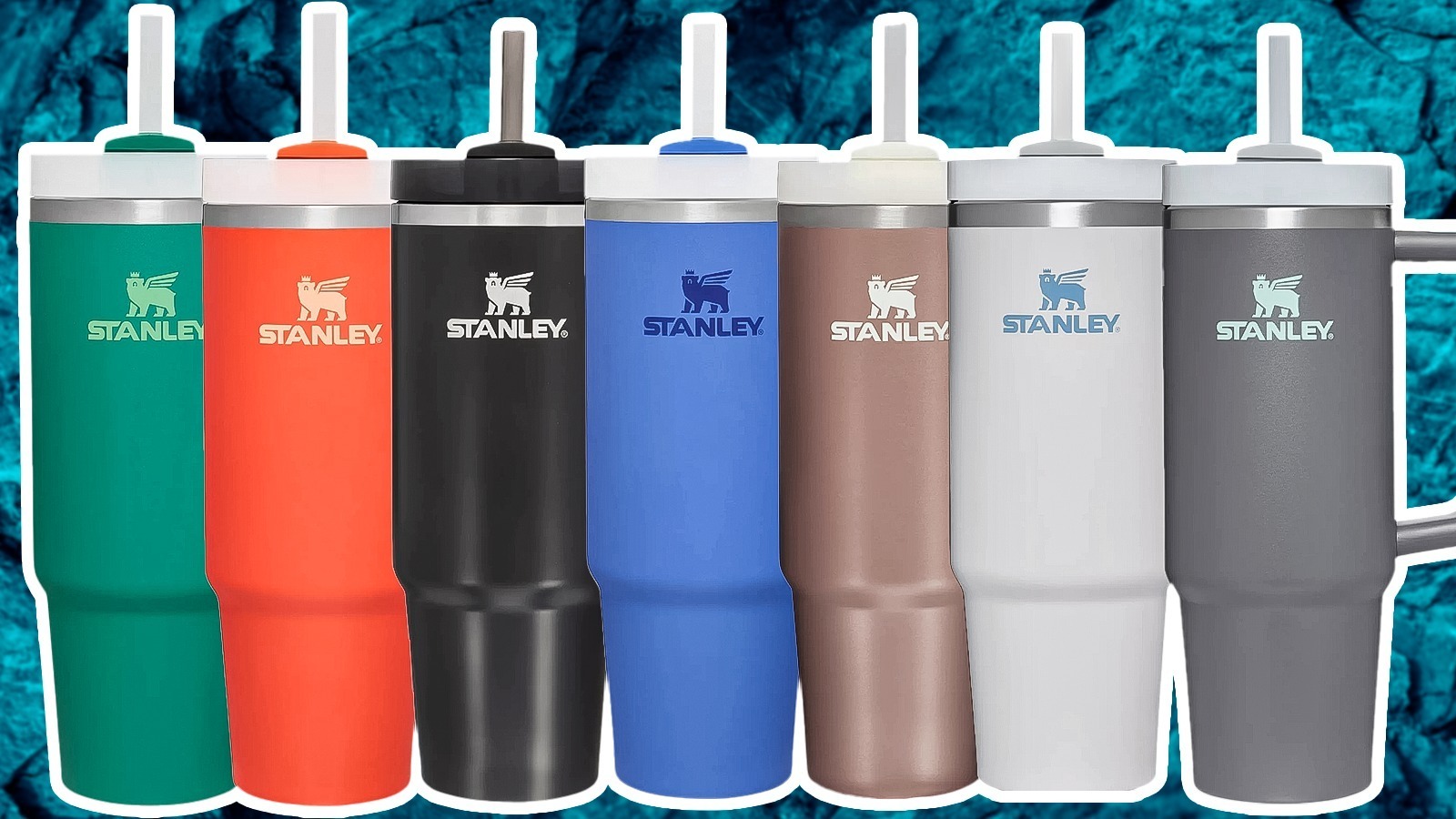
Stanley cups are safe to drink from under normal operating conditions because the lead used during manufacturing is strictly confined to a vacuum-sealing pellet at the base. This pellet is entirely encapsulated by a permanent stainless steel barrier, preventing any lead from contacting your beverage or your skin during use.
The massive surge in popularity of the Stanley Quencher and other insulated drinkware has brought intense scrutiny to the materials used in their construction. While the brand has been a household name for over a century, the social media era has raised valid questions about the chemical safety of these ubiquitous tumblers. As we navigate 2026, it is essential to distinguish between the presence of lead in a manufacturing process and the actual risk of lead exposure to the consumer. This comprehensive guide examines the technical construction of Stanley cups, the regulatory landscape surrounding drinkware safety, and the practical steps you can take to ensure your hydration remains toxin-free.
Understanding the Manufacturing Process: The Role of Lead
To understand why a modern stainless steel cup would contain lead at all, one must look at the physics of vacuum insulation. Stanley utilizes a double-wall vacuum insulation design, which is the industry standard for maintaining temperature for extended periods. This design involves two layers of stainless steel with a vacuum—a space devoid of matter—sandwiched between them.
Why Is Lead Used in Vacuum Insulation?
In many insulated vessels, lead is used in the "sealing pellet" or "solder" located at the base of the cup. During the manufacturing process, a small hole is left in the outer wall to allow machines to pump out the air, creating the vacuum. Once the vacuum is established, this hole must be sealed immediately to prevent air from rushing back in.
Lead-based glass frit or solder has historically been the preferred material for this task because of its low melting point and its ability to create an airtight, durable seal. This process, known as "slug-sealing," has been used across the industry for decades. In a Stanley cup, this lead pellet is located at the very bottom of the vessel, on the exterior of the inner wall but inside the outer shell.
The Encapsulation Mechanism
The critical safety feature of the Stanley design is the stainless steel cover (often called the "medallion" or "bottom cap") that is applied over the sealing pellet. In 2026, Stanley continues to emphasize that this cover is designed to be permanent. As long as this bottom cap remains intact, the lead pellet is inaccessible. It does not touch the water inside the cup, nor does it touch the user’s hand.
Assessing the Risk of Lead Exposure
The primary concern for consumers is whether this lead can "leach" into their drinks. Chemically, leaching requires direct contact between a solvent (your water or coffee) and the material containing the lead. Because the lead is located outside the internal chamber where the liquid sits, leaching into the beverage is physically impossible unless the internal stainless steel wall is breached—a level of damage that would also destroy the vacuum insulation and render the cup useless.
When Does Exposure Become a Reality?
The risk of exposure only manifests if the cup undergoes significant structural failure. If the bottom cap of the Stanley cup is pried off or falls off due to a severe impact, the lead-containing sealing pellet becomes exposed. If a user were to touch this pellet and then touch their mouth, or if the pellet were to chip off into a surrounding environment, exposure could occur.
It is important to note that lead exposure is cumulative. While a single touch might not cause immediate illness, the goal of modern safety standards is to eliminate all preventable sources of lead in the domestic environment, especially for children whose developing brains are more susceptible to neurotoxic effects.
Signs of a Damaged Vacuum Seal
If you are concerned about the integrity of your cup, look for these indicators that the vacuum seal—and potentially the protective barrier—has been compromised:
- Temperature Transfer: If the outside of the cup feels hot when filled with coffee or cold when filled with ice, the vacuum has failed.
- Rattling Sounds: A loose pellet or piece of solder inside the bottom cavity can indicate that the seal is breaking down.
- Detached Bottom Cap: If the circular plate on the bottom of the cup is missing or loose, stop using the cup immediately and contact the manufacturer.
Testing and Regulatory Compliance
In 2026, the regulatory environment for consumer products is more stringent than ever. Stanley products are required to comply with standards set by the U.S. Food and Drug Administration (FDA) and the Consumer Product Safety Commission (CPSC).
Third-Party Verification
Stanley employs third-party accredited laboratories to verify that their products meet global regulatory requirements, including Proposition 65 in California and the EU’s REACH regulations. These tests check for the presence of heavy metals not just in the insulation seal, but in the paints, coatings, and plastics used throughout the product.
The Limitations of At-Home Lead Tests
Many consumers have attempted to use "lead check" swabs purchased online to test their Stanley cups. However, experts and toxicologists warn that these swabs are often designed for detecting lead in paint or on porous surfaces. When used on smooth stainless steel, they can yield false positives or false negatives. Furthermore, a swab will only show a positive result if the lead is already exposed. Testing the inside of a functional Stanley cup with a swab will consistently yield a negative result because there is no lead present in the interior lining.
Comparison Table: Material Safety and Construction
To help you understand how Stanley compares to the broader market, the following table breaks down the materials and safety features typical of high-end insulated drinkware in 2026.
| Feature | Stanley Quencher/Tumbler | Industry Standard (Generic) | Lead-Free Alternatives |
|---|---|---|---|
| Main Body Material | 18/8 (304) Stainless Steel | 201 or 304 Stainless Steel | 18/8 (304) Stainless Steel |
| Insulation Type | Double-wall Vacuum | Double-wall Vacuum | Double-wall Vacuum |
| Sealing Material | Lead-containing pellet (Encapsulated) | Lead-containing solder | Glass frit or lead-free solder |
| Lid Material | BPA/BPS-free Plastic | Varies (often BPA-free) | BPA/BPS-free or Stainless Steel |
| Exposure Risk | Negligible (unless damaged) | Moderate (if poorly constructed) | Zero (for lead) |
| Dishwasher Safe | Most models (check label) | Often hand-wash only | Varies by brand |
Safe Usage and Maintenance Guidelines
Proper maintenance is the best way to ensure that your Stanley cup remains safe and functional for years. While the cups are rugged, they are not indestructible.
Cleaning Best Practices
While many modern Stanley models are labeled as dishwasher safe, frequent high-heat cycles in the dishwasher can eventually weaken the adhesives and seals at the base of the cup.
- Hand Washing: To maximize the lifespan of the vacuum seal, hand washing with mild detergent and a soft brush is recommended.
- Avoid Abrasives: Do not use steel wool or harsh chemicals on the exterior paint or the interior lining, as this can create micro-scratches where bacteria can grow.
- Lid Maintenance: Disassemble the lid components (including the rotating cover and silicone gaskets) weekly to prevent mold buildup, which is a much more common health hazard than lead exposure in these products.
When to Replace Your Stanley Cup
You should consider replacing your tumbler if you notice any of the following:
- Structural Cracks: Deep dents or cracks in the stainless steel that might compromise the vacuum.
- Missing Components: If the bottom medallion is gone, the lead seal is potentially exposed.
- Lingering Odors: If the interior retains smells or tastes despite thorough cleaning, the stainless steel may have developed deep pitting or a biofilm that is difficult to remove.
Alternatives and Innovations in Drinkware
If the presence of lead—even encapsulated—is a dealbreaker for you, the market in 2026 offers several alternatives. Brands like Hydro Flask and Owala transitioned to lead-free sealing processes (often using a glass frit seal) years ago. These processes are generally more expensive and technically demanding, which is why they haven't been adopted by every manufacturer.
Furthermore, some consumers are moving back to glass or ceramic-lined vessels. While these do not offer the same "drop-proof" durability as stainless steel, they offer a completely inert drinking surface that is naturally free of heavy metals and plasticizers.
Frequently Asked Questions
Can lead leach into my water if the cup is scratched?
No. Scratches on the interior or exterior of the cup do not expose lead. The lead is located in a specific, sealed point at the base of the unit, separate from the walls of the container. Surface scratches merely affect the aesthetics of the 18/8 stainless steel.
Is the straw that comes with the Stanley cup safe?
Yes, the straws provided with Stanley cups are made from food-grade plastic and are BPA-free. However, plastic straws can degrade over time if exposed to extreme heat or if chewed. It is advisable to replace the straw every 6 to 12 months or switch to a stainless steel or silicone alternative for long-term use.
What should I do if the bottom cap falls off?
If the bottom cap (the circular disk on the base) falls off, you should stop using the cup immediately. This cap is the primary safety barrier for the lead sealing pellet. Contact Stanley's customer service regarding their lifetime warranty; in most cases, a detached bottom cap is considered a manufacturing defect and is eligible for a replacement.
Are Stanley cups safe for children?
Stanley cups are safe for children to drink from, but parents should be mindful of the weight of the larger tumblers and the potential for the bottom cap to be damaged if dropped frequently on hard surfaces. For toddlers, specialized lead-free children's bottles from brands that prioritize "zero-lead" manufacturing may provide additional peace of mind.
Why doesn't Stanley just use lead-free solder?
Transitioning a global supply chain to a new sealing process is a massive industrial undertaking. While Stanley has expressed commitment to exploring lead-free alternatives in their manufacturing, the current encapsulated lead method remains a cost-effective and highly durable way to maintain a vacuum seal, which is the core functionality of the product.
Final Recommendation
Based on the technical construction and the lack of accessible lead in functional units, Stanley cups are safe for consumer use. The risk of lead exposure is statistically insignificant as long as the vessel remains in good repair. If you own a Stanley cup, your primary focus should be on maintaining the integrity of the base and ensuring the lid is cleaned regularly to prevent bacterial growth. If you are purchasing a new cup and have a zero-tolerance policy for lead in the manufacturing process, you may prefer brands that explicitly market a lead-free vacuum-sealing process. However, for the millions of current Stanley owners, there is no scientific evidence suggesting that drinking from these cups poses a lead poisoning risk under normal circumstances.