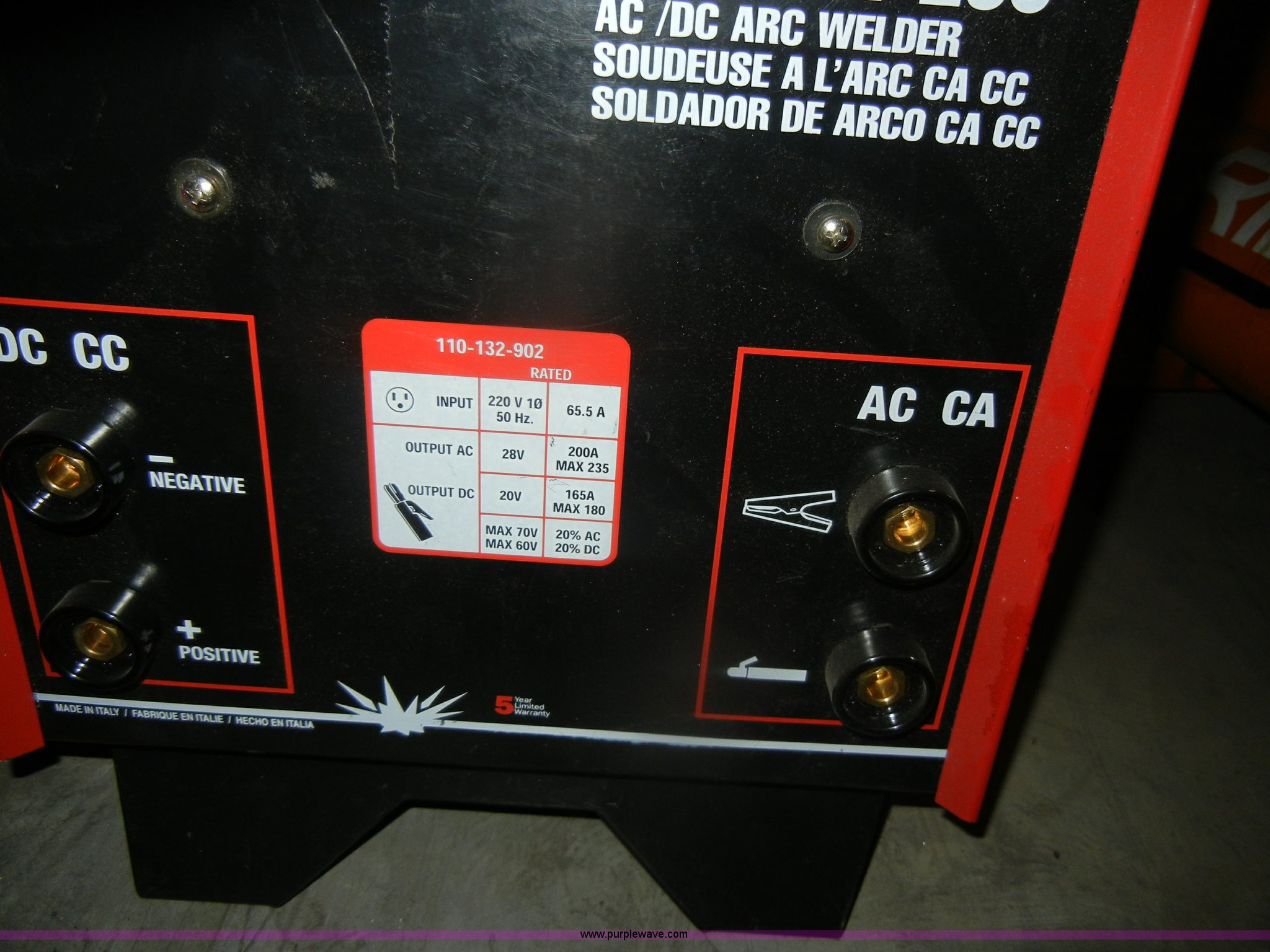
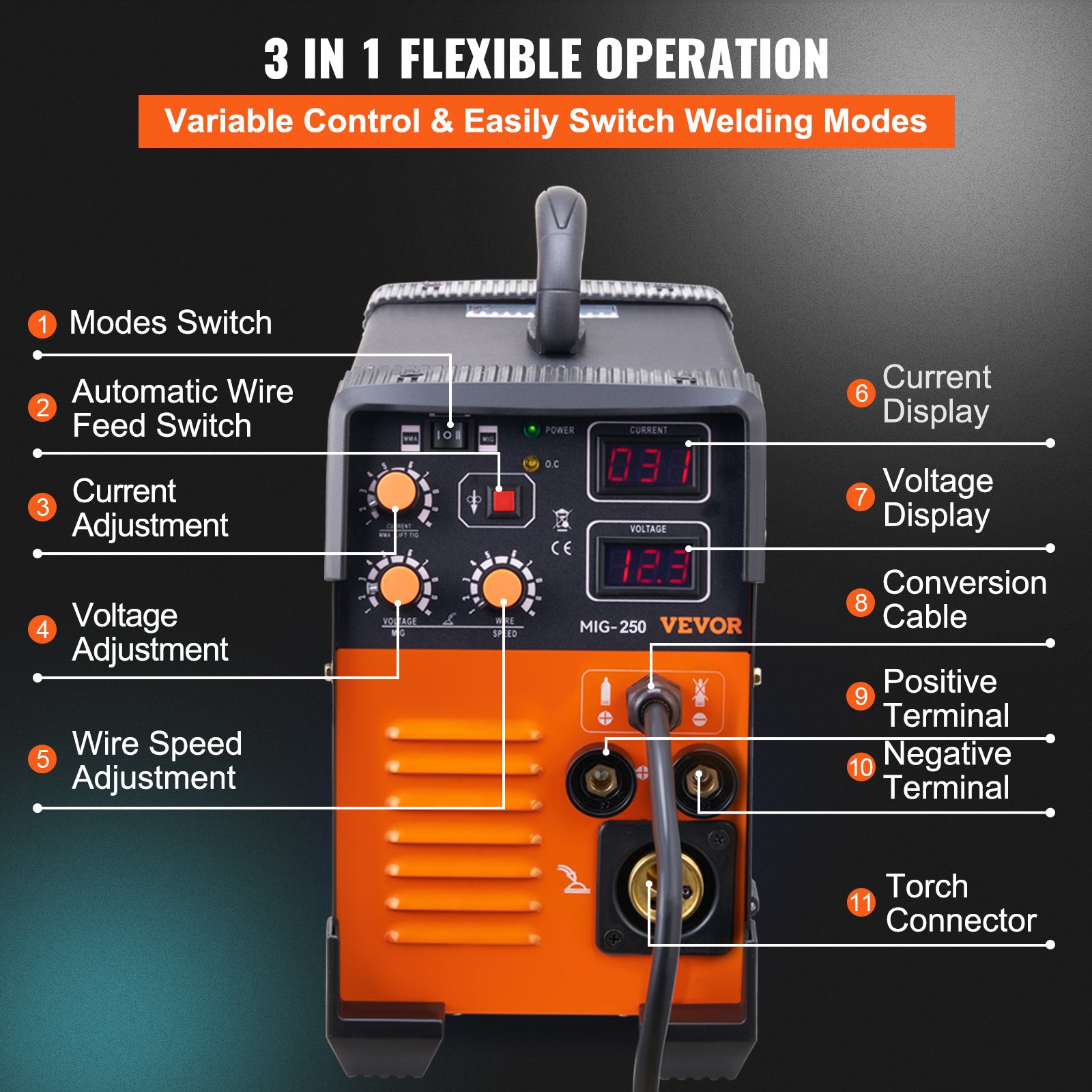
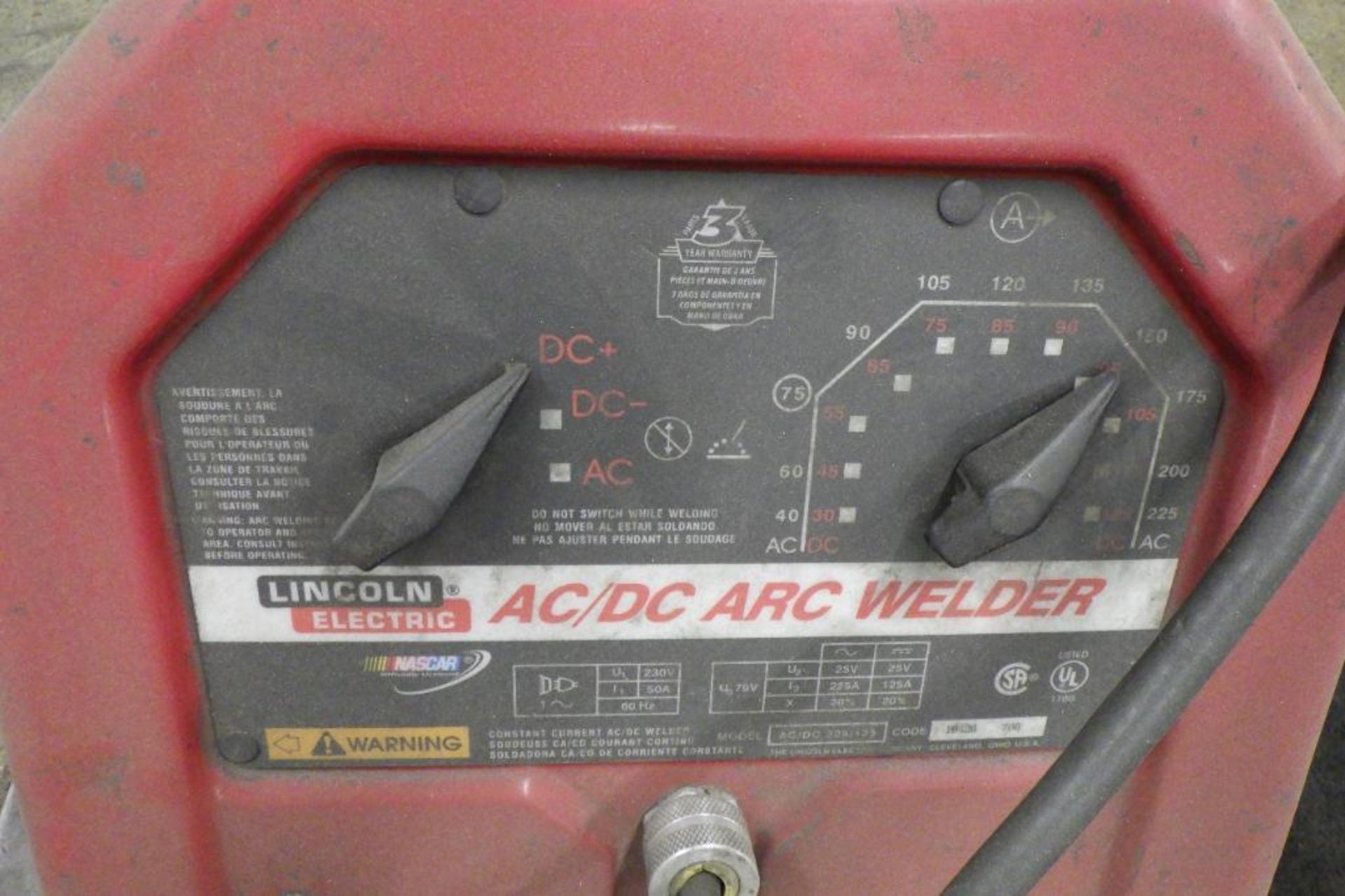
Choosing between alternating current (AC) and direct current (DC) for your arc welder is a fundamental decision that dictates the quality of your welds, the type of electrodes you can utilize, and the overall stability of your arc. While many modern welding machines offer dual capability, understanding the technical distinctions between AC and DC output is essential for achieving professional-grade results across various metals and joint configurations.
At its core, DC welding provides a steady, unidirectional flow of electricity, resulting in a smooth arc and minimal spatter, which is ideal for precise work on steel and stainless steel. In contrast, AC welding rapidly alternates polarity, which helps prevent magnetic arc blow and is specifically required for welding aluminum or cleaning contaminated metals with certain specialized electrodes.
The Physics of Current Flow in Welding
To understand why current choice matters, one must first look at the flow of electrons within the welding circuit. In a standard arc welding process—such as Shielded Metal Arc Welding (SMAW), commonly known as stick welding—the machine acts as a power source that creates an electrical potential difference between the electrode and the workpiece.
Direct Current (DC) Characteristics
DC welding operates like a battery, where the current flows in only one direction. This creates a constant, predictable environment for the arc. Because the flow is unidirectional, you have two primary configuration options:
- DCEN (Direct Current Electrode Negative): Electrons flow from the electrode to the workpiece. This configuration typically concentrates more heat on the electrode, causing it to melt faster.
- DCEP (Direct Current Electrode Positive): Electrons flow from the workpiece to the electrode. This is generally preferred for deeper penetration, as more heat is concentrated on the base metal.
DC is prized for its stability. Because the current does not pass through a "zero point" (as it does in AC), the arc is less likely to extinguish, making it easier for beginners to strike and maintain an arc.
Alternating Current (AC) Characteristics
AC welding reverses direction 120 times per second (in a 60Hz power system). This constant oscillation means the arc effectively "passes through" zero intensity every half-cycle. To compensate for this, AC welding machines are designed to reignite the arc rapidly, which is why AC arcs can sound like a buzzing or humming noise compared to the smoother sizzle of DC.
The primary mechanical advantage of AC is the elimination of magnetic arc blow. When welding with DC, strong magnetic fields can build up around the weld pool, causing the arc to wander erratically. Because AC current is constantly changing direction, these magnetic fields do not have the opportunity to stabilize and distort the arc, making AC the standard for specialized applications where magnetic interference is problematic.
Comparison of AC and DC Welding Capabilities
Selecting the right current often comes down to the material being joined and the electrode chosen. The table below outlines the primary functional differences:
| Feature | DC (Direct Current) | AC (Alternating Current) |
|---|---|---|
| Arc Stability | Very High | Moderate |
| Spatter Level | Low | Higher |
| Best For | Mild steel, stainless, alloys | Aluminum, cast iron, thick sections |
| Arc Blow | Prone to magnetic interference | Naturally eliminated |
| Penetration | Deep and controllable | Shallower and wider |
| Equipment | Often more expensive | Usually simpler transformer-based |
Why Material Choice Dictates Your Power Source
The most critical factor in your decision-making process is the material you are welding. While steel can be welded with either current, your choice will influence the quality of the finish and the ease of the process.
Welding Mild and Alloy Steels
For most carbon steel projects, DC is the industry preference. The ability to switch between DCEP and DCEN allows the operator to control penetration profiles. For example, using DCEP on a thick steel plate allows for the deep heat penetration required for structural integrity. If you are welding thin-gauge sheet metal, DCEN provides a cooler arc that is less likely to burn through the material.
Handling Aluminum
Aluminum is notoriously difficult to weld with DC because it forms a thick, insulating layer of oxide on the surface. AC welding is essential here because the reversing polarity acts as a mechanical cleaning agent. During the electrode-positive half of the cycle, the arc effectively "scours" the surface, breaking down the oxide layer, while the electrode-negative half provides the heat to melt the base metal.
Troubleshooting Magnetic Arc Blow
If you are welding in a tight corner or using a large electrode on a massive steel structure, you may notice the arc "blowing" away from the weld joint. This is a common issue with DC welding caused by the accumulation of magnetic flux. If you lack the ability to reposition your ground clamp or use a smaller electrode, switching to an AC output—if your machine supports it—is often the only way to stabilize the arc and finish the weld successfully.
Operational Considerations and Safety
Regardless of whether you choose AC or DC, the welding environment remains hazardous. Safety protocols must be strictly followed to prevent electric shock, burns, and respiratory issues caused by welding fumes.
- Grounding: Always ensure your ground clamp is attached directly to the workpiece, not to a table that may have loose connections. A poor ground path increases the likelihood of arc instability and dangerous voltage spikes.
- Electrode Compatibility: Not all electrodes are designed for both AC and DC. Standard 6010 electrodes, for example, are DC-only and will fail to hold an arc on an AC machine. Conversely, 7018 electrodes are highly versatile and perform well on both, though they are favored by many for their smooth DC characteristics.
- Duty Cycle: Operating your machine at high amperages for extended periods can cause internal components to overheat. Check your machine's manual for its specific duty cycle—the number of minutes out of a ten-minute period it can operate at a certain current setting without needing to cool down.
Common Mistakes for Beginners
A common error among newcomers is attempting to use electrodes incompatible with their current setting. If you find your arc keeps snapping or feels "gossamer" and unstable, verify that your electrode is rated for the current you have selected. Another frequent issue is assuming that "more power is better." High amperage settings increase heat, which can lead to warping of the base metal, especially in thinner sections. It is always better to dial in your settings on a scrap piece of the same material and thickness before beginning your actual project.
Frequently Asked Questions
Is AC or DC better for a beginner?
DC is generally considered superior for beginners. The increased arc stability makes it significantly easier to maintain a consistent puddle, which helps you learn the necessary muscle memory for travel speed and electrode angle without the frustration of an erratic arc.
Can I weld aluminum with a standard stick welder?
While possible, it is extremely difficult. Most stick welders lack the high-frequency start and square-wave control required for professional-grade aluminum welding. If you need to weld aluminum, a TIG welder with AC capability is the industry-standard tool.
What is "Arc Blow" and how do I stop it?
Arc blow is the magnetic deflection of the arc away from the weld pool. To stop it when using DC, try moving your ground clamp to a different position on the workpiece or welding toward your ground connection. If the problem persists, switching to AC is the most effective solution.
Why do some electrodes say "AC/DC"?
These electrodes have special coatings (flux) formulated to maintain a stable ionization of the arc even when the current crosses the zero-point in AC mode. These are the most convenient electrodes for hobbyists, as they provide maximum flexibility.
Does the current setting affect the strength of the weld?
The current type does not inherently determine strength—the penetration and fusion do. A well-executed weld using either AC or DC that achieves proper penetration will meet the same structural requirements. The choice of current is about operational control and material suitability, not final weld strength.
Final Recommendation for Operators
For most general-purpose fabrication in 2026, investing in an inverter-based multiprocess welder that offers both AC and DC output is the most strategic choice. These machines are increasingly compact and provide the versatility to handle everything from thin-gauge steel repair to complex aluminum work. Start your journey by practicing with DC on mild steel, as this provides the most immediate feedback and the highest success rate, allowing you to master your technique before moving into more challenging materials that require AC.