Arburg, a family-owned enterprise based in Lossburg, Germany, is a global leader in plastic processing technology. The company specializes in the design and manufacture of high-performance injection molding machines, additive manufacturing systems, and turnkey automation solutions. Recognized for its commitment to energy efficiency, digital integration, and modular engineering, Arburg serves a diverse range of high-precision industries including medical, automotive, and consumer electronics.
The Foundation of Arburg’s Market Position
Arburg occupies a unique space in the manufacturing sector because it manages the entire value chain of its machine production in-house. While many competitors outsource critical components, Arburg maintains a high degree of vertical integration at its headquarters in Lossburg. This strategy allows the company to maintain stringent quality controls and facilitates the rapid implementation of custom engineering requirements for its global client base.
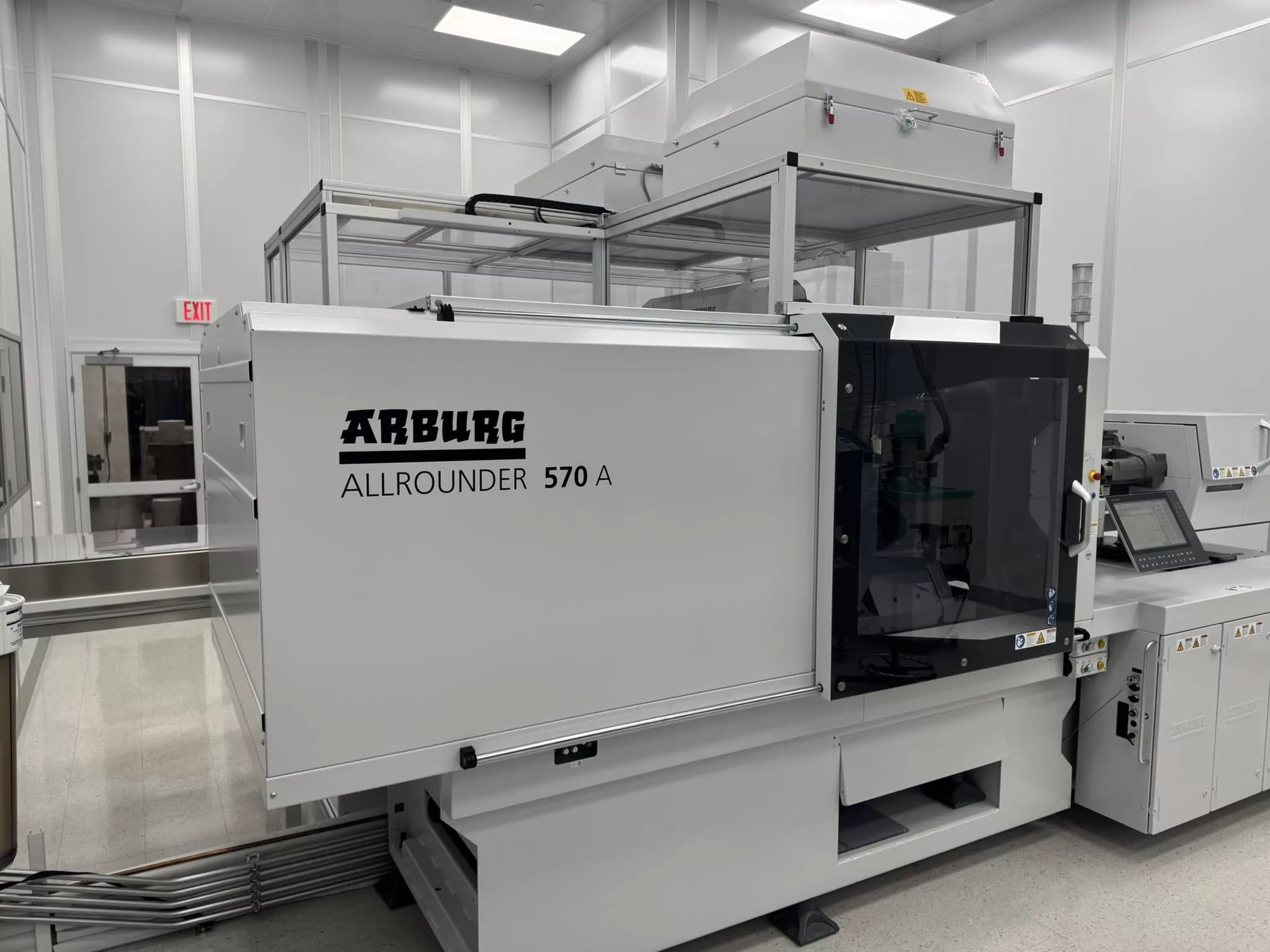
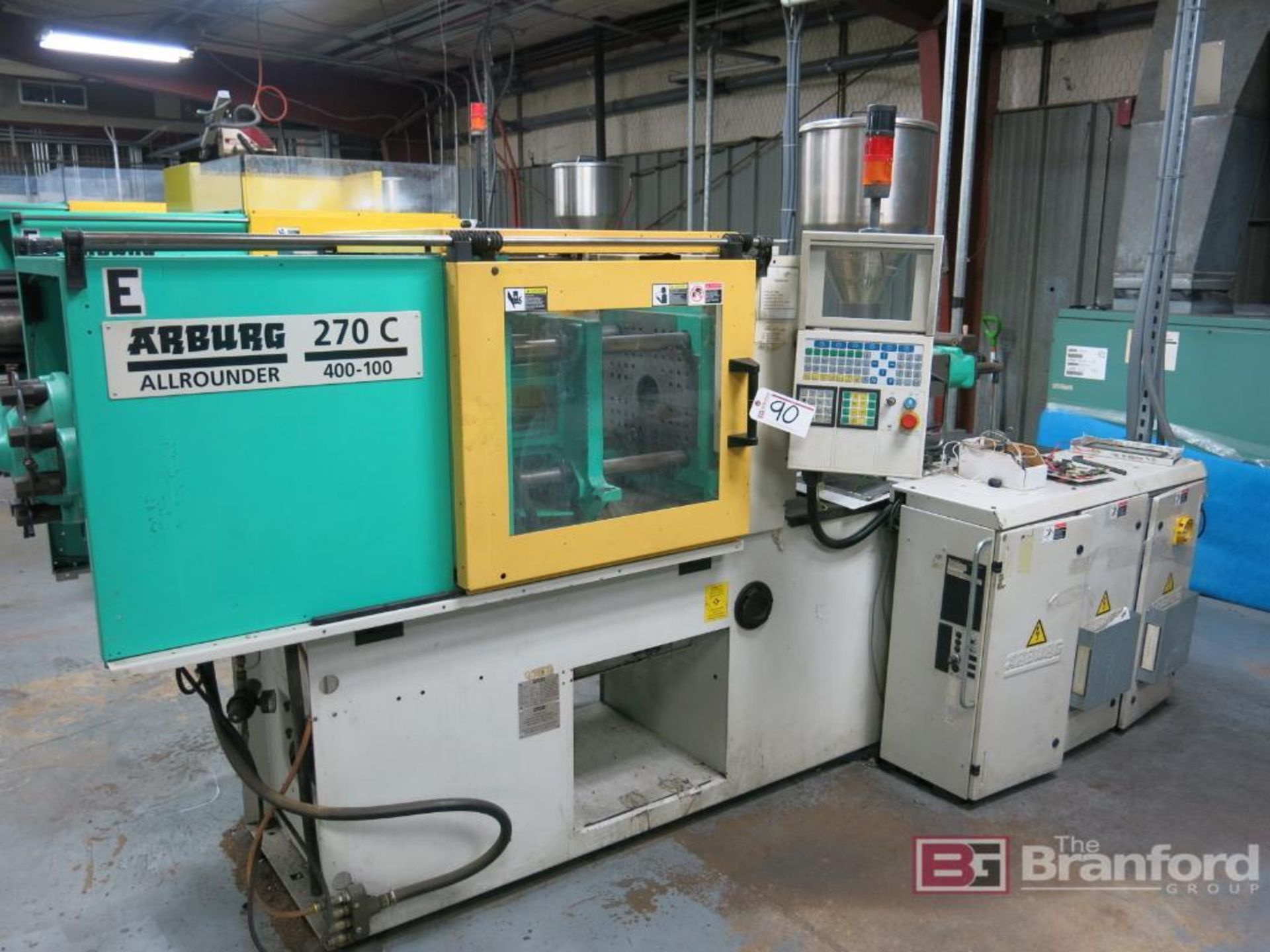
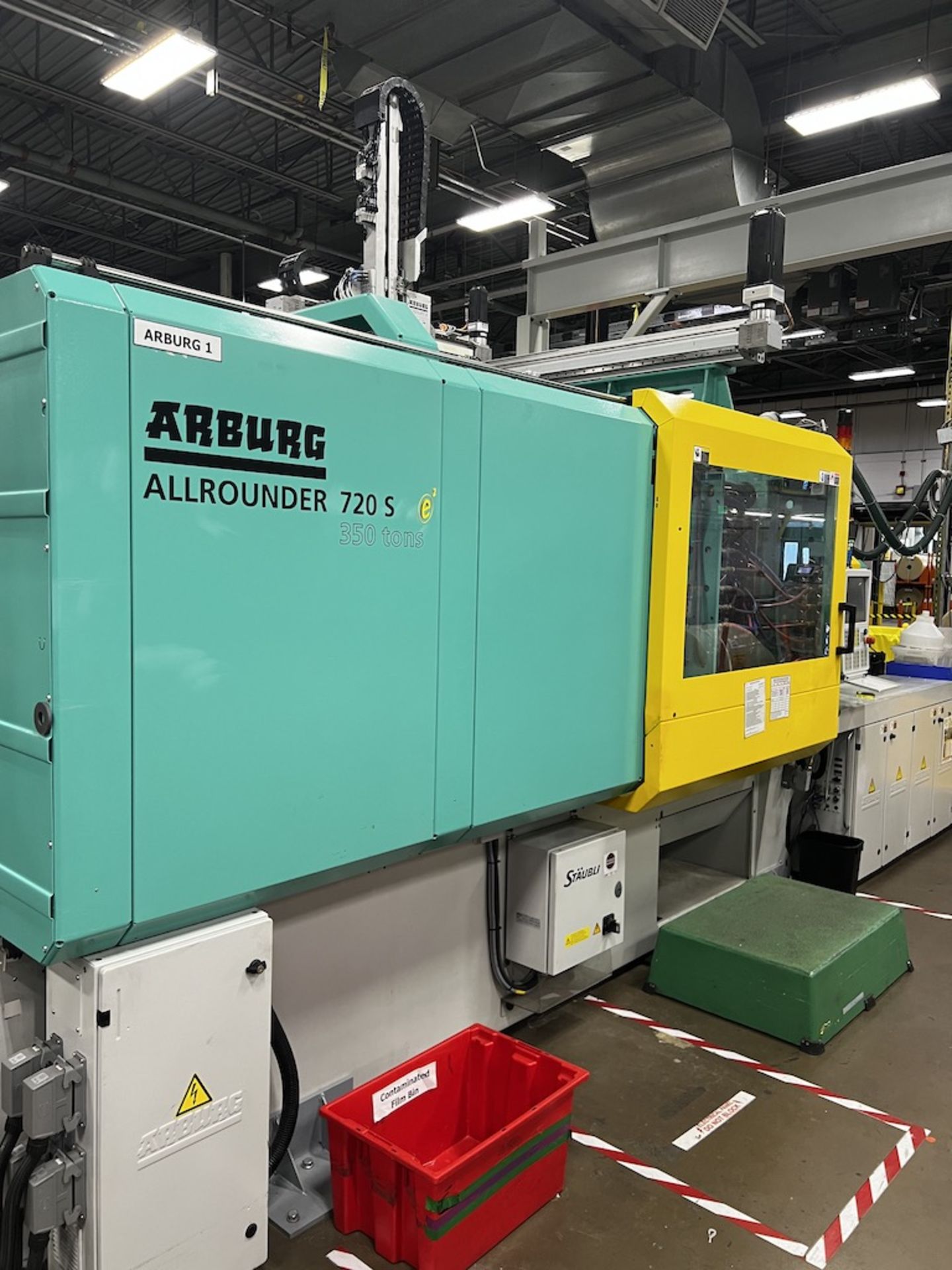
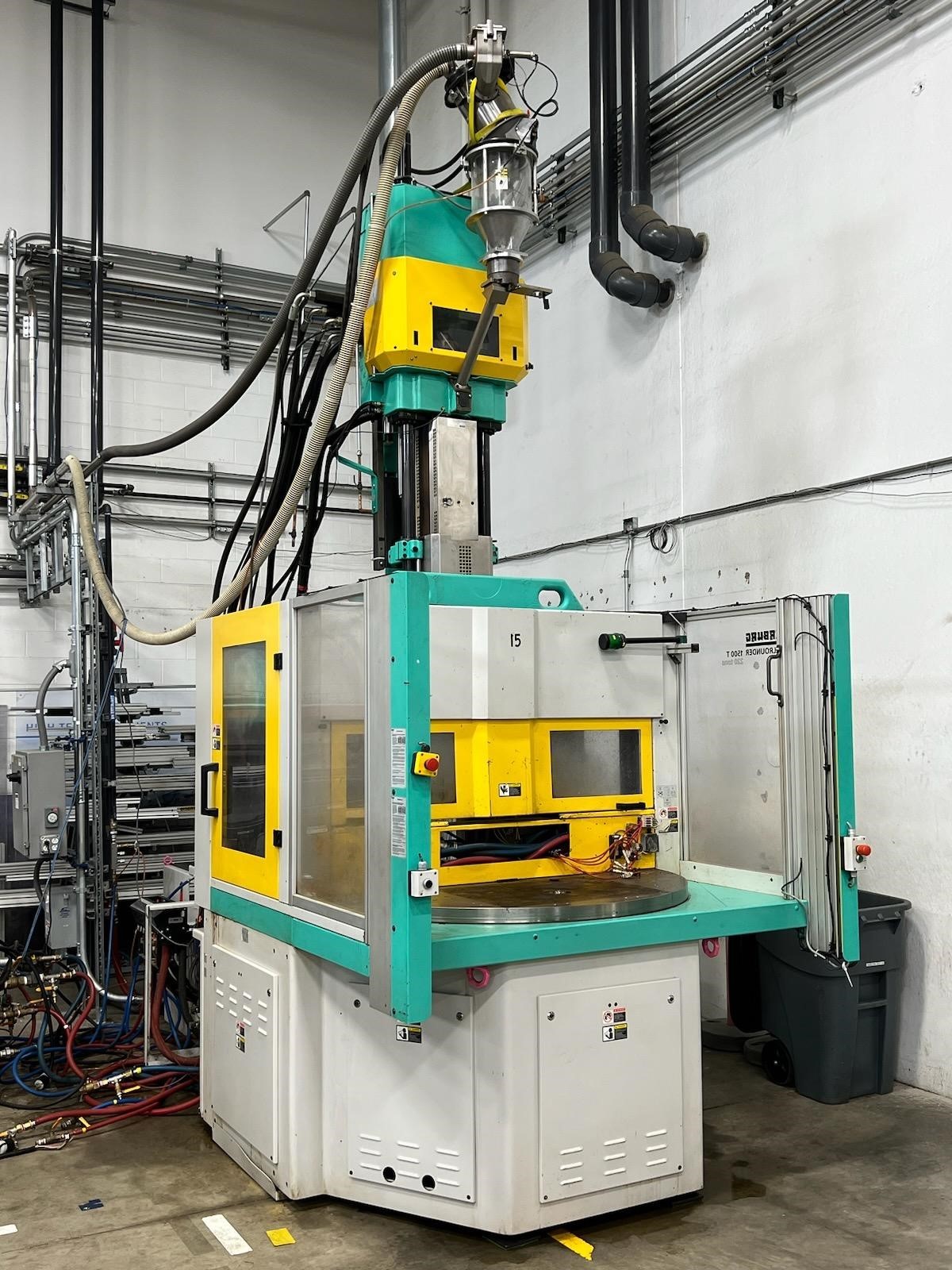
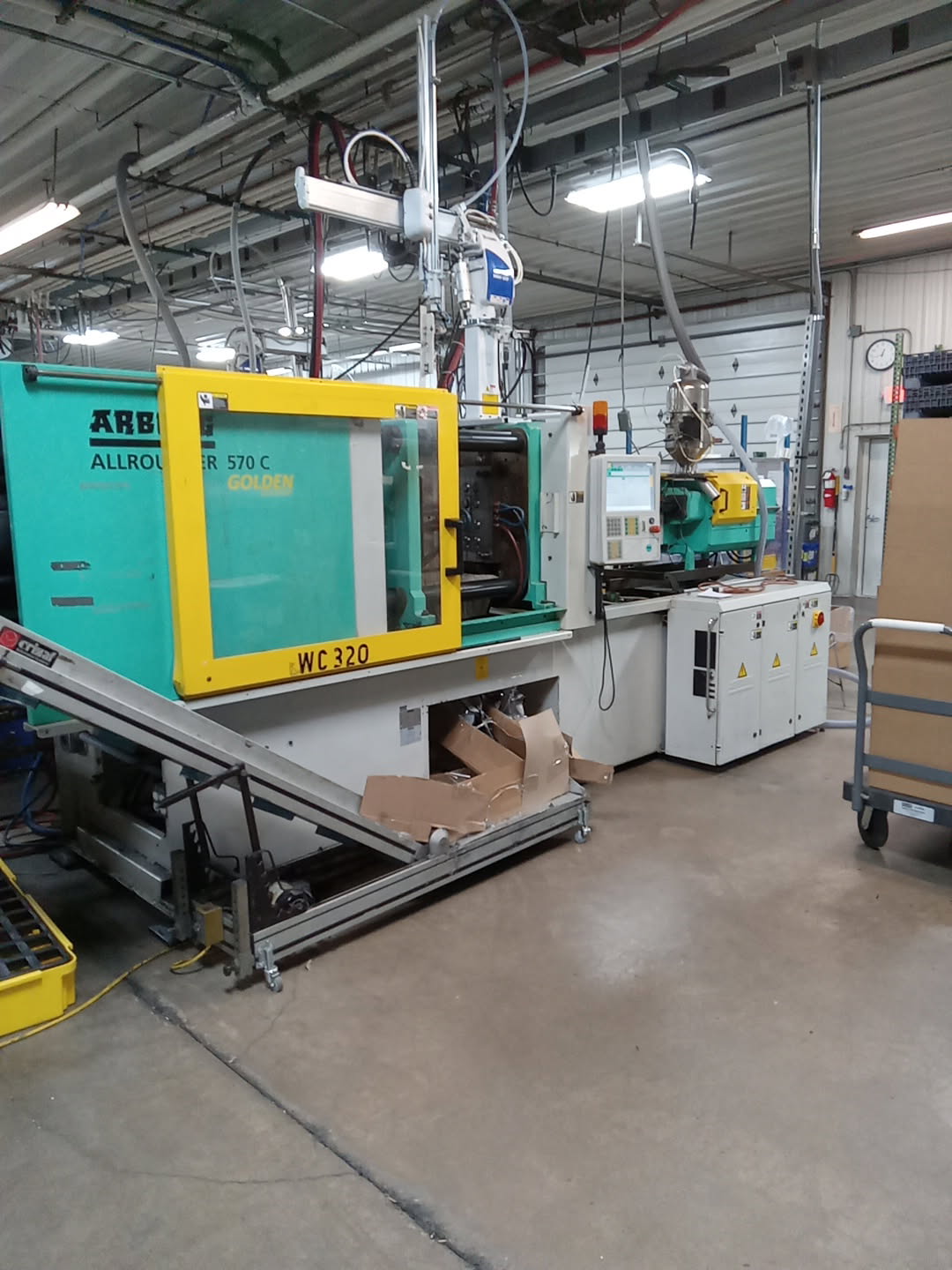
The company’s identity is synonymous with the "Allrounder" brand of injection molding machines. These machines are defined by their modularity, allowing manufacturers to tailor specific clamping units, injection units, and drive technologies to the requirements of a specific part. This modular approach is the primary reason Arburg remains a preferred partner for companies seeking to optimize their production floor for both small-batch specialized runs and high-volume mass production.
Core Technologies: Injection Molding Excellence
The injection molding process requires extreme precision in temperature control, pressure application, and cycle timing. Arburg differentiates itself through its electric, hydraulic, and hybrid drive systems, which are designed to address the specific energy constraints and speed requirements of modern manufacturing environments.
The Allrounder Series
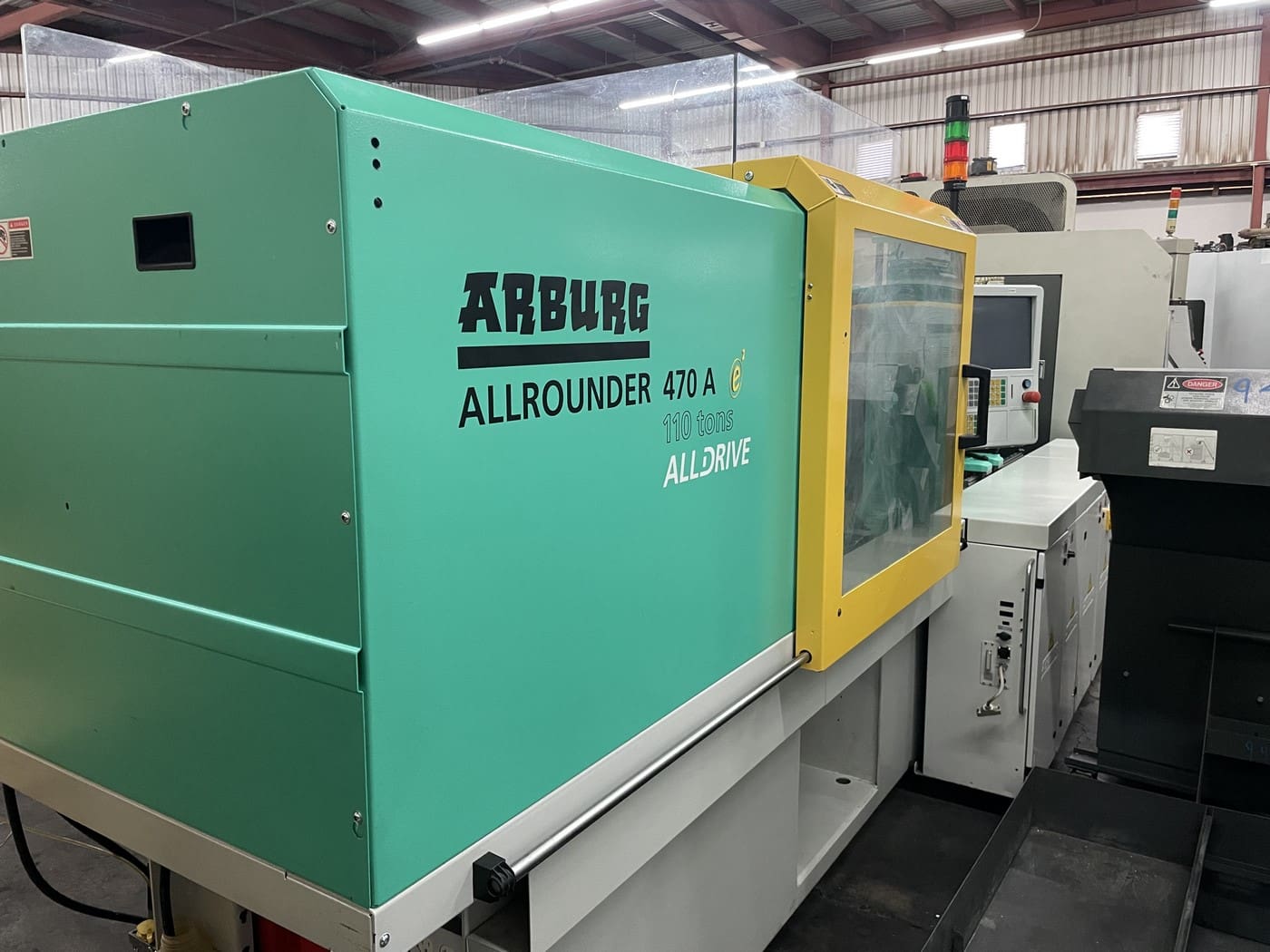
The Allrounder machine portfolio is the backbone of the company’s offering. These machines are categorized by their drive technology, which determines their energy profile and movement speed:
- Electric Machines (Alldrive): Designed for high-speed, high-precision applications where clean-room compatibility and energy efficiency are critical. These are the standard in the medical and electronics sectors.
- Hybrid Machines: These combine the efficiency of electric drives for auxiliary movements with the power of hydraulic systems for injection, making them ideal for packaging and high-load applications.
- Hydraulic Machines: These remain the workhorse for high-force, heavy-duty industrial applications where raw power and robust, long-term reliability are more important than marginal energy gains.
Freeformer Additive Manufacturing
In addition to traditional injection molding, Arburg has successfully expanded into additive manufacturing with its Freeformer line. Unlike typical 3D printers that use specialized filaments, the Freeformer uses the same high-quality plastic granulates used in injection molding. This innovation allows manufacturers to produce functional prototypes and small batches using industrial-grade materials, bridging the gap between prototyping and series production.
Precision Engineering for Specialized Industries
Arburg’s expertise is not distributed evenly across all sectors; the company excels in environments where the cost of failure is high. In 2026, the reliance on Arburg machinery in critical sectors remains a testament to the brand's engineering standards.
Medical and Pharmaceutical Manufacturing
The medical device sector demands extreme cleanliness, traceable process parameters, and absolute repeatability. Arburg machines are frequently deployed in clean-room environments. Features like stainless steel machine versions, encapsulated drive components, and dedicated software for complying with FDA regulations ensure that parts produced on Arburg equipment meet the rigorous standards of global health authorities.
Automotive and Lightweight Construction
The automotive industry’s shift toward electric vehicles (EVs) has placed new demands on plastic components, which must now be lighter and more resilient. Arburg’s expertise in multi-component injection molding—where two different plastics are molded into a single part—enables the production of complex components that reduce vehicle weight while maintaining structural integrity.
Table: Comparison of Injection Molding Drive Technologies
| Drive Technology | Primary Advantage | Best Use Case | Energy Profile |
|---|---|---|---|
| Electric (Alldrive) | High precision & speed | Medical & Clean-room | Highly efficient |
| Hybrid | Versatile force control | Packaging & Tech items | Balanced |
| Hydraulic | Massive clamping force | Automotive & Industrial | Baseline |
Digital Transformation and Industrial IoT
In the current manufacturing landscape, the machine is only as good as the data it produces. Arburg has invested heavily in the "arburgXworld" customer portal and the Gestica control system. These tools represent the digital interface between the machine operator and the production process.
The Gestica control system features a touchscreen interface designed to mimic modern smartphone ergonomics, reducing the learning curve for operators. It provides real-time visualization of the injection process, allowing for immediate troubleshooting and optimization. By integrating machine data with enterprise resource planning (ERP) systems, manufacturers can track material consumption, cycle times, and energy usage down to the individual part level.
Maintenance, Service, and Lifecycle Support
One of the defining characteristics of Arburg as a "specialist" is its commitment to the entire lifecycle of its machines. Because these machines are significant capital investments, Arburg provides comprehensive service programs that extend far beyond the initial purchase.
Requirements for Machine Longevity
To maintain peak performance, Arburg emphasizes regular calibration and the use of original spare parts. The company maintains a global network of service centers to ensure that machine downtime is minimized. Clients are encouraged to participate in training programs at Arburg’s training centers, where operators learn how to perform preventative maintenance and troubleshoot common issues without waiting for external technician support.
Common Operational Challenges
Despite the robust nature of the equipment, users often face challenges related to material processing settings. Common issues include:
- Flash formation: Usually a result of incorrect clamping force or excessive injection pressure.
- Burn marks: Often caused by trapped air or excessive melt temperatures in the barrel.
- Inconsistent wall thickness: Typically a cooling or gate-positioning error that requires adjustment within the Gestica control software.
The resolution to these issues is rarely mechanical failure but rather a matter of process parameter refinement—a field where Arburg’s documentation and technical support are widely considered industry benchmarks.
Future Outlook and Sustainability
As of 2026, sustainability is a core mandate in manufacturing. Arburg has responded by refining its "arburgGREENworld" initiative, which focuses on the use of recycled materials and energy recovery systems. The company is actively developing machines capable of processing challenging recycled plastics without sacrificing the structural properties of the final product. This focus on circular economy principles ensures that Arburg remains a relevant partner for companies under pressure to meet environmental, social, and governance (ESG) reporting requirements.
Frequently Asked Questions
What makes Arburg different from other injection molding manufacturers? Arburg is defined by its high level of vertical integration and modular machine design. Unlike manufacturers that rely on third-party components for core processes, Arburg produces the vast majority of its machine components, resulting in superior build quality and long-term part availability.
Can Arburg machines be integrated into existing smart factories? Yes. Through the Gestica control system and standardized OPC UA interfaces, Arburg machines are designed to communicate with existing manufacturing execution systems (MES) and ERP software, allowing for seamless integration into Industry 4.0 environments.
Is Arburg equipment suitable for small businesses? Arburg caters to both large-scale industrial plants and smaller, specialized manufacturers. While the initial investment is significant, the modularity and durability of their machines often result in a lower total cost of ownership over a 10-to-20-year operational life compared to cheaper, non-modular alternatives.
What is the benefit of the Freeformer system over standard 3D printing? The Freeformer uses standard, low-cost injection molding granulates rather than proprietary filament. This allows for a significant reduction in material costs and the ability to test parts in the exact material that will be used during full-scale mass production.
How does Arburg support operators who are new to the machines? Arburg provides a tiered training system, ranging from basic machine operation to advanced process engineering. Their digital support tools, including built-in help functions within the Gestica control system, provide guided troubleshooting for common errors.
Next Steps for Prospective Buyers
For organizations considering an Arburg injection molding solution, the first step is a comprehensive analysis of the production requirements. Evaluate the specific material, the required clamping force (in tons), and the necessary precision tolerances for your parts. Once these metrics are defined, contact a local Arburg representative to discuss a customized machine configuration. Requesting a pilot trial or a visit to an Arburg Technology Center is the recommended method to verify that the specific machine configuration can meet your output requirements before finalizing a procurement contract.