Arbitrage traffic represents a digital marketing strategy where a business purchases low-cost visitors from one source and redirects them to a landing page or website where those same visitors generate higher revenue through advertising, affiliate conversions, or lead generation. The objective is to secure a positive spread between the Cost Per Acquisition (CPA) and the Average Revenue Per User (ARPU).
Understanding the Arbitrage Traffic Definition
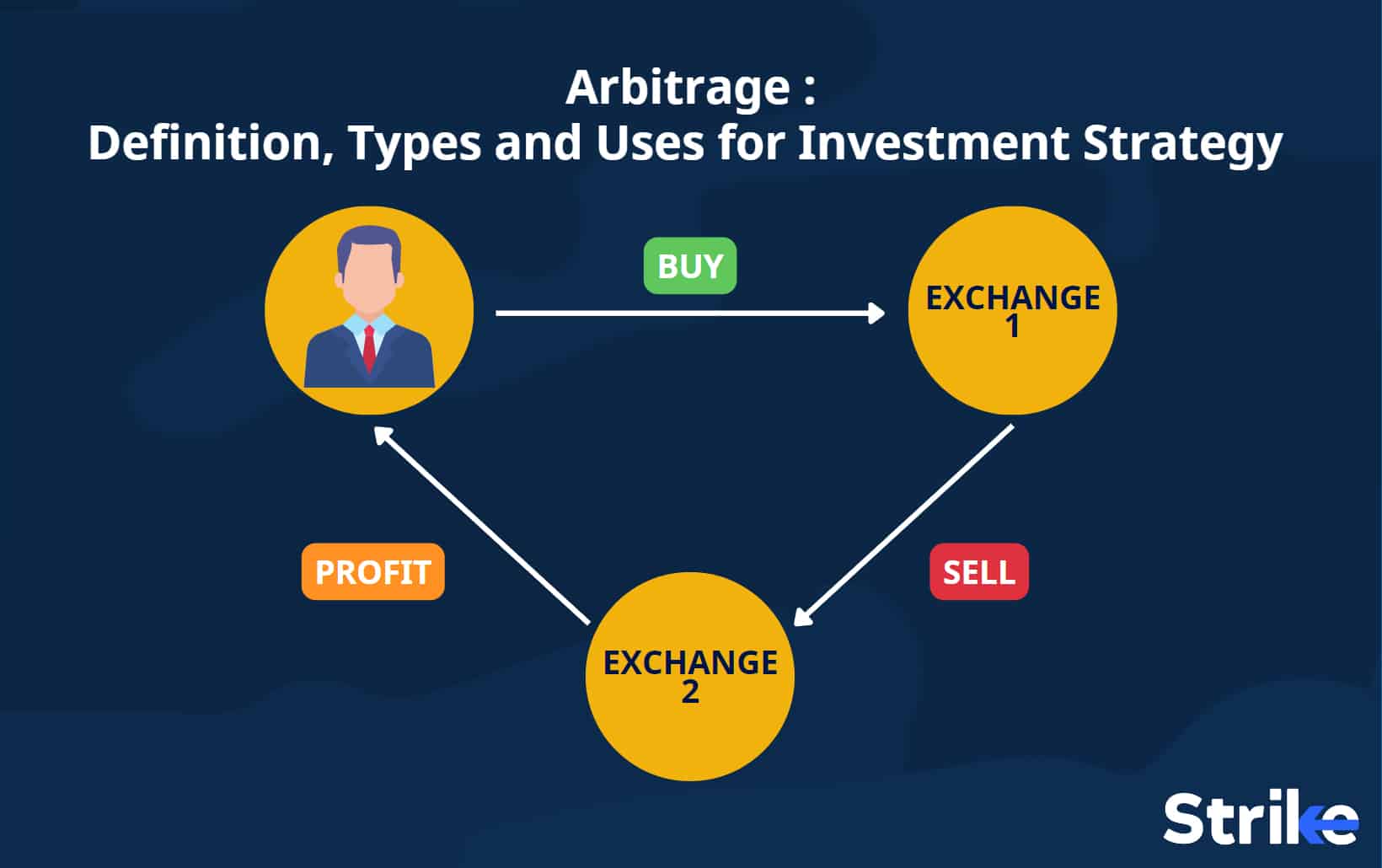
At its core, traffic arbitrage is a variation of the classic mercantile arbitrage—buying a commodity in one market and selling it in another for a higher price. In the digital advertising ecosystem, the "commodity" is human attention.
The process functions through a cyclical loop. An arbitrageur identifies an advertising platform where traffic is abundant and inexpensive. They purchase ad placements—typically via programmatic display, social media, or native advertising networks—and direct this traffic to a content-rich environment. This destination site is designed to maximize ad impressions or encourage high-value user actions. If the revenue generated from the ads displayed on the destination page exceeds the cost paid to acquire the initial traffic, the model is profitable.
Unlike traditional performance marketing, which often focuses on branding or long-term customer retention, arbitrage traffic is fundamentally transactional. It relies on high-volume, low-margin interactions. The longevity of an arbitrage business depends on the ability to maintain a consistent spread between cost and revenue, a task that becomes increasingly complex as advertising platforms adjust their bidding algorithms and traffic quality standards.
The Mechanics of the Arbitrage Business Model
The success of a traffic arbitrage model hinges on a rigorous mathematical approach to unit economics. Because the margins per user are often thin—sometimes measured in fractions of a cent—efficiency in the funnel is non-negotiable.
The Acquisition Phase
The business starts by selecting traffic sources. Common choices include:
- Native Advertising Networks: Platforms such as Taboola or Outbrain that offer low-cost impressions on news and editorial sites.
- Social Media Ad Sets: Meta or TikTok advertising where granular targeting can find specific demographics at competitive CPM (Cost Per Mille) rates.
- Programmatic Exchanges: Automated real-time bidding systems that allow for the purchase of remnant inventory across thousands of publishers.
The Monetization Phase
Once the traffic reaches the destination, it must be converted into revenue. This is typically achieved via:
- Display Advertising: Leveraging Google AdSense, Ad Exchange, or header bidding solutions to show ads to the incoming traffic.
- Content Loops: Building "clickbait" or curiosity-gap articles that encourage the user to click through multiple pages, increasing the total number of ad impressions per single visitor.
- Affiliate Offers: Directing visitors toward high-paying affiliate links or lead generation forms that offer a higher payout than standard display ads.
Revenue vs. Cost Analysis
The fundamental equation for the model is: Profit = (Revenue per User - Cost per User) × Total Traffic Volume
If a marketer spends $0.10 to acquire a visitor and that visitor views five pages featuring programmatic ads, generating $0.15 in total ad revenue, the marketer nets a $0.05 profit per user. Scaling this model involves increasing the volume of traffic while preventing the Cost Per Acquisition from rising to the point where it erodes the margin.
Strategic Prerequisites and Operational Requirements
Entering the arbitrage market is not a matter of simply purchasing ads and waiting for revenue. It requires a specific technical and analytical infrastructure.
Technical Infrastructure
A robust arbitrage operation requires:
- Fast-Loading Landing Pages: Since the goal is high-volume consumption, page speed is critical. Slow-loading pages lead to high bounce rates, which increase the effective Cost Per Acquisition.
- Advanced Tracking Tools: Marketers must use post-back URLs, pixel tracking, and server-side tracking to accurately attribute revenue to specific ad campaigns.
- Content Management Systems (CMS): Often custom-built or highly optimized WordPress instances designed for high-density ad placement.
Regulatory and Policy Constraints
Most major ad networks, including Google and Meta, have strict policies against "arbitrage" websites that provide little value to the user. Many platforms specifically target "Made for Advertising" (MFA) sites. If a landing page is deemed to have thin content or excessive ad density, it may be banned from advertising networks, effectively ending the business model. Therefore, successful arbitrageurs often focus on creating "high-quality" content hubs that satisfy platform guidelines while remaining profitable.
Comparative Framework: Arbitrage vs. Traditional Marketing
To differentiate traffic arbitrage from other digital marketing practices, it is helpful to compare their operational priorities.
| Feature | Traffic Arbitrage | Traditional Brand Marketing |
|---|---|---|
| Objective | Immediate margin capture | Long-term customer lifetime value (LTV) |
| Traffic Source | Paid, high-volume, low-intent | Organic, referral, and high-intent paid |
| Content Strategy | High-click, evergreen, or viral | Educational, brand-building, authority |
| Risk Profile | High volatility (source bans) | Low, steady growth |
| Primary Metric | Return on Ad Spend (ROAS) | Customer Acquisition Cost (CAC) vs. LTV |
Risks and Common Pitfalls
The arbitrage business model is prone to several specific failure points that can lead to rapid capital depletion.
The "Traffic Quality" Trap
Advertising networks constantly update their anti-fraud systems. If an arbitrageur’s traffic has high bounce rates, low viewability scores, or originates from suspicious IP addresses, the ad networks will lower the "Quality Score" of the campaigns. This results in higher bidding costs to secure the same volume of traffic, quickly turning a profitable campaign into a loss-making one.
Platform Dependency
Relying on a single source of traffic is a major strategic error. If an algorithm update at a platform like Meta or a policy change at Google AdSense restricts the landing page, the entire business model can collapse overnight. Professionals in this space prioritize diversifying their traffic sources to mitigate this platform risk.
Rising Acquisition Costs
As more marketers enter a specific niche—often referred to as "crowding"—the bidding cost for that specific audience demographic inevitably rises. Without an ability to increase the revenue per user, the margin eventually shrinks to zero. This requires constant innovation in creative assets and funnel optimization.
Frequently Asked Questions
Is traffic arbitrage legal?
Yes, traffic arbitrage is a legal business model. However, it is governed by the terms of service of the advertising platforms you use. Operating a site that violates policies regarding ad density, deceptive content, or click-fraud can lead to account termination and loss of revenue.
Can I do traffic arbitrage with organic traffic?
Technically, no. Arbitrage is defined by the acquisition of paid traffic to generate higher revenue. Using SEO or social media to drive free traffic and monetizing it is typically classified as "content publishing" or "affiliate marketing" rather than arbitrage.
What is a "Made for Advertising" (MFA) site?
An MFA site is a web property built solely to host as many advertisements as possible. These sites often feature thin content, slideshows, or clickbait headlines. Most major ad networks have moved to penalize MFA sites due to the poor user experience they provide.
How do I measure success in traffic arbitrage?
The primary metric is Return on Ad Spend (ROAS). If you spend $1,000 on traffic and generate $1,200 in revenue, your ROAS is 120%, which is the primary indicator of a successful campaign.
Is it possible to start with a small budget?
While possible, it is difficult. Because the arbitrage model relies on statistical significance to optimize campaigns, a very small budget may be exhausted before enough data is collected to determine which ads are performing well.
Next Actions and Recommendation
If you intend to explore the traffic arbitrage model, do not begin by purchasing large-scale media buys. Instead, start by establishing a high-quality, policy-compliant content environment. Focus on a niche where you have a deep understanding of the audience, as this will allow you to design landing pages with higher conversion rates.
- Select a Niche: Choose a topic with a high Cost Per Click (CPC) advertising market, such as finance, insurance, or B2B software.
- Build a Prototype: Create a landing page that offers genuine value to the user to ensure long-term compliance with ad network policies.
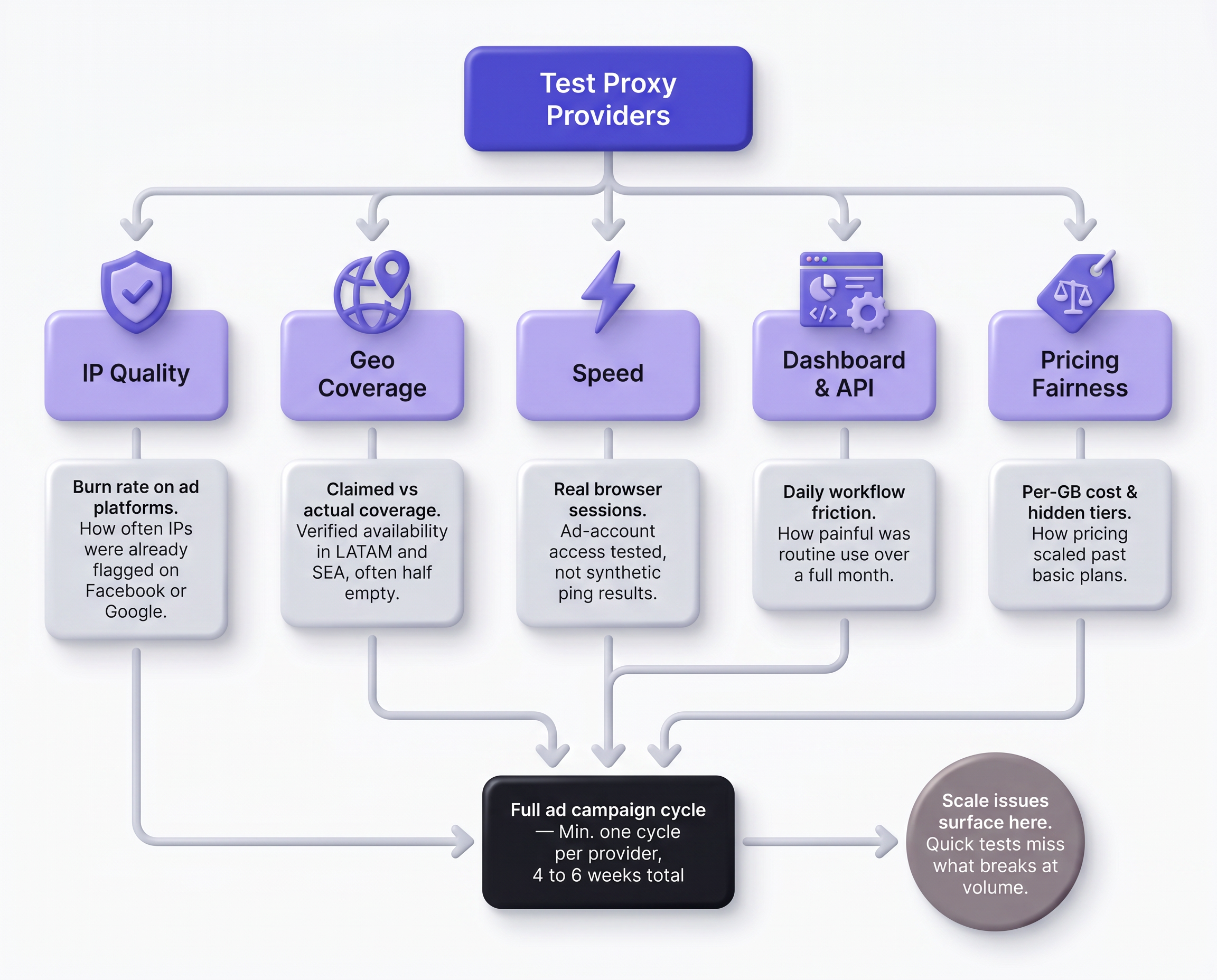
- Run Small Tests: Dedicate a specific, limited budget to test traffic sources. Analyze which source provides the highest quality traffic—measured by session duration and page depth—rather than just the lowest cost.
- Scale Carefully: Only increase spend on segments that maintain a healthy, proven margin over an extended testing period.