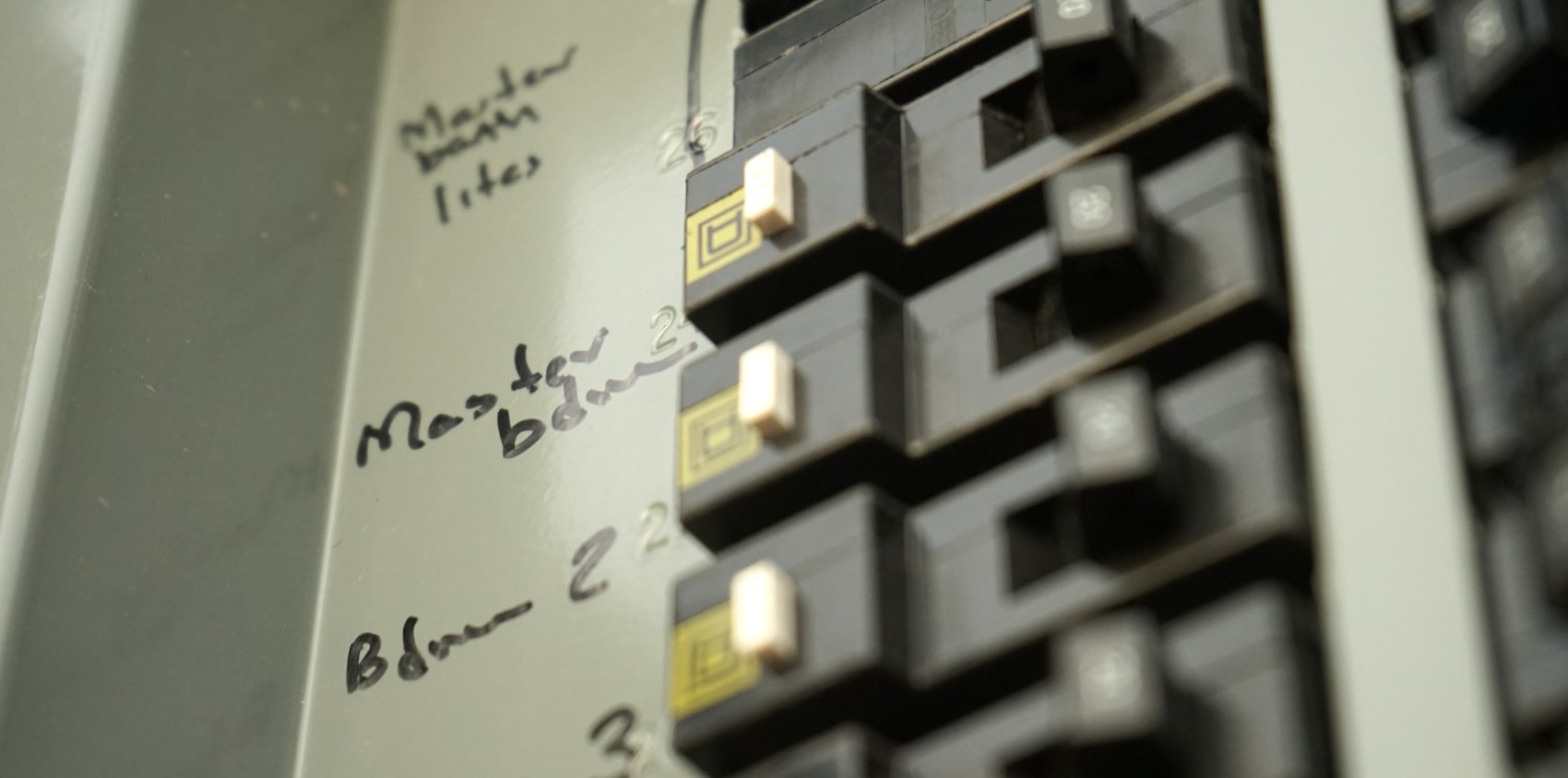
Arc Fault Circuit Interrupter (AFCI) breakers are specialized electrical safety devices designed to detect dangerous electrical arcs—often caused by damaged, frayed, or loose wiring—and shut off power before a fire can ignite. Under the National Electrical Code (NEC), which serves as the benchmark for electrical safety standards across most jurisdictions in the United States, the installation of these devices has become mandatory for the majority of residential branch circuits to mitigate the risk of electrical fires in homes.
The Purpose and Function of AFCI Technology
Standard circuit breakers are designed to trip only in the event of an overload (too many devices on one circuit) or a short circuit (a direct path between hot and neutral wires). However, these breakers often fail to detect high-impedance arcing faults. An arc fault occurs when current jumps between two conductive surfaces, creating intense heat that can exceed 10,000 degrees Fahrenheit, sufficient to ignite surrounding building materials like wood studs or insulation.
An AFCI breaker uses advanced electronic circuitry to monitor the electrical signature of the current. It differentiates between the "normal" arcing that occurs when you flip a light switch or operate a vacuum cleaner and the "dangerous" arcing caused by compromised insulation, crushed cables, or loose terminal connections. By recognizing these unique wave patterns, the AFCI acts as a preventative firewall, disconnecting the circuit long before the heat generated by the arc becomes a ignition source.
Navigating the National Electrical Code (NEC) Requirements
The NEC, published by the National Fire Protection Association (NFPA), provides the legal framework for electrical installations. The requirements for AFCI protection have evolved significantly since their initial introduction in the 1999 edition of the NEC. By 2026, the standard for residential construction remains robust, mandating AFCI protection for virtually all 15- and 20-ampere, 120-volt branch circuits in dwelling units.
Key Areas of Coverage
According to current code, AFCI protection is generally required in the following areas:
- Living Areas: Bedrooms, dens, living rooms, family rooms, and dining rooms.
- Sleeping Quarters: Closets, hallways, and recreation rooms.
- General Purpose Circuits: Any room where wall outlets provide general-purpose power.
While the specific edition of the NEC adopted by your state or local municipality determines the precise legal mandate, most jurisdictions have adopted versions ranging from the 2014 to 2023 editions. These editions cumulatively expanded the mandate to cover almost all interior spaces of a residence, with few exceptions.
Important Distinctions: AFCI vs. GFCI
A common source of confusion for homeowners and DIYers is the difference between an AFCI and a Ground Fault Circuit Interrupter (GFCI). While both are safety devices that protect against different hazards, they are not interchangeable:
- AFCI (Arc Fault): Protects the home from fire by detecting hazardous arcing in electrical wiring.
- GFCI (Ground Fault): Protects people from electrical shock by detecting leakage current, which often happens when an appliance comes into contact with water.
In modern residential construction, it is common to use "Dual Function" circuit breakers. These devices combine both AFCI and GFCI protection into a single unit, satisfying both fire safety and personnel safety codes simultaneously, particularly in areas where both are required, such as kitchens or laundry rooms.
Installation and Compliance Factors
For those performing electrical upgrades or managing renovation projects in 2026, understanding the installation constraints is vital.
- Home Compatibility: Older homes with "shared neutral" wiring (multi-wire branch circuits) often encounter issues with standard AFCI breakers. These systems require specific types of AFCIs or a complete rewire to ensure the electronic sensors do not trip due to the way the shared neutral handles current.
- Circuit Loading: AFCI breakers are more sensitive than standard breakers. Ensure that appliances with high "noise" profiles—such as treadmill motors or older vacuum cleaners—are not overloading the circuit, as the AFCI may interpret this electrical noise as an arc fault and trip unnecessarily.
- Correct Wiring: AFCIs require a dedicated neutral path. If a homeowner attempts to install an AFCI and accidentally connects the neutral wire to a common neutral bar shared with another circuit, the breaker will trip immediately upon being switched on.
Comparison of Safety Device Capabilities
| Device Type | Primary Hazard Mitigated | Typical Location | NEC Requirement Status |
|---|---|---|---|
| Standard Breaker | Overload / Short Circuit | Main Service Panel | Basic Minimum |
| AFCI Breaker | Electrical Fire (Arcing) | Dwelling Units (General) | Required (Most Rooms) |
| GFCI Breaker | Electrical Shock | Kitchens / Baths / Outdoor | Required (Wet Areas) |
| Dual Function | Fire and Shock | Mixed Use Areas | Recommended / Required |
Troubleshooting Nuisance Tripping
A frequent complaint regarding AFCI breakers is "nuisance tripping," where the breaker shuts off power despite no fire hazard being present. Before replacing the breaker with a standard one—which is a violation of the electrical code—investigate the source of the fault.
- Loose Connections: Check all outlets and switch boxes on the circuit. A loose connection at a terminal screw is the most common cause of a "false" arc fault.
- Appliance Interference: If the breaker trips only when a specific device is plugged in, that device may have a damaged cord or a faulty internal motor.
- Wiring Damage: If the home is older, check for staples that may have been driven too deeply during the original construction, piercing the cable insulation behind the drywall.
- Ground-Neutral Contact: In some instances, a direct connection between a ground wire and a neutral wire in an outlet box will cause the AFCI to trip.
Professional Guidance and Safety Limitations
While the information provided herein adheres to the general standards set forth by the NEC, electrical work is inherently dangerous and subject to local amendments. Many municipalities modify the NEC to suit specific regional needs or legacy infrastructure. Always consult your local building department or a licensed electrical inspector before commencing work on your main service panel.
Furthermore, electrical panels are high-energy environments. Attempting to install or troubleshoot AFCI breakers without proper training carries a significant risk of arc flash injuries or electrocution. If you are experiencing repeated trips, it is strongly recommended that you hire a licensed electrician. They possess the specialized diagnostic equipment, such as branch circuit analyzers, required to pinpoint the exact location of an arc fault hidden behind walls or in complex wiring runs.
Frequently Asked Questions
Are AFCI breakers required for detached garages? The NEC requirements for AFCI generally apply to dwelling units. Depending on your local jurisdiction’s interpretation and the specific edition of the code in effect, detached structures may have different requirements. However, if the garage contains living space, it will almost certainly fall under the standard AFCI mandate.
Can I replace an old AFCI breaker with a standard breaker if it keeps tripping? No. Replacing an AFCI with a standard breaker is a code violation in any area where AFCI protection is required. If your breaker is tripping, it is indicating an electrical issue that needs to be repaired, not a defect in the code requirement itself.
Do AFCI breakers expire? Like all mechanical components, AFCI breakers have a lifespan. While they do not have a hard expiration date, the electronic components inside are susceptible to power surges and heat over time. If a breaker consistently trips despite clear wiring, it may have reached the end of its functional life.
Why does my AFCI trip only when I use the vacuum cleaner? Some older appliances produce high levels of electrical noise that can mimic an arc fault. If the breaker is functioning correctly, it is protecting the system from potentially degraded internal wiring within the vacuum cleaner itself. Have the appliance serviced or tested on a non-AFCI circuit to isolate the issue.
Is it necessary to upgrade all circuits in an older home to AFCI? Generally, the NEC does not require retrofitting an existing home with AFCI protection unless you are performing significant electrical work, such as extending a circuit or replacing the service panel. However, many homeowners choose to install them for the added safety benefits.
Final Recommendation
To ensure your home remains compliant with current safety standards and protected against electrical fire risks, prioritize the health of your existing AFCI breakers by performing a basic audit of your outlets and appliances. If you are planning a renovation or service panel upgrade, budget for AFCI or Dual Function breakers as a non-negotiable expense. For persistent tripping, document which devices are active during the outage and consult a licensed professional to perform a load and continuity test. Electrical safety is a continuous process of verification and maintenance, ensuring your home remains secure against the hidden threats of modern electrical infrastructure.