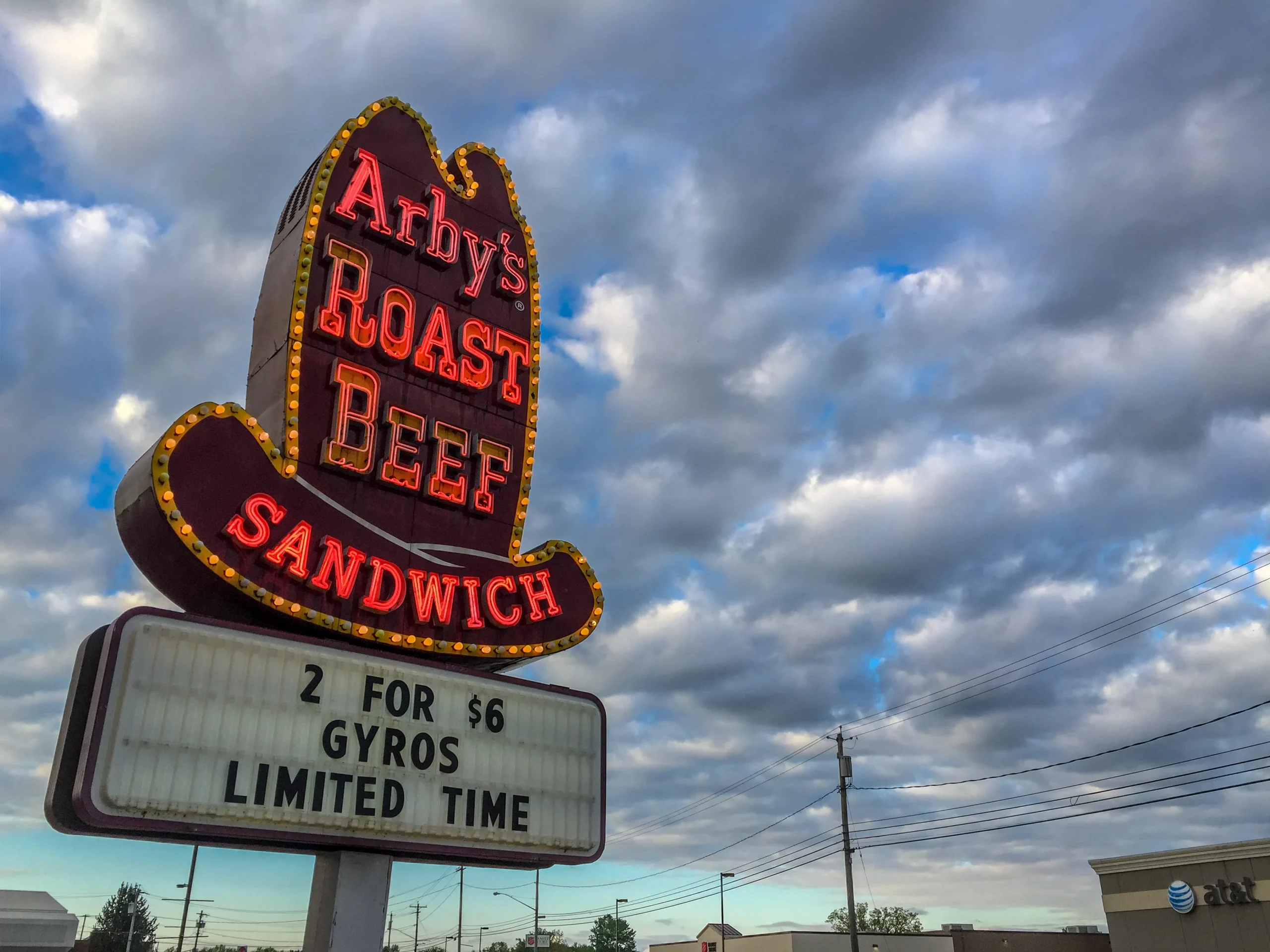
Arby’s is not owned by an individual with a personal "net worth" in the traditional sense; rather, it is a flagship brand under the ownership of Inspire Brands, a private multi-billion-dollar global restaurant company. Because Inspire Brands is a privately held entity, its exact total valuation and the net worth of its primary private equity backers are not publicly disclosed in the same manner as a publicly traded corporation.
Clarifying the Ownership Structure
To understand the financial standing of Arby’s, one must look at the corporate hierarchy. Arby’s is currently a subsidiary of Inspire Brands. Inspire Brands was formed in 2018 following the acquisition of Buffalo Wild Wings by Arby’s Restaurant Group. The primary financial engine behind this structure is Roark Capital Group, an Atlanta-based private equity firm.
When researchers or consumers search for the "Arby’s owner net worth," they are often conflating the value of a fast-food chain with the individual wealth of its founders or the assets managed by its private equity parent. Because Arby’s functions as a unit within a portfolio, its value is tied to its contribution to the aggregate revenue and EBITDA (Earnings Before Interest, Taxes, Depreciation, and Amortization) of Inspire Brands.
The Role of Roark Capital Group
Roark Capital Group is the ultimate beneficiary and primary stakeholder in the success of the Arby’s brand. Founded by Neal Aronson in 2001, Roark specializes in franchised and multi-unit business models. Unlike public investment firms that report quarterly earnings to the Securities and Exchange Commission (SEC), Roark Capital operates as a private equity firm, meaning it does not publish a "net worth" figure for its holdings.
The firm manages billions in capital commitments. Arby’s serves as one of the crown jewels in their portfolio, which also includes brands such as Dunkin’, Baskin-Robbins, Sonic Drive-In, Jimmy John’s, and Buffalo Wild Wings. The "worth" of Arby’s to its owners is derived from its ability to generate consistent royalty fees from thousands of franchised locations and high-margin revenue from corporate-owned stores.
Why "Net Worth" is Not Applicable to Brands
In financial analysis, "net worth" is a term typically reserved for individuals or publicly traded entities that possess transparent balance sheets. For a restaurant chain like Arby’s, the concept of net worth is replaced by enterprise value.
Enterprise value measures the total value of a company, including its debt and equity. For Arby’s, this involves:
- Asset Valuation: The value of the brand itself, including intellectual property, logos, and proprietary recipes.
- Franchise Agreements: The contractual value of the royalty streams paid by franchisees to the corporate headquarters.
- Real Estate Holdings: Many fast-food chains hold significant value in the land or leasehold interests of their corporate-operated locations.
- Operational Cash Flow: The annual profit generated across the system.
Because Arby’s is part of a larger conglomerate, its financials are aggregated. Any attempt to pinpoint a specific "net worth" for the brand would be speculative and inconsistent with standard accounting practices for private equity subsidiaries.
The Evolution of Ownership: From Triarc to Inspire
The history of Arby’s ownership helps illustrate why searching for a single owner’s net worth is misleading.
- Early History: Founded in 1964 by Forrest and Leroy Raffel, the company was eventually sold to DWG Corporation in 1979.
- The Triarc Era: In 1993, Triarc Companies, led by Nelson Peltz and Peter May, acquired Arby’s. Under their leadership, the brand underwent significant revitalization. During this period, the brand’s performance was reflected in the stock price of the publicly traded Triarc.
- The Wendy’s/Arby’s Group: In 2008, Triarc merged with Wendy’s International to form the Wendy’s/Arby’s Group.
- The Roark Acquisition: In 2011, the Arby’s brand was sold to Roark Capital. This transition moved Arby’s from the public markets back into the private sector, effectively obscuring the granular financial data that had been available while it was part of a public company.
Table: Ownership Comparison and Valuation Context
| Entity Level | Ownership Status | Primary Financial Indicator |
|---|---|---|
| Arby's (The Brand) | Subsidiary of Inspire Brands | Royalty Revenue & System-wide Sales |
| Inspire Brands | Private (Roark Capital-backed) | Enterprise Value & Portfolio EBITDA |
| Roark Capital Group | Private Equity Firm | Assets Under Management (AUM) |
| Individual Investors | Private | Personal Net Worth (Not tied to brand value) |
Financial Impact of Private Equity Ownership
The shift to private equity ownership has changed how Arby’s manages its growth. Private equity firms generally prioritize aggressive expansion and operational efficiency. By grouping Arby’s with other massive chains under the Inspire Brands umbrella, the parent company leverages "shared services." This means the marketing, supply chain, and digital infrastructure costs are spread across multiple brands, effectively increasing the profit margins of each individual chain, including Arby’s.
For a potential investor or researcher, the "value" of Arby’s is best measured by the success of the Inspire Brands portfolio. When the parent company grows its total system sales, the valuation of the equity held by Roark Capital and other minority stakeholders (such as the private equity firm Main Post Partners) increases accordingly.
Distinguishing Between Brand Value and Personal Wealth
It is common for users to search for "Arby's owner net worth" expecting to find the personal wealth of the individuals running the brand. However, the management of Inspire Brands, led by CEO Paul Brown (as of 2026), receives compensation based on performance, not ownership of the brand’s total value.
The personal wealth of partners at Roark Capital is tied to the success of their entire fund, not just Arby’s. Therefore, associating the brand's worth with a single individual is a conceptual error. The "worth" of Arby’s exists as an asset within a portfolio, providing dividend potential and equity growth for the firm’s limited partners, which often include large institutional investors like pension funds and endowments.
FAQ: Common Questions Regarding Arby’s Financial Status
Is Arby's a publicly traded company? No. Arby’s is owned by Inspire Brands, which is a private company. Consequently, you cannot buy stock in Arby’s, and you will not find public financial filings or a "net worth" figure for the brand in traditional stock market databases.
Who is the primary owner of Arby's? The primary stakeholder is Roark Capital Group. They are a private equity firm that formed Inspire Brands to manage their restaurant portfolio.
Can I find Arby’s revenue in public reports? Because it is private, Arby’s does not release its internal profit and loss statements. However, trade publications often publish "system-wide sales" estimates, which track the total amount of money spent by customers at all Arby’s locations, including both franchise and corporate stores.
How does Roark Capital make money from Arby’s? Roark makes money through a combination of management fees and the long-term appreciation of their investment. When they eventually sell or seek an exit for the brand, the profit is the difference between the acquisition cost and the final sale price, compounded by the operational improvements made during their ownership.
What is the difference between brand value and net worth? Brand value is the perceived monetary value of the Arby’s name, logo, and customer loyalty. Net worth typically refers to the value of assets minus liabilities. For Arby’s, the brand value contributes to the overall enterprise value of its parent company, Inspire Brands.
Next Steps for Researching Corporate Financials
If you are performing financial research or competitive analysis, focus on industry benchmarks rather than searching for an individual "owner's net worth." Look for reports from organizations like Technomic or Restaurant Business Online. These outlets track system-wide sales and provide industry-standard estimates for the performance of private restaurant chains.
If you are an investor looking for exposure to the industry, note that private equity firms like Roark generally do not accept individual retail investors. Your exposure to this sector is usually limited to the public companies that act as competitors to the Arby's portfolio, such as those traded on major stock exchanges. Always consult with a certified financial advisor before making decisions based on corporate valuation trends, as private equity performance is rarely reflective of public market opportunities.