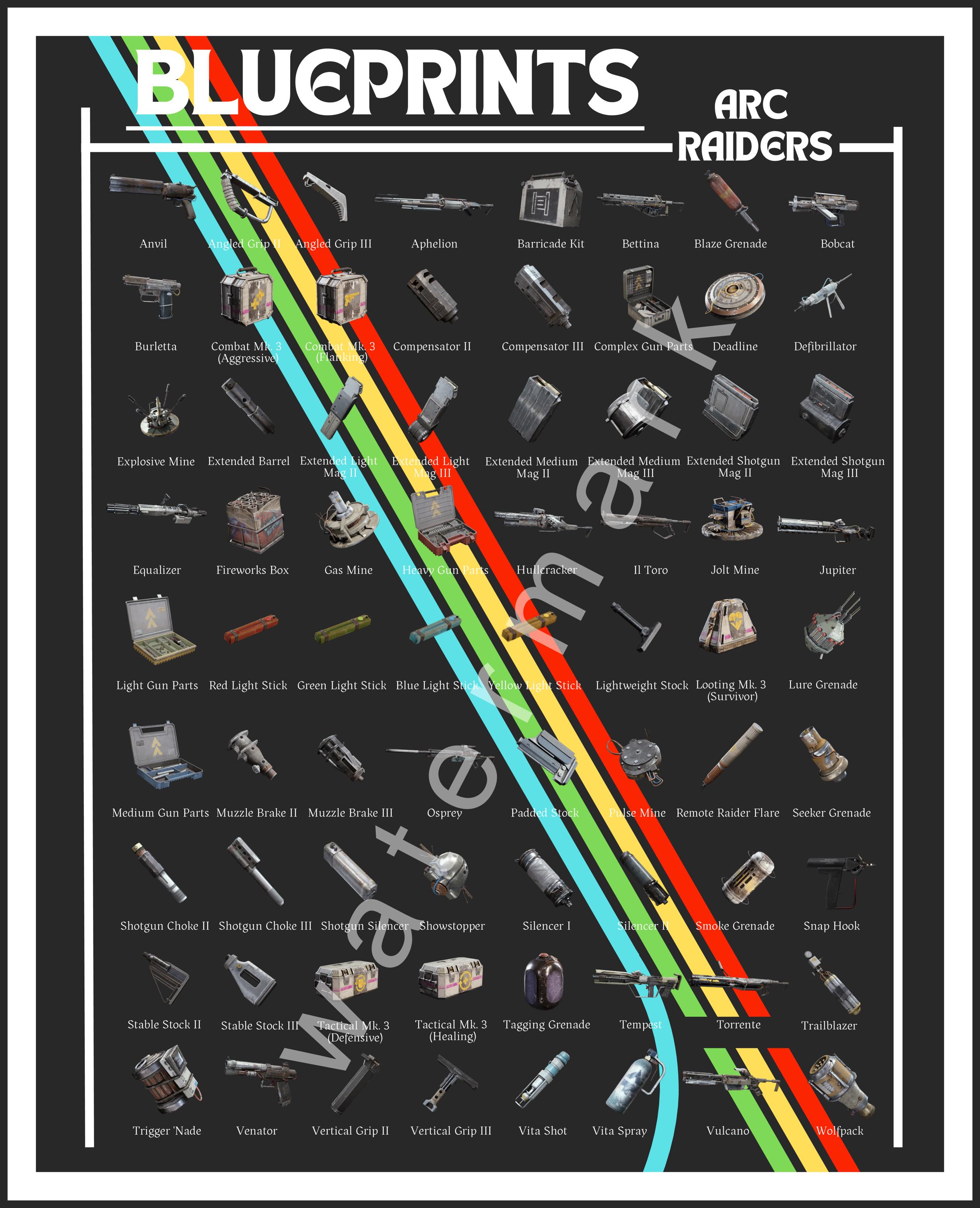
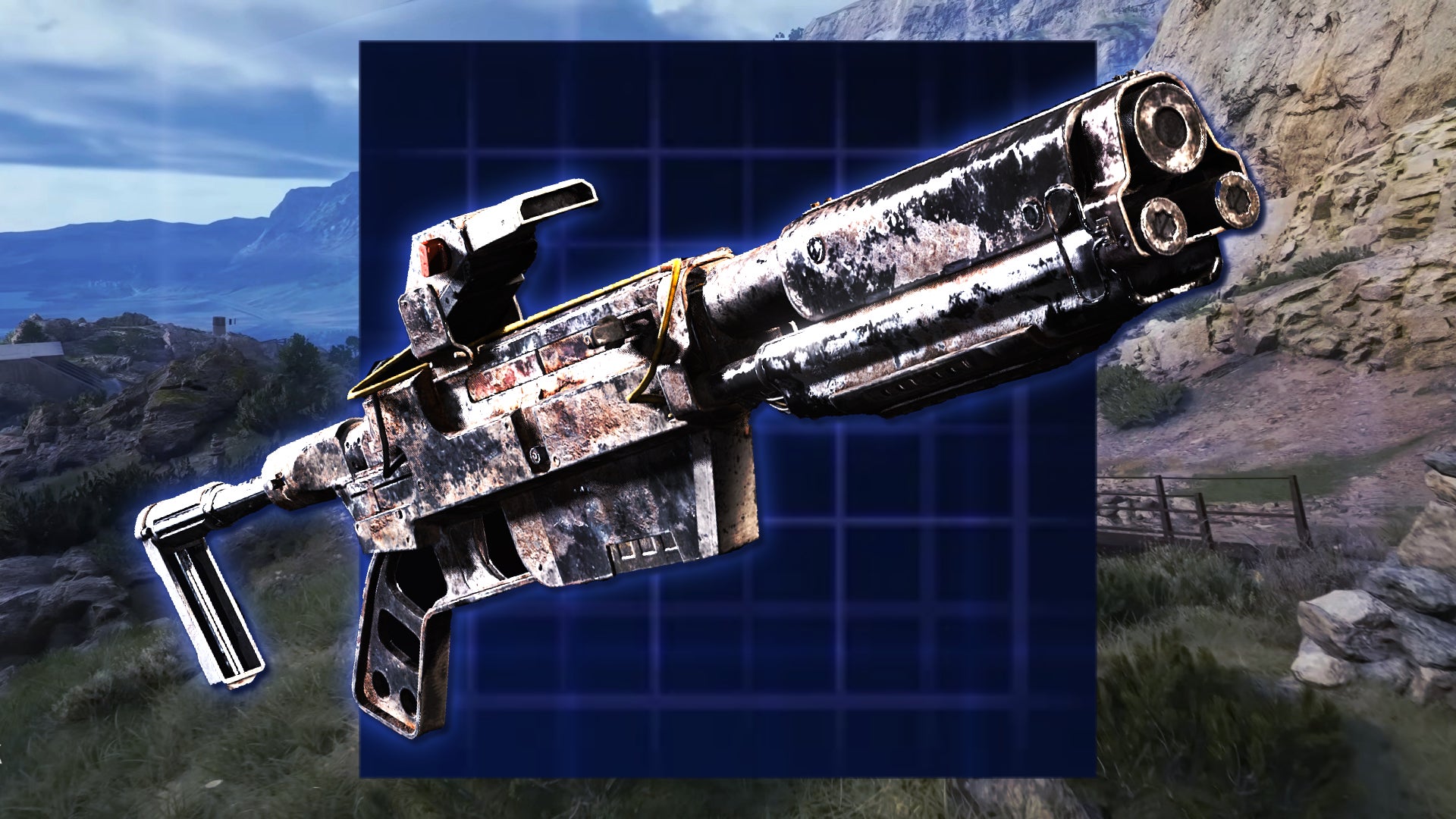
Navigating the hazardous environments of ARC Raiders requires more than just raw combat skill; it demands strategic preparation, resource management, and a systematic approach to gear acquisition. This checklist serves as your primary framework for optimizing blueprint management, ensuring that every sortie into the wasteland is backed by the technical specifications necessary to craft, upgrade, and maintain your loadout for maximum efficiency against the ARC.
Understanding the Role of Blueprints in ARC Raiders
In the harsh, post-collapse world of ARC Raiders, your survival is inextricably linked to the technology you bring into the field. Blueprints are the foundational schematics required to fabricate weapons, utility items, and armor components. Unlike consumable loot that provides temporary relief, a blueprint represents a permanent expansion of your crafting capabilities.
The acquisition of these schematics is not merely a matter of exploration; it is a gatekeeping mechanism that dictates your tier of play. A blueprint allows you to move from relying on found equipment—which may be damaged or ill-suited for specific threats—to manufacturing gear optimized for your playstyle. Understanding that not all blueprints are of equal value is the first step toward effective resource allocation.
Phase 1: Procurement and Acquisition Strategy
The hunt for blueprints is a tiered process. Early-game survival relies on basic schematics, while end-game efficacy requires rare, high-tier blueprints often guarded by significant environmental hazards or hostile factions.
1. Identify Target Tiers
Before embarking on a mission, consult your crafting bench to identify the specific requirements for your next upgrade. Prioritize blueprints that:
- Bridge the Power Gap: Focus on weapons that offer higher armor-piercing capabilities.
- Enhance Utility: Seek out schematics for specialized tools that allow for better environmental interaction or evasion.
- Resource Efficiency: Some blueprints offer the same functional output but require fewer raw materials to craft.
2. Location-Based Scavenging
Blueprints are not distributed randomly; they are tied to the logic of the world. High-value data drives and physical schematics are most frequently recovered from:
- ARC Outposts: High-risk areas often containing advanced technology logs.
- Abandoned Research Facilities: These structures contain the most technical documentation, often hidden behind security doors or within complex interior layouts.
- High-Danger Zones: Areas frequently visited by ARC machines typically hold better reward tables.
3. Verification of Ownership
Once a blueprint is acquired, it must be "banked." If you are eliminated before successfully extracting from the sector, any blueprints found during that run will be lost. Always prioritize the secure extraction of your recovered schematics over clearing secondary objectives or collecting low-value scrap.
Phase 2: The Crafting and Maintenance Checklist
Once a blueprint is successfully integrated into your inventory, the transition from scavenger to manufacturer begins. Use the following checklist to ensure your base remains operational.
| Process Stage | Action Item | Verification Requirement |
|---|---|---|
| Inventory Audit | Cross-reference blueprint needs with current material stock. | Ensure Tier-1, Tier-2, and Tier-3 mats are balanced. |
| Bench Calibration | Verify that your crafting bench level meets the blueprint tier requirement. | Upgrade workshop to support advanced schematics. |
| Material Sourcing | Deploy to map regions rich in the specific alloys or components needed. | Successfully extract with the required volume of materials. |
| Fabrication | Execute the build order for the desired item. | Check for durability or status effects post-creation. |
| Quality Control | Test the item in a controlled training environment or low-threat zone. | Ensure the item functions as intended before critical runs. |
Optimizing Resource Management
Crafting in ARC Raiders is a delicate balance of resource scarcity. It is easy to fall into the trap of crafting top-tier weapons without having the logistical base to support their repair or ammunition costs.
Managing Crafting Components
Raw materials occupy inventory space and carry a weight penalty. When out in the field, use the sorting feature to discard lower-tier materials if you have reached your weight limit, provided you have already secured your primary blueprint goal. Maintaining a "Material Priority List" is essential:
- Essential Minerals: These are universal requirements. Never pass these up.
- Specialized Components: Keep only what is required for the specific blueprints currently in your immediate construction queue.
- Tech Scraps: These are often the bottleneck for high-end gear. Treat them as gold.
Preventing Material Overload
A common mistake among new players is hoarding materials that do not align with their current or near-future blueprint goals. If you have not unlocked a high-tier heavy weapon, filling your limited stash space with heavy-weapon-specific components prevents you from picking up common materials needed for basic armor repairs. Audit your inventory every three sessions.
Troubleshooting Common Blueprint Issues
Even the most prepared player will encounter roadblocks. Here is how to resolve the most common issues associated with the blueprint system.
"Blueprint Not Appearing in Bench"
If you have successfully extracted with a blueprint but cannot see it in your crafting menu, check the following:
- Extraction Failure: Double-check your recent match history. If you were killed before the final timer ended, the blueprint was likely dropped.
- Tier Mismatch: Ensure your crafting station is at the appropriate level. Many blueprints for advanced gear will not show up until the facility itself is upgraded.
- Fragmented Blueprints: Some rare items require multiple "data shards" or fragments to assemble the full blueprint. Check your inventory for these components.
"Missing Crafting Materials"
If you have the blueprint but the item remains uncraftable, verify that your base infrastructure is powered. In 2026, some advanced fabrication stations require sustained power input from your base’s generator. If your generator is offline or low on fuel, the crafting interface will disable the "Create" button, even if you have the physical resources available.
Advanced Strategies for Elite Players
For those looking to optimize their progression, focus on "Blueprint Chaining." This involves identifying which specific blueprints unlock necessary upgrades for the next, more dangerous region.
- Utility Before Offense: Always prioritize unlocking traversal or detection utility blueprints first. Being able to see the ARC before they see you is worth more than having a slightly higher fire rate.
- Specialization: Do not attempt to unlock every blueprint available. Focus your materials on a single loadout "family." For instance, if you prefer stealth, focus entirely on silenced weaponry and cloaking utility blueprints.
- Community Intelligence: In 2026, shared community data on loot drop rates is more accurate than ever. Keep an eye on global logs of where high-tier blueprints are currently being reported to drop, as developers occasionally rotate these spawn tables during seasonal updates.
Frequently Asked Questions
1. Can I share blueprints with friends in my squad?
No. Blueprints are tied to your personal account progression. You cannot drop, trade, or share acquired schematics. Each member of your squad must personally extract a blueprint to unlock it for their own crafting bench.
2. Do blueprints expire or degrade over time?
No, blueprints are permanent unlocks. Once you have successfully extracted a blueprint and applied it to your bench, you have that capability indefinitely. You will, however, need to continue finding raw materials to craft the actual items.
3. Is there a way to increase the drop rate of rare blueprints?
Yes. Participating in "High-Risk" events and clearing fortified ARC strongholds significantly increases your chances of finding elite-tier schematics. Additionally, equipping gear that improves your scavenger efficiency can help in identifying caches that contain blueprints.
4. What happens if I find a duplicate blueprint?
If you extract a blueprint you have already learned, the system will automatically convert that duplicate into a currency or material cache, depending on the item's rarity. This ensures that every extraction provides some benefit, even if it is not a new item.
5. Why can't I craft an item even though I have the blueprint?
This is usually due to a lack of a specific "component." A blueprint tells you the recipe, but some complex items require sub-components that must be crafted first or found as rare loot. Check the "Requirements" tab on the crafting menu to see if any sub-items are missing.
Final Action Plan
To maximize your progress in ARC Raiders, start by establishing a "Scavenger Cycle." Dedicate your next three play sessions to exclusively targeting one specific blueprint tier. Ignore secondary objectives and focus on extraction. Once you have secured your primary blueprint, spend the following two sessions strictly farming the raw materials required for that item. By alternating between the search for schematics and the gathering of resources, you will maintain a steady pace of advancement without overextending your limited inventory or base storage capacity.