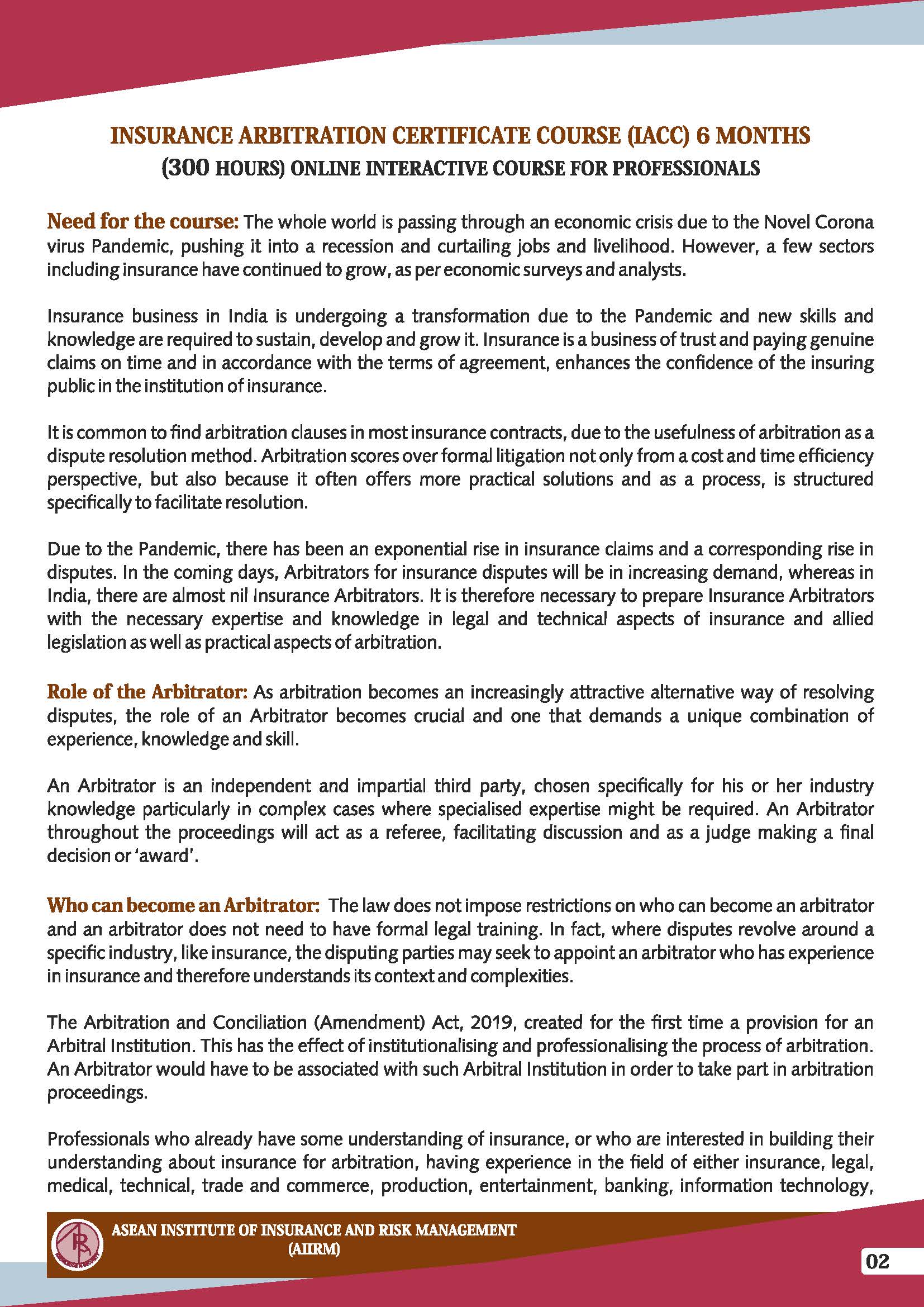
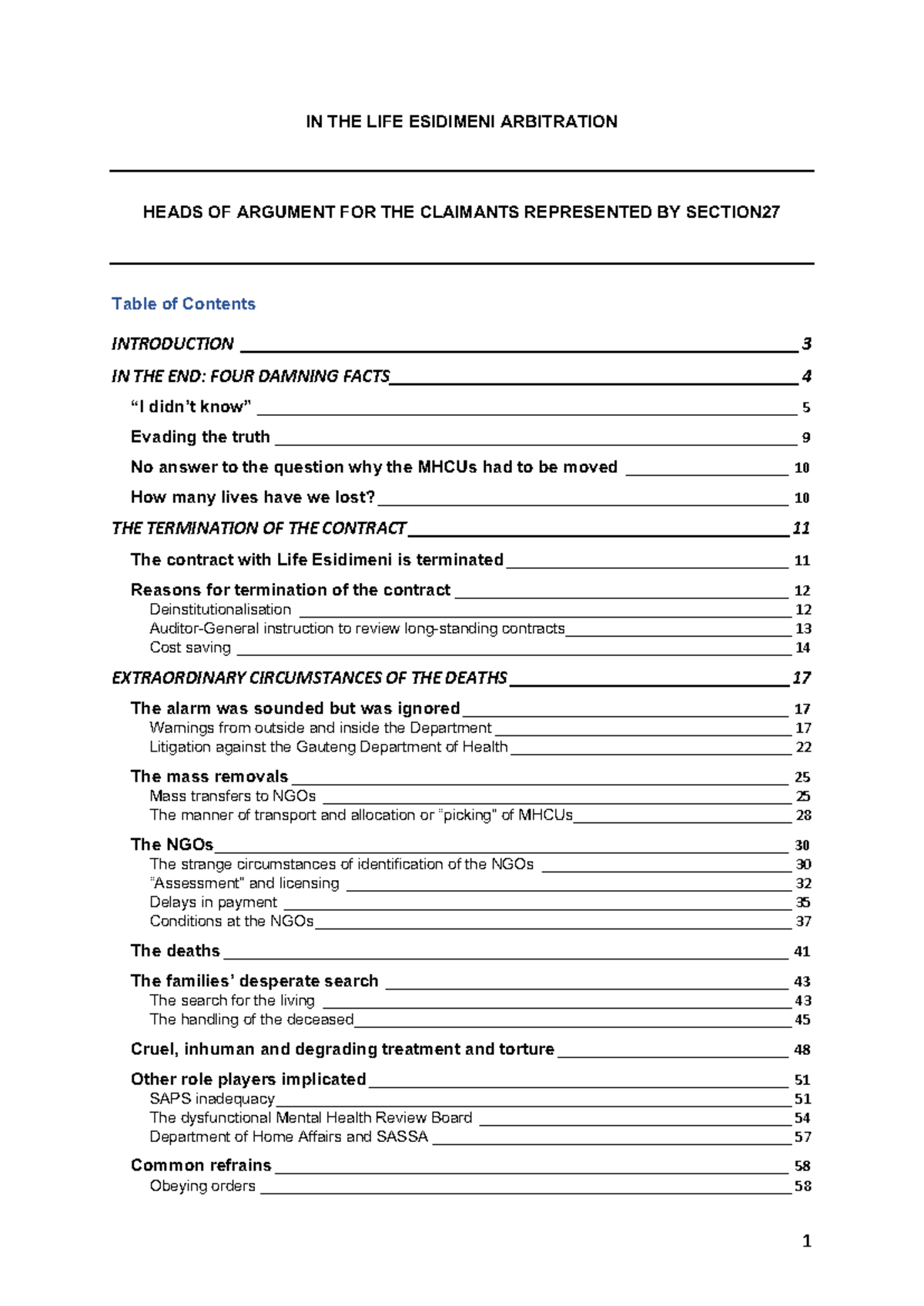
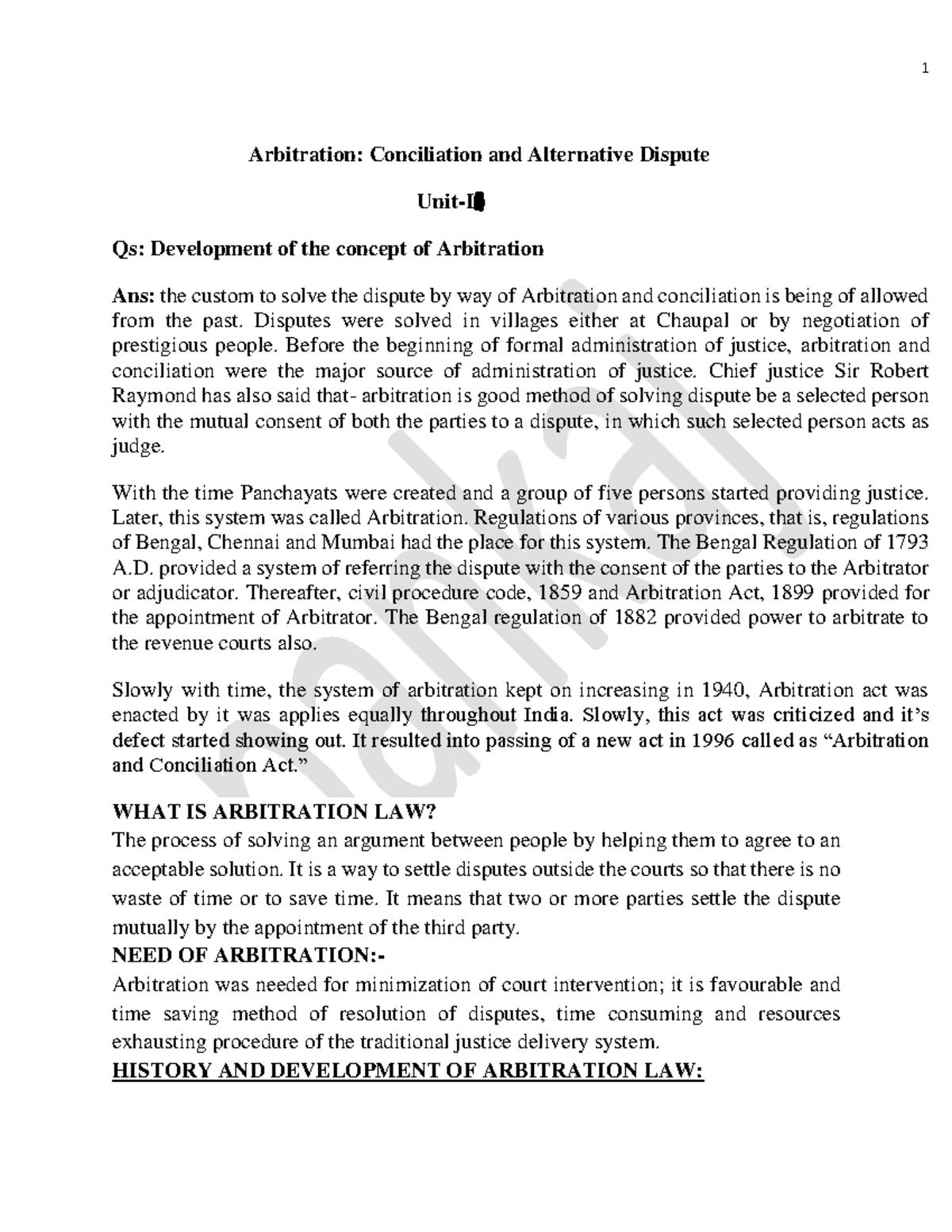
Arbitration in life insurance is a private, alternative dispute resolution process where a neutral third party, rather than a judge or jury, decides the outcome of a disagreement between a beneficiary and an insurance company. This mechanism is increasingly found in modern policy contracts to streamline conflict resolution, though it fundamentally alters the traditional legal rights of policyholders by removing the option for a public jury trial.
The Role of Arbitration Clauses in Life Insurance Contracts
In the context of life insurance, arbitration clauses are provisions embedded within the fine print of a policy document. When a beneficiary enters into a contract with an insurer, they often agree—by default—to resolve future disputes through binding arbitration. This is generally designed to minimize the costs associated with prolonged litigation for both parties.
Unlike litigation, which takes place in a public courtroom under the scrutiny of judicial oversight and public record, arbitration is a private process. The insurer and the claimant select an arbitrator or a panel of arbitrators who hear arguments and examine evidence. The arbitrator then renders a decision, known as an "award," which is typically final and binding. This means that, in most jurisdictions, the scope for appealing an arbitrator’s decision is extremely narrow, often limited to cases of proven fraud, bias, or procedural misconduct.
Why Insurers Include Mandatory Arbitration
Insurance companies often advocate for arbitration because it offers predictability and speed. A standard lawsuit can drag on for years, involving extensive discovery phases, motions, and the inherent unpredictability of a jury trial. Arbitration can be completed in a fraction of that time, significantly reducing legal fees and operational expenses for the insurer.
For the policyholder, this structure presents a double-edged sword. While the process may be faster and less formal than a trial, the claimant effectively forfeits their constitutional right to a jury trial. Furthermore, because arbitration proceedings are private, there is no public record of the insurer’s conduct, which can potentially mask patterns of denied claims or bad-faith practices that might otherwise be exposed in open court.
Distinguishing Arbitration from Litigation
Understanding the difference between these two avenues is vital for anyone currently challenging a life insurance claim denial.
| Feature | Arbitration | Litigation |
|---|---|---|
| Decision Maker | Private Arbitrator(s) | Judge or Jury |
| Public Record | Generally Private/Confidential | Public Record |
| Speed | Typically Faster | Often Slower |
| Discovery | Limited | Extensive |
| Appeals | Highly Restricted | Generally Available |
| Costs | Often Shared or Borne by Parties | Can be higher due to length |
The Dispute Resolution Process: A Step-by-Step Approach
If you find yourself in a position where you must challenge a life insurance decision, the process generally follows a specific trajectory before it reaches an arbitration stage.
- Internal Appeals: Before invoking an arbitration clause, you must exhaust the insurer’s internal appeals process. You should submit all necessary documentation, including updated medical records, proof of premium payments, or expert testimony that supports your claim.
- Consultation with Legal Counsel: If the appeal is denied, review your policy contract carefully. Look for an "Alternative Dispute Resolution" or "Arbitration" section. Consult an attorney experienced in insurance law to determine if the arbitration clause is enforceable in your specific jurisdiction.
- Filing for Arbitration: If you decide to proceed, your legal counsel will file a demand for arbitration with an organization such as the American Arbitration Association (AAA) or JAMS. This notice officially initiates the dispute resolution phase.
- Selection of Arbitrator: The parties will agree on a neutral arbitrator. This individual often has experience in insurance or contract law.
- Discovery and Hearing: While less expansive than courtroom discovery, there is still a phase where parties exchange evidence. The hearing follows, where testimonies are heard, and the arbitrator makes a final, binding determination.
Jurisdictional Nuances and Legal Challenges
The enforceability of mandatory arbitration clauses varies significantly by state. Some states have enacted statutes or regulations that limit the ability of insurance contracts to force consumers into arbitration, arguing that such clauses are unconscionable or violate state insurance codes.
It is important to note that the Federal Arbitration Act (FAA) generally favors the enforcement of arbitration agreements. However, the McCarran-Ferguson Act allows states to regulate the "business of insurance." Consequently, if a state has a specific law that prohibits mandatory arbitration in insurance contracts, that law may preempt the FAA. Because legal precedents evolve, you must verify the specific statutes of your state regarding the validity of binding arbitration in insurance contracts.
Potential Drawbacks for Policyholders
The shift toward mandatory arbitration creates specific risks for beneficiaries. The most prominent concern is the potential for "repeat player bias." Since insurance companies are frequently involved in disputes, they interact with the same arbitration firms and arbitrators regularly. Critics argue that this creates a subconscious incentive for arbitrators to favor the insurer to secure future business, a claim that remains a point of intense debate in legal circles.
Additionally, the cost of arbitration can sometimes be prohibitive. While the process is intended to be cheaper, the claimant is often responsible for paying a share of the arbitrator’s high hourly fees. If a claimant cannot afford these costs, they may be effectively prevented from pursuing their claim at all, a scenario that rarely occurs in the court system, where judge salaries are paid by the state.
Frequently Asked Questions
Does agreeing to arbitration mean I cannot hire an attorney? No. You are entitled to legal representation throughout the arbitration process. Given that arbitration is often binding with little room for appeal, hiring a lawyer specialized in insurance disputes is strongly recommended.
Can I opt out of an arbitration clause? Check your policy language. Some insurers provide a "right to reject" arbitration clause within a specific window after the policy is issued. If you failed to exercise this right initially, the clause is typically considered binding.
Is an arbitrator’s decision final? In the vast majority of cases, yes. The decision is "binding," meaning you cannot simply take the case to court if you dislike the outcome. Appeals are only successful in very narrow, extreme circumstances, such as proving the arbitrator was biased or committed a procedural error.
What happens if the insurance company refuses to arbitrate? If a contract contains an arbitration clause and the company refuses to honor that process, you may seek a court order to compel arbitration. Conversely, if you believe the clause is invalid, you would need to argue that in a court of law.
Are there alternatives to arbitration if my policy has a clause? Some policies include voluntary mediation. Unlike arbitration, mediation is a non-binding process where a neutral third party helps both sides negotiate a settlement. If mediation fails, you may still be bound by the arbitration requirement for a final decision.
Where can I find my policy’s specific dispute terms? These are typically located in the "General Provisions" or "Claims Process" section of your policy document. If you do not have the document, contact the insurance carrier’s customer service department to request a full, unabridged copy of your contract.
Final Recommendations for Policyholders
If you are currently evaluating a life insurance policy or are involved in a dispute, the most critical step is to read your contract in its entirety. Do not rely on summaries provided by sales materials or third-party websites.
- Verify Your Rights: Determine if your state insurance commissioner has issued any bulletins or regulations regarding the enforceability of arbitration clauses in life insurance.
- Document Everything: If a dispute arises, maintain a meticulous log of all communications, denial letters, and internal appeal attempts.
- Seek Professional Counsel: Given the binding nature of arbitration, consult with an attorney before submitting your formal demand for arbitration. They can help ensure your evidence is properly organized and your legal arguments align with relevant state laws.
Ultimately, while arbitration is a common feature in the insurance industry, it is a significant procedural hurdle that requires careful navigation. By understanding your contractual obligations and the limitations of the arbitration process, you can better prepare to protect your interests and ensure your claim is handled fairly.