Arborist workers compensation insurance provides mandatory wage replacement and medical benefits to tree care employees injured on the job. Because arboriculture is classified as a high-risk industry, selecting the right policy involves navigating specific class codes, state-mandated requirements, and risk-mitigation discounts that directly influence your annual premiums and coverage reliability.
The High-Risk Nature of Arboriculture
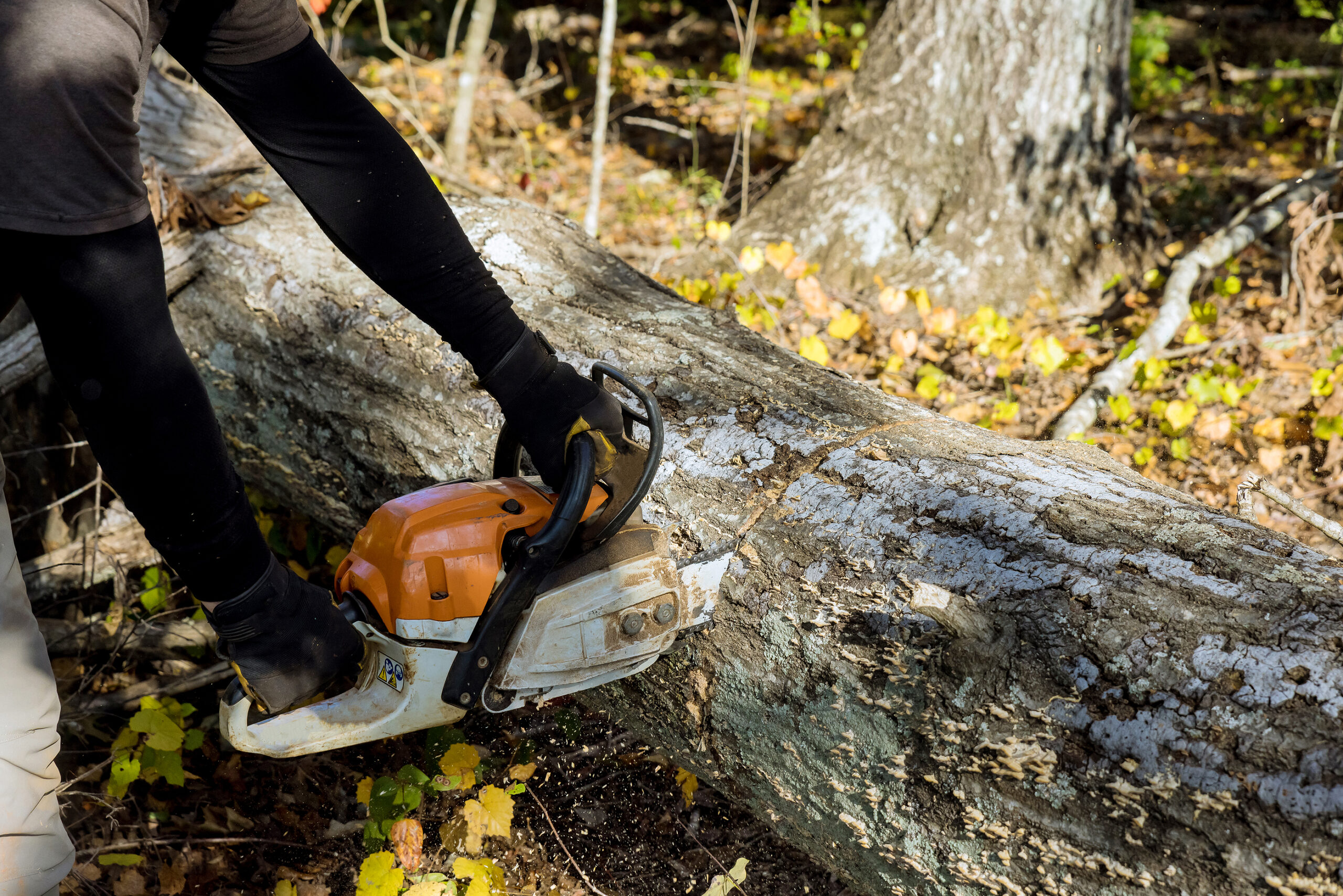
The tree care industry consistently ranks among the most hazardous professions globally. Between the use of industrial-grade chainsaws, heavy machinery like wood chippers and aerial lifts, and the inherent dangers of climbing, the risk of severe injury is significantly higher than in general landscaping.
Insurance carriers categorize arborist work under specific workers compensation "class codes." In most U.S. jurisdictions, this is often classified under the "Tree Pruning, Spraying, Repairing, Trimming or Fumigating" category. Because this work involves working at heights and near power lines, the base rate for premiums is substantially higher than for standard lawn maintenance. Understanding that your workers compensation is not just a regulatory hurdle, but a fundamental pillar of your business’s financial viability, is the first step in sourcing the right policy.
Understanding State-Specific Requirements
Workers compensation is primarily a state-regulated product. While the fundamental goal of the insurance—to provide "no-fault" coverage for employees—is consistent, the delivery mechanisms vary by jurisdiction.
- Monopolistic States: In states like Ohio, North Dakota, Washington, and Wyoming, you must purchase workers compensation insurance directly from the state-run fund. Private insurance carriers are not permitted to write these policies.
- Competitive States: In most other states, you have the option to purchase insurance through private, licensed insurance carriers. These companies compete on pricing, customer service, and the quality of their loss-control programs.
- Assigned Risk Pools: If your company has a high "Experience Modifier" (a history of frequent or severe claims), you may find that private carriers are unwilling to insure you. In these instances, you are directed to the state’s assigned risk pool—an insurer of last resort. While this ensures you remain compliant with the law, it is almost always the most expensive option available.
Evaluating Policy Options and Carriers
When comparing arborist workers compensation insurance, you are evaluating more than just the annual premium. The "best" option is one that balances cost, claim-handling reputation, and proactive safety support.
Comparing Potential Coverage Providers
| Option Type | Pros | Cons |
|---|---|---|
| National Carriers | Strong financial backing, dedicated safety portals, specialized claims handling. | May have strict underwriting guidelines; less flexibility for smaller crews. |
| Regional/Specialized Insurers | Deep knowledge of local arborist risks and state regulations. | Limited coverage footprint; may lack advanced digital tools. |
| State Funds | Guaranteed coverage; no competition-based price volatility. | Limited or no access to private safety incentive programs. |
| Assigned Risk Pools | Ensures legal compliance when standard options decline coverage. | High premiums; no choice in carrier; requires strict compliance. |
The Role of the Experience Modifier (MOD)
Your "Experience Modification Rate," often called an "E-Mod" or "MOD," is a numerical factor that compares your company’s claims history to the average claim cost for similar companies in your state.
- 1.0: This is the industry average. If your company has a 1.0 MOD, your premiums are standard for the industry.
- Below 1.0: If your safety protocols are working and your claims are low, your MOD will drop below 1.0, effectively earning you a discount on your premiums.
- Above 1.0: Frequent or severe accidents will drive your MOD above 1.0, serving as a financial multiplier that increases your annual premiums significantly.
Maintaining a low E-Mod is the most effective way to lower your insurance costs over time. This requires an uncompromising commitment to safety, including regular equipment maintenance, proper use of Personal Protective Equipment (PPE), and continuous training for all crew members.
How to Apply for Coverage
Applying for workers compensation is an underwriting process. An insurance carrier will need to verify the nature of your work to assign the correct rate.
- Provide Accurate Payroll Data: Your premium is calculated based on your total payroll. Be precise. Underestimating payroll can result in a significant "audit bill" at the end of the policy term.
- Disclose Operational Scope: Clearly state if you perform utility-line clearance, as this carries a different risk profile than standard residential tree trimming.
- Document Safety Programs: Provide the carrier with copies of your employee safety handbooks and training logs. Carriers that see a robust, written safety program are more likely to offer competitive quotes.
- Prepare for Audits: Most policies are audited annually. Ensure your payroll records are digitized and easily accessible to verify the figures submitted during the application phase.
Strategies to Control Costs
Beyond merely shopping for a lower premium, you can manage the underlying drivers of your insurance costs.
- Implement a "Return-to-Work" Program: If an employee is injured, helping them return to a light-duty or administrative role as soon as they are medically cleared reduces the duration of the claim. This significantly lowers the ultimate cost of the claim to the insurance carrier, which in turn helps keep your E-Mod down.
- Invest in Equipment Upgrades: Modern wood chippers with emergency shut-off bars and reliable aerial bucket trucks reduce the likelihood of catastrophic injury. Carriers may offer credits for businesses that utilize advanced safety technologies.
- Periodic Review: Review your policy annually. If your business mix changes—for instance, if you move away from high-risk removals and toward low-risk pruning—your insurance agent should be able to petition the carrier for a rate adjustment.
Common Pitfalls to Avoid
Many business owners fall into the trap of misclassifying employees as independent contractors to avoid paying workers compensation premiums. This is a common mistake that leads to severe legal and financial consequences. If the state determines those workers are actually employees, you will be liable for back premiums, heavy fines, and the full cost of any medical bills or lost wages incurred by those workers.
Furthermore, ensure that your certificate of insurance (COI) is always up to date. Clients, particularly commercial property managers and government agencies, will require proof of workers compensation before allowing you onto their sites.
Frequently Asked Questions
What happens if I cannot afford standard workers compensation premiums? If you are unable to obtain coverage through private carriers due to a high risk profile, you must contact your state’s insurance commissioner to apply for the assigned risk pool. While expensive, it is a legal requirement to operate in most states. Prioritize safety and claim reduction to eventually transition back to the private market.
Does my general liability insurance cover injured workers? No. General liability insurance covers damages to third-party property or bodily injury to someone who is not an employee. Workers compensation is a distinct policy specifically designed for your employees. Relying on the wrong policy will leave your business exposed to devastating lawsuits.
Are there specialized discounts for arborists? Yes. Some carriers provide discounts for businesses that hold specific credentials, such as ISA (International Society of Arboriculture) certification for employees or TCIA (Tree Care Industry Association) accreditation for the business. These signify a commitment to professional standards and safety.
How often should I review my insurance policy? You should review your coverage annually at the time of renewal. Additionally, you should request a mid-term review if your company expands its service offerings, changes its average crew size, or experiences a shift in its safety performance metrics.
Is my equipment covered by workers compensation? No. Workers compensation covers the humans, not the machines. You need separate commercial property or inland marine insurance policies to cover damage to or theft of your chainsaws, trucks, and wood chippers.
Can I get a discount for a clean claims history? Absolutely. A consistent, multi-year record of zero or few claims is the strongest tool you have for negotiating lower rates with your insurance carrier or broker.
Next Steps for Your Business
If your current policy is approaching renewal, start by requesting an "Experience Rating Worksheet" from your state’s rating bureau. This document will show you exactly how your claims history is impacting your current premiums. Once you understand your E-Mod, contact an independent insurance agent who specializes in the green industry. A specialist will understand the nuances of the arborist trade and can help you present your safety protocols to carriers in a way that secures the best possible pricing and coverage terms. Do not wait until a claim occurs to verify that your insurance documentation is accurate and that your policy limits are sufficient for the scale of your operations.