The compensation for an arc welder in 2026 is determined by a complex interplay of geographic location, specialized certifications, industry demand, and the specific arc welding process employed. While national averages provide a baseline, actual earnings often diverge significantly based on whether a welder operates in construction, manufacturing, energy, or specialized fabrication sectors.
Defining the Arc Welder Role and Scope
Arc welding is a process that uses an electric arc to create heat and melt metal, joining pieces together. While the term "arc welder" is broad, it typically encompasses professionals proficient in Shielded Metal Arc Welding (SMAW), Gas Metal Arc Welding (GMAW/MIG), and Gas Tungsten Arc Welding (GTAW/TIG).
The compensation for these professionals is not a single, static figure. Instead, it is a reflection of the barrier to entry for specific skills. For instance, a basic welder performing routine assembly line work often falls into a different pay bracket than a certified pipe welder working on high-pressure steam lines or structural steel for major infrastructure projects. As of 2026, the demand for highly skilled technicians who can interpret complex blueprints and maintain rigorous safety standards remains a primary driver for wage growth in the industry.
Key Factors Influencing Compensation
To understand why arc welder salaries vary, one must look at the variables that employers use to set pay scales. These factors are not mutually exclusive and often stack, allowing skilled individuals to command higher hourly rates or base salaries.
Geographic Market Dynamics
The cost of living and the concentration of industrial activity play the most significant roles in regional pay differences. States with large-scale energy infrastructure, such as Texas, Louisiana, and Alaska, frequently report higher average salaries for specialized welders due to the high demand for project-based pipeline and offshore work. Conversely, in regions with lower industrial density, wages may be more closely tied to local manufacturing rates, which can be lower but more stable.
Certifications and Technical Proficiency
Certification is the most potent tool for salary negotiation. Employers prioritize welders who hold American Welding Society (AWS) certifications or specialized ASME (American Society of Mechanical Engineers) stamps. A welder who is certified to work on pressure vessels or high-stress structural joints is significantly more valuable than an uncertified worker. By 2026, the ability to demonstrate proficiency in newer, automated, or robotic welding interfaces has also become a premium skill set that commands higher compensation.
Industry and Working Conditions
The environment in which an arc welder operates dictates the "hazard pay" or environmental premium included in the salary.
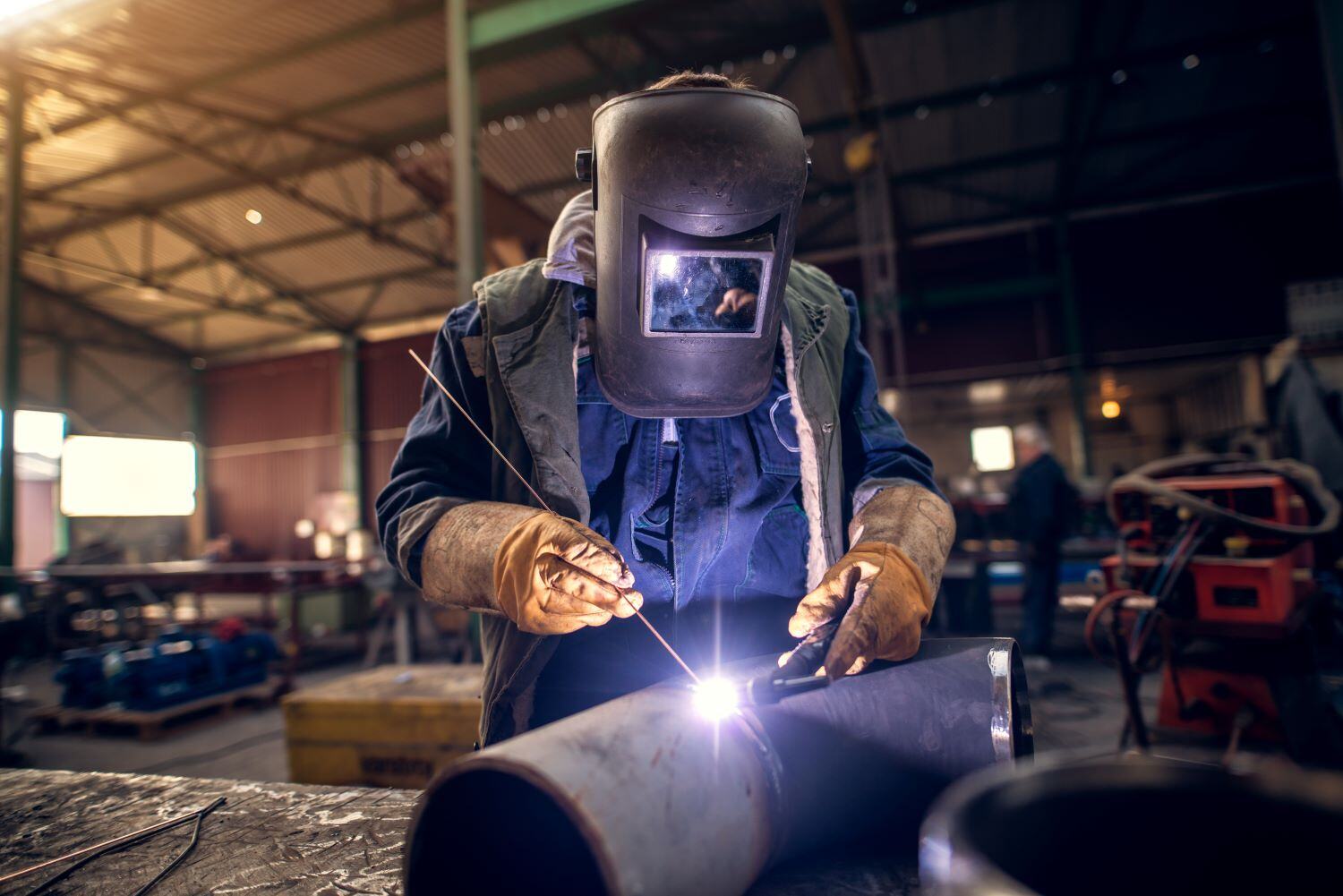
- Manufacturing/Shop Welding: Generally offers the most consistent schedule and predictable pay, often indoors with controlled environments.
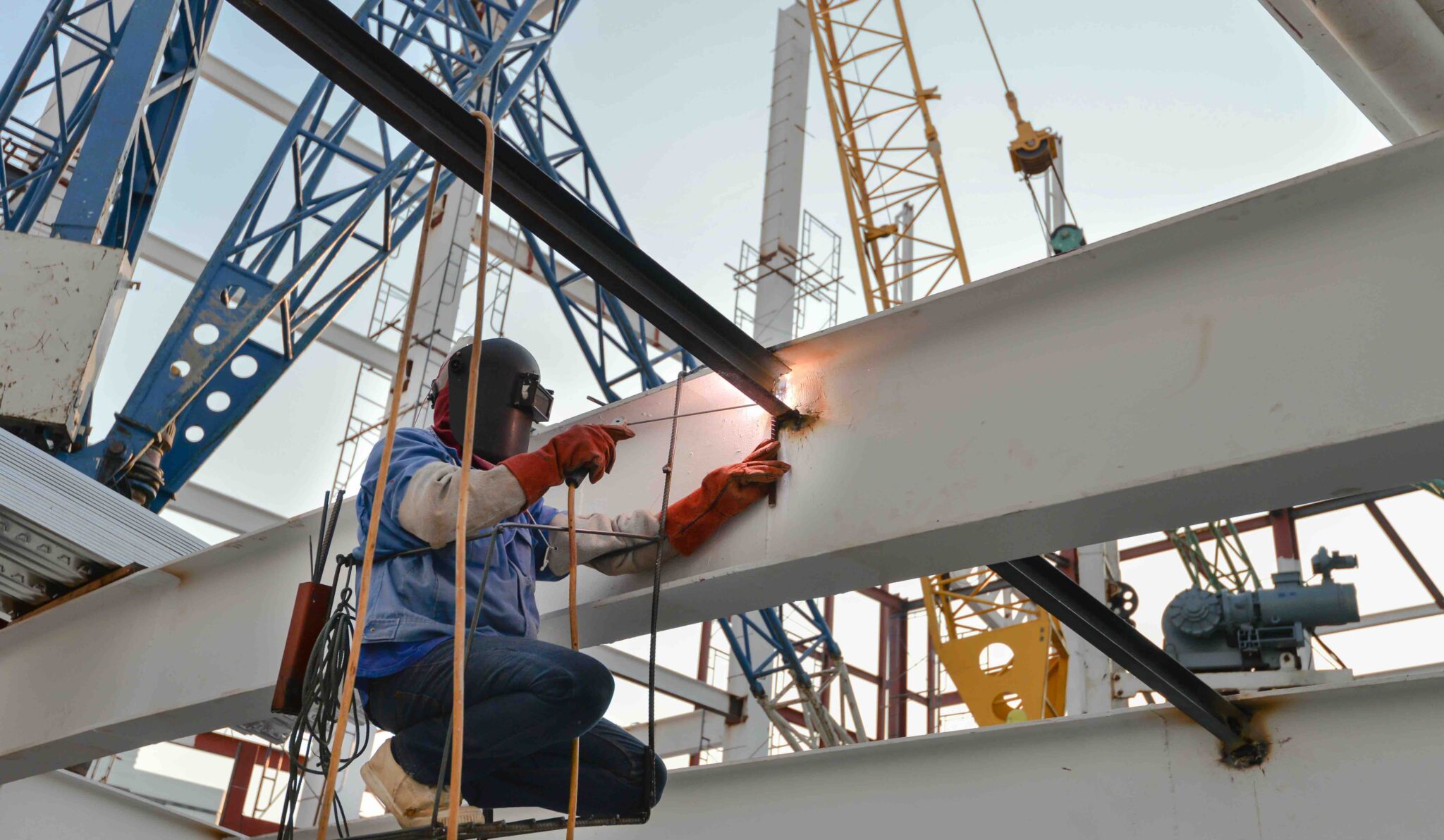
- Construction/Structural: Offers higher pay due to overtime opportunities and the physically demanding, often outdoor, nature of the work.
- Energy/Pipelines: Frequently provides the highest compensation, often including per diem payments, travel allowances, and significant overtime, though it requires long periods of travel and strenuous work.
Comparison of Compensation by Sector
The following table illustrates the typical variation in compensation structures across common welding sectors. These figures represent general industry standards for 2026 and should be viewed as estimates rather than guaranteed starting rates.
| Sector | Primary Focus | Pay Structure | Salary/Wage Factors |
|---|---|---|---|
| Manufacturing | Repetitive assembly, jigs | Hourly | Based on production quotas |
| Construction | Structural steel, bridges | Hourly + Overtime | Project duration, safety records |
| Energy/Pipeline | High-pressure, critical welds | Hourly + Per Diem | Travel requirements, certifications |
| Aerospace/Defense | Precision, exotic alloys | Salary | High skill level, security clearance |
| Maintenance/Repair | Varied, custom work | Hourly | Problem-solving skills, speed |
The Impact of Experience and Career Path
An apprentice arc welder in 2026 typically starts at the lower end of the wage spectrum as they gain hours of practice and refine their bead quality. As a welder moves from an apprentice to a journeyman, the ability to pass more difficult "x-ray" or "ultrasonic" tests determines their eligibility for high-paying roles.
The career trajectory often moves from basic carbon steel welding to more complex materials like stainless steel, aluminum, and titanium. Each jump in material proficiency typically accompanies a pay grade increase. Furthermore, those who move into inspection, quality control, or welding supervision can see their compensation transition from hourly wages to salaried positions, often accompanied by benefits packages such as health insurance, retirement contributions, and performance bonuses.
Educational Requirements and Training Costs
Investment in training is the prerequisite for entering the higher-paying brackets of the arc welding profession. While on-the-job training is possible, most high-paying employers in 2026 expect candidates to have completed a technical certification or an associate degree from a recognized welding school.
The cost of this education varies, but it is a necessary investment to access the certifications that trigger higher pay. Prospective welders should consider the following when evaluating the cost-benefit of their training:
- Certification Types: Focus on certifications recognized by the AWS, as these are the industry standard for verifying competency.
- Training Duration: Intensive programs that provide hands-on experience generally lead to faster job placement than purely theoretical courses.
- Apprenticeships: These programs offer a way to earn while learning, reducing the net cost of education by combining classroom time with compensated field experience.
Navigating Employment Contracts and Benefits
When considering an arc welder's salary, it is vital to account for total compensation. In the current market, base hourly rates do not tell the whole story. Benefits such as health insurance, pension plans, tool allowances, and safety equipment subsidies can add significant value to an employment package.
For contract or travel welders, the "per diem" (a daily allowance for living expenses) is a critical component of their financial plan. While not "salary," it provides tax-advantaged income that effectively increases the worker's take-home pay. It is essential for welders to clarify whether their quoted rate is inclusive of these benefits or if they are supplemental.
Safety, Compliance, and Professional Liability
Safety is paramount in arc welding, and professional conduct directly influences salary stability. Employers perform regular safety audits. A welder with a clean, accident-free record is more likely to be retained during industry downturns and is a prime candidate for promotion. Furthermore, understanding the legal and regulatory compliance aspects of welding—such as building codes and welding procedures—prevents the liability issues that can stall a career.
Frequently Asked Questions
Does a welder's salary increase with more certifications? Yes. Certifications act as a verified proxy for skill. Employers pay more for workers who are qualified for specialized tasks, such as pressure vessel welding or working with exotic alloys, because these certifications reduce the employer's risk of project failure or rework.
Is it common for arc welders to be paid overtime? It is very common. Much of the welding industry, particularly in construction and energy, operates on project timelines that demand extended hours. In these sectors, time-and-a-half or double-time pay for hours exceeding 40 per week is a standard part of the annual income calculation.
How does robotic welding affect arc welder salaries? The rise of automation has shifted the demand toward welders who can manage and troubleshoot robotic systems. Rather than replacing the human element, automation has created a new, higher-paying tier of "robotic welding technicians" who earn more than traditional manual welders.
Are there significant salary differences between union and non-union jobs? Generally, union jobs provide a more standardized pay scale, structured benefits, and guaranteed raises based on seniority. Non-union shops may offer more flexibility in negotiation but lack the standardized protection of a collective bargaining agreement.
How can a welder accurately estimate their take-home pay? Welders should calculate their total compensation by adding the base hourly rate, anticipated overtime, per diem payments, and the monetary value of employer-provided benefits, then subtracting the costs of their own equipment maintenance and insurance.
What is the best way to request a raise in 2026? The most effective way to request a raise is to present evidence of new certifications, increased productivity, or the successful completion of complex, high-stakes projects. Linking your personal development to the employer's bottom line is the most professional approach.
Next Actions for Career Advancement
To maximize your earning potential as an arc welder, begin by auditing your current certifications against the requirements of the highest-paying sectors in your area. If you find a gap, prioritize obtaining an industry-recognized certification that is in high demand. Keep a detailed log of your hours, the types of welds performed, and any successful projects, as this documentation serves as your "proof of value" during salary negotiations. Finally, stay connected with local AWS chapters to keep informed of regional shifts in labor demand, ensuring that your skills remain aligned with the evolving needs of the industry.