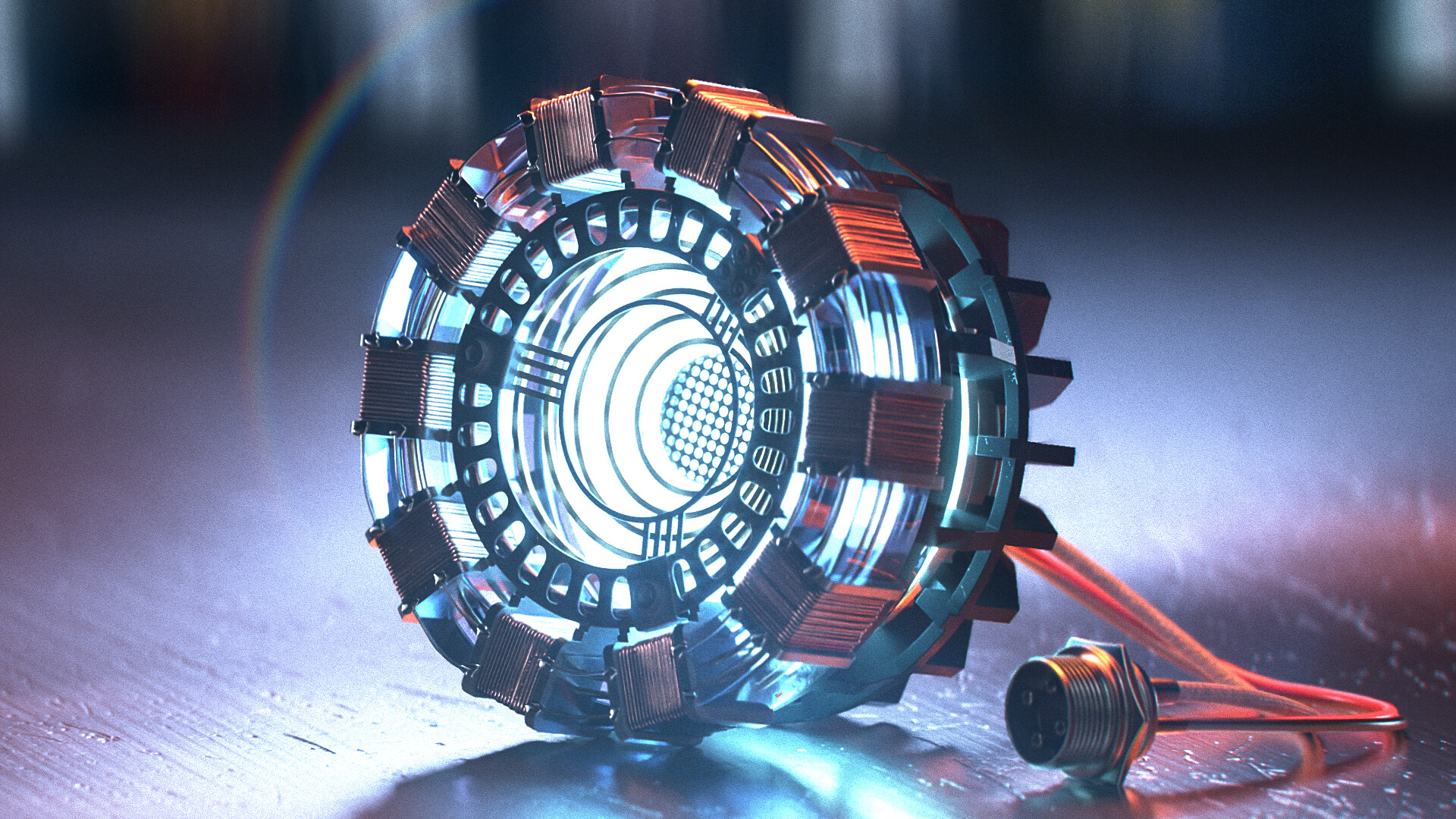
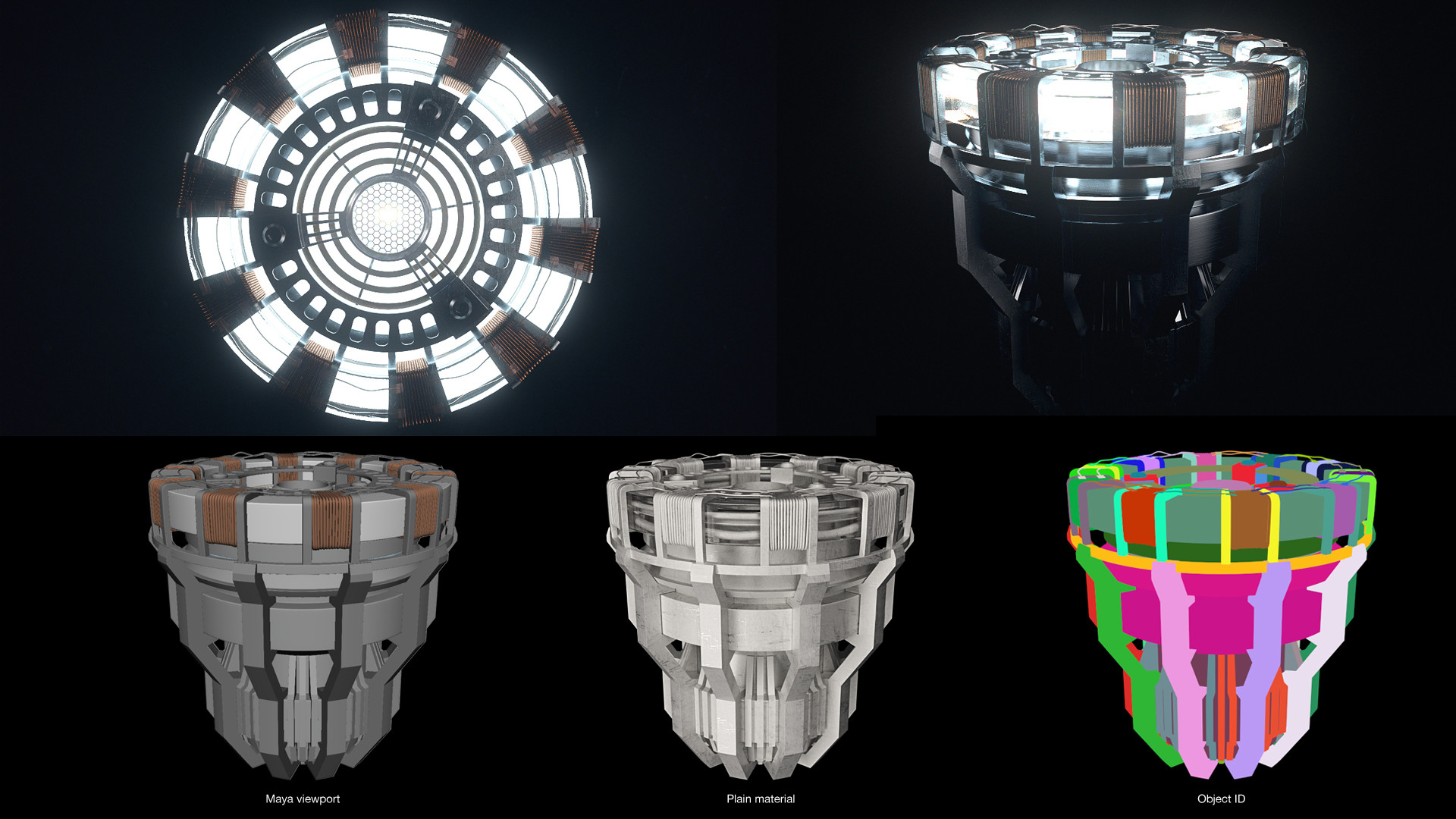
The "arc reactor," as popularized by the Marvel Cinematic Universe, is a fictional power source capable of delivering gigawatts of energy from a device small enough to fit into a human chest. In real-world physics, no such miniaturized, self-sustaining cold fusion device exists. However, current research into magnetic confinement fusion and compact plasma physics represents the genuine pursuit of the extreme energy density and sustainability that the arc reactor represents in fiction.
Understanding the Fictional Premise
In the Marvel mythos, the arc reactor is described as a breakthrough in clean energy, relying on a proprietary "new element" and a variation of palladium-core cold fusion. From a materials science perspective, this is pure fantasy. Cold fusion—the process of achieving nuclear fusion at room temperature—has never been verified as a scalable or stable power generation method in any peer-reviewed scientific setting.
The appeal of the arc reactor lies in its "compactness." Modern nuclear reactors, whether fission-based (like those in power plants) or experimental fusion-based, require massive shielding, cooling systems, and infrastructure to manage the byproduct heat and radiation. The fictional arc reactor bypasses these laws of thermodynamics and radiological safety, functioning as a "magical" battery rather than a generator.
Real-World Fusion: The Quest for Sustained Energy
If we strip away the science fiction tropes, the "arc reactor" serves as a cultural placeholder for the holy grail of physics: Nuclear Fusion. Unlike fission, which splits atoms and creates long-term radioactive waste, fusion forces hydrogen isotopes together to form helium, releasing vast amounts of energy in the process.
Magnetic Confinement Fusion (Tokamaks)
The most successful real-life attempts to replicate the energy of a star involve Tokamak devices. A Tokamak uses powerful magnetic fields to confine a "plasma"—a hot, ionized gas—into a donut-shaped (torus) vacuum chamber.
- The Challenge: To sustain fusion, the plasma must reach temperatures exceeding 100 million degrees Celsius.
- The Limitation: Current facilities, such as the International Thermonuclear Experimental Reactor (ITER) project, occupy massive industrial complexes. They are the antithesis of the portable arc reactor.
Inertial Confinement Fusion
Alternatively, inertial confinement focuses high-energy lasers onto a small fuel pellet to trigger a fusion reaction. This method, utilized at the National Ignition Facility (NIF) in the United States, successfully achieved "ignition"—where the energy produced by the fusion reaction exceeded the laser energy delivered to the target—in recent years. However, this is a pulsed process, not a continuous power supply, and the supporting equipment remains room-sized.
Can We Miniaturize Fusion?
The primary reason a "chest-sized" reactor is currently impossible relates to the "Law of Scaling." Fusion requires a specific set of parameters to maintain a net positive energy output: pressure, temperature, and confinement time.
- Magnetic Field Strength: To shrink the reactor, you must increase the magnetic field strength exponentially to compensate for the smaller volume of plasma. We currently lack the high-temperature superconducting materials required to generate such intense fields in a compact form factor.
- Heat Management: A fusion reaction generates immense heat. In a device the size of a human hand, there is no physical surface area large enough to dissipate the waste heat without melting the surrounding materials.
- Radiation Shielding: Even if fusion were achieved, the high-energy neutrons produced during the reaction are destructive. They degrade the walls of the reactor over time and pose a lethal radiation risk to the user, necessitating thick lead or concrete shielding that would negate any portability.
Comparative Energy Technologies: Fiction vs. Reality
| Feature | Fictional Arc Reactor | Modern Fusion (Tokamak) | Current Portable Tech (Li-ion) |
|---|---|---|---|
| Energy Density | Extremely High (Near Infinite) | High (Potential) | Moderate |
| Physical Size | Palm-sized | Massive (Industrial Plant) | Microscopic to Portable |
| Fuel Source | Fictional/Proprietary | Deuterium/Tritium | Chemical Reaction |
| Heat Output | Negligible | Massive (Managed) | Low |
| Operational Status | Theoretical/Fiction | Experimental | Commercialized |
The "Arc Reactor" in Engineering Education
While a functional arc reactor does not exist, the design has become a staple in engineering education and hobbyist maker communities. Many enthusiasts use the aesthetic of the arc reactor to explore circuit design, LED array management, and custom battery integration.
Practical Lessons from "Propping" an Arc Reactor
Building a replica (a common STEM project in 2026) teaches fundamental skills:
- Circuitry: Designing power distribution for high-brightness LEDs.
- Fabrication: Utilizing 3D printing and CNC machining to create housing components.
- Safety: Understanding voltage regulation and heat dissipation in enclosed electronics.
These projects do not produce power; they consume it. They serve as a bridge between the imagination and the reality of electrical engineering, highlighting the importance of power management and efficient energy storage—the very constraints that currently prevent the real-world version of the device from existing.
Critical Challenges to Future Development
To move toward the reality of something resembling a compact reactor, researchers are focusing on three main areas:
- High-Temperature Superconductors: Materials that can operate at higher temperatures and create stronger magnetic fields are the key to shrinking fusion devices.
- Advanced Materials Science: Developing wall materials that can withstand constant bombardment by fusion-grade neutrons without becoming brittle or radioactive.
- Direct Energy Conversion: Finding ways to capture the energy from a fusion reaction without turning it into heat (steam) would theoretically reduce the footprint of a power plant significantly.
Frequently Asked Questions
Is cold fusion real?
No. While there have been historical claims of "cold fusion" (also known as Low-Energy Nuclear Reactions), these claims have never been replicated under controlled, rigorous scientific conditions. Most of the scientific community considers it pseudoscience.
Why does the arc reactor in films glow blue?
In the fiction of the Marvel universe, the glow is a visual representation of Cherenkov radiation or plasma ionization. In reality, the blue light produced by such a device would likely be a byproduct of the high-energy processes involved, but not the source of the power itself.
Could we use a battery instead of a reactor?
We already do. The "arc reactor" as a portable power source is effectively an incredibly advanced battery. As of 2026, solid-state battery technology is the primary focus for increasing energy density in portable devices, though it is still nowhere near the theoretical output of a fusion-based device.
Is the arc reactor dangerous?
In fiction, the arc reactor is depicted as having toxic side effects (such as palladium poisoning). In reality, any device generating high-output fusion would be a source of intense ionizing radiation, making it lethal to anyone in its immediate vicinity without extreme shielding.
Conclusion and Next Actions
The arc reactor remains a brilliant piece of science fiction that effectively communicates the human desire for limitless, clean, and portable energy. While we are decades, if not centuries, away from achieving this level of power density in a palm-sized package, the research into magnetic confinement fusion continues to advance our capabilities in sustainable energy.
If you are interested in the physics of energy, look into the latest status reports from the International Thermonuclear Experimental Reactor (ITER) or review open-source documentation on Compact Fusion Reactor (CFR) designs. For those looking to build a physical model, focus on learning 3D CAD modeling and basic circuit integration as a practical, foundational entry point into the principles of power electronics.