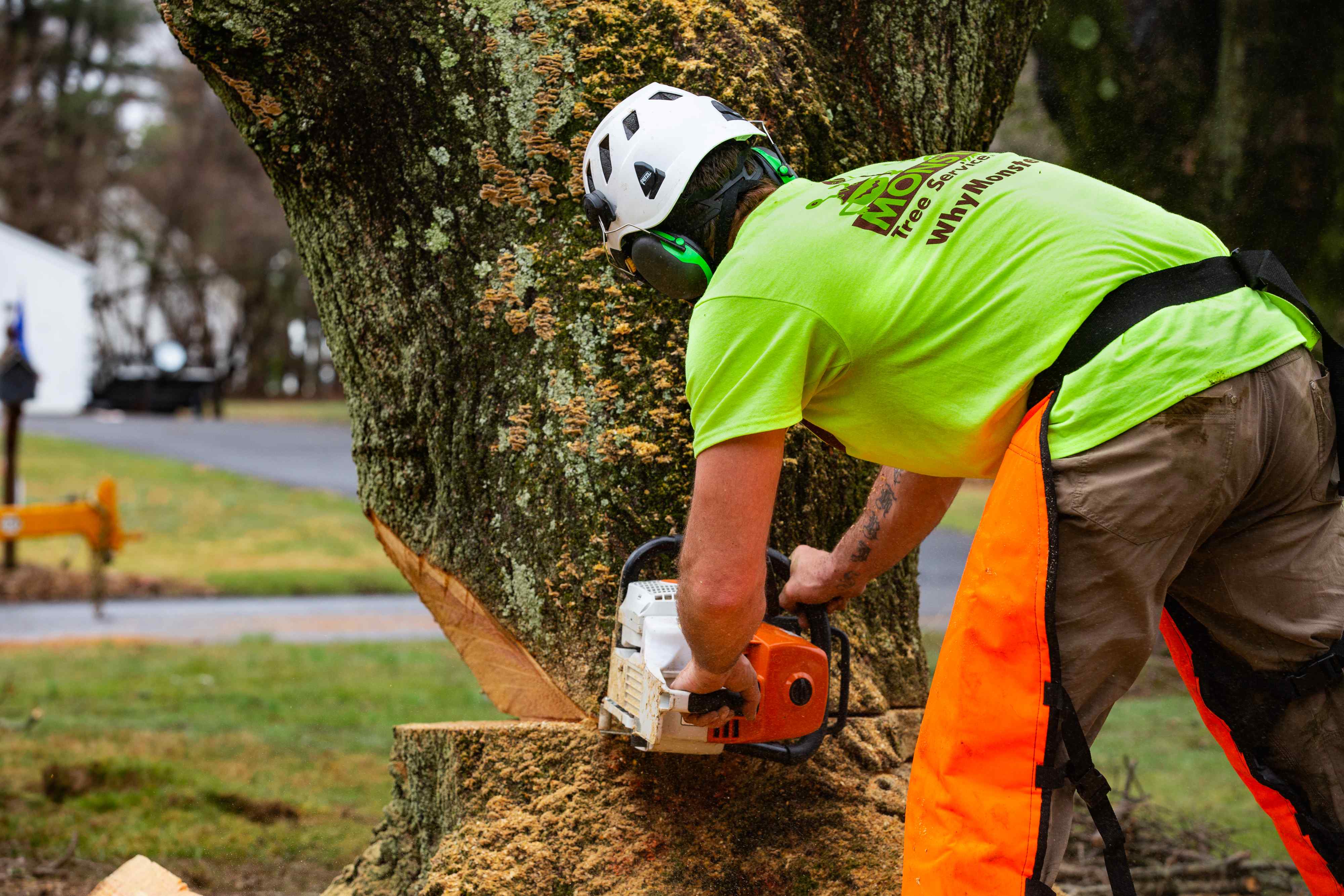
When maintaining the landscape of a property in Pasadena, California, engaging professional arborists is essential for ensuring the health, safety, and longevity of the local tree canopy. Pasadena’s unique Mediterranean climate and specific municipal regulations regarding protected tree species require specialized knowledge that goes beyond standard landscaping. Certified arborists provide the technical expertise necessary to diagnose structural vulnerabilities, manage disease, and ensure compliance with city-mandated tree preservation ordinances.
Understanding the Role of an Arborist in Pasadena
An arborist is a professional trained in the art and science of planting, caring for, and maintaining individual trees. Unlike general landscapers, who may focus on lawn aesthetics or seasonal plantings, an arborist specifically evaluates the biological and structural requirements of trees. In Pasadena, this distinction is critical due to the presence of significant native species, such as the Coast Live Oak (Quercus agrifolia), which is strictly protected under the Pasadena Tree Protection Ordinance.
Arborists in this region must navigate a complex ecosystem. They assess soil composition, which often varies from the heavy clay found in some flatland neighborhoods to the rocky, decomposed granite found in the foothills. Their primary tasks include structural pruning, hazard assessment, cabling and bracing for stability, and disease management tailored to the Southern California environment.
Why Local Expertise Matters for Pasadena Trees
Pasadena’s urban forest is diverse, ranging from historic residential specimens to parkland oaks. Selecting a local arborist provides three distinct advantages: familiarity with regional pest pressures, understanding of local microclimates, and expertise in navigating city-specific environmental regulations.
1. Navigating Municipal Regulations
The City of Pasadena has rigorous guidelines regarding the removal and pruning of trees. If a tree meets specific size or species criteria, homeowners are often required to obtain a permit before performing any work. Local arborists are typically well-versed in the requirements of the Pasadena Department of Public Works and can assist homeowners in documenting the necessity of maintenance, thereby helping to avoid heavy fines or legal complications.
2. Microclimate Management
Pasadena’s weather is not monolithic. A property in the lower Altadena border may experience significantly different rainfall patterns and wind exposure than one in the warmer, inland areas near the Huntington Library. A local arborist understands how these microclimates influence tree water uptake, stress cycles, and the timing of pruning cycles to prevent canopy shock.
3. Pest and Pathogen Identification
Specific threats, such as the Polyphagous Shot Hole Borer (PSHB) or the Goldspotted Oak Borer, have been documented in Southern California. Local professionals are trained to identify the earliest signs of these infestations, which is crucial for preventing the spread of pathogens that could otherwise devastate a private landscape.
Essential Services Offered by Pasadena Tree Care Specialists
Homeowners engaging arborists in Pasadena should look for a range of professional services that prioritize tree health and property safety.
- Risk Assessment and Hazard Mitigation: This involves a visual and physical inspection of the tree to identify cavities, root rot, or structural defects that could lead to failure, especially during high-wind events common in the area.
- Structural Pruning: The process of removing dead, diseased, or crossing branches to encourage healthy growth patterns. In the case of young trees, structural pruning ensures the development of a stable central leader.
- Deep Root Fertilization: Because urban soils are often compacted and nutrient-depleted, specialized injections of nutrients directly into the root zone can significantly improve tree vigor.
- Emergency Response: Following extreme weather events, local arborists provide 24/7 services for downed trees, large limb failure, and clearing of power lines.
- Pest and Disease Treatment: Utilizing integrated pest management (IPM) strategies to address infestations with minimal chemical footprint.
Comparative Overview of Tree Care Solutions
Choosing between different levels of service is vital for long-term budget management and property safety.
| Service Level | Focus | Best For | Typical Frequency |
|---|---|---|---|
| Routine Maintenance | Health monitoring and structural pruning | Established, healthy trees | Annually or biennially |
| Hazard Evaluation | Identifying structural risks and decay | Large, aging, or leaning trees | Every 1–3 years |
| Emergency Mitigation | Rapid response to storm damage | Fallen limbs or uprooted trees | As needed (on-call) |
| Permit Compliance | Navigating city ordinances | Protected oak species or native trees | Before any major work |
Evaluating Arborist Credentials
Not all tree care providers are arborists. To ensure the quality of work, homeowners should verify specific credentials. The gold standard in the industry is the ISA Certified Arborist designation, granted by the International Society of Arboriculture (ISA).
Verification Checklist:
- ISA Certification: Ask for the arborist’s certification number and verify it through the ISA website.
- Liability Insurance: Tree work is inherently dangerous. Confirm that the company carries comprehensive general liability and workers' compensation insurance. Request a Certificate of Insurance (COI) to confirm coverage is current for 2026.
- Bonding: Ensure the contractor is bonded, which provides a layer of financial protection for the homeowner.
- Local References: Ask for examples of similar work performed within Pasadena in the last 12–24 months.
Common Mistakes in Tree Management
Avoid the following common pitfalls when arranging tree care in Pasadena:
- "Topping" Trees: This practice involves cutting the main branches of a tree to stubs. It is considered poor practice, creates structural weakness, and is actively discouraged or prohibited by many city arboriculture guidelines.
- Ignoring Soil Compaction: Many homeowners add heavy layers of mulch or pavers near the base of a tree, restricting oxygen exchange in the root zone. A professional arborist will help design a landscape that protects the critical root zone.
- Improper Watering: Overwatering or inconsistent watering leads to root rot, particularly in native oak species that are adapted to dry summers. An arborist can help calibrate irrigation systems to meet the tree's actual needs.
- Waiting Until Failure: Addressing a tree's health only after a branch falls is a reactive strategy that often costs more than proactive, preventative maintenance.
Frequently Asked Questions
Does the City of Pasadena require a permit for pruning all trees? No, not all trees require a permit. However, the Pasadena Tree Protection Ordinance protects specific native species, including coast live oaks, over a certain trunk diameter. Always consult with your arborist or the City of Pasadena’s Urban Forestry division before proceeding with major work on these specific species.
What is the best time of year for tree trimming in Pasadena? For most tree species, late winter or early spring is ideal. This is typically the dormant season, which allows the tree to seal its wounds more effectively before the rapid growth of summer. However, emergency pruning can be performed at any time if safety is an issue.
How do I know if my tree is a hazard? Common indicators of a hazardous tree include large dead branches in the canopy, mushrooms or fungal growth at the base (indicating root decay), cracks in the trunk, or significant leaning that has developed recently. An ISA-certified arborist can perform a formal "Tree Risk Assessment" to provide a professional opinion.
Are there local arborists who specialize in historic trees? Yes. Given Pasadena’s architectural and historical significance, many local arborists have extensive experience working on heritage trees located on landmarked properties. Look for arborists who have experience with "Tree Preservation Plans" required for historic renovations.
How much does professional tree care usually cost in 2026? Costs vary significantly based on the size, accessibility, and condition of the tree. A simple structural pruning might range from a few hundred dollars, while complex removals of large, protected trees in tight residential areas can cost several thousand dollars. Always obtain at least three written estimates from licensed companies.
Moving Forward with Professional Care
If you are concerned about the health or safety of the trees on your property, the next step is to schedule an onsite consultation with an ISA-certified arborist. Do not attempt major tree maintenance yourself; the combination of high-voltage power lines and the structural complexity of mature trees makes this work a specialized professional task.
Contact a reputable local firm, provide them with the specific location of your trees, and ask for a visual assessment. By investing in professional care today, you ensure that Pasadena’s urban canopy remains a vibrant and safe asset for your property and the surrounding community for years to come.