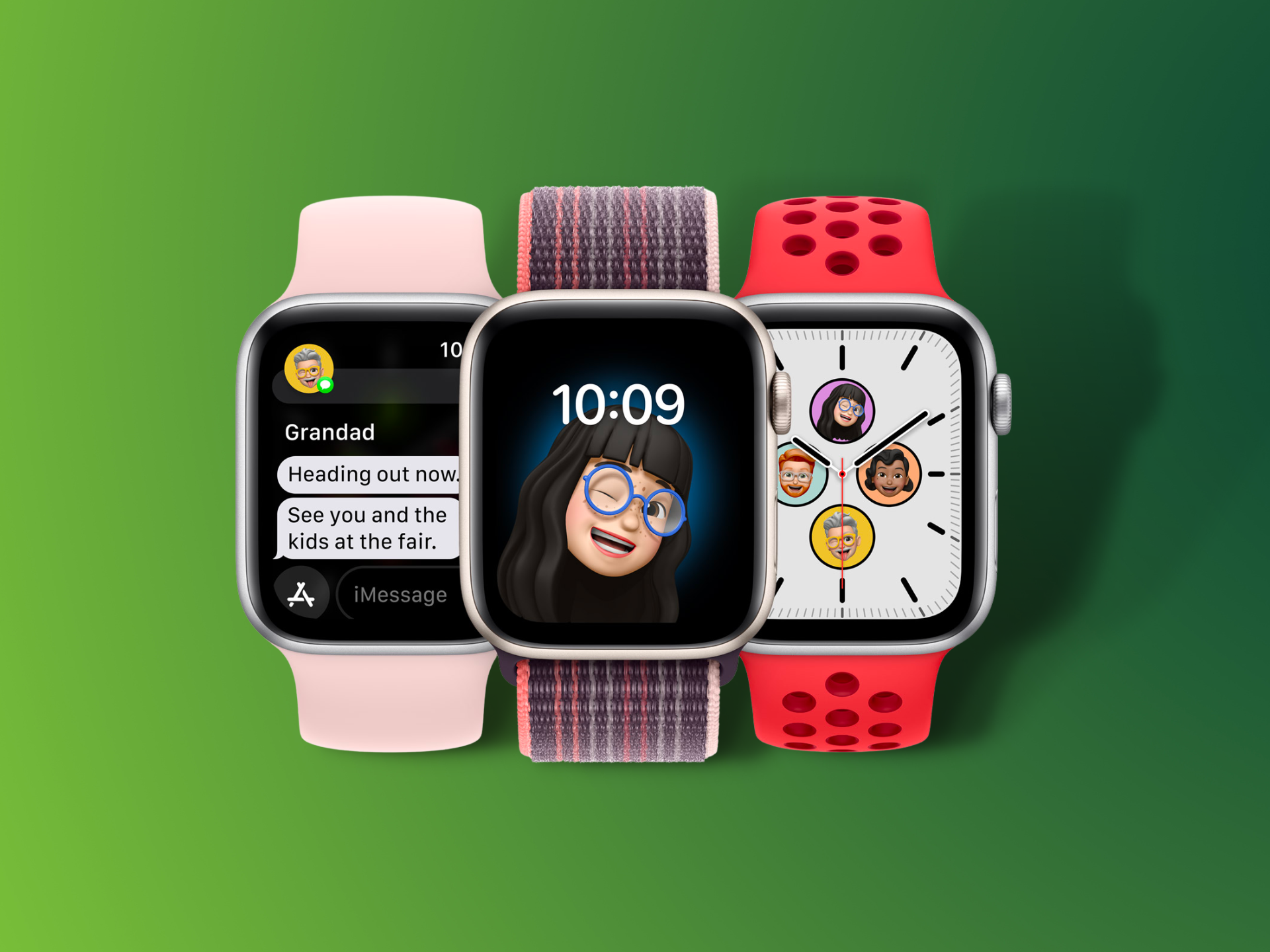
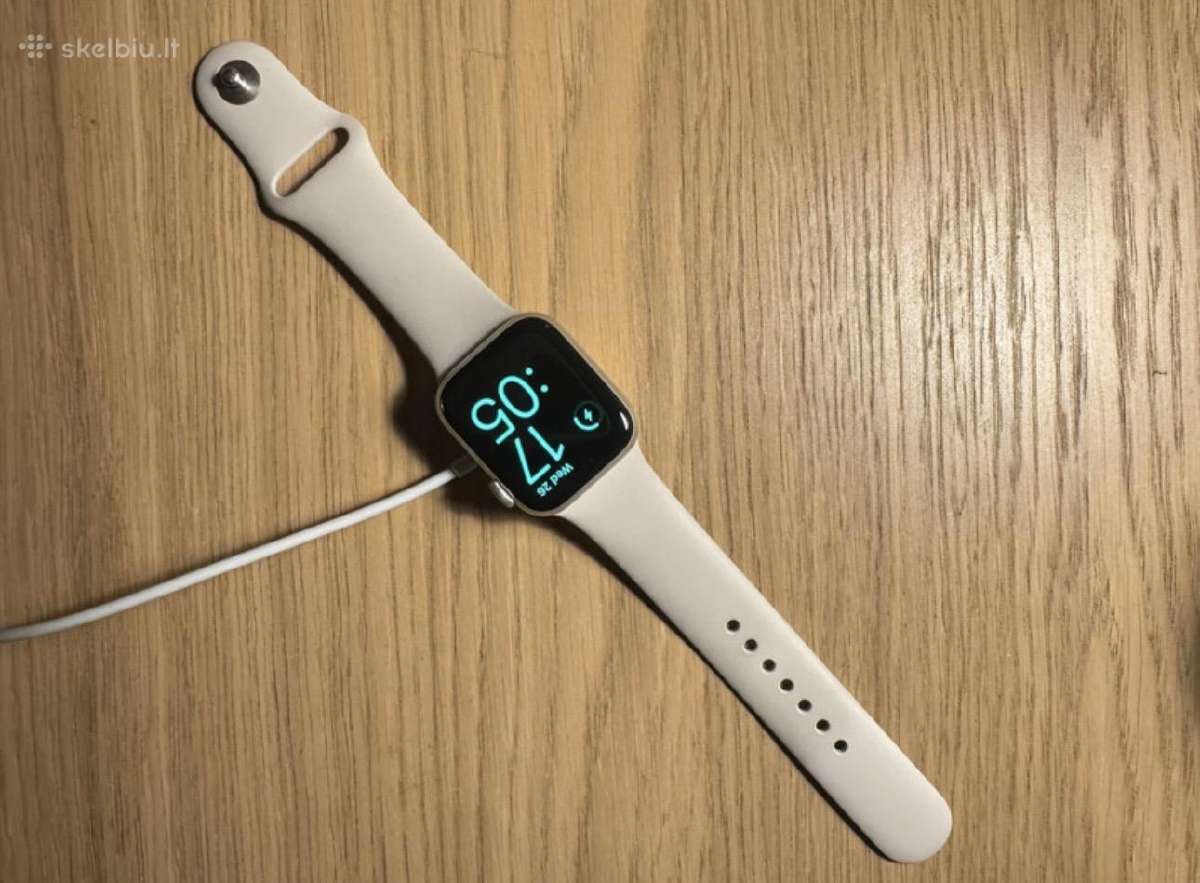
The Apple Watch SE (second generation) does not have the hardware required to perform an electrocardiogram (ECG). While it features an optical heart sensor for monitoring heart rate and detecting irregular rhythms, it lacks the electrical heart sensor found in the Digital Crown of more expensive models, such as the Series 10 or Ultra 2.
Since its release, the Apple Watch SE has positioned itself as the entry-point into the Apple ecosystem. By 2026, it remains a popular choice for those seeking core fitness tracking and safety features without the premium price tag. However, the absence of the ECG app is a significant distinction that potential buyers must understand, especially if they are managing specific cardiac conditions. To help you navigate these technical differences, this guide explores the hardware limitations, the health features that are included, and how the SE compares to other models in Apple’s lineup.
The Hardware Disconnect: Optical vs. Electrical Sensors
To understand why the Apple Watch SE second generation cannot take an ECG, it is necessary to distinguish between the two types of heart sensors Apple uses in its wearables.
The Optical Heart Sensor (PPG)
The Apple Watch SE is equipped with a second-generation optical heart sensor. This technology uses photoplethysmography (PPG). It works by flashing green LED lights hundreds of times per second against the skin of your wrist to measure the amount of light reflected back. Because blood is red, it reflects red light and absorbs green light. When your heart beats, the blood flow in your wrist—and the green light absorption—is greater. Between beats, it is less.
By calculating the frequency of these fluctuations, the watch determines your heart rate (beats per minute). This sensor is excellent for tracking calories burned during a workout and monitoring resting heart rate throughout the day.
The Electrical Heart Sensor (ECG)
The ECG feature found on the "Series" and "Ultra" models requires an entirely different piece of hardware: an electrical heart sensor. This consists of two main parts:
- The Back Crystal: An electrode integrated into the bottom of the watch that stays in contact with your wrist.
- The Digital Crown: Titanium or stainless steel electrodes built into the crown of the watch.
When you open the ECG app on a compatible model and hold your finger on the Digital Crown, you create a closed circuit between your heart and both arms. This allows the watch to record the electrical impulses that make your heart beat. The Apple Watch SE second generation lacks the electrical components in the Digital Crown and the corresponding circuitry to complete this loop.
What Heart Health Features Are Included in the SE?
Even though the Apple Watch SE second generation lacks the on-demand ECG app, it is far from "blind" to your cardiovascular health. In 2026, it continues to provide several critical monitoring tools that utilize the optical sensor.
High and Low Heart Rate Notifications
The SE constantly monitors your heart rate in the background when you are stationary. If your heart rate rises above a certain threshold (e.g., 120 bpm) or falls below a specific limit (e.g., 40 bpm) while you appear to have been inactive for 10 minutes, the watch will send an alert. This can be a vital indicator of underlying issues like bradycardia or tachycardia.
Irregular Rhythm Notifications (IRN)
This is the feature most often confused with the ECG. The Irregular Rhythm Notification feature occasionally checks your heart rhythm in the background using the optical sensor. It looks for intervals between heartbeats that might suggest Atrial Fibrillation (AFib).
If the watch detects five such irregular rhythms over a minimum of 65 minutes, it will notify you. While this uses the same green LED technology as the standard heart rate monitor, it is a cleared medical feature in many jurisdictions. It is passive, whereas the ECG is an active, user-initiated test.
Cardio Fitness (VO2 Max)
The SE uses its sensors to estimate your VO2 max, which is a measurement of the maximum amount of oxygen your body can consume during exercise. This is a powerful predictor of overall long-term health and cardiovascular efficiency.
Technical Comparison: SE (2nd Gen) vs. Premium Models
The decision to exclude the ECG from the SE was a strategic choice by Apple to segment the market. As of 2026, the feature gap remains a primary factor in pricing.
| Feature | Apple Watch SE (2nd Gen) | Apple Watch Series 10 | Apple Watch Ultra 2 |
|---|---|---|---|
| ECG App | No | Yes | Yes |
| Optical Heart Sensor | 2nd Gen (Standard) | 3rd Gen (High Accuracy) | 3rd Gen (High Accuracy) |
| Blood Oxygen (SpO2) | No | Yes (Region dependent) | Yes (Region dependent) |
| Temperature Sensing | No | Yes | Yes |
| Irregular Rhythm Alerts | Yes | Yes | Yes |
| Fall/Crash Detection | Yes | Yes | Yes |
| Display Type | Retina (Non-Always On) | Always-On Retina | Always-On Retina (3000 nits) |
| Case Material | Aluminum | Aluminum / Titanium | Titanium |
Why the Absence of ECG Matters
For many users, the lack of an ECG is a non-issue. However, for specific demographics, it is a dealbreaker.
The Role of the ECG in AFib Detection
An ECG provides a single-lead recording of your heart's electrical activity. It can specifically identify whether your heart rhythm shows signs of Atrial Fibrillation, a common form of irregular heart rhythm. While the SE’s Irregular Rhythm Notification can suggest AFib, it cannot provide the waveform data that a doctor might use to confirm a diagnosis.
Clinical vs. Consumer Use
The ECG app on more expensive Apple Watches is FDA-cleared (in the US) and CE-marked (in Europe) to classify rhythms as Sinus Rhythm, Atrial Fibrillation, High or Low Heart Rate, or Inconclusive. The Apple Watch SE second generation cannot provide a rhythm classification on demand. If you feel a "flutter" or a skipped beat, an SE user has no way to capture that moment electrically.
Suitability for Seniors
While the SE is often marketed as a great watch for seniors due to its lower cost and Fall Detection capabilities, the lack of an ECG is a trade-off. If the primary goal of the watch is comprehensive cardiac monitoring for a user with a history of heart issues, the SE may not be the optimal choice.
Limitations and Safety Considerations
It is essential to maintain realistic expectations for any wearable device. Whether you own an SE or a Series 10, these devices are not diagnostic tools for heart attacks.
- No Heart Attack Detection: Apple Watches cannot detect heart attacks (myocardial infarctions). If you experience chest pain, pressure, or shortness of breath, you should contact emergency services immediately, regardless of what your watch says.
- No Continuous Monitoring: Neither the ECG on premium models nor the IRN on the SE monitors your heart continuously. They are "spot checks" or background samples.
- Age Restrictions: The ECG app and the Irregular Rhythm Notification feature are generally not intended for use by people under the age of 22 or those previously diagnosed with AFib.
- Regulatory Variation: Availability of heart health features varies by country. In some regions, even if the hardware exists, the software may be disabled due to local medical device regulations.
Practical Alternatives for SE Users
If you already own an Apple Watch SE second generation and find that you need ECG functionality, you do not necessarily need to trade in your watch.
- External Chest Straps: For athletes or those needing high-precision heart monitoring during exercise, Bluetooth chest straps (like those from Polar or Garmin) can pair with the Apple Watch SE. While these don't provide an "ECG app" interface on the watch, they offer much higher data fidelity for heart rate variability (HRV) and pulse accuracy.
- Medical-Grade Mobile ECGs: Devices like the KardiaMobile are small, portable pads that connect to your iPhone. They provide a high-quality ECG trace that is often considered superior to the single-lead trace of a smartwatch. This allows you to keep your SE for daily activity tracking while having a dedicated medical device for heart rhythm checks.
Who Should Buy the Apple Watch SE Second Generation?
Despite the lack of an ECG, the SE remains a highly capable device in 2026. It is ideally suited for:
- Children and Teens: With "Apple Watch For Your Kids" (formerly Family Setup), parents can provide a communication and safety device without needing a flagship price. Most children do not need ECG monitoring.
- Fitness Beginners: If your goal is to track steps, "Close your rings," and monitor your gym sessions, the optical sensor in the SE is more than sufficient.
- Safety-Focused Users: The SE includes the same high-G accelerometer and gyroscope used for Fall Detection and Crash Detection as the more expensive models. This makes it a powerful safety tool.
- Budget-Conscious Consumers: By skipping the ECG, Blood Oxygen sensor, and Always-On display, you save significant money while still gaining access to the vast majority of the watchOS ecosystem.
Frequently Asked Questions
Can I download an app to give my Apple Watch SE ECG capabilities?
No. The ECG functionality is dependent on physical electrodes (hardware) that are not present in the Apple Watch SE second generation. No software update or third-party app can bypass the lack of an electrical heart sensor.
Does the Apple Watch SE 2nd Gen monitor for Atrial Fibrillation?
Yes, but only passively. It uses the Irregular Rhythm Notification (IRN) feature, which utilizes the optical sensor to check your rhythm in the background. It cannot perform an active, on-demand ECG scan.
Is the heart rate sensor on the SE less accurate than the Series models?
The SE 2nd Gen uses a 2nd-generation optical sensor, while the newer Series models use a 3rd-generation sensor. While the 3rd-generation sensor is slightly more refined and power-efficient, the 2nd-generation sensor remains highly accurate for general fitness and resting heart rate monitoring.
Will the Apple Watch SE notify me if I have a heart attack?
No. No Apple Watch model is designed or capable of detecting heart attacks. If you suspect you are having a cardiac event, seek professional medical help immediately.
Can I share my heart rate data from the SE with my doctor?
Yes. All heart data collected by the Apple Watch SE is stored in the Health app on your iPhone. You can export a PDF of your heart rate history and irregular rhythm notifications to share with your healthcare provider.
Final Recommendation
If you are a healthy individual looking for a reliable fitness tracker, the Apple Watch SE second generation is an excellent value. Its lack of an ECG is offset by its robust suite of safety features and lower price point. However, if you have been advised by a doctor to monitor your heart rhythm due to palpitations or a history of AFib, you should invest in the Apple Watch Series 10 or a dedicated medical ECG device. The ability to capture an electrical trace of your heart in real-time is the primary "health" upgrade you receive when moving beyond the SE line.