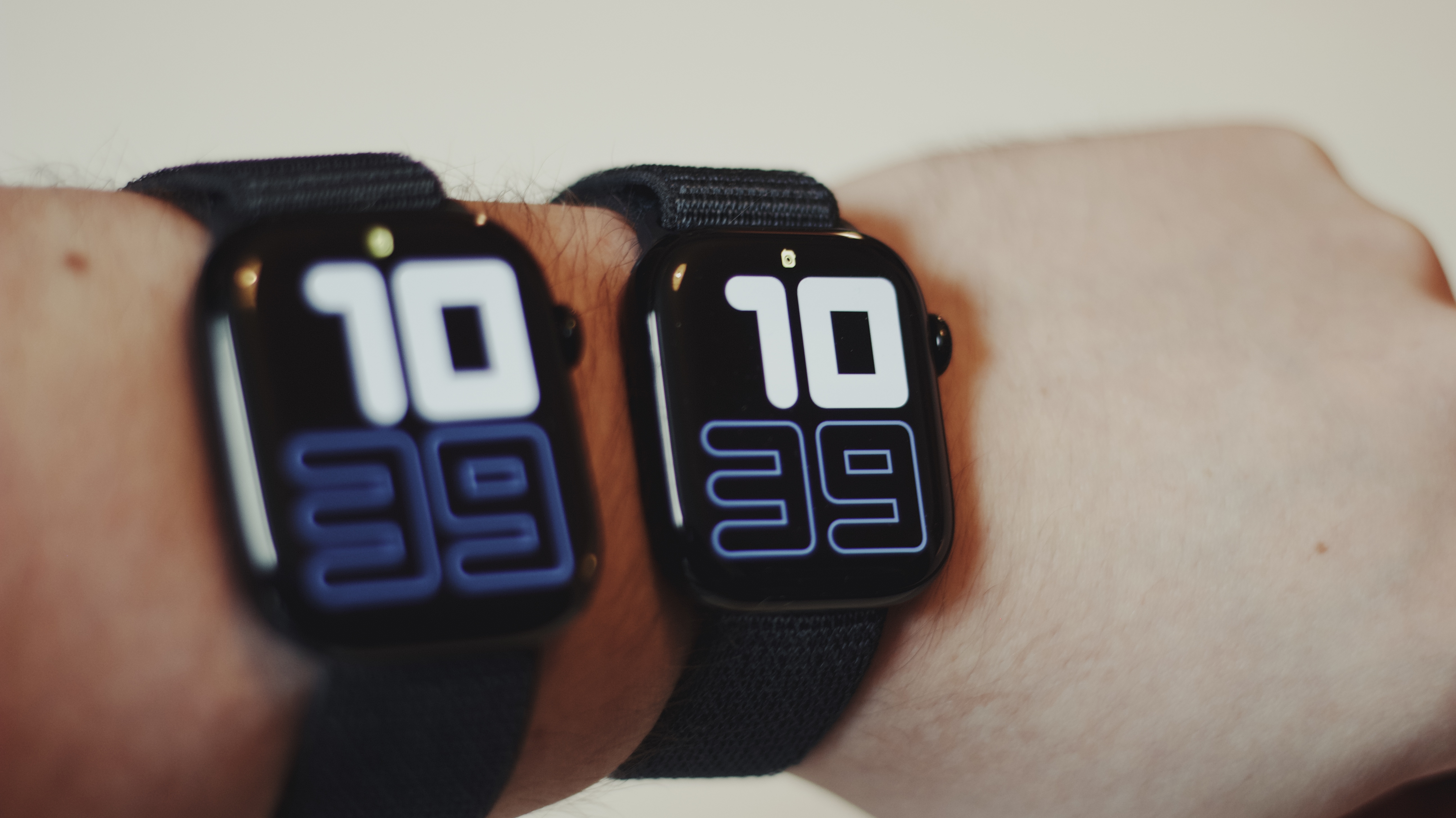
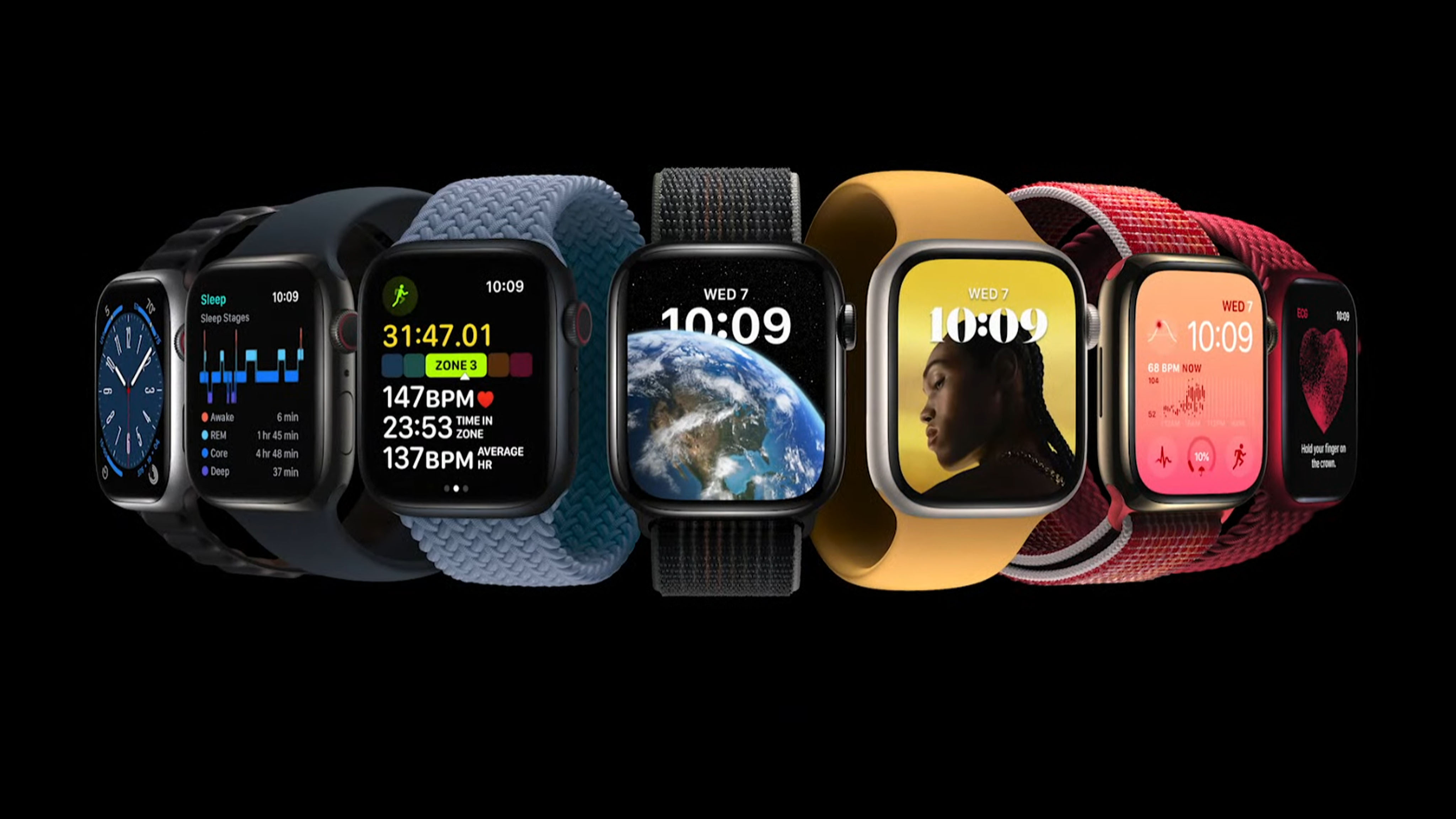
The Apple Watch Series 7 is available in two primary case sizes: 41mm and 45mm. These measurements refer to the vertical height of the watch case. The 41mm model is designed for wrist circumferences of 130–200mm, while the 45mm model is optimized for wrists measuring 140–220mm. Both sizes feature the refined "Always-On Retina" display with borders reduced by 40% compared to previous generations.
When the Apple Watch Series 7 was first released, it marked a significant shift in the wearable's design language, moving away from the 40mm and 44mm standards established by the Series 4 through Series 6. As of 2026, the Series 7 remains a popular choice on the secondary and refurbished markets because its screen-to-body ratio is nearly identical to the newest flagship models. Choosing between the two sizes requires an understanding of physical dimensions, screen real estate, battery capacity, and how the device interacts with your specific wrist size.
The Evolution of Apple Watch Case Sizes
The transition to 41mm and 45mm was not merely a cosmetic change; it was a functional engineering feat. By shrinking the bezel to just 1.7mm, Apple managed to increase the screen area by approximately 20% over the Series 6, and over 50% over the Series 3. This allowed the 41mm Series 7 to actually have a larger display area than the older 44mm models from earlier generations.
For users in 2026, this means that even the "smaller" Series 7 provides a more modern, expansive viewing experience than many older "large" smartwatches. The 45mm model, meanwhile, provides the largest display available in the standard Apple Watch line (excluding the Ultra series), making it a powerhouse for legibility and interaction.
Physical Dimensions and Technical Specifications
While the "41mm" and "45mm" labels describe the height, they do not tell the whole story of how the watch sits on the wrist. The width and depth of the device are equally important for comfort and sleeve clearance.
| Feature | Apple Watch Series 7 (41mm) | Apple Watch Series 7 (45mm) |
|---|---|---|
| Height | 41mm | 45mm |
| Width | 35mm | 38mm |
| Depth | 10.7mm | 10.7mm |
| Display Area | 904 sq mm | 1143 sq mm |
| Resolution | 352 by 430 pixels | 396 by 484 pixels |
| Aluminum Weight | 32.0 grams | 38.8 grams |
| Stainless Steel Weight | 42.3 grams | 51.5 grams |
| Titanium Weight | 37.0 grams | 45.1 grams |
Understanding the 41mm Form Factor
The 41mm Series 7 is the spiritual successor to the 38mm and 40mm models. It is frequently categorized as the "small" size, but this is a relative term. Because the screen extends further toward the edges, it accommodates a full QWERTY keyboard—a feature that was once thought impossible for a watch of this size.
The 41mm model is generally preferred by individuals with smaller wrists or those who want their watch to remain unobtrusive during high-intensity workouts or while sleeping. Its lower profile and lighter weight make it less prone to "flopping" on the wrist during rapid arm movements, which can improve the accuracy of the heart rate sensor.
Understanding the 45mm Form Factor
The 45mm model is the choice for users who prioritize information density. With 1143 square millimeters of screen area, it offers roughly 25% more usable space than its 41mm sibling. This extra space is particularly beneficial for viewing complications (the small widgets on the watch face), reading long text messages, and using the calculator or map functions.
The 45mm model also has a larger footprint on the wrist, which can be a style statement. However, for those with wrists smaller than 150mm, the lugs (the parts where the band attaches) may overhang the edges of the wrist, which can lead to a less secure fit and potential discomfort.
Weight Differences by Material
The "heft" of the Apple Watch Series 7 varies significantly based on the material chosen. In 2026, you will find these models in Aluminum, Stainless Steel, and Titanium (the latter being the "Edition" model).
- Aluminum: The lightest option. It is the preferred choice for athletes and runners. A 41mm Aluminum Series 7 is almost unnoticeable on the wrist.
- Stainless Steel: Significantly heavier and more durable. The 45mm Stainless Steel model weighs over 50 grams without a strap. When paired with a Link Bracelet, the total weight can exceed 100 grams, giving it a feel similar to a traditional luxury timepiece.
- Titanium: Offers a middle ground. It is stronger than aluminum but lighter than stainless steel. It provides the premium look of the steel models without the significant weight penalty.
When choosing a size, consider that the 45mm Stainless Steel model is nearly 60% heavier than the 41mm Aluminum model. If you are sensitive to weight on your wrist, the smaller size or the aluminum material should be your primary consideration.
Display Real Estate and UI Interaction
The primary reason to choose the 45mm over the 41mm is the user interface (UI) experience. Apple redesigned many elements of watchOS to take advantage of the Series 7's larger display.
The Full QWERTY Keyboard
The Series 7 was the first Apple Watch to support a full on-screen keyboard with "QuickPath," allowing users to slide their finger from letter to letter. While this feature exists on both sizes, it is objectively easier to use on the 45mm model. The larger targets reduce typos and make the "Scribble" feature more fluid.
Font Size and Accessibility
For users with visual impairments or those who simply prefer larger text, the 45mm model is the superior choice. You can increase the system font size further on the 45mm screen before the UI begins to feel cramped or requires excessive scrolling. The larger display also allows for larger "tap targets" in apps like Music, Workouts, and Home, which is helpful when you are moving or wearing gloves.
Wrist Measurement: How to Choose Your Size
Before purchasing, it is essential to measure your wrist circumference. You can do this using a flexible measuring tape or by wrapping a piece of string around your wrist and measuring the string against a ruler.
- Small/Medium Wrists (130mm – 160mm): The 41mm model is almost always the better fit. It sits flush against the wrist bone, ensuring the sensors maintain consistent contact with the skin.
- Large Wrists (180mm – 220mm): The 45mm model is typically the standard choice. The 41mm may look disproportionately small on a very large wrist, and the included bands might be too short.
- The "Overlap" Zone (160mm – 180mm): This is the most common wrist size range, and both models can work. In this case, the decision should be based on your preference for screen size versus weight.
Experts suggest that if you are on the fence, you should consider your "sleeve habits." If you frequently wear dress shirts with tight cuffs, the 41mm model slides under the sleeve much more easily than the 45mm model.
Battery Life and Charging Performance
Physically larger watches have more internal volume, which Apple uses to house a larger battery. Historically, the 45mm (and the 44mm before it) has slightly better battery endurance than the smaller model.
While Apple officially rates both sizes for "18 hours of all-day battery life," real-world usage often tells a different story. In 2026, as the batteries in these older devices naturally degrade, the extra capacity in the 45mm model provides a larger "buffer." A 45mm Series 7 with 85% battery health will likely still last through a full day, whereas a 41mm model at the same health percentage might struggle if you use GPS for a long workout.
It is important to note that the Series 7 introduced Fast Charging, which is available on both sizes. Using the Apple USB-C Fast Charging Cable, you can charge from 0% to 80% in about 45 minutes. This feature largely mitigates the anxiety of having a smaller battery in the 41mm model, provided you have access to a charger for a few minutes a day.
Band Compatibility and the Apple Ecosystem
One of the most user-friendly aspects of the Apple Watch is its consistent band attachment system. When Apple increased the case sizes to 41mm and 45mm, they ensured that older bands remained compatible.
- The 41mm Series 7 is compatible with bands designed for the 38mm and 40mm cases.
- The 45mm Series 7 is compatible with bands designed for the 42mm, 44mm, and even the 49mm (Ultra) cases.
If you are upgrading from an older 42mm Apple Watch Series 3, your existing bands will fit the 45mm Series 7 perfectly. If you are moving from a 40mm Series 5, your bands will fit the 41mm Series 7. This backwards compatibility is a major factor for users who have invested in expensive leather loops, link bracelets, or specialized Hermès bands.
Considerations for 2026: The Refurbished Market
Since we are looking at the Series 7 from the perspective of 2026, the device is now a legacy model. However, it remains a "sweet spot" in terms of value. It supports the latest versions of watchOS and includes the essential health sensors found in newer models, such as Blood Oxygen (SpO2) monitoring and ECG.
When buying a used or refurbished Series 7 in 2026, you should verify the Battery Health percentage. Because the 41mm has a smaller cell, a low battery health percentage (below 80%) will be more detrimental to your daily experience than it would be on a 45mm model. If you find a 41mm model at a great price, factor in the possible cost of a battery replacement from a certified service provider.
Furthermore, inspect the screen carefully. The Series 7 was the first to feature a more crack-resistant front crystal, but the 45mm model has a larger surface area exposed to potential impacts.
Comparison Summary: Which Size Should You Buy?
Choose the 41mm Apple Watch Series 7 if:
- You have a wrist circumference smaller than 160mm.
- You prefer a lightweight device for sleep tracking or running.
- You want the watch to be as discreet as possible under professional attire.
- You are upgrading from a 38mm or 40mm model and want to reuse your bands.
Choose the 45mm Apple Watch Series 7 if:
- You have a wrist circumference larger than 180mm.
- You frequently use the on-screen QWERTY keyboard for messaging.
- You prefer larger text for better legibility during workouts.
- You want the maximum possible battery capacity in a standard Apple Watch.
- You enjoy the "oversized watch" aesthetic or want the most immersive display.
Frequently Asked Questions
Does the 45mm Series 7 have more features than the 41mm?
No. Both sizes have identical internals, including the S7 SiP (System in Package), the same health sensors (ECG, Heart Rate, Blood Oxygen), and the same water resistance rating (WR50). The only differences are the physical size of the casing, the screen resolution, and the battery capacity.
Can I use a 45mm band on a 41mm watch?
No. The lugs (connectors) for the 45mm bands are wider than the slots on the 41mm watch. While you might be able to force a connection, the band will overhang the sides of the watch, looking unsightly and potentially causing the band to detach unexpectedly. Always match the band size to the case size (Small bands for 38/40/41mm; Large bands for 42/44/45/49mm).
How much bigger is the Series 7 display compared to the Series 6?
The Series 7 display is about 20% larger than the Series 6. This was achieved by reducing the border thickness by 40%. The result is a screen that "wraps" slightly around the edges of the crystal, creating a more seamless look between the glass and the metal casing.
Is the 45mm model too big for women?
Wrist size is a better metric than gender. Many women prefer the 45mm for its legibility and bold style, particularly if their wrist is 160mm or larger. Conversely, many men with slender wrists prefer the 41mm for its comfort and weight. It is entirely a matter of personal comfort and style preference.
Does the larger screen on the 45mm drain the battery faster?
While the 45mm screen has more pixels to light up, it also contains a larger physical battery to compensate. In general usage, the 45mm model tends to outlast the 41mm model slightly because the increase in battery volume is greater than the increase in power draw from the display.
Is the Series 7 still worth it in 2026?
Yes. The Series 7 was a major hardware leap. Because the display design hasn't changed drastically in the iterations immediately following it, the Series 7 still looks and feels like a current-generation device. As long as the battery is in good condition, it provides a premium experience at a fraction of the cost of the newest models.
Final Recommendation
The choice between the 41mm and 45mm Apple Watch Series 7 ultimately comes down to ergonomics versus information. If you value a watch that disappears on your wrist and stays out of the way, the 41mm is the perfect companion. If you treat your Apple Watch as a primary communication tool and want the easiest possible interaction with the screen, the 45mm is worth the extra weight and size.
For most users, the 41mm provides more than enough screen real estate thanks to the thin bezels of the Series 7. However, if you are purchasing the device in 2026 for long-term use, the 45mm may be the safer bet due to its slightly better battery longevity over time.