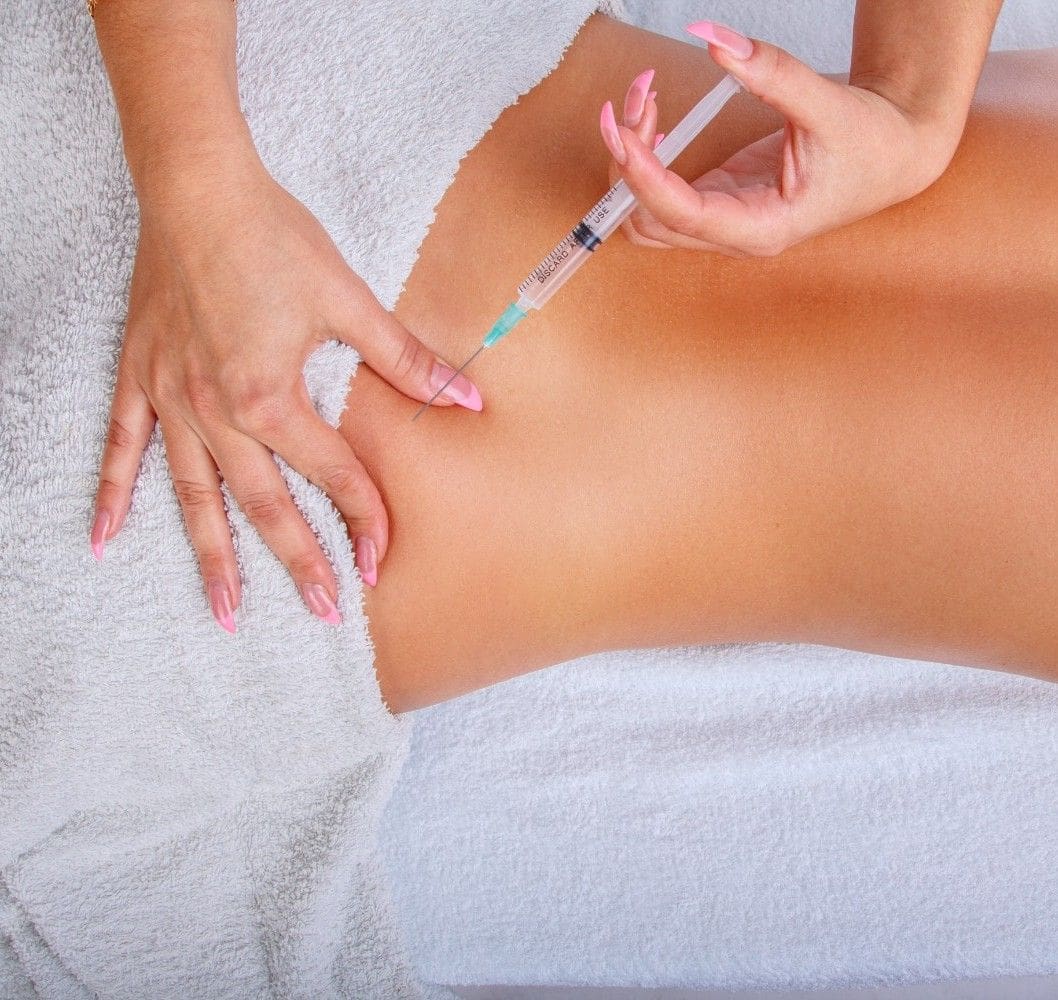
Fat dissolving injections are generally considered safe for healthy adults when administered by a qualified medical professional. These treatments, which use compounds like deoxycholic acid to break down localized fat cells, carry a high success rate for small areas. However, safety depends heavily on the practitioner’s skill to avoid nerve damage or tissue necrosis.
Understanding the Mechanism of Fat Dissolving Injections
To evaluate the safety of fat dissolving injections, one must first understand how they interact with human physiology. The primary agent in most reputable formulations, such as Kybella or Aqualyx, is a synthetic version of deoxycholic acid. This is a naturally occurring bile acid that the body produces to help emulsify and digest dietary fats in the intestine.
When injected directly into the subcutaneous fat layer, the solution acts as a detergent, disrupting the cell membrane of the adipocytes (fat cells). This process, known as adipocytolysis, causes the fat cells to rupture and spill their contents. Once the cell membrane is destroyed, that specific cell can no longer store or accumulate fat. Over the following weeks, the body’s inflammatory response kicks in, and the lymphatic system gradually clears away the cellular debris and released lipids.
By 2026, the technology behind these injections has refined the balance between "potency" and "controlled inflammation." While the destruction of fat cells is permanent, the safety of the procedure relies on the precision of the delivery. The solution does not discriminate between fat cells and other types of cells; if injected too superficially, it can damage skin cells, and if injected too deeply, it can affect muscle or nerve tissue.
FDA Approval and Clinical Safety Profiles
The safety landscape for fat dissolving injections is largely defined by regulatory approvals. In the United States, Kybella (deoxycholic acid) remains the only FDA-approved injectable for the treatment of submental fullness, commonly known as a double chin. The approval process involved rigorous clinical trials monitoring thousands of patients to ensure that the systemic absorption of the acid did not interfere with organ function or metabolic health.
In Europe and other regions, Aqualyx and DesoFace/DesoBody are widely used. These products often hold a CE mark, indicating they meet health, safety, and environmental protection standards for products sold within the European Economic Area. While the chemical composition varies slightly—some using a modified compound of deoxycholic acid mixed with plant-based sugars—the safety profile remains consistent across high-quality, regulated brands.
However, the market in 2026 still faces challenges from "black market" or "DIY" kits. These unregulated solutions often lack the necessary pH buffering agents, leading to severe chemical burns or systemic infections. Safety is significantly compromised when consumers bypass medical clinics in favor of unverified online products.
Common Side Effects and the Recovery Timeline
Even when performed perfectly, fat dissolving injections induce a predictable set of side effects. These are not necessarily signs of "danger" but are rather indicators that the biological process of fat breakdown is occurring.
The Immediate Inflammatory Response
Within minutes of the injection, most patients experience erythema (redness), localized heat, and significant swelling. This swelling, often colloquially called "bullfrog neck" when treating the chin, is actually a necessary part of the treatment. The inflammation signals the body to begin the cleanup process and can also stimulate mild collagen production, which helps with skin tightening in the treated area.
Typical Side Effects (1–14 Days)
- Edema (Swelling): This is most intense during the first 48 to 72 hours. It can take up to two weeks to fully subside.
- Bruising and Hematoma: Because the injections involve multiple "pinpricks" across a grid, bruising is common, especially for those on blood-thinning supplements like Vitamin E or ibuprofen.
- Tenderness and Induration: The treated area may feel firm or "lumpy" to the touch as the fat cells break down and the tissue heals.
- Numbness (Paresthesia): A temporary loss of sensation in the skin above the injection site is common and usually resolves within a month.
Potential Risks and Serious Complications
While the common side effects are manageable, there are rare but serious risks that every patient must consider. These complications almost always arise from poor injection technique or an undiagnosed contraindication.
Nerve Injury
One of the most significant risks in submental treatments is damage to the marginal mandibular nerve. If the injection is placed incorrectly, it can cause an asymmetrical smile or facial muscle weakness. While this is typically temporary (resolving in 4 to 6 months), it is a distressing complication that highlights the need for anatomical expertise.
Tissue Necrosis and Skin Ulceration
If the solution is injected too close to the surface of the skin (the dermis), it can cut off the blood supply or chemically dissolve the skin cells. This results in an open sore or "necrosis," which can lead to permanent scarring. Similarly, if the solution is inadvertently injected into a blood vessel, it can cause vascular occlusion.
Infection
As with any procedure that breaks the skin barrier, there is a risk of bacterial infection. This is rare in sterile clinical environments but becomes a major risk factor when the procedure is performed in non-medical settings.
Who is a Good Candidate? (Eligibility and Prerequisites)
Safety is not just about the needle; it is about the patient. Not everyone is a suitable candidate for fat dissolving injections. In 2026, practitioners use stricter screening protocols to ensure patient safety and satisfaction.
- BMI Requirements: These injections are designed for localized pockets of fat, not for systemic weight loss. Ideally, candidates should have a Body Mass Index (BMI) under 30. Using these injections on large areas of the body can lead to an overload of the lymphatic system.
- Skin Elasticity: Patients with significant skin laxity (loose skin) may find that removing the underlying fat makes the skin look "emptier" or more wrinkled. A safety assessment must include a check for the skin's ability to retract.
- Medical History: Individuals with active infections in the treatment area, thyroid disorders (if treating the neck), or bleeding disorders are generally excluded. Pregnant or breastfeeding women should also avoid these treatments, as there is insufficient data on the impact of displaced lipids on fetal development.
Comparison of Major Fat Dissolving Brands
The safety and efficacy can vary slightly depending on the specific product used. The following table compares the most prominent brands available in 2026.
| Brand Name | Primary Active Ingredient | Primary Use Case | Regulatory Status (Major) | Typical Number of Sessions |
|---|---|---|---|---|
| Kybella | Deoxycholic Acid (10mg/mL) | Submental (Double Chin) | FDA Approved | 2–6 |
| Aqualyx | 12-alfa-dihydroxy-5beta-24-oico acid | Body and Face | CE Marked (Europe) | 3–8 |
| Belkyra | Deoxycholic Acid | Submental (Double Chin) | Health Canada Approved | 2–6 |
| DesoBody | Sodium Deoxycholate (1.25%) | Larger areas (Hips, Thighs) | CE Marked (Europe) | 3–5 |
| LipoLab | Phosphatidylcholine & Deoxycholate | General fat reduction | Varies by Region | 3–10 |
The Procedure: What to Expect During Treatment
A safe treatment begins with a thorough consultation. The practitioner should map out the area with a medical skin marker, often using a "grid" pattern to ensure even distribution of the product. This prevents "divots" or hollow spots from uneven fat removal.
The injections themselves are performed with very fine needles. Because the deoxycholic acid causes a stinging or burning sensation upon entry, many practitioners mix the solution with lidocaine (a local anesthetic) or apply numbing cream beforehand. The entire process takes about 15 to 30 minutes.
Post-treatment care is vital for safety. Patients are usually advised to avoid strenuous exercise for 48 hours to prevent increased swelling and to stay hydrated to assist the lymphatic system in processing the released fat.
Fat Dissolving Injections vs. Liposuction: A Safety Comparison
When weighing the safety of fat dissolving injections, many compare them to surgical liposuction.
- Anesthesia Risks: Injections require only local anesthesia, whereas liposuction often requires general anesthesia or heavy sedation, which carries its own set of cardiovascular risks.
- Invasiveness: Injections are non-surgical and do not require incisions, meaning there is no risk of surgical scarring or "tunnelling" under the skin.
- Precision vs. Volume: Liposuction is safer and more effective for removing large volumes of fat. Attempting to use injections for "full-body" contouring is unsafe due to the chemical load and potential for systemic toxicity.
- Recovery: Liposuction involves a longer downtime and the requirement of compression garments for weeks, whereas injection recovery is largely centered on managing facial or localized swelling.
How to Ensure a Safe Treatment Experience
To minimize the risks associated with fat dissolving injections, follow these expert-led guidelines:
- Verify Credentials: Only allow a licensed medical professional (Doctor, Nurse Prescriber, or Dentist) to perform the procedure. They have the anatomical knowledge to avoid nerves and blood vessels.
- Check the Product: Ask to see the vial. Ensure the product is a regulated brand like Kybella or Aqualyx and check the expiration date.
- Be Honest about Medical History: Disclose any previous surgeries in the area (like a neck lift or thyroid surgery), as scar tissue can change the way the injection spreads.
- Follow Aftercare: Do not massage the area unless specifically instructed, as this can push the solution into areas where it wasn't intended to go.
Frequently Asked Questions
Can fat dissolving injections cause permanent damage?
While rare, permanent damage can occur if the solution is injected into a nerve or causes severe skin necrosis. However, when administered correctly, the only permanent effect is the destruction of fat cells, which is the intended outcome. Most side effects, including numbness and swelling, are transient and resolve within weeks.
Do the results look natural?
Yes, because the fat is broken down gradually over several weeks, the results appear slowly and naturally. There is no "overnight" change that signals a cosmetic procedure was done. The gradual reduction allows the skin time to adapt to the new contours.
Is the procedure painful?
There is a distinct "stinging" or "burning" sensation for about 5 to 10 minutes after the injection as the acid begins to work on the fat cells. Most patients rate the pain as a 4 or 5 out of 10. After the initial burn, the area usually feels dull and heavy rather than acutely painful.
How many sessions are usually needed for safety?
Injecting too much solution in a single session can be unsafe. Most treatment plans are spread over 3 to 6 sessions, spaced at least 4 to 6 weeks apart. This "slow and steady" approach allows the body to process the fat safely without overwhelming the metabolic system.
Are the results truly permanent?
The fat cells destroyed by the injections are gone forever. However, the remaining fat cells in the surrounding area can still expand if you gain significant weight. To maintain the safety and aesthetic integrity of the results, a stable weight and healthy lifestyle are required.
Practical Recommendation
If you are considering fat dissolving injections in 2026, your first step should be a consultation with a board-certified aesthetic practitioner who specializes in facial or body contouring. Avoid "bargain" deals at non-medical spas. Request a patch test if you have a history of severe allergies, and ensure you have a clear understanding of the "swelling phase" so you can plan your work and social schedule accordingly. If you have a significant amount of fat to remove, a surgical consultation for liposuction may actually be the safer and more cost-effective route.