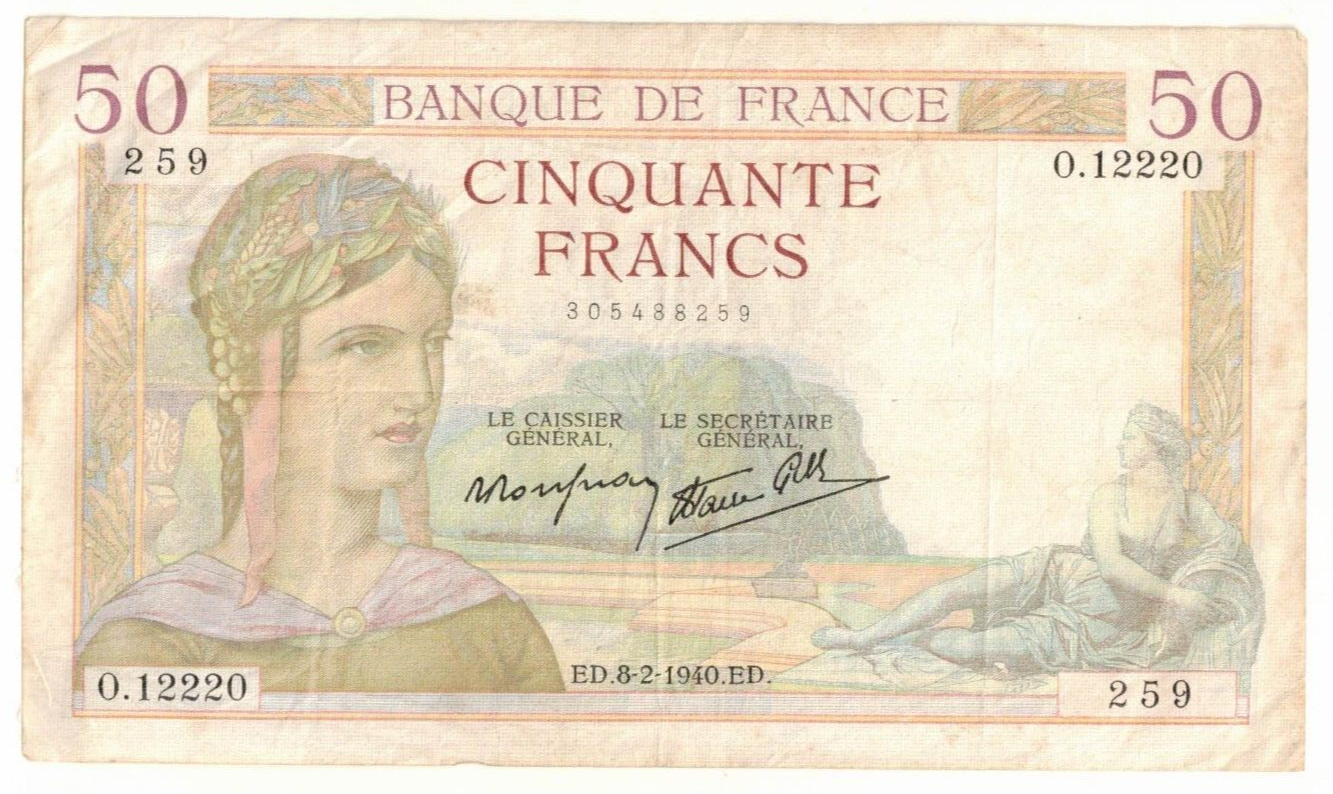
The franc remains a significant global currency in 2026, though its footprint has shifted significantly over the last few decades. While the French and Belgian francs were retired in favor of the Euro in 2002, the Swiss Franc (CHF) persists as a premier global reserve currency. Additionally, various forms of the franc are actively used across several African nations and French Pacific territories.
The Modern Geography of the Franc
To understand the currency landscape in 2026, one must distinguish between the "franc" as a historical relic of Western Europe and the "franc" as a functioning, modern legal tender. The name "franc" is derived from the Latin francorum rex ("King of the Franks") and has been applied to dozens of currencies throughout history. Today, the currency exists in three primary categories: the independent Swiss Franc, the multi-national CFA and CFP francs, and various independent national francs in Africa.
While many travelers still mistakenly ask for "French Francs" when visiting Paris, those notes have not been legal tender for over two decades. However, if you cross the border into Switzerland or fly to Dakar, Libreville, or Nouméa, the franc is very much the medium of exchange. The following sections detail the specific regions where these currencies operate and the economic mechanisms that keep them viable in the mid-2020s.
The Swiss Franc (CHF): The Global Gold Standard of Stability
The Swiss Franc (CHF) is arguably the most famous and powerful version of the currency remaining in circulation. Used by both Switzerland and the Principality of Liechtenstein, the Swiss Franc is frequently cited as a "safe-haven" currency. In the volatile economic climate of 2026, its status has only been reinforced by Switzerland’s historical neutrality and fiscal discipline.
Why the Swiss Franc Persists
Unlike its neighbors in the Eurozone, Switzerland has maintained monetary sovereignty. The Swiss National Bank (SNB) manages the currency with a primary goal of price stability. Because Switzerland is not a member of the European Union or the European Monetary Union, it retains the power to set its own interest rates and intervene in foreign exchange markets to prevent the franc from becoming too strong—a common problem for the SNB, as international investors flock to the CHF during times of global uncertainty.
The Swiss Franc is also unique because of its high-tech security features. The ninth series of banknotes, which entered full circulation several years ago, remains among the most difficult in the world to counterfeit. For investors, the Swiss Franc is a hedge against inflation and geopolitical risk. It is one of the few currencies that historically maintained a partial link to gold reserves, a practice that ended officially in 1999 but left a lasting cultural impression of the currency's "hard" value.
Usage in Liechtenstein
Liechtenstein has used the Swiss Franc as its official national currency since 1924, following a postal and customs union with Switzerland. While Liechtenstein is a sovereign state, it does not issue its own version of the franc for circulation; it uses the exact same notes and coins issued by the SNB. This arrangement provides the microstate with the immense stability of the Swiss banking system.
The CFA Franc: A Dual-Region African Powerhouse
The CFA Franc is one of the most complex currency systems in the world. As of 2026, it is used by 14 countries in Africa, divided into two separate unions. Although the two currencies are technically distinct and not always interchangeable at a 1:1 ratio in practice, they both share a fixed exchange rate (peg) to the Euro.
West African CFA Franc (XOF)
The West African Economic and Monetary Union (WAEMU) comprises eight countries: Benin, Burkina Faso, Côte d'Ivoire, Guinea-Bissau, Mali, Niger, Senegal, and Togo. These nations use the West African CFA Franc, issued by the Central Bank of West African States (BCEAO).
In recent years, there has been significant political discussion regarding the transition from the CFA Franc to a new regional currency called the "Eco." While the name change and some structural reforms—such as the removal of French representatives from the central bank's boards—have been implemented, the currency remains effectively a franc in its daily usage and international recognition as of 2026. The peg to the Euro provides these nations with lower inflation than many of their neighbors, though critics argue it limits their ability to manage their own monetary policy.
Central African CFA Franc (XAF)
The Economic and Monetary Community of Central Africa (CEMAC) uses the Central African CFA Franc. This group includes Cameroon, the Central African Republic, Chad, the Republic of the Congo, Equatorial Guinea, and Gabon. This currency is issued by the Bank of Central African States (BEAC).
Unlike the West African bloc, the Central African nations have been slower to move toward rebranding or reforming their relationship with the French Treasury. The XAF remains vital for trade in oil-rich regions, though the lack of free movement between the XOF and XAF zones remains a logistical hurdle for pan-African trade.
The CFP Franc (XPF): The Pacific Territories
For those traveling to the "Overseas Collectivities" of France in the Pacific, the CFP Franc is the legal tender. The initials originally stood for Colonies Françaises du Pacifique, but today it is officially the Change Franc Pacifique.
The CFP Franc is used in:
- French Polynesia: Including Tahiti and Bora Bora.
- New Caledonia: A major nickel-producing territory.
- Wallis and Futuna: A remote volcanic archipelago.
The CFP Franc is also pegged to the Euro. This peg ensures that residents and businesses in these islands do not suffer from the extreme currency fluctuations that can plague small island economies. The Institut d’Émission d’Outre-Mer (IEOM) is the issuing body for this currency. For travelers, this means that while they are technically in a French territory, their Euros will need to be exchanged for XPF, although the exchange rate is fixed and transparent.
Independent National Francs
Beyond the major currency unions and the Swiss powerhouse, several African nations maintain their own independent versions of the franc. These currencies are not pegged to the Euro and float independently on the foreign exchange market, or are managed via different baskets of currencies.
The Guinean Franc (GNF)
Guinea (Conakry) withdrew from the CFA zone in 1960 and established its own franc. The Guinean Franc has historically faced more volatility and inflation than the CFA Francs due to political instability and varying commodity prices. However, it remains a point of national pride and sovereignty for the nation.
The Rwandan Franc (RWF)
Rwanda has utilized the Rwandan Franc since 1964. Under the governance of the National Bank of Rwanda, the currency has been relatively stable compared to others in the region, reflecting Rwanda's consistent economic growth over the last two decades. While there are ongoing discussions about an East African Shilling for the East African Community (EAC), the Rwandan Franc remains the sole legal tender in 2026.
The Burundian Franc (BIF)
Similar to Rwanda, Burundi uses its own franc. The Burundian Franc has faced challenges related to foreign exchange shortages and economic sanctions in the past, leading to a significant gap between the official exchange rate and the "parallel" market rate. Travelers to Burundi are often advised to carry cash in major currencies like USD or EUR to exchange locally.
The Djiboutian Franc (DJF)
The Djibouti Franc is unique among African francs because it is pegged to the United States Dollar (USD) rather than the Euro. Given Djibouti's strategic location and its hosting of multiple international military bases, the peg to the dollar provides a stable environment for international logistics and port services.
The Comorian Franc (KMF)
The Comoros, an island nation in the Indian Ocean, uses the Comorian Franc. Like the CFA Francs, it is pegged to the Euro (formerly the French Franc). The Comorian Franc is managed through an agreement with the French authorities, providing the small island economy with a degree of monetary stability it might not otherwise achieve.
Historical Francs: Where They Went
It is essential to clarify that several "famous" francs no longer exist. The transition to the Euro at the start of the 21st century eliminated the national currencies of several European states.
- The French Franc (FRF): Replaced by the Euro in 2002. While France was the primary driver behind the franc's global spread, it abandoned the currency to foster European integration.
- The Belgian Franc (BEF): Replaced by the Euro in 2002. Belgium and Luxembourg had a long-standing currency union where their francs were at par.
- The Luxembourg Franc (LUF): Replaced by the Euro in 2002.
- The Monegasque Franc (MCF): While Monaco is not a member of the EU, it had a currency union with France. When France adopted the Euro, Monaco did as well. Monaco now issues its own Euro coins with a national motif.
| Currency Name | ISO Code | Primary Region | Exchange Regime | Issuing Authority |
|---|---|---|---|---|
| Swiss Franc | CHF | Switzerland, Liechtenstein | Floating (Safe Haven) | Swiss National Bank (SNB) |
| West African CFA Franc | XOF | 8 West African Nations | Pegged to Euro | BCEAO |
| Central African CFA Franc | XAF | 6 Central African Nations | Pegged to Euro | BEAC |
| CFP Franc | XPF | French Pacific Territories | Pegged to Euro | IEOM |
| Djiboutian Franc | DJF | Djibouti | Pegged to USD | Central Bank of Djibouti |
| Guinean Franc | GNF | Guinea | Floating | Central Bank of Guinea |
| Rwandan Franc | RWF | Rwanda | Managed Float | National Bank of Rwanda |
| Burundian Franc | BIF | Burundi | Managed Float | Bank of the Rep. of Burundi |
| Comorian Franc | KMF | Comoros | Pegged to Euro | Central Bank of Comoros |
Practical Guidance for Travelers and Investors in 2026
Navigating a landscape with multiple "francs" requires attention to detail, as they are not interchangeable. A Swiss Franc note will not be accepted in Senegal, and a West African CFA Franc cannot be used in New Caledonia.
Recognizing Different Francs
In 2026, banknote design has become increasingly sophisticated. The Swiss Franc is distinctive for its vertical layout and vibrant colors. The CFA Francs often feature African motifs, flora, and fauna, with clear distinctions between the BCEAO and BEAC designs. If you are traveling through multiple African regions, always check the three-letter ISO code (XOF vs. XAF) on your currency exchange receipt to ensure you have the correct legal tender for your specific destination.
Exchange and Acceptance
In the Euro-pegged zones (XOF, XAF, XPF, KMF), exchange rates are mathematically fixed. For example, the rate for the CFA Franc has historically been 1 Euro = 655.957 CFA Francs. This fixed nature makes it easier to calculate costs, but banks and exchange bureaus will still charge a service fee or commission.
In Switzerland, digital payments have become the norm, but the Swiss Franc remains a physical necessity in some mountain regions and for specific cultural events. It is widely regarded as one of the easiest currencies to exchange globally due to its stability and high demand among investors.
The "Old" Francs
If you find old French or Belgian franc notes in an attic, they are generally considered numismatic items (collectibles) rather than money. The deadlines for exchanging these "legacy" currencies for Euros at national central banks have largely passed. However, rare or pristine coins and notes may hold value for collectors well above their original face value.
The Future of the Franc
As we look toward the late 2020s, the "franc" brand is in a state of flux. In West Africa, the transition toward the Eco suggests that the name "franc" may eventually vanish from the region as a vestige of the colonial era. However, the Swiss Franc shows no signs of being replaced, remaining a bedrock of the global financial system.
For the Pacific territories, the CFP Franc provides a vital link to the European economy, ensuring price stability in a region often vulnerable to external shocks. Meanwhile, nations like Rwanda and Djibouti continue to use the franc as a symbol of their independent monetary identity.
Frequently Asked Questions
Can I use French Francs in Paris in 2026?
No. The French Franc was replaced by the Euro in 2002. It is no longer legal tender and cannot be used for any commercial transactions in France. Most commercial banks will no longer exchange them for Euros; they are now strictly collector's items.
Is the Swiss Franc the same as the CFA Franc?
No. They are entirely different currencies with different values. The Swiss Franc (CHF) is a floating currency used in Switzerland and Liechtenstein, valued for its independence and strength. The CFA Franc is a currency used in Africa that is pegged to the Euro. They are not interchangeable.
Which African countries still use the franc?
Fourteen countries use the CFA Franc (including Senegal, Cameroon, and Ivory Coast). Additionally, Guinea, Rwanda, Burundi, Djibouti, and the Comoros use their own national versions of the franc.
Why do some Pacific islands use the CFP Franc instead of the Euro?
Although French Polynesia, New Caledonia, and Wallis and Futuna are French territories, they are not part of the Eurozone. The CFP Franc allows these territories to have a currency that is tailored to their specific regional needs while still maintaining a stable exchange rate (peg) to the Euro.
Is the Swiss Franc still considered a "safe haven"?
Yes. In 2026, the Swiss Franc continues to be one of the world's most sought-after currencies during times of global economic or political crisis. Its value tends to rise when investors sell off riskier assets, thanks to Switzerland's stable government and strong economy.
Recommendation for Next Actions
If you are planning to travel or conduct business in a region using a version of the franc, your first step should be to verify the specific ISO currency code for that nation. Because many francs are not interchangeable, carrying the wrong "flavor" of franc can lead to significant logistical issues.
For those traveling to Switzerland, ensure your credit cards are set up for international use, as Switzerland is highly digitized, though carrying a small amount of CHF for rural areas is recommended. For travelers to the CFA zones in Africa, it is often most efficient to bring Euros, as the fixed exchange rate makes for a predictable and often more favorable conversion than other foreign currencies. Always consult the latest travel advisories regarding local currency regulations, as some nations have strict rules regarding the import and export of local banknotes.