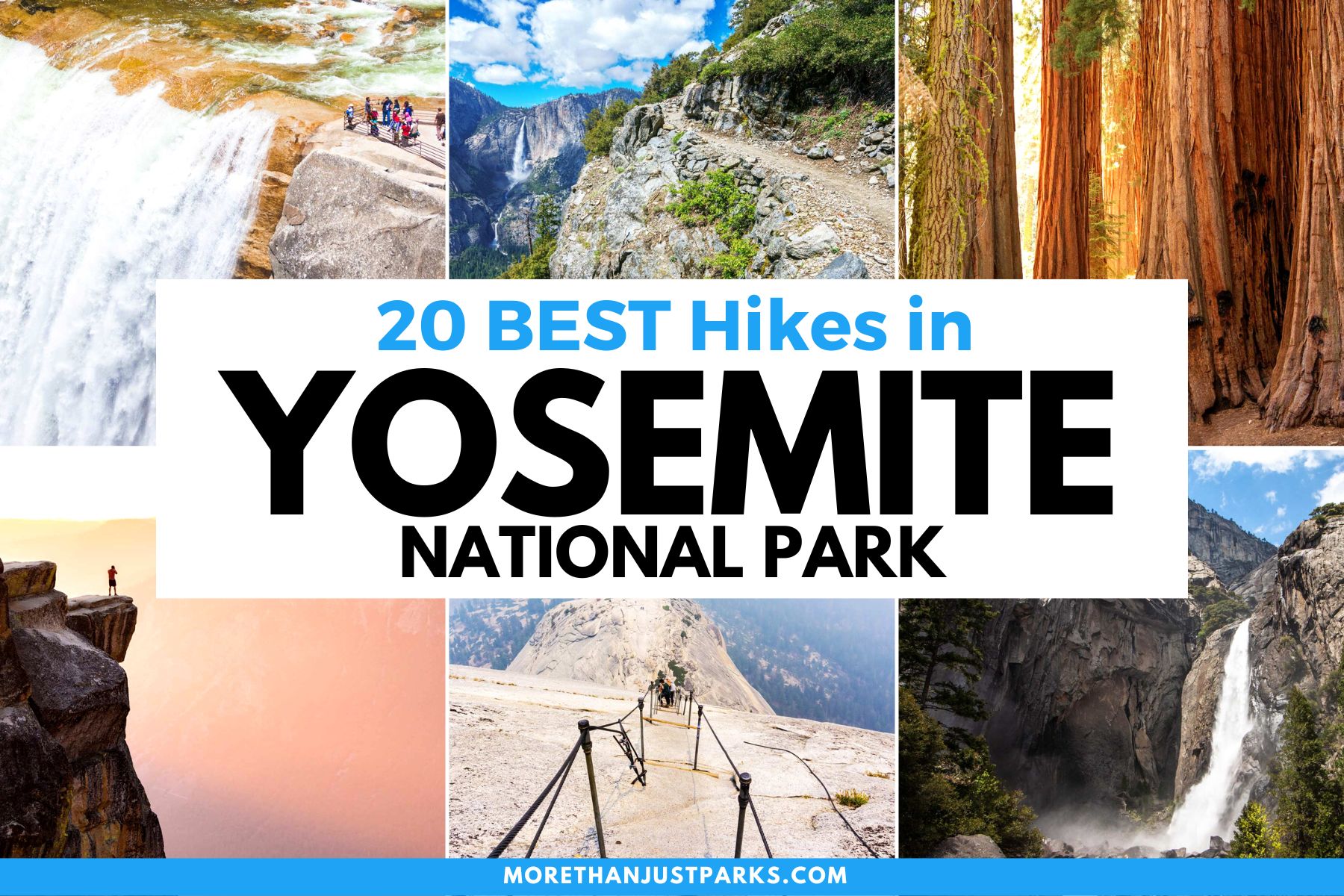
Whether fires in Yosemite National Park are safe for hikers depends entirely on the distinction between regulated campfires and active wildfires. While campfires are generally safe when managed within strict National Park Service (NPS) guidelines and designated elevations, unmanaged wildfires and the resulting smoke pose significant respiratory and navigational risks to hikers, particularly during the peak fire seasons of 2026.
Yosemite National Park is a landscape defined by fire. For millennia, fire has shaped the Sierra Nevada ecosystem, clearing underbrush and allowing giant sequoias to release their seeds. However, for the modern hiker, fire represents a complex intersection of tradition, safety, and strict legal regulation. To determine if "fires" are safe for your specific trek, you must evaluate current seasonal restrictions, your physical elevation, and the real-time air quality indices (AQI) governed by active regional blazes.
Understanding the Two Faces of Fire in Yosemite
When a hiker asks if fires are safe, they are usually referring to one of two things: the safety of lighting a campfire at a wilderness site, or the safety of hiking while the park or surrounding areas are experiencing wildfires. In 2026, both aspects require a high level of situational awareness.
Regulated Campfires and Hiker Safety
Campfires are a traditional part of the backpacking experience, but in the fragile ecosystem of the High Sierra, they are a privilege, not a right. From a safety perspective, a campfire is only "safe" if it is contained, managed, and completely extinguished. The primary danger of campfires for hikers is not personal injury from the flames, but the risk of an escaped ember igniting a wildfire that could trap the hiker or others in remote backcountry canyons.
In Yosemite, the NPS manages this risk through the "Wilderness Minimum Impact" regulations. Hikers are required to use existing fire rings and are strictly prohibited from building new ones. The safety of these fires is also tied to the fuel used. Hikers must only use dead and downed wood; cutting standing trees—even dead ones—is illegal and creates safety hazards by removing potential habitats and increasing soil erosion.
Wildfires and Atmospheric Safety
The second face of fire is the wildfire—either naturally occurring (lightning-caused) or human-caused. For hikers, the safety of these fires is determined by proximity and air quality. Even a fire burning miles away in the Stanislaus National Forest can send plumes of particulate matter (PM2.5) into Yosemite Valley or the high country.
In 2026, the NPS utilizes sophisticated monitoring systems to track fire spread. If a fire is deemed unsafe for hikers, the park will issue immediate trail closures. The "safety" of hiking during a fire event is often a personal health decision based on one's respiratory sensitivity and the intensity of the smoke.
Navigating Yosemite’s Fire Restrictions in 2026
The National Park Service implements various stages of fire restrictions based on the "Burning Index" and fuel moisture levels. As a hiker, knowing which stage is active is your first step toward a safe trip.
Stage 1 Fire Restrictions
Under Stage 1 restrictions, which are common in the early summer months, campfires are usually limited to designated campgrounds in the Valley and specific wilderness areas. For backpackers, this often means that while you can still have a fire in the backcountry, you must be extremely diligent about location and elevation.
Stage 2 and Stage 3 Restrictions
As the 2026 summer progresses and the forest floor dries out, Stage 2 restrictions often take effect. At this level, campfires are typically prohibited in all wilderness areas of the park, regardless of elevation. Only portable stoves using pressurized liquid or gas fuel are allowed. Stage 3 is the most severe, often involving the closure of specific park zones or the total prohibition of all flames, including smoking in non-developed areas.
Following these restrictions is the only way to ensure "safety" in the legal and ecological sense. Violating these rules not only risks a heavy fine but endangers the entire park infrastructure.
The Elevation Rule: Why 9,600 Feet Matters
One of the most critical safety and ecological regulations in Yosemite is the elevation limit for fires. In 2026, campfires are prohibited above 9,600 feet (2,926 meters) throughout the park.
Ecological Fragility
The primary reason for this ban is the slow growth rate of subalpine vegetation. At high elevations, trees like the Whitebark Pine grow incredibly slowly. If hikers were allowed to scavenge for firewood at these heights, they would quickly deplete the organic matter necessary for soil health and new growth. From a hiker’s safety perspective, fires at high altitudes are also less predictable due to erratic wind patterns and thinner oxygen, which can make controlling a blaze more difficult.
Fuel Availability
Above 9,600 feet, "dead and downed" wood is scarce. When hikers attempt to build fires in these zones, they often resort to burning materials that produce toxic smoke or fail to burn completely, leaving hazardous debris for the next group of hikers. To stay safe and compliant, always carry a reliable lightweight stove for cooking in the high country.
Air Quality and Health Risks for Hikers
Even if a fire is not physically near your trail, the smoke can make hiking unsafe. Smoke from California wildfires contains high concentrations of fine particulate matter, which can penetrate deep into the lungs and enter the bloodstream.
Monitoring the AQI (Air Quality Index)
Before heading into the backcountry, hikers should check the current AQI through resources like AirNow.gov or the NPS Yosemite Webcams.
- 0-50 (Good): Safe for all hikers.
- 51-100 (Moderate): Safe for most, though unusually sensitive individuals should reduce prolonged exertion.
- 101-150 (Unhealthy for Sensitive Groups): Hikers with asthma or cardiovascular issues should reconsider their trip.
- 151+ (Unhealthy/Hazardous): Physical exertion (like climbing Yosemite’s steep switchbacks) can cause significant respiratory distress, even in healthy individuals.
Physical Exertion and Smoke
Hiking requires deep, rapid breathing. When the air is thick with smoke, you are essentially inhaling more toxins than a sedentary person would in the same environment. This can lead to headaches, dizziness, chest pain, and reduced visibility, the latter of which can lead to losing the trail in complex terrain like the Illilouette Basin or the northern wilderness.
How to Handle a Fire Emergency on the Trail
If you encounter an unplanned fire or smoke while hiking in Yosemite, your safety depends on your immediate actions.
- Don't Investigate: If you see a column of smoke, do not hike toward it to get a better look. Fire in the Sierras can move faster than a human can run, especially when moving uphill.
- Report the Fire: If you have cell service (rare in the backcountry), call 911 or the Yosemite Emergency Communications Center. If not, note the location (using a map or GPS) and inform the first ranger or trailhead person you encounter.
- Move Downwind and Downhill: Fire generally travels faster uphill. If possible, move away from the fire's path by heading to a lower elevation or a large body of water like Tenaya Lake or the Merced River.
- Find a "Safe Zone": If trapped, look for areas with little to no fuel—granite slabs, talus slopes, or wide-open meadows with short grass.
Essential Fire Safety Requirements for 2026 Yosemite Hikers
To ensure your use of fire is safe and legal, you must adhere to the following prerequisites before entering the park.
| Requirement | Description | Status in 2026 |
|---|---|---|
| California Campfire Permit | Required for all fires and use of portable stoves on federal lands in CA. | Mandatory (Free Online) |
| Wilderness Permit | Required for all overnight stays in Yosemite's backcountry. | Mandatory (Reservation Required) |
| Elevation Limit | No fires allowed above 9,600 feet. | Strictly Enforced |
| Fire Ring Usage | Must use existing NPS-approved fire rings; no new rings allowed. | Mandatory |
| Extinguishment | Fires must be "dead out"—cool enough to touch with a bare hand. | Mandatory |
| Fuel Collection | Only dead and downed wood may be collected; no saws or axes. | Mandatory |
Leave No Trace: The Hiker’s Responsibility
The "safety" of fires in Yosemite is inextricably linked to the Leave No Trace (LNT) principles. A fire that is not handled with LNT in mind is, by definition, unsafe for the environment.
Mound Fires vs. Fire Rings
While Yosemite requires the use of established fire rings to concentrate impact, in some emergency or specialized permitted cases, a "mound fire" may be used. This involves building a fire on a pedestal of mineral soil (sand or gravel) to prevent scarring the ground. However, for 99% of hikers, sticking to established rings in designated areas (like Little Yosemite Valley) is the safest course of action.
The "Dead Out" Test
The leading cause of human-triggered wildfires in the backcountry is improperly extinguished campfires. To safely douse a fire:
- Drown the fire with water.
- Stir the ashes and embers with a stick or shovel.
- Drown it again.
- The Touch Test: If you cannot comfortably place your hand in the ashes, the fire is still a threat. Continue the process until it is cold.
Common Mistakes Hikers Make with Fire
Understanding where others fail can help you remain safe during your Yosemite trek.
- Burning Trash: Many hikers believe they are helping by burning their food wrappers or leftover scraps. In reality, this attracts bears (who are attracted to the scent of charred food) and releases toxic chemicals into the air.
- Using Large Logs: Large pieces of wood take hours to burn down and even longer to cool. Hikers often leave these logs smoldering when they break camp in the morning, leading to potential forest fires.
- Ignoring Wind Conditions: Even if fires are legally permitted, a high-wind day makes any fire unsafe. Embers can travel over a mile in high Sierra winds.
FAQs: Fire Safety in Yosemite
Can I have a campfire anywhere in Yosemite?
No. Campfires are restricted to specific elevations (below 9,600 feet) and must be built within existing fire rings in wilderness areas. During high-risk periods, campfires may be banned entirely across the park. Always check the current NPS Fire Restrictions page before starting your hike.
Are portable stoves considered "fires" under park restrictions?
In most cases, portable stoves that use pressurized gas or liquid fuel are allowed even when campfires are banned (Stage 1 and 2). However, in extreme Stage 3 restrictions, even these may be prohibited in specific zones. Stoves are generally considered "safer" because they can be turned off instantly.
What should I do if the smoke is thick but there are no trail closures?
If the AQI exceeds 150, it is generally recommended to cancel or postpone strenuous hikes. If you are already in the backcountry, reduce your pace, stay hydrated, and consider exiting via the nearest trailhead if you experience shortness of breath or persistent coughing.
Is it safe to use a fire to keep bears away?
No. In fact, campfires can sometimes attract bears if hikers are using the fire to cook aromatic foods. Yosemite requires the use of approved bear-resistant food canisters. Do not rely on fire as a bear deterrent; instead, follow proper food storage protocols.
Do I need a permit just for a backpacker stove?
Yes. In the state of California, a valid California Campfire Permit is required to operate a portable stove or have a campfire on all National Forest and National Park lands.
Final Recommendations for Hikers
Safety regarding fires in Yosemite is a matter of preparation and respect for the environment. For a successful and safe trip in 2026:
- Verify the Year's Moisture Levels: After a dry winter, expect fire restrictions to start earlier (as early as May).
- Download Offline Maps: If a fire causes a trail closure while you are out, you will need to find an alternative route without relying on cell service.
- Pack a Stove: Never rely on a campfire for cooking; it is ecologically impactful and often legally prohibited.
- Prioritize Air Quality: Your lungs are your most important piece of gear. Do not hesitate to turn back if smoke levels become hazardous.
By staying informed and following the strict guidelines set by the National Park Service, you can enjoy the majestic beauty of Yosemite while ensuring that your presence does not contribute to the very fires that threaten it.