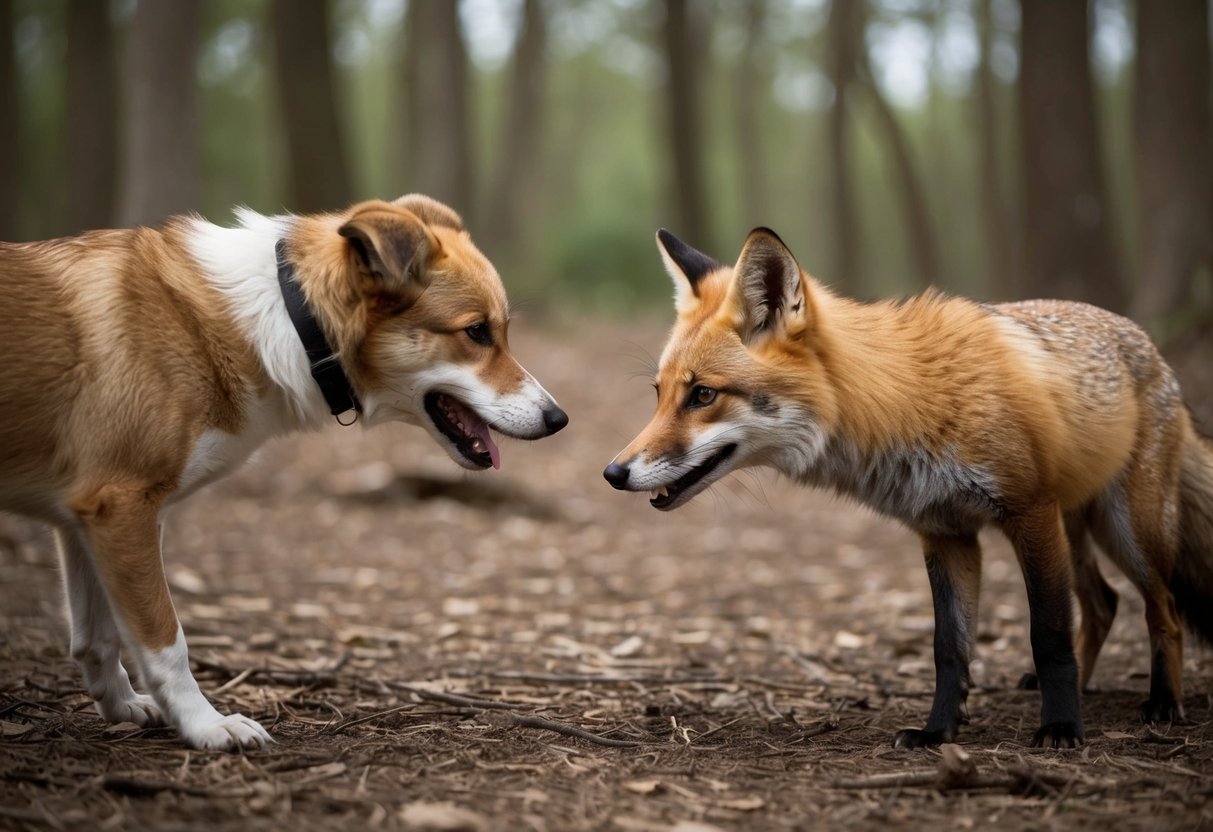
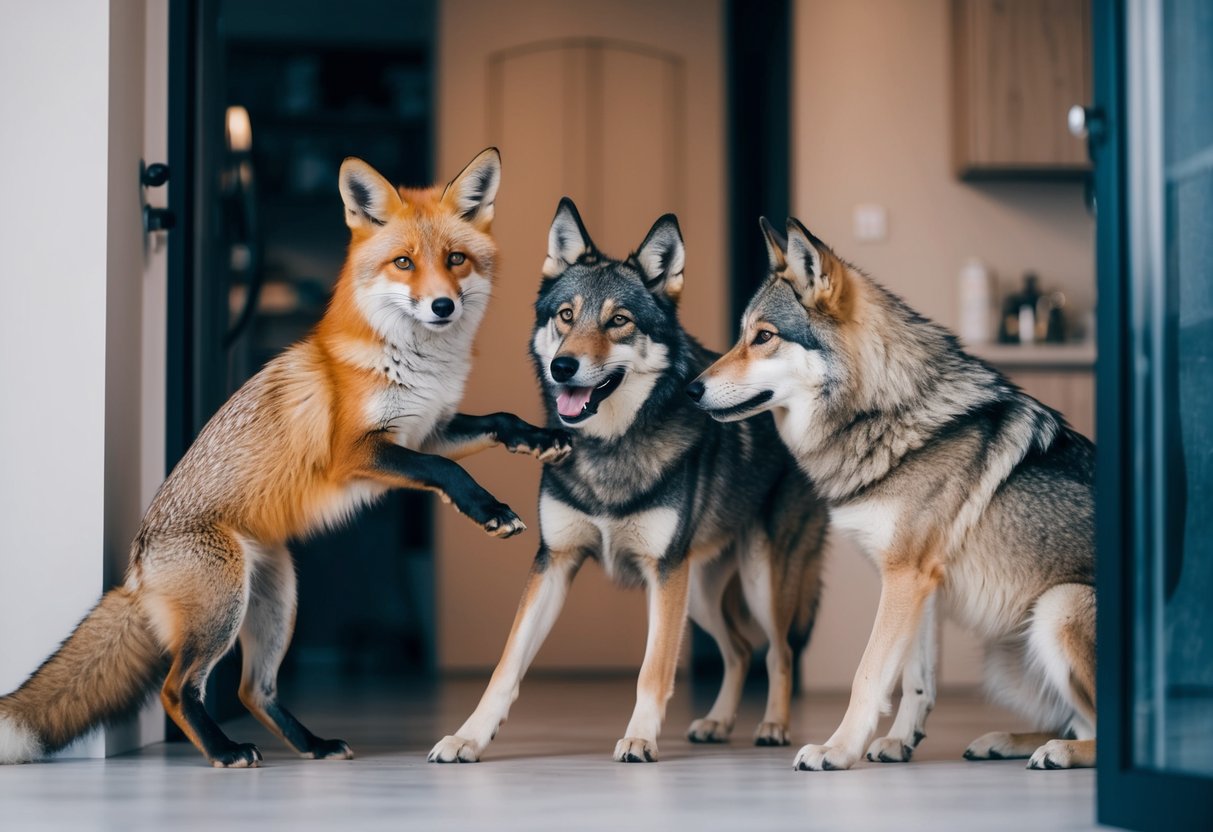
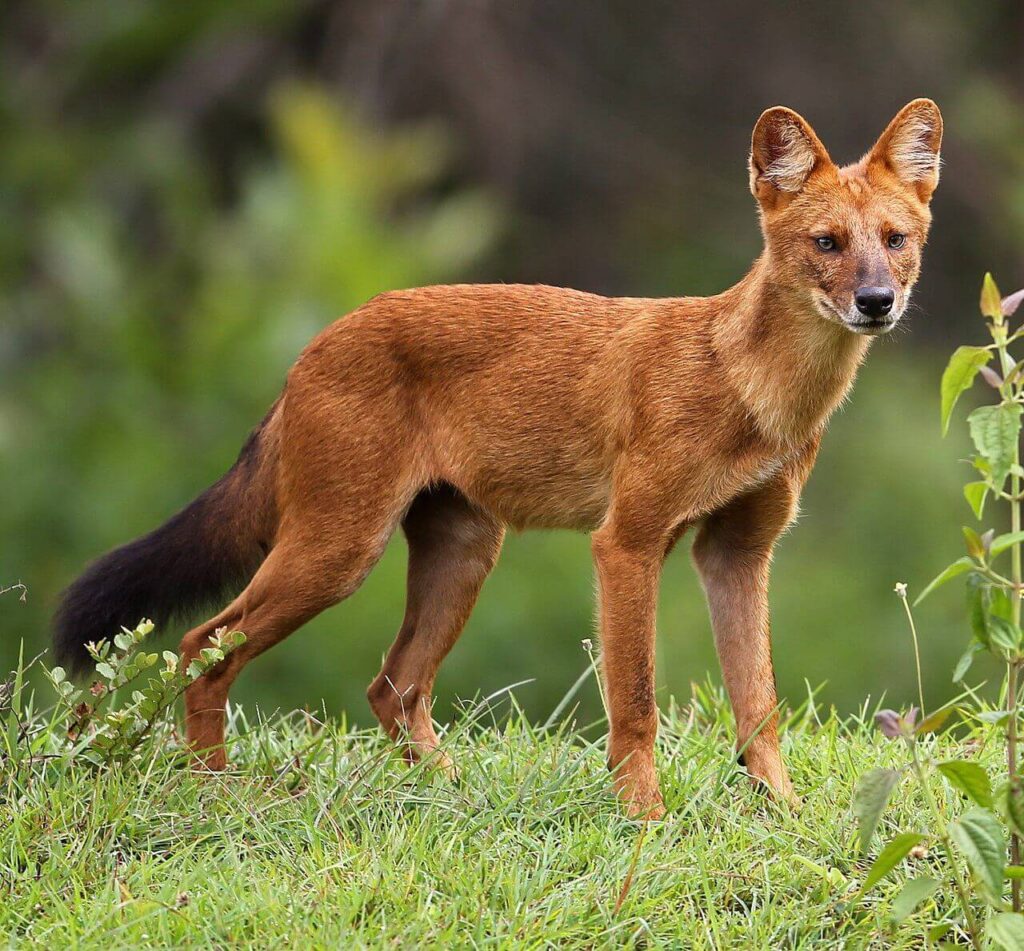
Foxes and dogs are both members of the Canidae family, making them biological cousins with shared physical traits like pointed ears and bushy tails. However, they belong to different genera; dogs are Canis, while true foxes are Vulpes. While they look similar, foxes behave more like solitary hunters and lack the pack-oriented social instincts that define the domestic dog.
The question of whether foxes are like dogs is a common one, fueled by the fox's charismatic appearance and its classification within the dog family. To understand their relationship in 2026, we must look beyond surface-level aesthetics. While they share a distant evolutionary history, millions of years of divergent adaptation have created two very different animals. Foxes are often described by biologists as "cat software running on dog hardware," highlighting a unique blend of canine biology and feline-like behavior.
The Evolutionary Split: Canini vs. Vulpini
To understand the similarities and differences, we must first look at the taxonomy of the Canidae family. This family is divided into two primary tribes: Canini (the "dog-like" canines) and Vulpini (the "fox-like" canines).
The ancestors of modern dogs and foxes diverged approximately 7 to 10 million years ago. This evolutionary split means that while they share a common ancestor, they have spent millions of years refining different survival strategies.
- Canini: This tribe includes wolves, coyotes, jackals, and domestic dogs. These animals are generally characterized by their social structures, larger body sizes, and endurance-based hunting styles.
- Vulpini: This tribe includes "true foxes" like the Red Fox (Vulpes vulpes), the Arctic Fox, and the Fennec Fox. They are typically smaller, more solitary, and have adapted for stealth and agility.
Because of this ancient divergence, foxes and dogs cannot interbreed. A "fox-dog" hybrid is genetically impossible because they possess a different number of chromosomes. For instance, a domestic dog has 78 chromosomes, whereas a Red Fox has 34 (plus several "B" chromosomes). This genetic barrier is one of the most fundamental reasons why they remain distinct species despite their shared lineage.
Physical Similarities and Radical Departures
On the surface, a fox looks like a small dog. They both have the elongated snout, sensitive nose, and forward-facing eyes typical of predators. However, a closer inspection reveals specialized biological features in foxes that are entirely absent in dogs.
The Eyes and Vision
One of the most striking "cat-like" features of a fox is its eyes. Domestic dogs (and wolves) have round pupils. In contrast, most foxes—specifically those in the Vulpes genus—have vertical slit pupils. This adaptation is common in nocturnal or crepuscular hunters that need to gauge depth accurately while pouncing on small prey in low-light conditions.
Paws and Claws
While dogs have blunt, non-retractable claws used for traction while running, some fox species have evolved differently. The Gray Fox (Urocyon cinereoargenteus), for example, has semi-retractable claws and a rotating wrist structure that allows it to climb trees—a behavior completely alien to almost all dog breeds. Even the common Red Fox has more delicate paws and higher agility than a dog of comparable size.
The "Scent" Factor
If you have ever been near a fox den or a pet fox, you will notice a smell far more potent than the typical "wet dog" odor. Foxes possess a scent gland located on the top of their tail, near the base. They use this, along with extremely pungent urine, to mark territory. This musk is often compared to the smell of a skunk and is a significant deterrent for people considering them as pets. Dogs do not have this specific dorsal tail gland.
Behavior: Pack Animals vs. Solitary Spirits
The most profound difference between foxes and dogs lies in their psychology and social structure. Domestic dogs are descendants of wolves, which are highly social pack animals. This evolutionary history is why dogs are so attuned to human body language and vocal cues; they are "hardwired" to seek a leader and maintain social cohesion.
Hunting Styles
Dogs are generally "cursorial" hunters, meaning they use their stamina to chase prey over long distances. Foxes are "stalk-and-pounce" hunters. They hunt alone, relying on stealth and a sudden vertical leap to pin small rodents to the ground.
In a fascinating display of biological engineering, research has shown that foxes may even use the Earth’s magnetic field to hunt. When a fox pounces toward the magnetic north, it has a significantly higher success rate. This sophisticated biological compass is a specialized trait not observed in domestic dogs.
Social Interaction
While foxes are not strictly "anti-social"—they do form mated pairs and raise young (kits) in family units—they do not live in packs. They do not have a hierarchy in the way dogs do. This lack of a pack instinct makes them much harder to "train" in the traditional sense. A dog obeys a command because it views the human as a social authority; a fox, lacking that social framework, generally only does what is in its own immediate interest.
Communication: Barks, Howls, and Screams
Dogs are known for barking, growling, and howling. While foxes can produce a range of sounds, they do not communicate like dogs.
- The Vulpine Scream: The most famous fox vocalization is a high-pitched, harrowing scream often heard during the mating season. To an uneducated ear, it can sound like a human in distress.
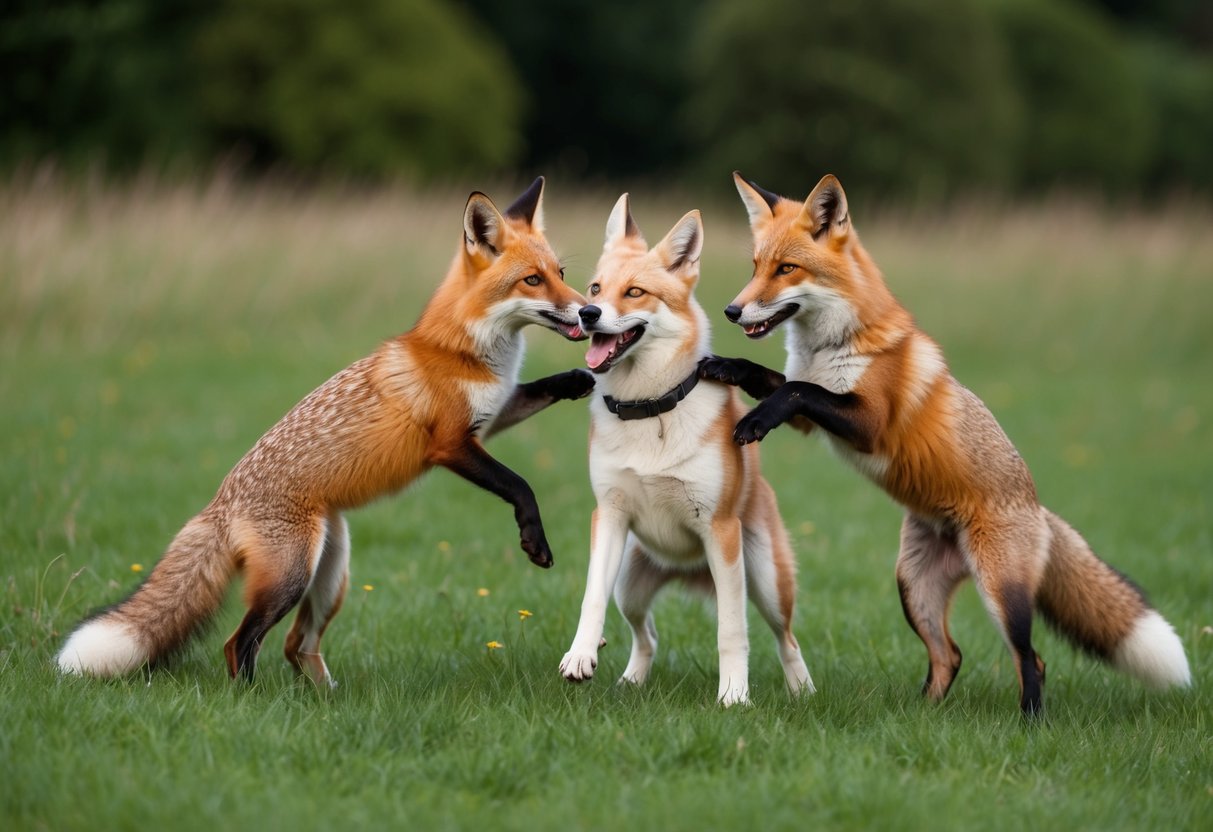
- The "Gekkering": When foxes are playing or fighting, they make a series of stuttering, throat-based sounds known as "gekkering."
- Barking: Foxes do have a short, "yappy" bark, but it is typically used as a warning signal and lacks the variety of tones a domestic dog uses to communicate with humans.
Domestication: The Siberian Fox Experiment
When people ask "Are foxes like dogs?" they are often thinking of the Siberian Silver Fox experiment. Started in 1959 by Soviet biologist Dmitry Belyaev and continued into 2026 at the Institute of Cytology and Genetics, this study attempted to recreate the domestication of dogs using foxes.
By selecting only the "tamest" foxes for breeding—those that showed the least fear of humans—Belyaev's team produced foxes that behaved remarkably like dogs. These "domesticated" foxes:
- Wagged their tails when they saw humans.
- Developed floppy ears and curly tails (features common in domestic dogs).
- Had lower levels of adrenaline and higher levels of serotonin.
However, it is vital to distinguish between these genetically domesticated foxes and "tame" wild foxes. A wild fox kit raised by humans may become tame, but it still possesses the wild instincts and hormonal profiles of its ancestors. The Belyaev foxes are a unique population that has been genetically altered over decades to mimic dog-like traits.
Comparison Summary Table
The following table highlights the key physiological and behavioral differences between domestic dogs, red foxes, and wolves.
| Feature | Domestic Dog (Canis familiaris) | Red Fox (Vulpes vulpes) | Gray Wolf (Canis lupus) |
|---|---|---|---|
| Social Structure | Highly social/Pack-oriented | Solitary/Small family units | Highly social/Pack-oriented |
| Pupil Shape | Round | Vertical Slit | Round |
| Climbing Ability | None | Limited (Gray Fox is excellent) | None |
| Hunting Style | Chasing (Endurance) | Pouncing (Stealth) | Chasing (Teamwork) |
| Chromosomes | 78 | 34 (Variable) | 78 |
| Tail Usage | Social signaling | Balance and warmth | Social signaling |
| Odor Level | Low to Moderate | Extremely High (Musk) | Moderate |
| Training Ease | High (Pack instinct) | Low (Independent) | Moderate/Difficult |
The Reality of Foxes as Pets in 2026
Given their dog-like appearance, many people wonder if a fox can be kept as a pet. While it is legal in some jurisdictions, it is vastly different from owning a dog.
As of 2026, many wildlife experts and animal welfare organizations advise against keeping foxes as household pets for several reasons:
- Destructive Nature: Foxes are natural diggers. They will dig through carpets, drywall, and furniture to create "dens."
- Incontinence and Marking: Foxes cannot be fully house-trained. They use urine to mark their territory, and that urine has a chemical composition that makes the smell nearly impossible to remove from household surfaces.
- Nocturnal Habits: Foxes are most active at night, which often clashes with a human's sleep schedule.
- Dietary Needs: Unlike dogs, which can eat a variety of commercial kibble, foxes require high amounts of taurine (found in raw hearts and livers) and a specialized diet to prevent metabolic bone disease.
If you are interested in foxes, a better alternative to ownership is supporting reputable wildlife sanctuaries or visiting educational centers that house non-releasable foxes. This allows you to appreciate their unique beauty without the immense burden of their specialized care.
Frequently Asked Questions
Can a dog and a fox have puppies?
No. Despite belonging to the same family, dogs and foxes have a different number of chromosomes and belong to different genera. Their genetic blueprints are too different to produce offspring. There has never been a scientifically verified "dox" or "fog" hybrid.
Why do foxes look so much like cats?
This is a prime example of convergent evolution. Because foxes fill a similar ecological niche to small wildcats—hunting small rodents in tall grass or forests—they have evolved similar tools, such as slit pupils for night vision, sensitive whiskers, and the ability to pounce.
Are foxes dangerous to domestic dogs?
Generally, no. A wild fox is typically much smaller than a medium-sized dog (a Red Fox usually weighs between 10 and 15 pounds). Foxes are timid and prefer to flee rather than fight. However, conflicts can occur over food or territory, and foxes can carry diseases like rabies or mange that can be transmitted to unvaccinated dogs.
Do foxes bark like dogs?
They can produce a short "yap" or "wow-wow-wow" bark, but it sounds more like a bird or a high-pitched scream than the deep, rhythmic barking of a dog. They use these sounds primarily to locate family members or warn of intruders.
Why do foxes wag their tails?
In the domesticated Siberian foxes, tail-wagging is a sign of affection and social greeting, just like in dogs. In wild foxes, tail movements are more subtle and are often used for balance while running or as a "muffler" to keep their nose warm while sleeping.
Recommendation for Animal Enthusiasts
If you find yourself drawn to the fox's unique blend of canine and feline traits, the best course of action is to engage in wildlife observation and education rather than seeking pet ownership. Use high-quality binoculars or trail cameras to observe foxes in their natural habitat during the twilight hours.
For those who love the "look" of a fox but want the temperament of a dog, certain dog breeds have been bred to resemble foxes without the wild instincts. Breeds like the Shiba Inu, Finnish Spitz, or the Pomsky offer a "vulpine" aesthetic while remaining fully domesticated, social, and trainable companions. Always prioritize the well-being of the animal and the safety of your home environment by choosing a pet that is evolutionarily prepared for life with humans.