German cockroaches are a significant and persistent problem throughout Texas, representing the state's most difficult-to-control indoor pest. Their preference for warm, humid environments makes Texas kitchens and bathrooms ideal habitats. Unlike native species, they rely entirely on human structures to survive, leading to year-round infestations that pose serious health risks.
In 2026, the German cockroach (Blattella germanica) remains the primary target for residential and commercial pest control services across the Lone Star State. From the humid coastal regions of Houston to the sprawling urban complexes of Dallas-Fort Worth, these resilient insects exploit the proximity of human dwellings. They are not merely a nuisance; they are a sophisticated biological adversary. Understanding why they thrive in Texas, how they differ from other local species, and why they are so difficult to eradicate is essential for any property owner or tenant facing an infestation.
The Scope of the German Cockroach Problem in Texas
The prevalence of German cockroaches in Texas is driven by a combination of rapid urbanization and the state's characteristic climate. While many "outdoor" roaches, such as the American or Smokybrown cockroach, occasionally wander inside seeking water or relief from extreme heat, the German cockroach is an obligate indoor pest. It does not live in the wild; it lives where people live.
In Texas’s major metropolitan areas, the density of multi-family housing—apartments, condos, and townhomes—provides an interconnected highway for these pests. They move through wall voids, plumbing chases, and shared electrical conduits. A single infested unit in a San Antonio apartment complex can effectively seed an entire building within months. By 2026, the increased density of Texas cities has only amplified this "hitchhiking" behavior, where roaches are transported via grocery bags, used appliances, and delivery boxes.
The economic impact is also substantial. For the Texas food service industry, a German cockroach sighting can lead to failed health inspections, temporary closures, and severe reputational damage. For homeowners, the cost of professional remediation and the potential loss of contaminated food items create a significant financial burden.
Why Texas is the Perfect Environment for German Roaches
While German cockroaches live indoors, the external Texas environment plays a supporting role in their success. These insects are tropical in origin and thrive in temperatures between 75°F and 85°F with high humidity—conditions that describe a Texas "indoor climate" for much of the year.
Humidity and Moisture
Texas is famous for its humidity, particularly in East and Gulf Coast regions. Even in the more arid parts of West Texas, the micro-climates created within air-conditioned buildings provide the necessary moisture. German cockroaches have a high surface-area-to-volume ratio, meaning they lose moisture quickly. They congregate near "wet" areas like kitchen sinks, dishwashers, and bathroom drains. The frequent use of HVAC systems in Texas can also create condensation in walls, providing a hidden water source that allows colonies to thrive undetected.
Year-Round Activity
In northern states, cockroach metabolism may slow down during winter months, and populations may struggle if they are forced into colder areas of a building. In Texas, there is no true "off-season." Even in winter, indoor temperatures remain stable, allowing for continuous, uninterrupted reproductive cycles. This leads to a compounding population growth that is much more aggressive than in temperate climates.
Identifying the German Cockroach: Key Distinctions
A common mistake in Texas is misidentifying the German cockroach for "water bugs" or other native species. Correct identification is the first step in effective management because the treatment for a German cockroach is fundamentally different from the treatment for an American cockroach.
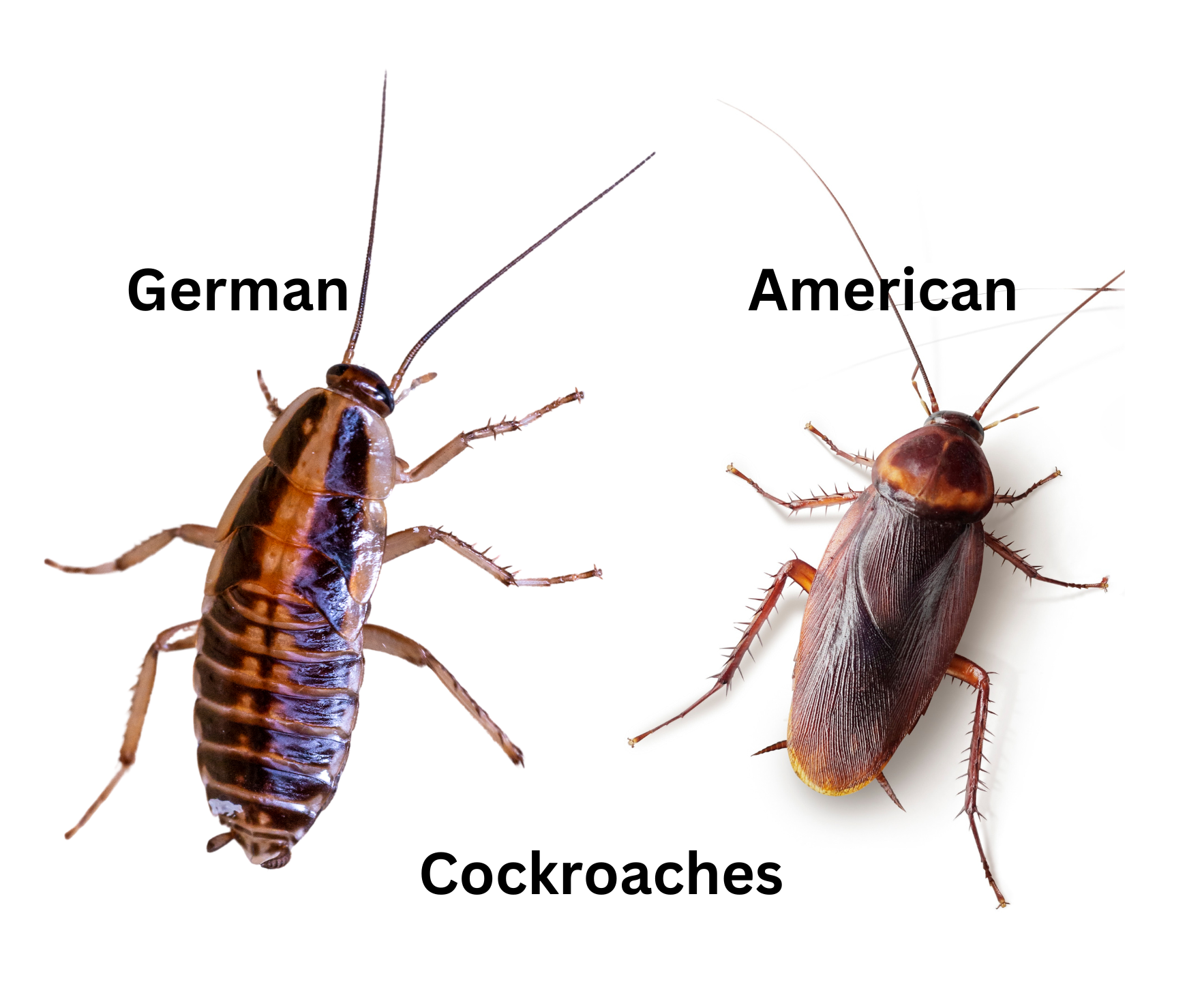
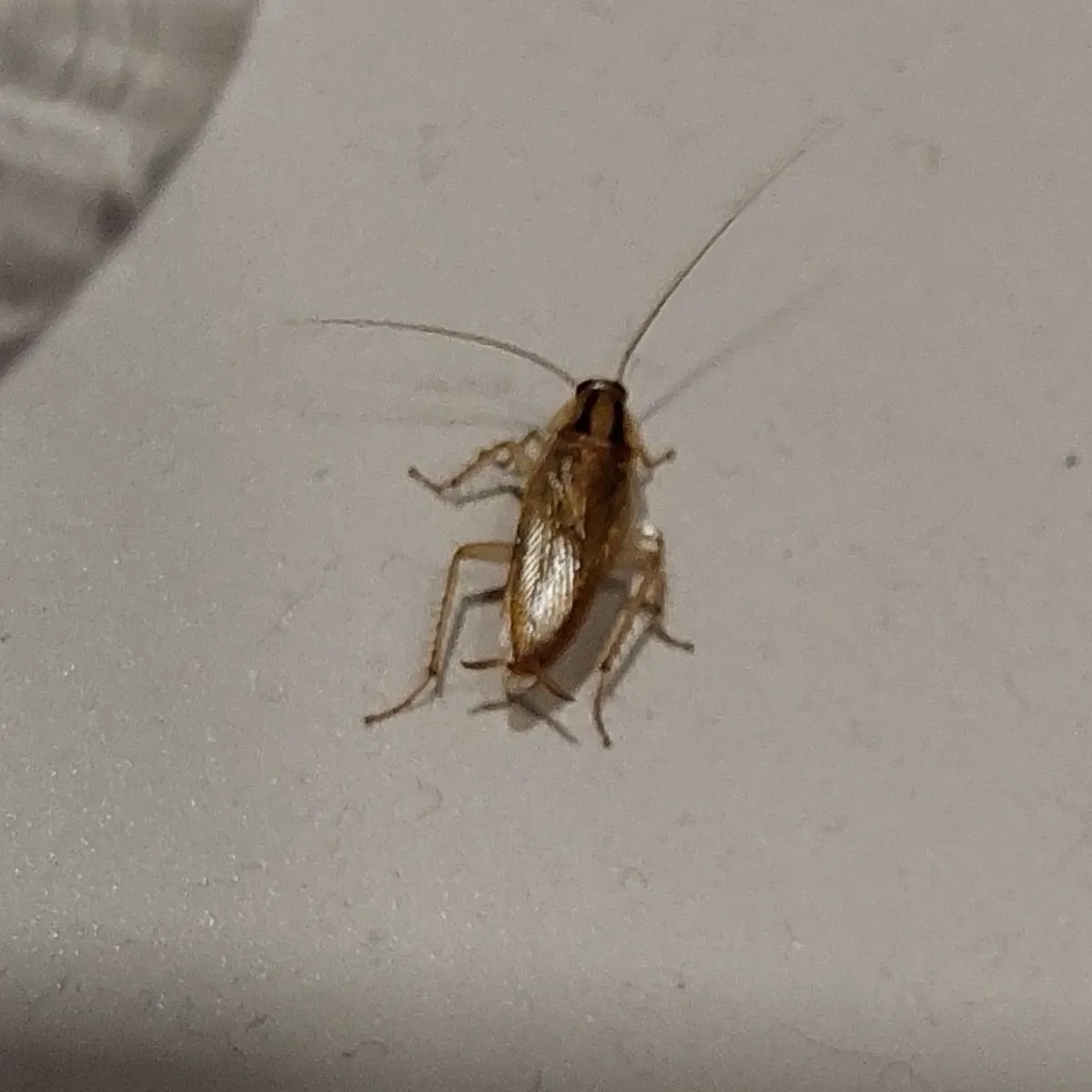
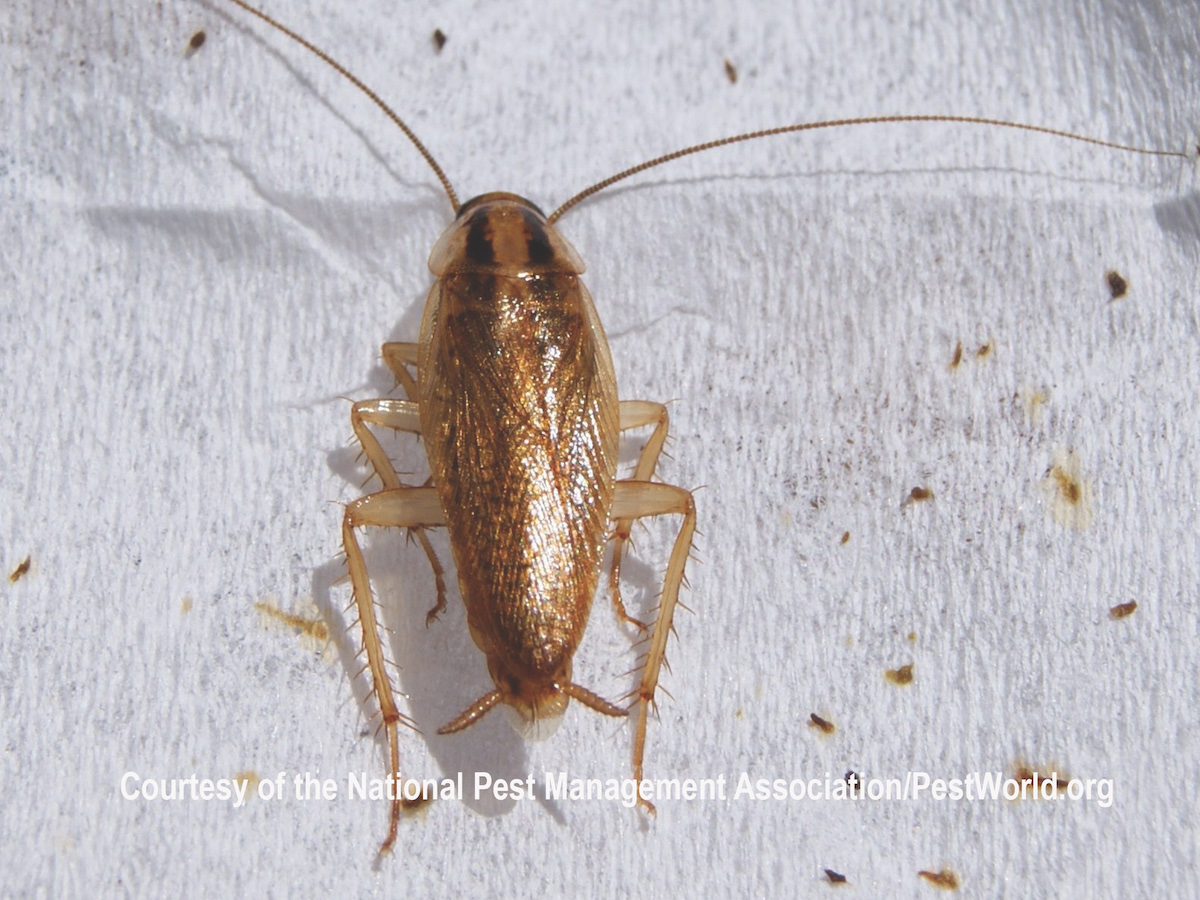
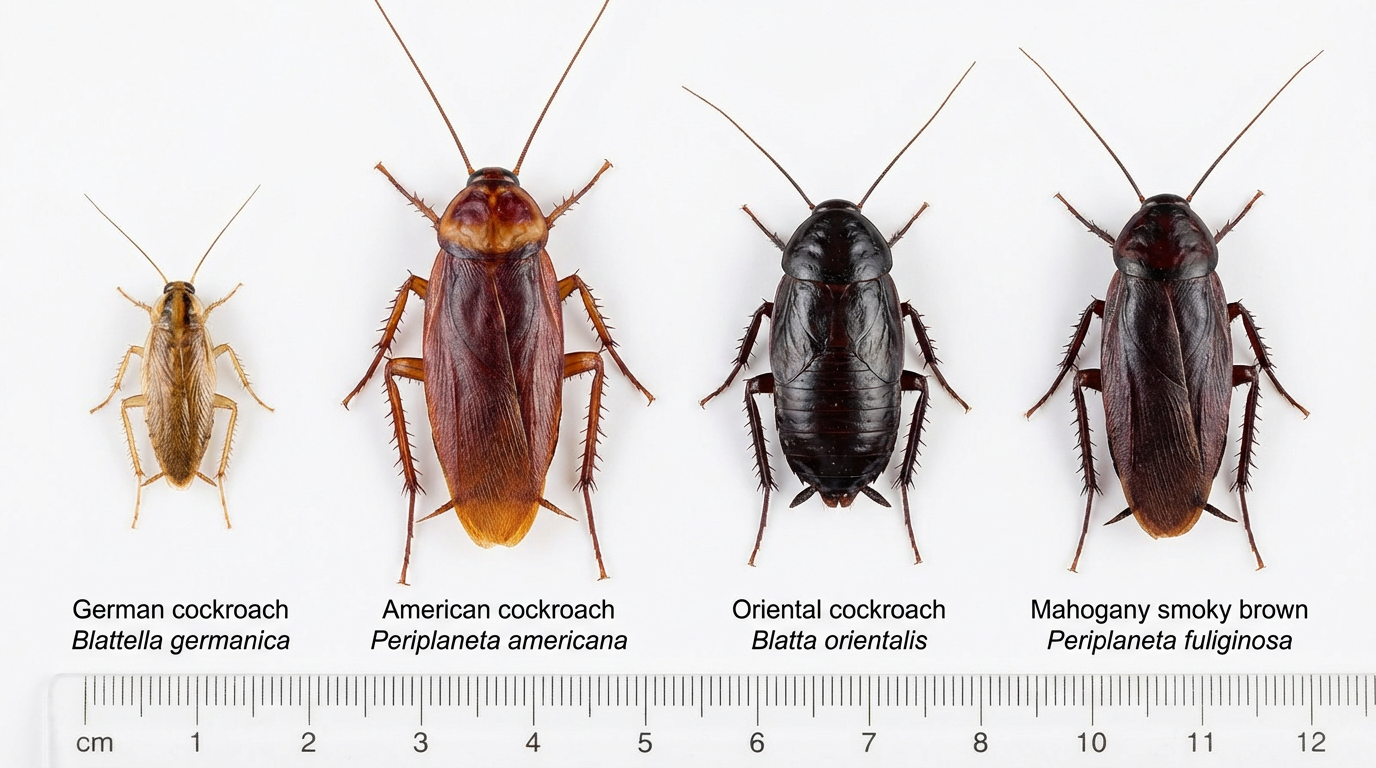
The German cockroach is relatively small, typically measuring 1/2 to 5/8 of an inch in length. Its most defining physical characteristic is the presence of two dark, longitudinal stripes on the pronotum (the shield-like plate just behind the head). While they have wings, they rarely fly, preferring to run quickly when disturbed.
In contrast, the American cockroach (Periplaneta americana), often called the "Palmetto bug" in the South, is much larger (up to 2 inches) and reddish-brown. American cockroaches are primarily outdoor pests that enter homes looking for water. If you see a very small, light brown roach in your kitchen during the day, it is almost certainly a German cockroach.
Biological Advantages
The reproductive potential of the German cockroach is what makes it a "problem" rather than a mere "annoyance." A single female can produce an egg capsule (ootheca) containing 30 to 40 eggs. Unlike other species that drop their egg cases, the German cockroach female carries the ootheca until about 24 hours before the eggs hatch. This behavior protects the offspring from predators and environmental hazards. In a climate like Texas's, a single female and her offspring can theoretically produce hundreds of thousands of descendants within a single year.
Comparison of Common Texas Cockroaches
The following table outlines the differences between the German cockroach and the other most common species found in Texas homes as of 2026.
| Feature | German Cockroach | American Cockroach | Oriental Cockroach |
|---|---|---|---|
| Size | 1/2" to 5/8" | 1.5" to 2"+ | 1" to 1.25" |
| Color | Light brown/Tan | Reddish-brown | Shiny dark brown/Black |
| Key Markings | Two dark vertical stripes | Yellow band behind head | None |
| Primary Habitat | Indoor kitchens/baths | Sewers, mulch, trees | Drains, crawlspaces |
| Flight Ability | No (Rarely glides) | Yes (Strong flier) | No |
| Eggs per Case | 30–40 | 14–16 | 16 |
| Development | 50–60 days | 6–12 months | 6–18 months |
The Public Health Risk in Texas Communities
The presence of German cockroaches is a legitimate health concern. They are known "mechanical vectors" of disease, meaning they pick up pathogens on their legs and bodies as they crawl through filth and then transfer those pathogens to food and surfaces.
Pathogen Transmission
Research consistently links German cockroaches to the spread of Salmonella, E. coli, and Staphylococcus. In the warm Texas climate, bacteria on contaminated surfaces can multiply rapidly. These pests spend their time in sewers or near garbage and then move to kitchen counters, where they defecate and vomit while feeding, creating a high risk of food poisoning for residents.
Asthma and Allergies
One of the most significant impacts of German cockroaches in Texas is their contribution to respiratory issues. Cockroaches produce proteins in their droppings, saliva, and shedding skin that are potent allergens. In urban Texas centers, cockroach allergens are a leading trigger for asthma attacks, particularly in children. Prolonged exposure in an infested home can lead to the development of chronic respiratory conditions. This is a primary reason why landlords in Texas are often legally required to maintain "habitable" conditions, which includes being free of significant pest infestations.
The Challenge of Resistance and "Bait Aversion"
By 2026, the pest control industry has seen a rise in "bait-averse" German cockroach populations. For decades, the primary method of control was the use of gel baits containing glucose or other sugars as attractants. However, natural selection has led to the survival of roaches that find these sugars bitter.
In Texas, where roaches have been heavily pressured by chemical treatments for decades, these resistant strains are common. If you apply a standard over-the-counter bait and the roaches ignore it, you likely have a bait-averse population. Professional-grade management now requires a rotating strategy of different chemical classes and the use of non-sugar-based attractants.
Furthermore, German cockroaches have developed physiological resistance to many common pyrethroid sprays found on big-box store shelves. Simply spraying a "barrier" around your baseboards is often ineffective against German roaches because they live deep inside cabinetry and appliances where the spray doesn't reach, and they may have the metabolic ability to detoxify the poison even if they touch it.
Comprehensive Management and Prevention Strategies
Solving a German cockroach problem in Texas requires an Integrated Pest Management (IPM) approach. This is not a "one and done" spray event; it is a process of changing the environment to make it inhospitable for the pest.
Sanitation: The Foundation
German roaches can survive on tiny amounts of organic matter. A smear of grease behind a stove or a crumb under a toaster can sustain a colony for weeks.
- Eliminate Food Sources: Store all food in airtight containers. Never leave pet food out overnight. Clean the "hidden" areas, such as under the refrigerator and inside the oven.
- Manage Moisture: Fix leaky faucets and sweating pipes immediately. Texas humidity is enough for them; don't give them a standing pool of water.
- De-clutter: Cardboard boxes and paper bags provide ideal harborage and a secondary food source (the glue in the binding). Switch to plastic bins for storage.
Chemical Control and IGRs
When sanitation is addressed, chemical controls become more effective.
- Bait Rotation: Use high-quality gel baits, but rotate the active ingredients (e.g., Fipronil, Indoxacarb, or Clothianidin) to prevent resistance.
- Insect Growth Regulators (IGRs): This is the most critical tool in 2026. IGRs like Gentrol do not kill the adult roaches immediately. Instead, they act as "birth control," preventing nymphs from reaching sexual maturity and causing adults to produce sterile eggs. This breaks the reproductive cycle that makes Texas infestations so persistent.
- Dusting Wall Voids: Using boric acid or silica aerogel in wall voids and behind outlets can provide long-term protection. These dusts work mechanically by dehydrating the insect, a process roaches cannot develop chemical resistance to.
Professional Intervention
Because of the technical complexity of modern cockroach resistance, professional intervention is often necessary in Texas. Professionals have access to high-concentration IGRs and specialized equipment (like vacuuming systems) to physically remove large portions of the population before applying chemicals.
Summary of Next Actions
If you suspect a German cockroach problem in your Texas home or business, take these immediate steps:
- Verify the species: Look for the two dark stripes on the head. If the roach is large and reddish, it’s likely an American roach and requires a different strategy (focusing on outdoor entry points).
- Conduct a deep clean: Focus on the kitchen and bathrooms. Remove all grease, crumbs, and standing water.
- Deploy IGRs: Purchase an Insect Growth Regulator to stop the breeding cycle.
- Seal entry points: In multi-family housing, use caulk to seal gaps around plumbing pipes and electrical outlets to stop "hitchhiking" from neighbors.
- Consult a professional: If you see more than two or three roaches a day, the infestation is likely deep-seated and requires professional-grade baits and rotation strategies.
Frequently Asked Questions
Can German cockroaches fly in Texas?
While German cockroaches have fully developed wings, they are almost entirely flightless. They may use their wings to glide a short distance if they fall from a high place, but they do not fly like the large American cockroaches often seen around Texas porches. Their primary mode of transport is running or hitchhiking in boxes and luggage.
Why do I see German roaches even if my house is clean?
While poor sanitation makes an infestation worse, "clean" houses get German roaches too. They are often introduced through grocery deliveries, used furniture, or by migrating through walls in multi-family buildings. Once inside, they only need a tiny amount of moisture and food (like the starch in wallpaper paste) to survive.
How long does it take to get rid of them in Texas?
Because of their rapid breeding cycle and the warm Texas climate, it usually takes 3 to 6 weeks of consistent treatment to see a major reduction in population. Complete eradication can take longer if the source (like a neighboring apartment) is not treated simultaneously.
Are German cockroaches active during the day?
German cockroaches are nocturnal. If you see them scurrying across a floor or counter during the day, it is usually a sign of a very heavy infestation. This means the "safe" hiding spots are overcrowded, forcing individuals out into the open while it is light.
What is the most effective bait for Texas German roaches in 2026?
The most effective baits are those that use a combination of a potent active ingredient (like Indoxacarb) and a non-glucose attractant to bypass "bait aversion." Always check the label for an Insect Growth Regulator (IGR) component, as this is essential for long-term control.