Faith rehabilitation centers are worth it for individuals who find strength in spiritual frameworks, as they often provide a robust support community and a sense of purpose that aids long-term sobriety. However, their value is highest when they integrate evidence-based clinical practices, such as dual-diagnosis care, alongside religious instruction to address the physiological aspects of addiction.
Deciding between a secular, clinical treatment facility and a faith-based rehabilitation center is one of the most significant hurdles for families and individuals facing substance use disorders (SUD). As we move through 2026, the landscape of addiction recovery has evolved to recognize that a "one size fits all" approach is rarely successful. Faith-based programs, which range from Christian and Jewish to Islamic and Buddhist-centered models, offer a unique value proposition: the integration of spiritual healing with behavioral modification.
To determine if these centers are "worth it," one must evaluate them across four primary dimensions: clinical efficacy, cost-to-benefit ratio, long-term relapse prevention, and the specific psychological needs of the patient. While some critics argue that spiritual programs lack medical rigor, many modern faith-based centers have adopted a hybrid model that satisfies both the soul and the science of recovery.
The Core Philosophy of Faith-Based Recovery
Faith rehabilitation centers operate on the foundational belief that addiction is not merely a physical or psychological ailment, but also a spiritual one. This perspective suggests that a "void" or a lack of connection to a higher power contributes to the cycle of self-medication. By filling this void with religious practice, community service, and scripture study, these programs aim to provide a permanent internal transformation.
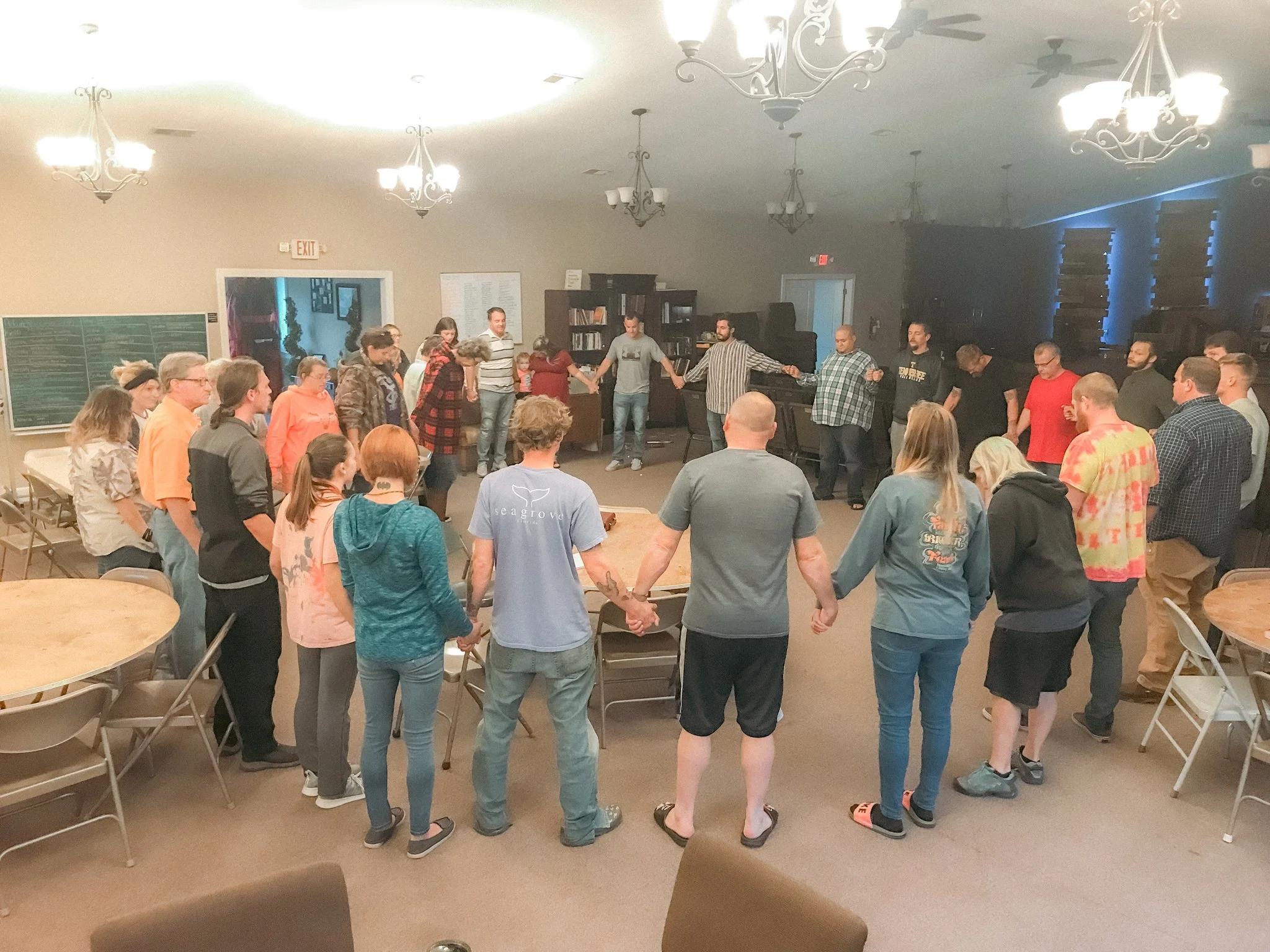
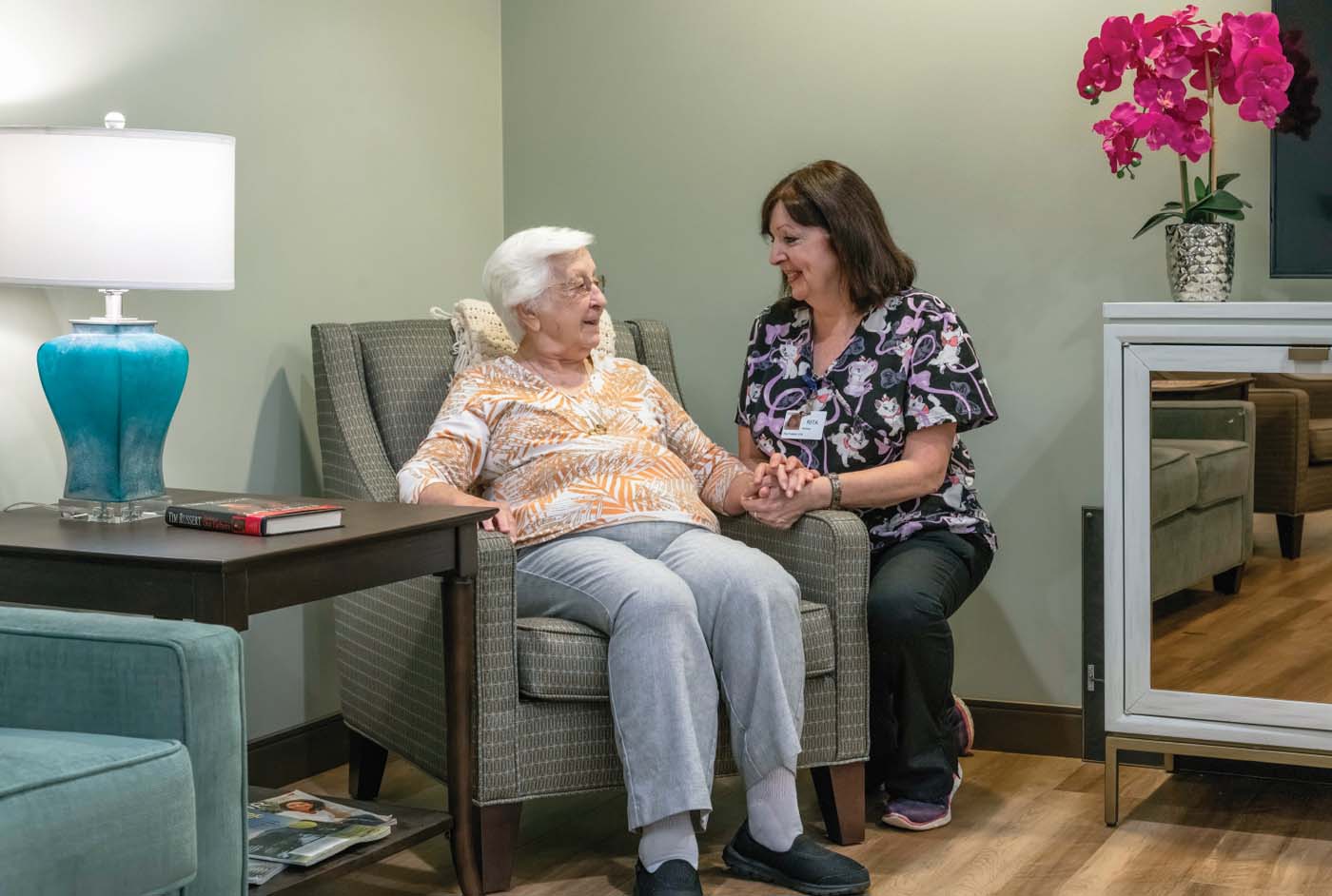
In many 2026 programs, this philosophy is manifested through "spiritual disciplines." These include structured prayer, meditation, and mentorship from religious leaders who have often overcome addiction themselves. This peer-to-peer mentorship is a cornerstone of the "worth" found in these centers. Unlike clinical settings where the relationship is strictly professional (doctor-patient), faith centers often foster a familial environment. This sense of belonging can be a powerful antidote to the isolation that typically characterizes chronic drug and alcohol use.
Clinical Integration: The Hybrid Model of 2026
One of the most important developments in the last several years is the "Professionalized Faith-Based Center." Historically, some religious programs were criticized for ignoring the biological realities of withdrawal and co-occurring mental health disorders (dual diagnosis). However, the most effective centers in 2026 have sought accreditation from bodies such as CARF (Commission on Accreditation of Rehabilitation Facilities) or the Joint Commission.
For a faith-based center to be truly worth the investment of time and money, it should ideally offer:
- Medically Supervised Detox: Ensuring the safety of the individual during the initial stages of withdrawal.
- Licensed Professional Counselors (LPCs): Spiritual guidance is supplemented by evidence-based therapies like Cognitive Behavioral Therapy (CBT) or Dialectical Behavior Therapy (DBT).
- Psychiatry Services: Managing underlying conditions like depression, bipolar disorder, or PTSD with appropriate medication.
The "worth" of a center increases exponentially when it does not force a choice between God and medicine. According to the National Institute on Drug Abuse (NIDA), effective treatment must address the whole person, and for many, the "whole person" includes a deeply held religious identity.
Comparing Costs: Clinical vs. Faith-Based Facilities
Financial feasibility is a major factor in determining if a rehab center is worth it. Secular private residential centers can cost anywhere from $20,000 to $60,000 per month. In contrast, many faith-based organizations are non-profits supported by church donations or religious grants, allowing them to offer services at a fraction of the cost—or even for free.
| Feature | Secular Clinical Rehab | Faith-Based Rehab (Non-Profit) | Hybrid Faith-Based (Private) |
|---|---|---|---|
| Primary Focus | Medical/Psychological | Spiritual/Scriptural | Integrated Bio-Psycho-Spiritual |
| Average Monthly Cost | $25,000 - $50,000 | $0 - $5,000 | $15,000 - $35,000 |
| Staffing | MDs, PhDs, LCSWs | Pastors, Mentors, Volunteers | MDs, LPCs, Spiritual Advisors |
| Insurance Acceptance | High (Private & Medicaid) | Low (Often self-pay or grant) | Moderate to High |
| Success Metric | Clinical Sobriety Stats | Spiritual Rebirth/Community | Holistic Functioning |
For families with limited financial resources, faith-based centers like Teen Challenge or the Salvation Army Adult Rehabilitation Centers (ARC) provide an invaluable lifeline. The "worth" here is measured in accessibility; if a person cannot afford a $30,000 clinical program, a faith-based program that accepts them regardless of their ability to pay is infinitely more valuable.
The Role of Community and Long-Term Support
The greatest challenge in addiction recovery is not achieving sobriety, but maintaining it. This is where faith-based centers often outperform their secular counterparts. Most clinical programs have a definitive "end date" (30, 60, or 90 days), after which the patient returns to their old environment with limited support.
Faith-based programs are typically integrated into a larger church or religious community. When a resident completes the program, they often have an immediate, ready-made support network of sober individuals who share their values. This "built-in" aftercare is a significant factor in preventing relapse. The Substance Abuse and Mental Health Services Administration (SAMHSA) emphasizes the importance of "Recovery Support Services," and faith communities are among the oldest and most stable providers of these services.
Furthermore, these centers often focus on "character building" and life skills. Residents may be required to work within the organization, learn a trade, or engage in community outreach. This helps rebuild the person’s sense of self-worth and agency, which are often destroyed by years of substance abuse.
Potential Drawbacks and Considerations
To provide a balanced perspective, it is necessary to acknowledge when a faith-based center might not be worth it.
- Theological Alignment: If the patient does not subscribe to the specific religion of the center, the "spiritual" aspect of the treatment can feel coercive or alienating. This can lead to resentment and early exit from the program.
- Lack of Medical Depth: Some smaller, independent faith centers still rely solely on prayer to treat chemical imbalances. For someone with severe opioid use disorder or a high risk of alcohol withdrawal seizures, a center without 24/7 medical staff is not safe and, therefore, not worth the risk.
- Shame-Based Approaches: While rare in 2026, some older religious models may use shame or "sin-based" rhetoric to address addiction. Modern psychological research shows that shame is a primary driver of relapse, so centers that utilize this approach should be avoided.
Evidence and Success Rates
Measuring "success" in rehab is notoriously difficult. However, studies on programs like Teen Challenge have historically shown high rates of long-term sobriety among graduates. A major factor cited in research, such as that found in the Journal of Religion and Health, is that spirituality acts as a "buffer" against stress.
By 2026, data suggests that individuals who participate in religious or spiritual activities during and after rehab have a 15% to 25% higher chance of remaining sober at the two-year mark compared to those who do not engage in any form of spiritual or communal aftercare. This statistical advantage is a strong indicator of the "worth" of these programs for those open to their message.
Professional Advice and Limitations
Disclaimer: Addiction treatment is a medical and psychological necessity. This article provides general information and should not replace the advice of a healthcare professional. If you or someone you know is in immediate danger, please contact local emergency services or a dedicated crisis hotline.
When evaluating a specific center, always ask for their accreditation status and their policy on Medication-Assisted Treatment (MAT), such as Suboxone or Vivitrol. A center that refuses to allow medically necessary prescriptions may not be following the most current safety guidelines for 2026.
Frequently Asked Questions
Do you have to be religious to go to a faith-based rehab?
While you do not always have to be a practicing member of the faith, most centers require a willingness to participate in religious services and study. If you are staunchly atheistic or find religious language triggering, you may find the program less effective. However, many centers welcome "seekers" who are open to exploring spirituality as part of their recovery.
Are faith-based rehabs regulated like hospitals?
It depends on the state and the type of facility. If the center offers medical detox or clinical therapy, it must be licensed by the state's department of health or behavioral health. However, some "discipleship programs" that do not provide medical services operate under religious exemptions. Always check if the facility is accredited by CARF or The Joint Commission to ensure a high standard of care.
Does insurance cover faith-based rehabilitation?
Many private faith-based centers that employ licensed medical staff do accept private insurance. However, smaller non-profit or church-run "residential homes" may not, as they are not coded as medical facilities. In 2026, an increasing number of programs are becoming "hybrid" to allow families to utilize their insurance benefits.
What is the success rate of faith-based rehab vs. secular rehab?
Success rates vary wildly depending on how "success" is defined (e.g., 30 days sober vs. 5 years sober). Generally, faith-based programs report higher subjective well-being and lower relapse rates if the person completes the program and remains active in the religious community. The key variable is the "supportive community" factor rather than the theological doctrine alone.
Can faith-based rehab help with dual diagnosis (mental health)?
Only if they have licensed psychiatric staff on-site. If a center claims to treat "depression" or "anxiety" solely through prayer, it is likely not equipped to handle a true dual diagnosis. For "worth" and safety, ensure the center has a psychiatrist or psychiatric nurse practitioner who can manage mental health medications.
Final Recommendation: Is It Worth It?
A faith rehabilitation center is worth it if the individual's personal values align with the program's spiritual framework and if the facility does not compromise on medical safety. For those seeking a deep sense of community and a moral "reset," these centers provide a level of emotional and social support that many clinical facilities struggle to replicate.
Before committing, perform a "site visit" (virtually or in person). Verify their clinical credentials, speak with alumni, and ensure their approach to mental health is modern and compassionate. If the center offers a path to both spiritual peace and biological stability, it is one of the most cost-effective and life-changing investments a person can make.