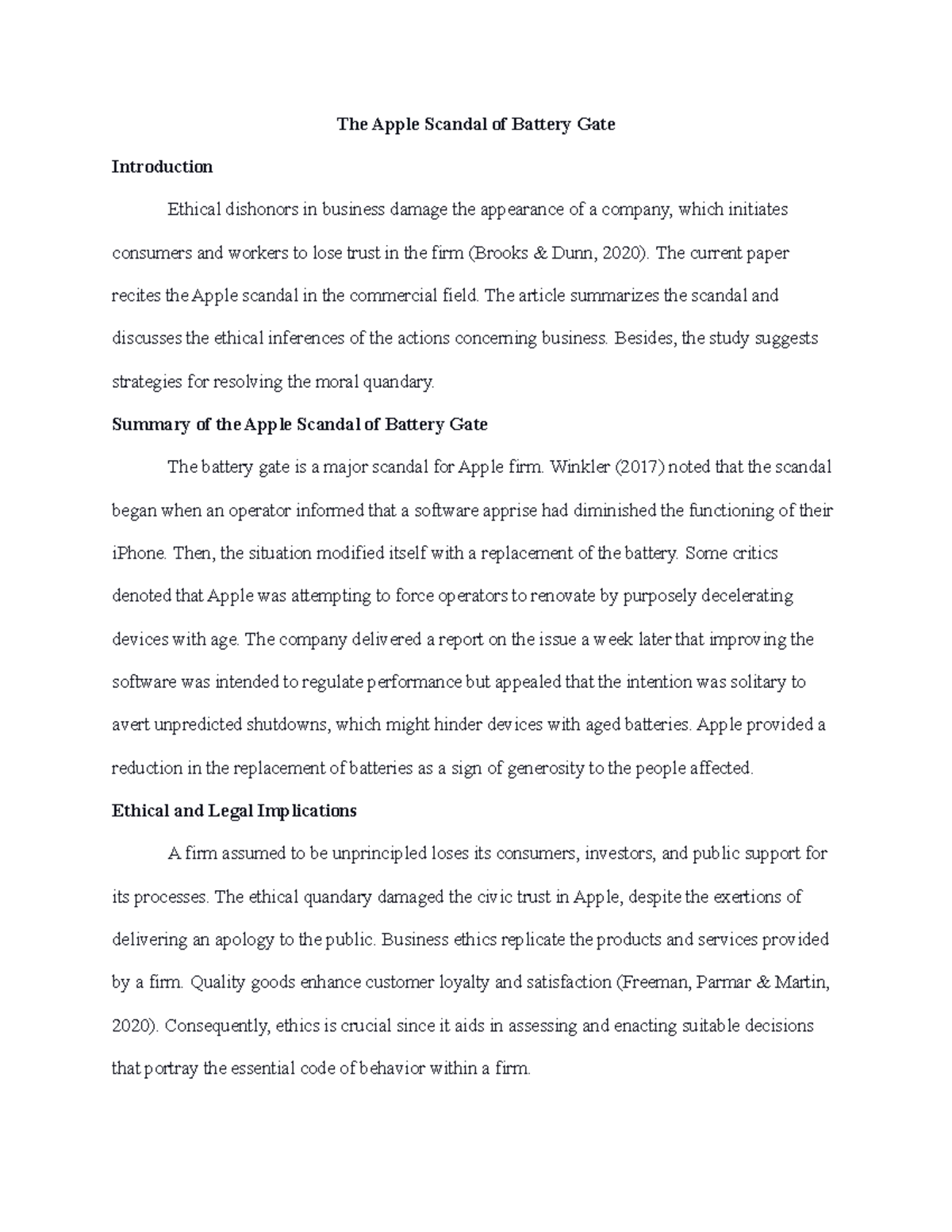
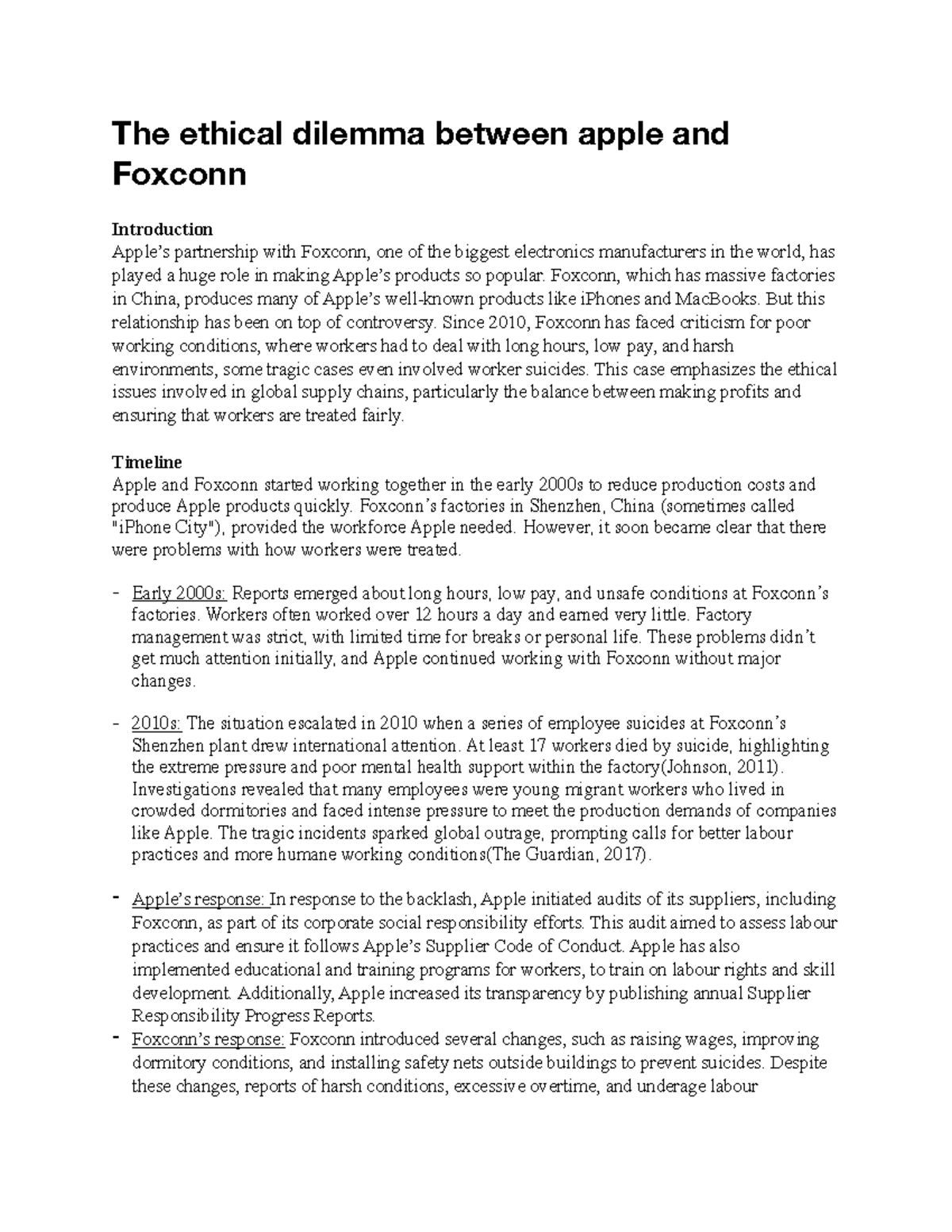
Determining whether Apple is an ethical company requires a nuanced examination of its corporate governance, environmental impact, supply chain labor practices, and data privacy policies. While the corporation consistently leads in renewable energy initiatives and hardware security standards, it simultaneously faces ongoing scrutiny regarding labor conditions in its international assembly facilities and concerns regarding its market power and App Store ecosystem.
The Complexity of Corporate Ethics in Technology
The term "ethical" carries significant weight when applied to a multinational corporation of Apple's scale. In the context of 2026, ethics for a technology giant is not a binary status but a spectrum involving environmental stewardship, human rights in global supply chains, data protection, and market competition.
Ethical frameworks in business often weigh "intent" versus "impact." Apple’s public-facing commitments, such as its "Apple 2030" goal to reach net-zero greenhouse gas emissions across its entire business, manufacturing supply chain, and product life cycle, represent a massive undertaking. However, these commitments are frequently countered by critics who focus on the "right to repair," the environmental footprint of frequent device cycles, and the ethical implications of operating in jurisdictions with poor human rights records.
Environmental Stewardship and Sustainability
Apple has positioned itself as an industry leader in environmental sustainability. The company’s focus on recycled materials, energy efficiency, and carbon neutrality serves as its most visible ethical pillar.
- Carbon Neutrality: As of 2026, Apple has achieved carbon neutrality for its corporate operations. The company is currently working to address the "scope 3" emissions—those generated by its suppliers and the electricity used by its customers.
- Recycled Materials: Apple has set ambitious goals to eliminate plastics from its packaging and utilize 100% recycled or renewable materials in key components like gold, cobalt, and rare earth elements.
- The Circular Economy: Through its Trade-In programs and automated disassembly robots like "Daisy," Apple attempts to recover valuable materials from end-of-life devices. This is a critical ethical step in reducing the global electronic waste (e-waste) epidemic.
However, from an ethical standpoint, the company’s insistence on proprietary designs complicates the repairability of its devices. While the "Self Service Repair" program exists, critics argue that the company's historical stance against independent repair shops and consumers performing their own repairs contradicts the spirit of a sustainable, long-term product lifecycle.
Supply Chain Labor and Human Rights
The most significant ethical challenge for any company managing a global supply chain is ensuring that workers at every level are treated with dignity, paid fair wages, and work in safe conditions. Apple publishes an annual Supplier Responsibility Progress Report, which acts as a primary source for verifying its adherence to these standards.
Auditing and Oversight
Apple employs a rigorous auditing process for its suppliers. This includes:
- Code of Conduct: Every supplier must sign the Apple Supplier Code of Conduct, which mandates specific requirements for labor, health, safety, and environmental protection.
- Unannounced Audits: Apple frequently conducts unannounced, third-party audits to verify compliance.
- Remediation: When violations are discovered—such as underage labor or excessive overtime—the company claims to enforce remediation plans, which can range from retraining to termination of the partnership.
Despite these measures, the company is frequently subject to allegations regarding the treatment of workers in assembly plants. The challenge lies in the sheer volume of Apple's supply chain, which spans millions of workers across multiple continents. Skeptics argue that while Apple has the best auditing program in the electronics industry, the inherent pressures of producing high-volume, precision-engineered hardware in short windows often lead to systemic labor issues that audits cannot fully capture.
Data Privacy as a Core Ethical Pillar
In an era where personal data is the primary commodity of the digital economy, Apple has staked its reputation on privacy as a "fundamental human right." This is a significant differentiator between Apple and many of its peers in Big Tech.
- On-Device Processing: Unlike competitors who rely on cloud-based processing for AI and Siri, Apple prioritizes on-device processing to ensure that sensitive user data does not leave the hardware.
- App Tracking Transparency (ATT): Introduced to give users control over how apps track their activity across other companies' apps and websites, this feature disrupted the digital advertising industry. Ethically, this supports user autonomy, although competitors often characterize it as a move to consolidate Apple’s own advertising power.
- End-to-End Encryption: The implementation of end-to-end encryption for iCloud backups and iMessage is generally viewed as a positive ethical stance, protecting users from third-party interception and government surveillance.
While these measures are technically robust, they are not without controversy. In certain global markets, Apple has had to make concessions regarding where data is stored to comply with local laws. Balancing the protection of user privacy with the requirement to operate within the legal frameworks of various countries remains one of the most complex ethical dilemmas the company faces.
Market Conduct and the App Store Controversy
An ethical company is expected to engage in fair market competition. Apple’s control over the App Store, which serves as the exclusive gateway for software distribution on iOS, has triggered intense legal and regulatory scrutiny in the European Union, the United States, and other jurisdictions.
The core ethical dispute involves "gatekeeper" power. App developers argue that Apple’s commission structures (often called the "Apple Tax") and its ability to prioritize its own services stifle innovation and competition. Apple maintains that its control is necessary to ensure the security, privacy, and quality of the ecosystem. Whether a company is "ethical" when it exerts this degree of control over a platform that has become an essential utility for modern life is a point of ongoing debate.
Comparison of Ethical Profiles
| Area of Concern | Apple’s Approach | Criticism/Ethical Gap |
|---|---|---|
| Environmental | Carbon neutral operations; recycled materials. | Proprietary repair restrictions. |
| Labor | Strict supplier code of conduct; annual auditing. | Scale of supply chain makes oversight difficult. |
| Privacy | On-device processing; privacy as a "fundamental right." | Compliance with international data storage laws. |
| Market Power | Curated ecosystem for safety and quality. | High commission fees; potential anti-competitive behavior. |
Practical Steps for Consumers to Evaluate Corporate Ethics
If you are a consumer attempting to make ethical purchasing decisions regarding Apple products, consider the following actions:
- Utilize Official Transparency Reports: Review the Apple Supplier Responsibility Progress Report and Environmental Progress Report. These are published annually by Apple and provide the most direct, verified data on their current initiatives.
- Evaluate Long-Term Utility: To mitigate the environmental impact of device consumption, prioritize the longest possible ownership cycle. Use Apple’s trade-in or recycling programs to ensure devices are handled responsibly at the end of their life.
- Engage with Repair Programs: If you are capable of minor repairs, review the official Self Service Repair manual and tool requirements. Using these programs supports the trend toward increased repairability.
- Monitor Regulatory Action: Keep track of major antitrust lawsuits and privacy regulations, such as the EU's Digital Markets Act (DMA). These legal filings often reveal internal corporate communications and policies that are otherwise inaccessible to the public.
Frequently Asked Questions
Does Apple use child labor in its supply chain?
Apple maintains a strict "zero tolerance" policy for underage labor. While the company monitors its suppliers through regular audits, it has historically identified isolated instances of non-compliance. In these cases, Apple mandates that the supplier pays for the worker's education, provides continued wages, and eventually offers the worker their job back upon reaching the legal age.
Is Apple truly a "carbon neutral" company?
Apple's corporate operations—including offices, data centers, and retail stores—are currently carbon neutral. The company is actively working to reach carbon neutrality for its entire product life cycle by 2030, which includes the manufacturing of components by third-party suppliers and the electricity used by customers when charging their devices.
Why is there controversy over the App Store?
The controversy stems from the "walled garden" approach. Because Apple requires apps to be distributed through its store, it has the power to set rules, charge commissions (typically 15%–30%), and block competing services. Critics argue this represents an abuse of market power, while Apple argues it is a necessary mechanism to prevent malware and ensure a seamless user experience.
Does Apple protect my privacy better than other tech companies?
Apple’s business model is primarily focused on hardware and services rather than advertising, which aligns its incentives with user privacy. Features like App Tracking Transparency and on-device data processing provide a higher baseline of privacy for the average user compared to companies whose primary revenue comes from tracking and profiling users for advertisers.
How can I verify Apple’s claims about its supply chain?
You can look at independent assessments from organizations like the Fair Labor Association (FLA), which has historically worked with Apple to assess its supply chain. Additionally, tracking international news reports and regulatory disclosures provides a broader perspective than marketing materials alone.
Conclusion and Next Actions
The perception of Apple as an ethical company is largely determined by which criteria an individual values most. For those who prioritize data privacy and environmental sustainability in manufacturing, Apple often ranks highly among global corporations. For those who prioritize market competition and the right to repair hardware without manufacturer intervention, the company’s policies often fall short of an ideal ethical standard.
To make an informed decision, do not rely solely on the company’s marketing. Instead, regularly cross-reference the Apple Environmental Progress Report with reports from independent technology regulators and labor rights organizations. When purchasing, choose products that you intend to use for as long as possible and utilize the company’s own trade-in programs to ensure your hardware is recycled through secure, official channels.