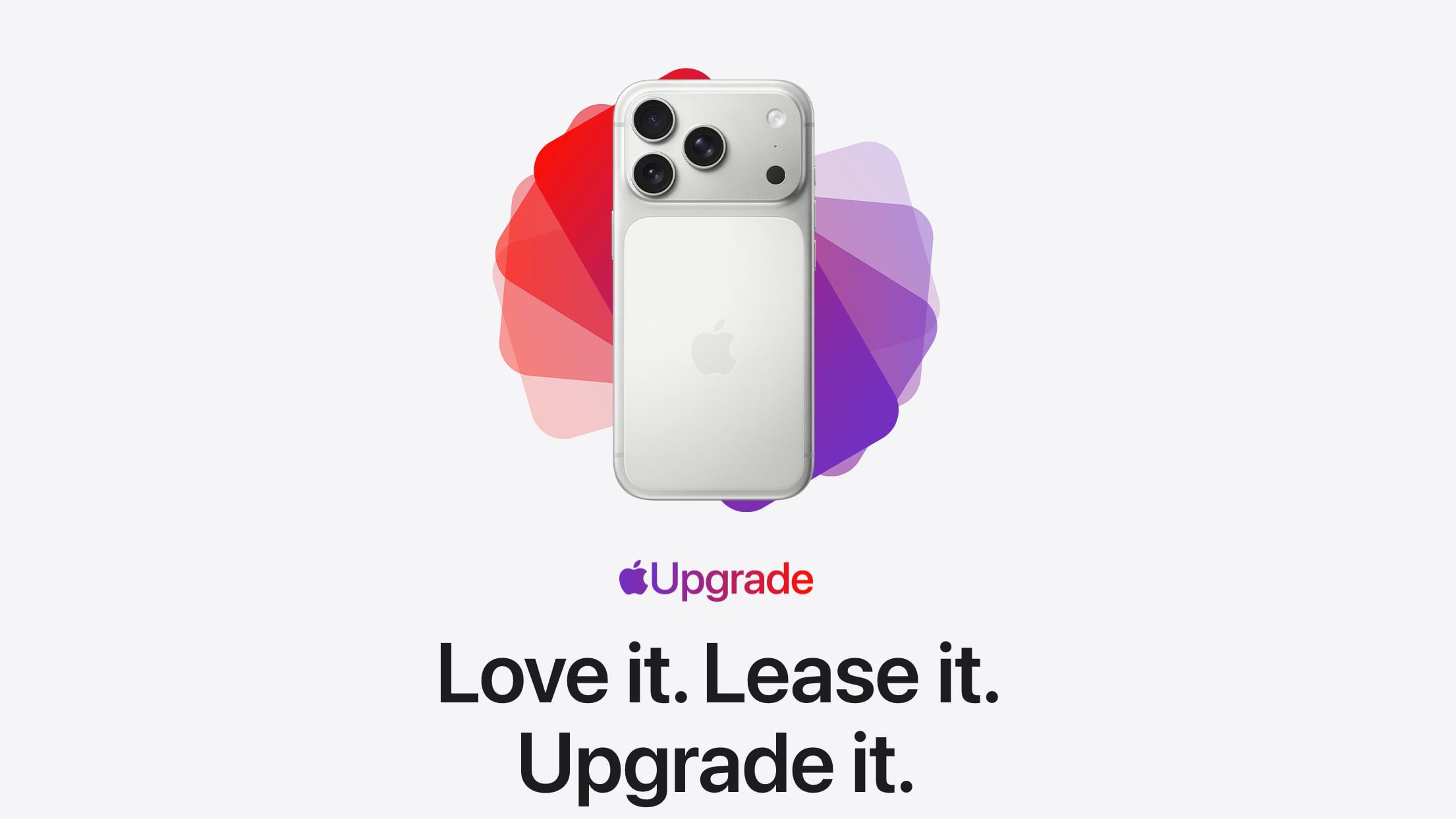
Apple iPhone leasing, formally managed through the Apple iPhone Upgrade Program and various carrier-based financing plans, allows consumers to spread the cost of a new device over 24 months. These programs combine the purchase of hardware with integrated AppleCare+ coverage, enabling users to upgrade their device annually while maintaining a consistent monthly payment structure.
Understanding the Mechanics of iPhone Leasing
When you choose to "lease" an iPhone, you are essentially entering into a retail installment contract. While colloquially referred to as leasing, these agreements are structured as interest-free loans provided by financial partners—such as Citizens Bank in the United States—on behalf of Apple or your chosen wireless carrier.
The core premise is to decouple the high upfront cost of a premium smartphone from the user experience. Instead of paying the full retail price (often exceeding $1,000 for Pro models) at the point of sale, the cost is amortized over a two-year period. Crucially, these programs are designed to facilitate an upgrade cycle. Once you have completed 12 payments—which accounts for 50% of the device's value—you become eligible to trade in your current handset, effectively clearing the existing loan and starting a new agreement for the latest model.
Prerequisites and Eligibility Requirements
Participating in an iPhone financing program requires meeting specific financial and technical criteria. Because these arrangements involve credit extensions, providers will perform a credit check during the application process.
- Credit Approval: A soft pull or hard inquiry on your credit report is standard. Approval depends on your credit history, debt-to-income ratio, and internal scoring models used by the financial partner.
- Active Wireless Service: You must have an active, post-paid wireless plan with a supported carrier. Prepaid or "pay-as-you-go" plans generally do not qualify for the standard iPhone Upgrade Program, though some carrier-specific financing options may offer more flexibility.
- Identification: Valid government-issued photo identification is required to verify your identity.
- Payment Method: You must provide a valid credit or debit card for the automatic monthly billing cycle.
Comparing Apple Upgrade Program vs. Carrier Financing
Consumers often face a choice between Apple’s proprietary program and the financing options provided directly by cellular carriers (e.g., AT&T, Verizon, T-Mobile). Understanding the trade-offs is essential for long-term budget planning.
Apple iPhone Upgrade Program
The primary advantage here is the inclusion of AppleCare+ as a mandatory component. This provides comprehensive hardware repair, accidental damage coverage, and technical support directly from the manufacturer. Because the program is carrier-agnostic, the phone is sold unlocked, meaning you can switch providers without needing to settle the device balance.
Carrier-Specific Financing
Carrier plans often include promotional incentives, such as "bill credits" for trading in an older device or signing up for premium service tiers. However, these credits are usually spread out over the entire 24 or 36-month term. If you choose to upgrade early or switch carriers, you often forfeit the remaining promotional credits, which can lead to a significant "balloon payment" or loss of value. Furthermore, carrier-financed devices may be "SIM-locked" to that provider until the entire balance is paid off.
| Feature | Apple iPhone Upgrade Program | Carrier Financing Plans |
|---|---|---|
| Unlocked Device | Yes, by default | Usually locked until paid off |
| AppleCare+ | Included in monthly fee | Optional (additional cost) |
| Upgrade Eligibility | After 12 payments | Varies by offer (often 18-24 mos) |
| Financial Partner | Citizens Bank | Internal or third-party bank |
| Carrier Flexibility | Total freedom to switch | Often tied to specific plans |
Financial Implications and Cost Considerations
It is a common misconception that leasing an iPhone is a method to "save" money. In reality, it is a method to manage cash flow. The total cost of ownership is often higher if you participate in annual upgrades compared to keeping a device for three or more years.
Consider the following factors before committing:
- Sales Tax: In most jurisdictions, you are required to pay the full sales tax on the device value upfront at the time of purchase, even if the device cost itself is spread out.
- The "Locked-in" Effect: By entering a financing agreement, you commit to a monthly financial obligation. If your financial situation changes, defaulting on these payments can negatively impact your credit score.
- The True Cost of AppleCare+: While included, the monthly fee is higher because it bundles insurance. If you are a careful user who rarely experiences damage, you might find that buying the phone outright and skipping insurance is cheaper, though this removes the safety net for catastrophic screen or liquid damage.
Operational Steps: Applying and Getting Started
Whether applying through the Apple Store website, the Apple Store app, or in-person at a retail location, the process is streamlined to prioritize speed.
- Check Eligibility: Before visiting a store, use the Apple website to pre-approve your eligibility. This reduces wait times and confirms whether your current credit standing allows for a new installment loan.
- Select Device and Carrier: Choose your model, storage capacity, and carrier. Ensure you have your wireless account credentials handy, as you will need to authenticate your carrier account during the checkout process.
- Complete the Loan Application: You will be directed to the portal of the financial partner. Provide the necessary personal and financial information. Approval decisions are typically rendered in seconds.
- Set Up Payments: Link your primary payment method. Monthly installments are automated; manual payments are usually not required unless you wish to pay off the balance early.
Troubleshooting and Ongoing Management
Once you are enrolled in a financing program, your device is managed through your Apple ID and the financial institution's portal.
- Payment Issues: If a payment fails, the financial partner will usually notify you via email. Ensure your card details are up-to-date to avoid late fees or credit reporting issues.
- The Upgrade Process: When you hit the 12-month mark, Apple will notify you of your eligibility. You can initiate the upgrade online or visit an Apple Store. You will be required to return your current device in good condition. If the device is damaged beyond the scope of AppleCare+, you may be charged repair fees before the trade-in can be finalized.
- Early Termination: You can pay off the loan in full at any time to remove the financial obligation and gain full ownership of the device. This is often recommended if you plan to sell the device privately rather than trading it in through the Apple program.
Frequently Asked Questions
Can I lease an iPhone if I have bad credit? Eligibility is determined by the financial partner, not Apple. While they do not publish a minimum credit score requirement, applicants with poor credit history are more likely to be denied or asked to provide a larger down payment.
What happens if I lose my iPhone? Standard iPhone leasing programs include AppleCare+, but this covers accidental damage and hardware failure—not theft or loss. If you lose your phone, you are still responsible for the remaining balance on your loan. Some versions of AppleCare+ offered in specific regions do include theft and loss coverage; verify your specific policy details.
Is it cheaper to finance through Apple or my carrier? Financing through Apple is generally more expensive month-to-month because it includes the cost of insurance. Carrier plans often look cheaper because they exclude insurance and may offer aggressive, temporary discounts. Use a total-cost-of-ownership calculator to compare the price over 24 months, including insurance, to find the true difference.
Can I return the phone if I change my mind? Yes, Apple has a standard 14-day return policy for devices purchased through their financing programs. If you return the device within this window, the loan agreement is canceled, and any payments made are refunded.
Do I own the phone? Technically, the financial institution holds a security interest in the phone until the loan is fully paid off. Once the 24 months of payments are complete, the device is yours to keep, sell, or trade in.
Final Recommendation
If you prioritize having the latest technology every year and want the security of integrated insurance, the Apple iPhone Upgrade Program is the most efficient, transparent path. However, if your goal is to minimize costs, buying a device outright or opting for a longer-term carrier plan with promotional trade-in incentives may be more fiscally prudent. Before signing, ensure your monthly budget can accommodate the installment payments for the duration of the term, regardless of your future upgrade intentions.