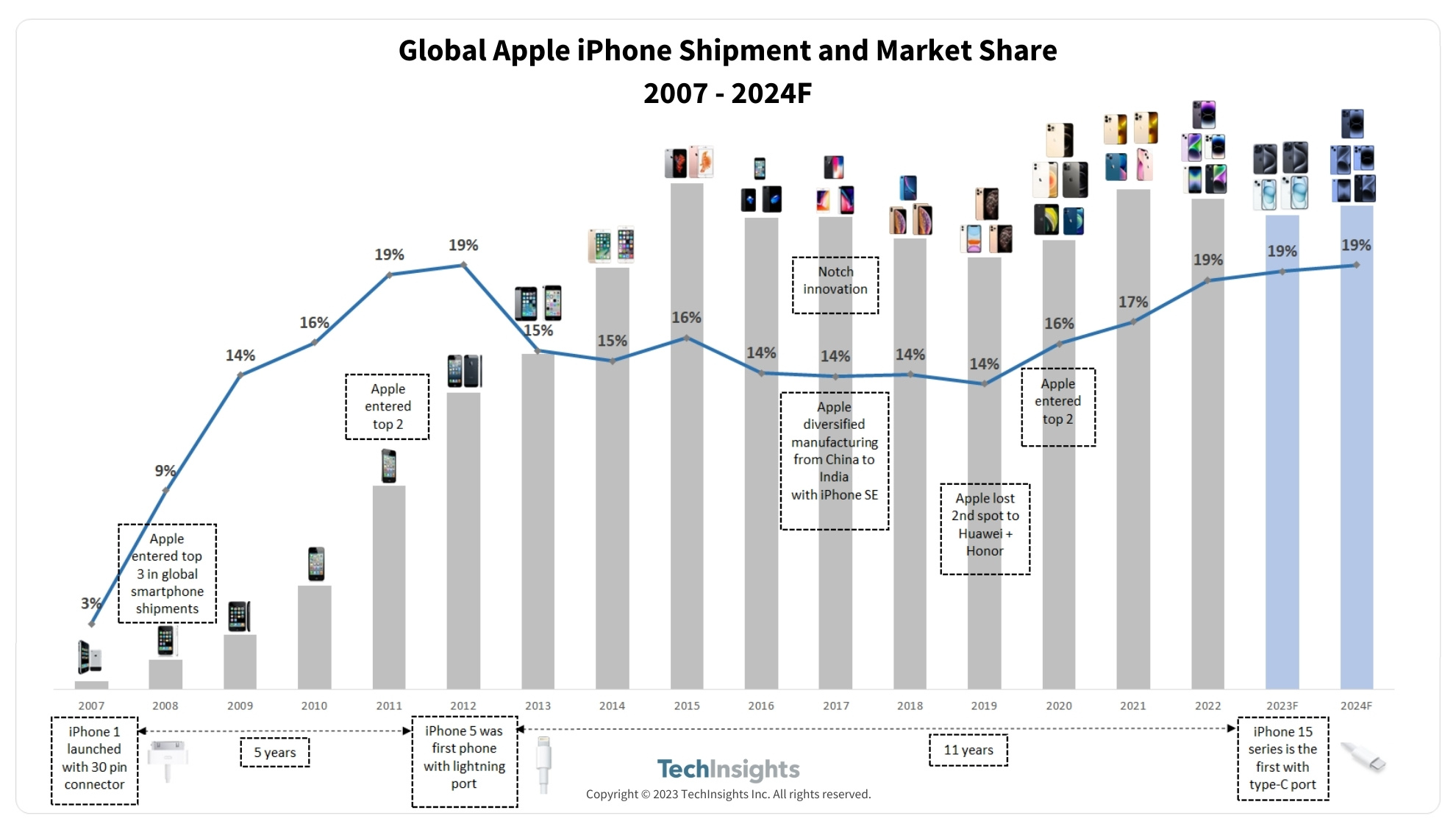
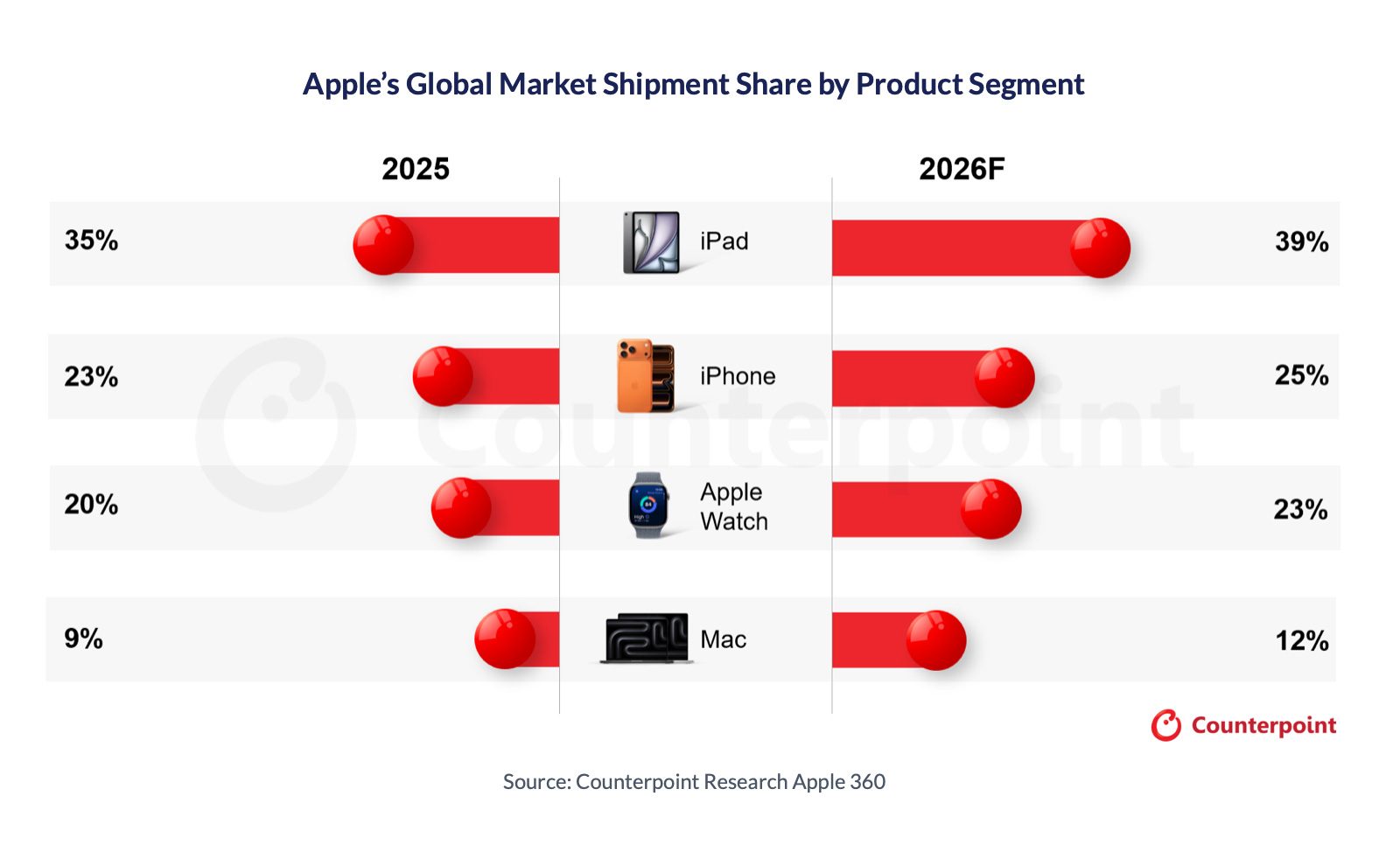
Apple’s position in the United States mobile market continues to define the industry landscape in 2026, characterized by a persistent lead in smartphone ownership. Driven by a robust ecosystem, high customer retention rates, and the premium positioning of the iPhone, Apple consistently maintains a majority share of active smartphone users in the United States, effectively setting the standard for hardware-software integration.
Understanding the Landscape of US Smartphone Dominance
To comprehend why Apple’s market share in the US remains dominant, one must look beyond simple unit sales figures. Market share is measured in two primary ways: active installed base and quarterly shipment volume. While quarterly shipments can fluctuate based on new product launch cycles, the active installed base—the actual number of people using an iPhone daily—provides a more accurate representation of consumer loyalty and market penetration.
As of 2026, Apple holds a market share that places it comfortably ahead of the collective of manufacturers utilizing the Android operating system. This dominance is not merely a result of hardware specifications; it is the culmination of long-term strategic decisions, including the development of a vertically integrated software ecosystem and the cultivation of an aspirational brand identity.
The Role of the Ecosystem
The "walled garden" approach is the cornerstone of Apple’s market longevity. By controlling both the hardware (iPhone) and the software (iOS), Apple ensures a seamless user experience that is difficult to replicate. Features like iMessage, AirDrop, and iCloud synchronization create a "stickiness" that discourages users from switching to competing platforms. Once a consumer is integrated into this ecosystem—often owning a Mac, iPad, or Apple Watch—the cost of switching to an Android device becomes significantly higher in terms of both lost convenience and the need to replace peripheral services.
Factors Sustaining Market Leadership
Several distinct factors have enabled Apple to maintain its dominant position in the US market over the last decade. These factors are not static; they have been reinforced by consistent investment in design, privacy, and retail presence.
1. High Customer Retention and Loyalty
Apple benefits from one of the highest customer loyalty rates in the technology sector. The "Apple User" demographic typically exhibits high brand affinity. When an iPhone owner is ready for a device upgrade, the statistical likelihood that they will purchase another iPhone is significantly higher than that of users transitioning between different Android manufacturers. This cycle of renewal is a vital component of maintaining a dominant market share.
2. Retail and Service Integration
The Apple Store remains a pivotal asset. Unlike competitors who rely heavily on third-party carrier retail or generic electronics stores, Apple’s direct-to-consumer model allows the company to control the entire purchasing journey. From technical support at the Genius Bar to personalized setup services, the physical retail footprint reinforces brand value and builds trust, which in turn fuels long-term market share.
3. Positioning as a Premium Utility
By consistently positioning the iPhone as a premium, high-value asset, Apple avoids the "race to the bottom" that characterizes lower-tier smartphone markets. Even during periods of economic uncertainty, the perceived value of an iPhone—driven by high resale prices, long-term software support, and security—sustains consumer demand.
Comparative Market Dynamics
Understanding Apple’s position requires comparing it against the broader Android landscape. While Android comprises a vast array of manufacturers (such as Samsung, Google, and Motorola), Apple operates as a singular entity.
| Metric | Apple (iPhone) | Android (Collective) |
|---|---|---|
| Operating System | Proprietary (iOS) | Open Source (Android) |
| Hardware Control | Full (Vertical) | Fragmented (Horizontal) |
| Software Updates | Unified, long-term | Varies by manufacturer |
| Market Primary Focus | Premium / Mid-to-High | All segments (Entry to Ultra) |
This table illustrates the fundamental difference in market strategy. Apple’s dominance is bolstered by its ability to push updates to almost its entire active user base simultaneously, whereas Android updates are dependent on individual manufacturer schedules and carrier approvals.
The Impact of Privacy and Security
In recent years, privacy has shifted from a technical feature to a primary marketing pillar for Apple. By integrating privacy-centric features—such as App Tracking Transparency and on-device data processing—Apple has successfully differentiated itself from competitors whose business models are more reliant on advertising and data mining. For many US consumers, the perception that an iPhone is more "secure" or "private" is a decisive factor in their purchasing intent, further cementing Apple’s market position.
Challenges to Sustained Dominance
While Apple’s market share in the US remains dominant, the company faces persistent pressures that require constant adaptation.
- Regulatory Scrutiny: Antitrust investigations concerning the App Store, digital payment systems, and the "walled garden" ecosystem have increased. Any legislative changes that force Apple to open its ecosystem could theoretically lower the barriers for users to leave.
- Market Saturation: The US smartphone market is largely mature. Growth is no longer driven by first-time buyers but by replacement cycles. Increasing the length of time users keep their phones (the "refresh cycle") poses a challenge to maintaining market share growth.
- Technological Parity: Competitors have made significant strides in hardware, particularly in camera technology, display innovation, and foldable form factors. While Apple’s brand strength keeps it at the top, the technological gap between flagship iPhones and top-tier Android devices has narrowed.
Frequently Asked Questions
Why is Apple’s market share so high in the US compared to other countries?
Apple’s dominance in the US is largely attributed to carrier partnerships and the prevalence of financing programs that make premium devices more accessible. Additionally, cultural factors and the deep integration of iMessage have created a powerful network effect that is less pronounced in many international markets.
Does Apple’s market share fluctuate based on new iPhone releases?
Yes, Apple’s market share typically spikes in the fourth quarter of each year following the annual September product launch. The influx of new devices creates a "seasonal" shift, but the overall trend line remains stable due to the company's high retention rates.
Are there segments where Apple does not dominate?
Apple generally commands the premium and high-end segments. It is less dominant in the "budget" or entry-level smartphone market, where Android devices dominate due to lower price points and a wider variety of hardware options from multiple manufacturers.
How does the secondary market affect Apple’s market share?
The secondary (resale) market for iPhones is massive and highly organized. Because iPhones hold their value better than most smartphones, they remain in use longer, often passing through multiple owners. This keeps a high volume of iPhones in active circulation, which contributes to Apple’s persistent dominance in the active installed base.
What is the primary reason users switch to iPhone?
Consumer research indicates that ecosystem integration (syncing with Mac or iPad) and the simplicity of the iOS interface are the most cited reasons for switching to an iPhone, followed closely by the desire for iMessage and high-quality camera integration.
Recommendation for Consumers and Professionals
For those analyzing the technology market, it is essential to monitor not just shipment numbers but the Total Addressable Market (TAM) and the Active Install Base. Apple’s dominance is anchored in the fact that its users stay with the brand for years, if not decades.
If you are a consumer deciding between platforms, prioritize your long-term needs rather than short-term hardware features. Consider which ecosystem—iOS or Android—better serves your existing workflow, storage needs, and device connectivity requirements. For professionals, recognizing the stability of Apple’s market position is key to understanding consumer behavior and the baseline for mobile development and digital marketing strategies in the United States for the foreseeable future.