The claim that the Apple iPhone was founded by Steve Jobs is a shorthand reference to his leadership as the visionary architect and project director who steered Apple from a computer-centric company to a mobile-computing powerhouse. While Apple Inc. was co-founded by Steve Jobs, Steve Wozniak, and Ronald Wayne in 1976, the iPhone itself was a product development project initiated in the mid-2000s under Jobs's direct oversight.
The Role of Steve Jobs in the Genesis of the iPhone
When discussing whether the Apple iPhone was "founded" by Steve Jobs, it is essential to distinguish between the founding of a corporation and the development of a specific consumer electronics product. Steve Jobs served as the CEO of Apple during the crucial period of the iPhone's conception, design, and market entry. He did not "found" the iPhone in the legal sense—as the iPhone is a product, not a company—but he is universally recognized as the driving force behind its creation.
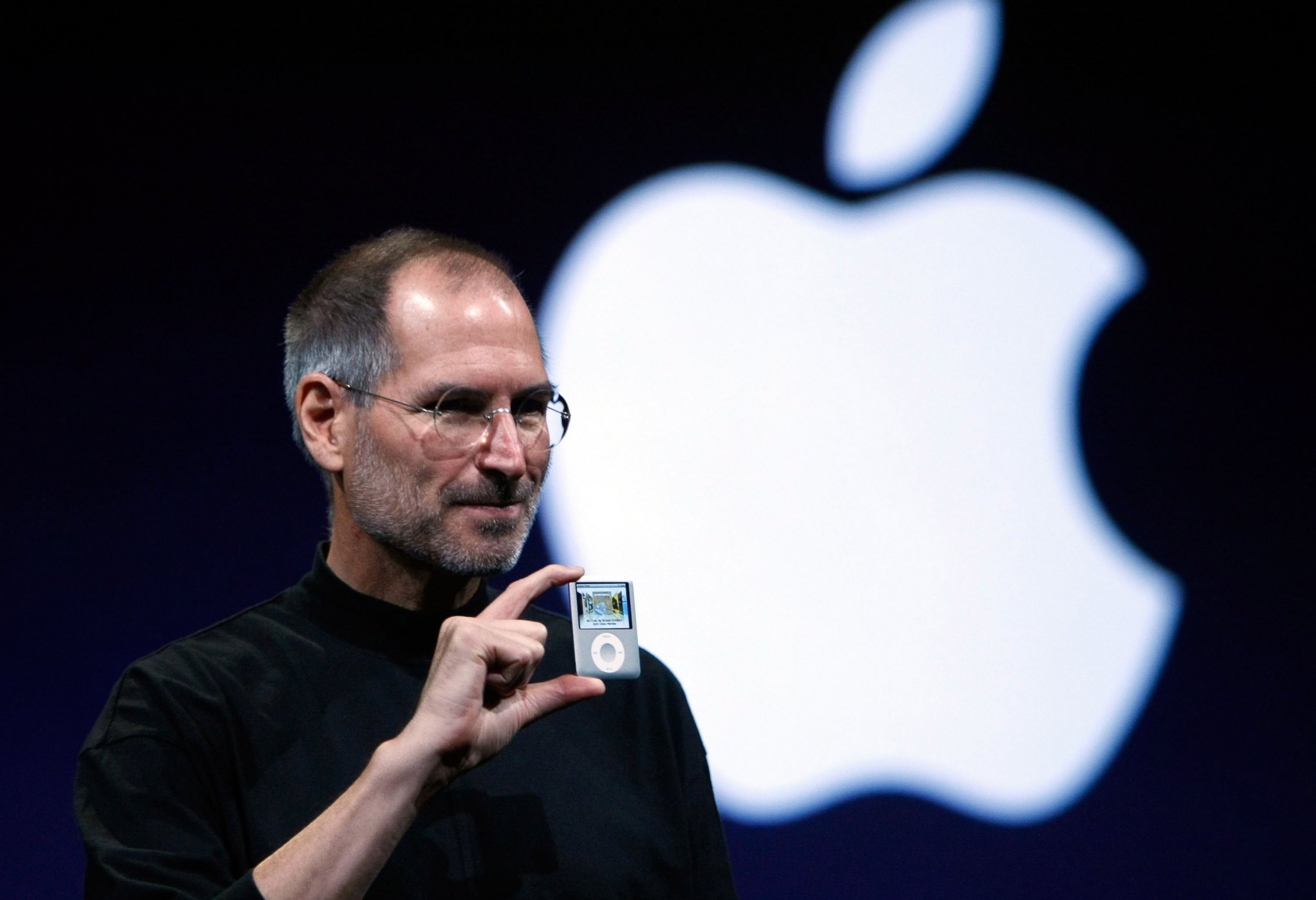
The project, internally codenamed "Project Purple," began in 2005. At that time, Jobs pushed the company to converge two distinct product lines that were already in the Apple ecosystem: the iPod, which was the company’s most successful portable device, and a cellular phone. Jobs famously recognized that the market was ripe for a device that could serve as a "three-in-one" tool: a widescreen iPod with touch controls, a revolutionary mobile phone, and a breakthrough internet communications device.
Jobs’s involvement was not merely executive; it was granular. He was intimately involved in the design philosophy, insisting on a touch-based interface that eschewed a physical keyboard, a radical departure from the industry standard dominated by BlackBerry and Nokia at the time. His vision for the user experience (UX) and the industrial design of the device necessitated a total shift in Apple’s internal workflows, bringing together engineers from the Mac division and the iPod division.
The Team Behind the Vision: Beyond the Founder
While Jobs provided the vision, the iPhone was the result of a massive collaborative effort involving Apple’s hardware, software, and design teams. Key figures played instrumental roles in translating Jobs's high-level concepts into a functional, marketable product.
Scott Forstall, then the head of iPhone software, was tasked with scaling down macOS to run on a mobile device, a feat many thought impossible at the time. Tony Fadell, often referred to as the "father of the iPod," managed the hardware development, ensuring that the components could fit into a sleek, pocketable chassis. Jonathan Ive, the head of industrial design, provided the aesthetic framework that would define the device’s physical appearance.
The "founding" narrative often simplifies the complex reality of how a major technology project comes to fruition. The iPhone required the integration of multi-touch technology—which Apple acquired and refined—and the development of a custom version of OS X. This process involved years of prototyping and internal debate, much of which was mediated or directed by Jobs. He served as the final arbiter of taste and functionality, ensuring the product met the "insanely great" standard he expected from Apple hardware.
Technological Precedents and Strategic Hurdles
To understand why the iPhone is so closely associated with Steve Jobs, one must consider the landscape of mobile technology in 2007. Before the iPhone, mobile phones were largely utilitarian tools with fragmented software experiences. Jobs sought to eliminate the reliance on carriers for software interfaces, a model he successfully negotiated with AT&T (then Cingular).
The following table summarizes the key components that made the initial iPhone a revolutionary departure from the existing market:
| Feature | Pre-iPhone Market Standard | The Apple Approach (2007) |
|---|---|---|
| Interface | Physical QWERTY keyboard / Stylus | Capacitive Multi-touch display |
| Operating System | Feature-phone OS / Symbian | Scaled-down desktop-class OS (iOS) |
| Internet | WAP (Wireless Application Protocol) | Full HTML rendering (Safari) |
| Navigation | D-pad / Trackball | Finger-based gestures (swipe/pinch) |
| Connectivity | Carrier-dominated software | Apple-controlled software ecosystem |
This transition was not without its critics. Many industry analysts in 2007 questioned the viability of a touchscreen-only device with no physical keyboard. Jobs’s ability to defend the product's design philosophy against these industry skeptics cemented his role as the primary architect of the iPhone's success. He championed the idea that the hardware should disappear in favor of a fluid, intuitive software experience, a mantra that continues to influence Apple’s design language in 2026.
The Legacy of 2007: Shaping the Modern Smartphone
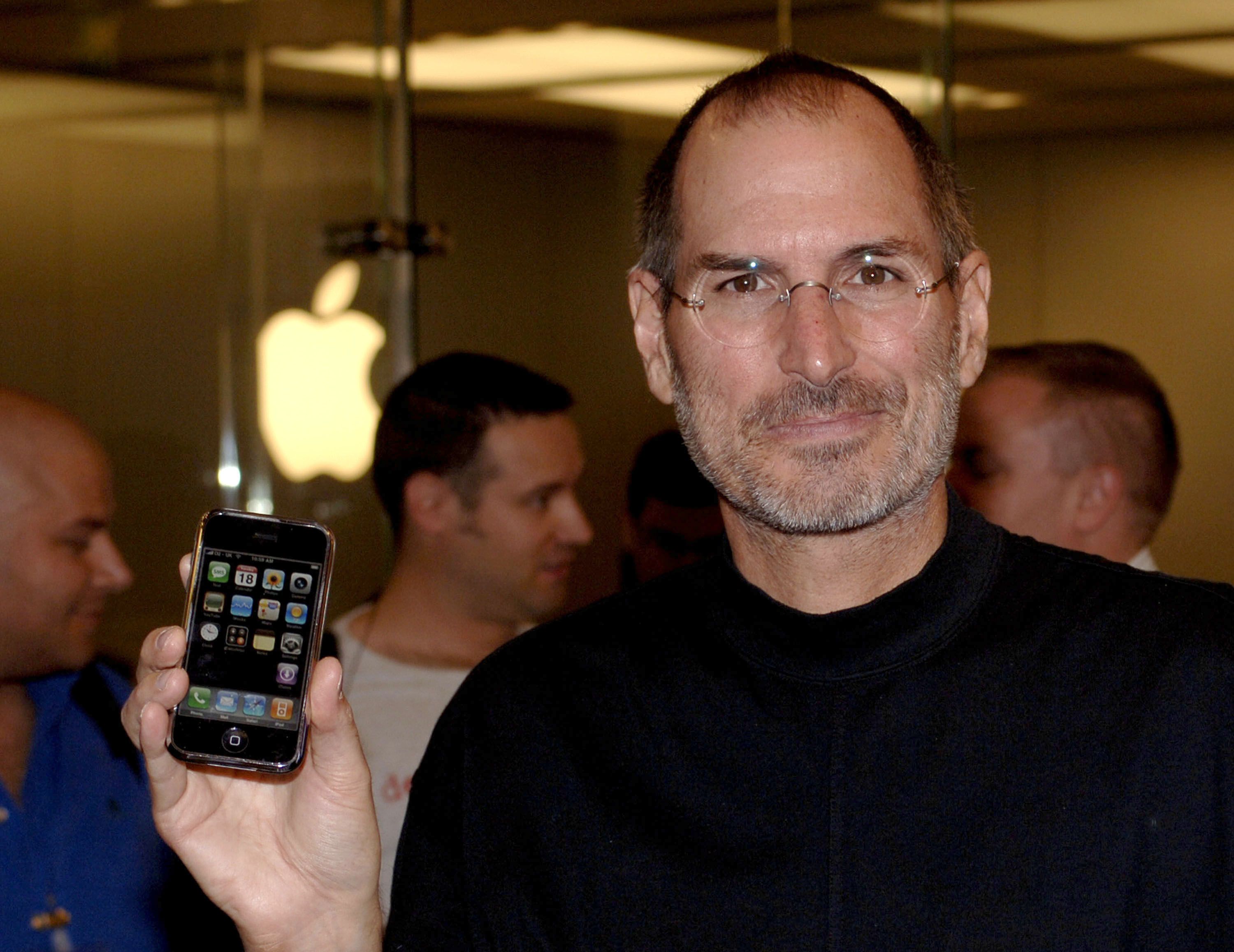
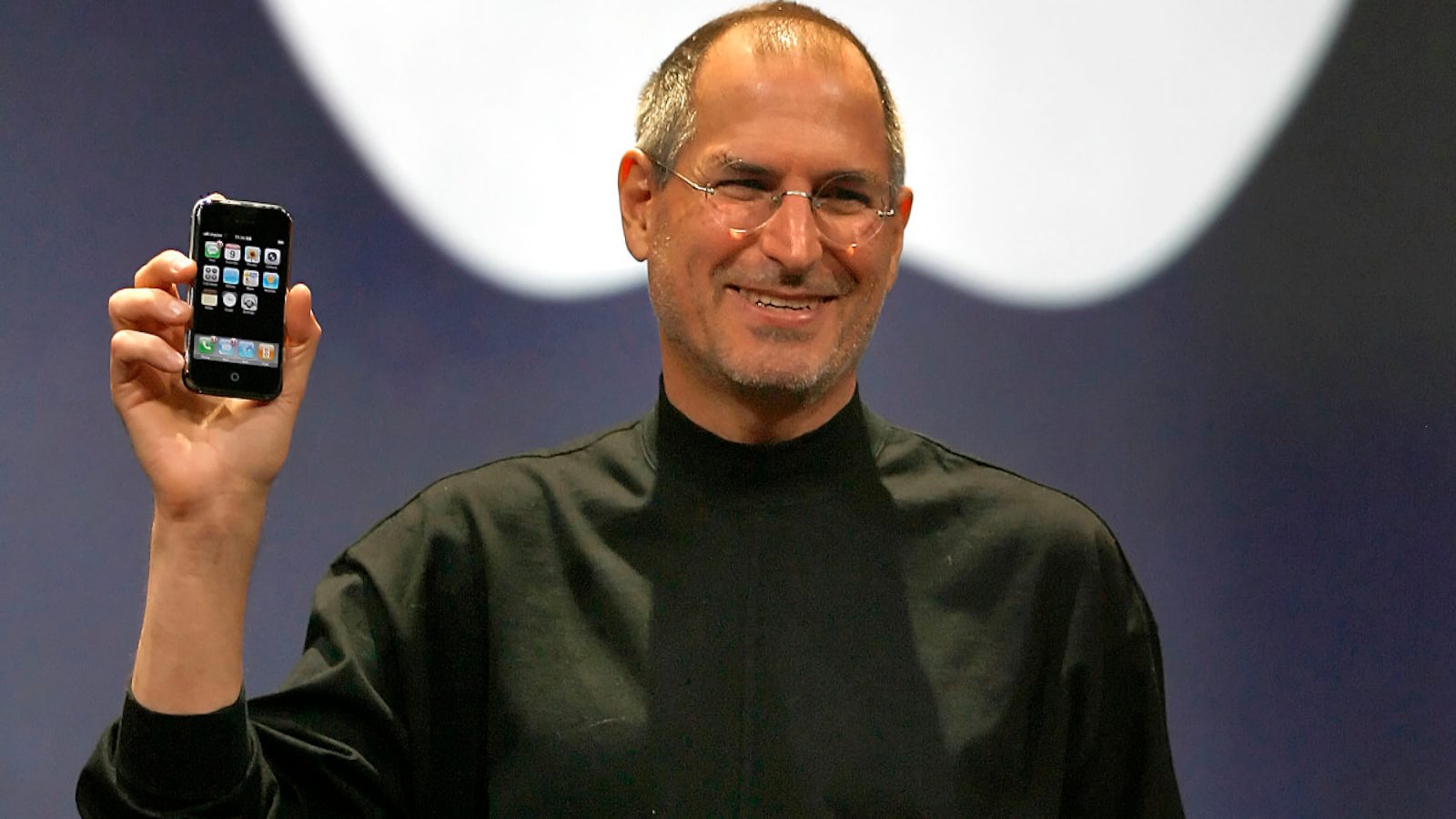
The launch of the iPhone on January 9, 2007, at the Macworld Convention, remains a hallmark of modern technology marketing. By taking the stage and delivering what is now considered one of the most significant product keynotes in history, Jobs successfully positioned the iPhone not just as a new gadget, but as an entirely new category of device.
The "founding" of the iPhone was, in effect, the founding of the modern smartphone era. By shifting the power balance away from wireless carriers and into the hands of the end-user—facilitated by the later introduction of the App Store—Apple under Jobs changed the way society consumes media, interacts with the internet, and communicates.
By 2026, the iPhone has evolved through numerous iterations, from the original device to the latest flagship models. However, the foundational principles Jobs championed—high-quality hardware, privacy-centric design, and a seamless interface—remain the central pillars of the product line. While modern iPhones are significantly more capable, featuring advanced Neural Engines, sophisticated camera arrays, and integrated augmented reality capabilities, they represent the logical continuation of the technical and strategic roadmap Jobs set into motion.
Common Questions Regarding the iPhone's Origins
1. Was Steve Jobs the sole inventor of the iPhone? No. While Steve Jobs was the visionary lead and public face of the project, the iPhone was the product of thousands of engineers, designers, and managers at Apple. Jobs’s primary role was as the architect of the product’s identity, the overseer of its user experience, and the strategic lead who negotiated with partners.
2. Why is Steve Jobs credited as the "founder" of the iPhone? He is credited because he initiated the internal project, personally approved the design, and insisted on the features that differentiated it from competitors. In the corporate culture of Apple, Jobs’s leadership style ensured that no major product was released without his direct approval, making him the definitive creative lead behind the device.
3. Did Steve Jobs invent the multi-touch screen used in the iPhone? No. Apple acquired the technology and the research from a company called FingerWorks, which specialized in gesture-based input. Jobs’s contribution was the vision to implement this technology into a mobile phone interface, which had not been done successfully at scale before the iPhone.
4. How did the original iPhone differ from later models? The original 2007 iPhone lacked an App Store, third-party applications, a front-facing camera, video recording, and high-speed 3G data. It was a closed system. The "founding" vision of the iPhone was refined significantly by the introduction of the App Store in 2008, which allowed the device to become a platform rather than just a standalone phone.
Practical Considerations for Historical Research
When researching the history of the iPhone, it is important to distinguish between marketing narratives and technical reality. Many accounts of the iPhone's history are filtered through the lens of Apple’s official marketing, which focuses heavily on the "Jobsian" narrative of a single leader’s vision. For a more objective understanding, one should look at:
- Internal patent filings: These document the technical contributions of various engineers.
- Deposition records: During the various patent litigations Apple faced in the early 2010s, court documents provided a more granular look at the collaborative nature of the development process.
- Design history chronicles: Books and interviews with key former employees, such as Tony Fadell or Scott Forstall, often provide nuance that is omitted from official company press releases.
Understanding the Product Lifecycle and Evolution
The iPhone’s journey from a high-risk venture in 2007 to the bedrock of Apple’s business model in 2026 demonstrates the importance of iterative development. Jobs’s initial focus on a "walled garden" approach—where the software and hardware are tightly controlled—has remained consistent. Whether considering the transition to custom Silicon (Apple Silicon) or the evolution of the operating system, the company has stayed true to the core design ethos established in the late 2000s.
For those looking to analyze the success of the iPhone, it is recommended to focus on the balance between "foundational vision" and "iterative improvement." The iPhone became a global phenomenon not because it was perfect at launch, but because it provided a stable, user-centric foundation that could be improved upon yearly. This cycle of continuous, measured advancement has been the key to the product's longevity.
Final Perspective on Apple's Leadership and Vision
The association of Steve Jobs with the founding of the iPhone is accurate in the sense that he was the catalyst who demanded the product’s existence, defined its primary user experience, and forced the company to take the necessary risks to realize it. His legacy is not just in the device itself, but in the organizational structure he created at Apple—a structure that prioritizes design, simplicity, and vertical integration. While the iPhone has grown far beyond the scope of any single individual, its DNA remains inextricably linked to the decisions made under Jobs’s tenure. As of 2026, the iPhone stands as a testament to the idea that a single, clear, and uncompromising vision can shift the trajectory of an entire industry.