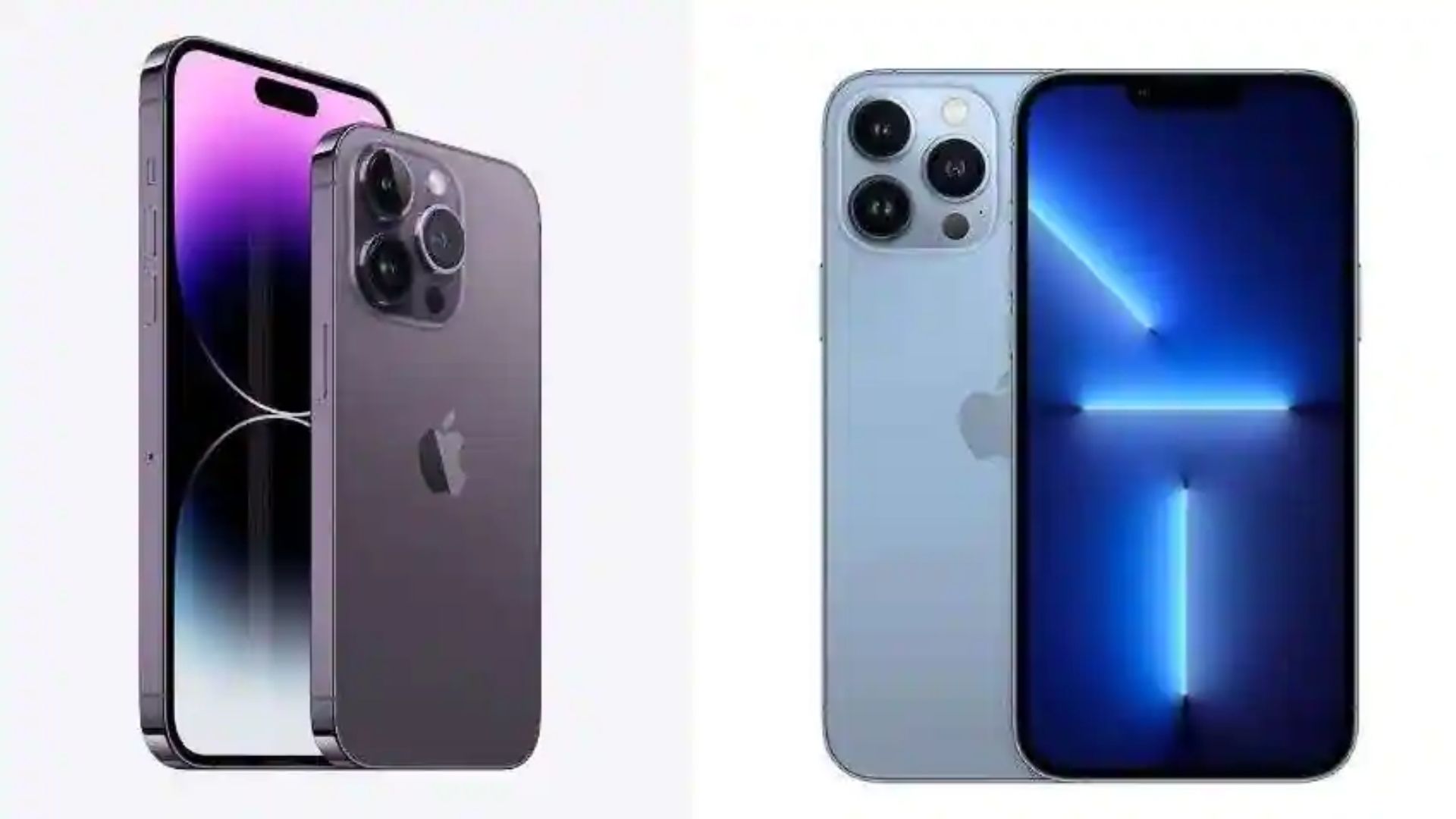
Understanding the lifecycle of an iPhone release is essential for anyone looking to optimize their purchase. Apple follows a highly consistent, predictable pattern for product launches and pricing adjustments, which typically results in a formal price drop for older models the moment a new generation is introduced to the market.
When Apple announces a new flagship lineup, the previous generation’s base models—and often the models from two generations prior—undergo an official price reduction on Apple’s website and in Apple Stores. This shift is not merely a retail promotion; it is a structural adjustment to the company’s product catalog. Beyond this official, company-led reduction, consumers often find deeper discounts through third-party retailers, carriers, and the secondary market, each of which operates on different timelines and pricing incentives. Navigating these avenues requires an understanding of how Apple controls its distribution and how secondary market forces react to new hardware availability.
The Official Apple Pricing Lifecycle
Apple’s pricing strategy is built around the "Product Lifecycle Management" model. When a new iPhone series is unveiled in September—the traditional month for Apple events—the company implements a tiered adjustment.
The most common outcome is a permanent price reduction of approximately $100 across the previous year's models that remain in the lineup. For instance, if a Pro model was $999 at launch, it often moves to $899 or is removed from the official store entirely if it is replaced by a newer "Pro" tier. This official drop provides a stable, manufacturer-backed baseline.
It is important to note that Apple rarely engages in "sales" in the traditional retail sense. Instead, they use a tiered strategy where older hardware acts as the entry-level or mid-range option for budget-conscious consumers. This practice ensures that the Apple brand maintains a perceived premium value while simultaneously lowering the barrier to entry for users who do not require the latest silicon or camera technology.
The Role of Retailers and Carriers
While Apple’s official price is fixed, the broader market offers more aggressive savings. Authorized retailers and telecommunications carriers operate under different constraints. Because these entities have different inventory turnover goals and are often incentivized by Apple to move older stock, they frequently offer discounts that go beyond the official $100 manufacturer reduction.
Carriers, in particular, often tie price drops to long-term service agreements or bill credits. By committing to a 24- or 36-month plan, a consumer might see the effective cost of an older iPhone drop significantly more than the official list price would suggest. These deals are usually structured as monthly rebates, meaning the price "drop" is realized over the life of the contract rather than as an immediate discount at the point of sale.
Timing Your Purchase for Maximum Value
Timing is the most critical variable when seeking an iPhone price drop. The most predictable period for a price shift occurs in the third week of September. However, if you are looking to maximize savings, you must balance the utility of the hardware with the depreciation curve.
Seasonal Depreciation Trends
- Pre-Announcement (July–August): Prices are at their most stable. It is generally advised to avoid buying a new iPhone during these months, as the residual value of the device will drop significantly as soon as the new model is announced.
- Launch Window (September–October): This is the period of the official price adjustment. For many consumers, this is the ideal time to buy, as the previous year's model is at its new, permanent retail price.
- Holiday Season (November–December): Retailers often offer aggressive "gift card with purchase" or "trade-in boost" promotions to clear inventory before the end of the fiscal year.
- Spring (March–April): By this point, the hype surrounding the new September release has faded, and retailers may offer clearance pricing on remaining inventory to make space for accessories or new product categories.
Comparison of Purchasing Channels
| Channel | Typical Discount Type | Best For | Risk Level |
|---|---|---|---|
| Apple Store | Official MSRP reduction | Peace of mind, full warranty | Low |
| Major Carriers | Bill credits/contracts | Users staying with one carrier | Moderate |
| Big Box Retailers | Instant savings/Gift cards | Immediate value | Low |
| Certified Refurbished | Flat discount on hardware | High value seekers | Low |
| Private Market | Market-driven price | Maximum cash savings | High |
Identifying the "Hidden" Value in Older Models
A common mistake consumers make is equating a "price drop" exclusively with the latest model. In reality, the best value is often found by purchasing a model that is two or three years old. Because Apple provides software support (iOS updates) for roughly five to six years, a device that has already seen an initial, significant price drop remains highly functional and secure.
When a phone is two years old, it has already endured its steepest depreciation. By purchasing at this stage, you are effectively paying for the hardware at its "utility" value rather than its "prestige" value. This is particularly relevant for the Pro-level devices, which often retain high-quality camera systems and display technology long after they have stopped being the "latest" model.
Factors Influencing Secondary Market Prices
The secondary market—which includes platforms for used and refurbished electronics—reacts almost instantaneously to Apple's official announcements. As soon as a new iPhone is released, the listing prices for the previous generation drop as early adopters rush to sell their old devices to fund the upgrade.
If you are comfortable purchasing a device that has been gently used, the weeks following an Apple event offer the highest volume of inventory on the secondary market. However, you must verify the device's status, specifically ensuring it is not "Activation Locked" and that the battery health is within an acceptable range (typically above 85% capacity).
Practical Guidance for Verification and Safety
When you decide to act on a price drop, you must verify the legitimacy of the offer. If you are purchasing through a carrier, read the fine print regarding the length of the service agreement. If the price drop is contingent on a three-year plan, ensure you intend to remain with that provider for the duration of the term; otherwise, the "discount" could be negated by early termination fees.
For those purchasing in the secondary market, follow these steps to protect your investment:
- Check the Serial Number: Verify the device’s status on official manufacturer support portals.
- Battery Health: Navigate to Settings > Battery > Battery Health to ensure the hardware is not nearing the end of its chemical lifecycle.
- Proof of Ownership: Ensure the seller has removed their Apple ID from the device. A device still linked to an account is essentially unusable.
Frequently Asked Questions
Does the price of an iPhone drop immediately when a new model is announced? Yes, Apple officially adjusts the pricing of its older models on its website immediately following the keynote event in September. Third-party retailers often follow suit within a few days to remain competitive.
Are trade-in values affected by official price drops? Yes, trade-in values are inversely correlated with the price of new hardware. When the official price of an older model drops, the trade-in value offered by manufacturers and retailers typically decreases to reflect the lower market value of that device.
Is it better to buy a refurbished model or a new, older-generation model? Certified refurbished models provide the best price-to-performance ratio. They are inspected, have new batteries and outer shells, and carry a warranty, making them nearly indistinguishable from new units at a significantly lower price point.
Do all iPhone models experience a price drop at the same time? Generally, only the models Apple chooses to keep in its official store lineup receive a standardized price reduction. Discontinued models, which are removed from the Apple Store, no longer have a "manufacturer price" and instead fluctuate based on remaining retail stock and the secondary market.
Should I wait for Black Friday for a better deal? Black Friday often provides better "value-adds" like gift cards or bundle deals, but the base hardware price is usually identical to the price drop implemented in September. If you need the phone immediately, waiting until November may not yield a lower hardware price.
How long does Apple support older iPhones after a price drop? Apple historically provides iOS updates for approximately 6 years after a device's initial release. Buying a model that has undergone a price drop usually means you are still within the window of several years of active software and security support.
Final Recommendation
To secure the best value, prioritize purchasing a model that is one to two years old during the immediate aftermath of the September product launch. By utilizing authorized refurbished channels or waiting for the specific retail clearance windows in early spring, you can avoid the "new release premium" while still acquiring a device that remains fully supported by current operating systems and hardware standards. Always ensure you are reviewing the total cost of ownership—including potential service contract obligations—before finalizing your purchase.