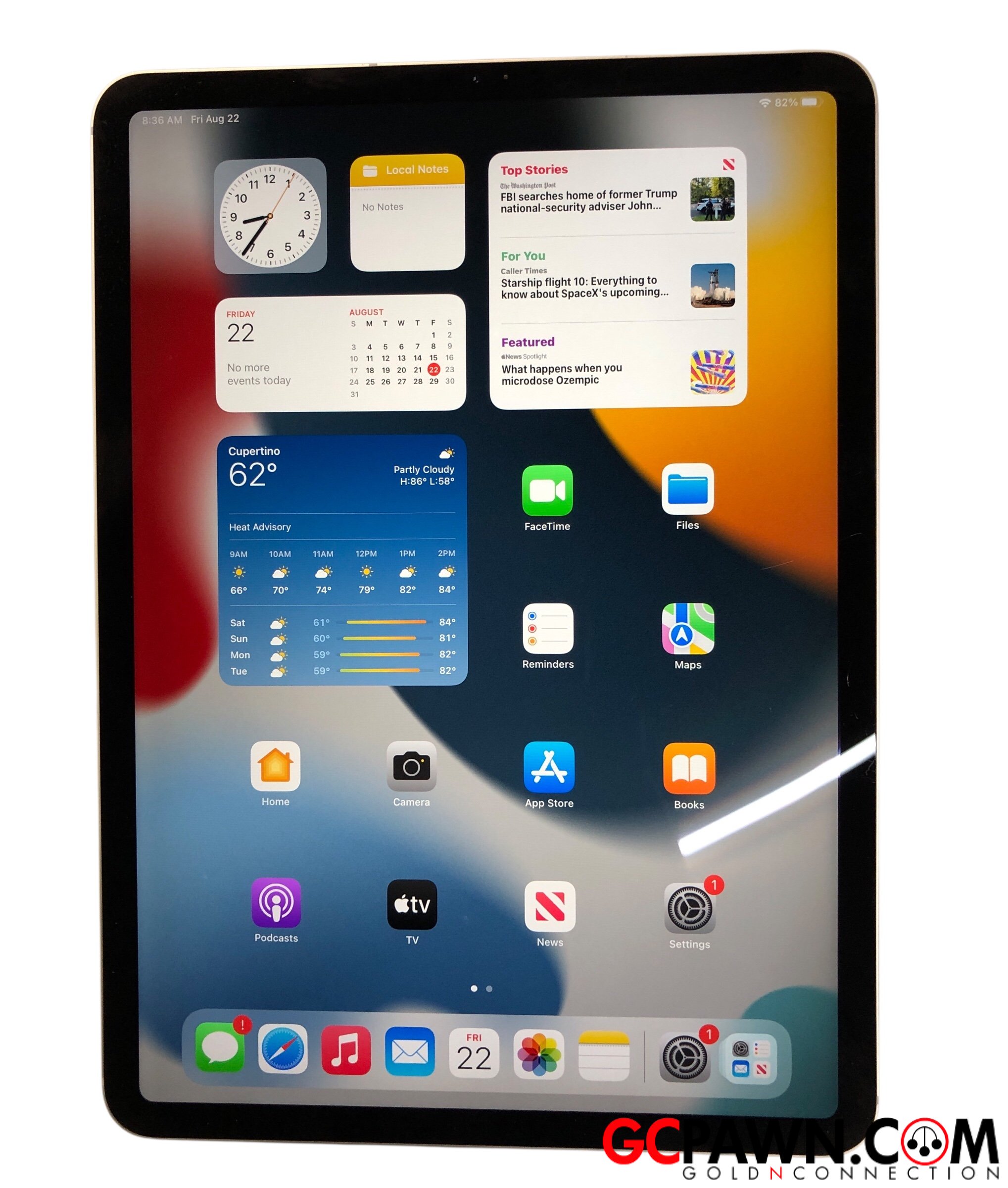
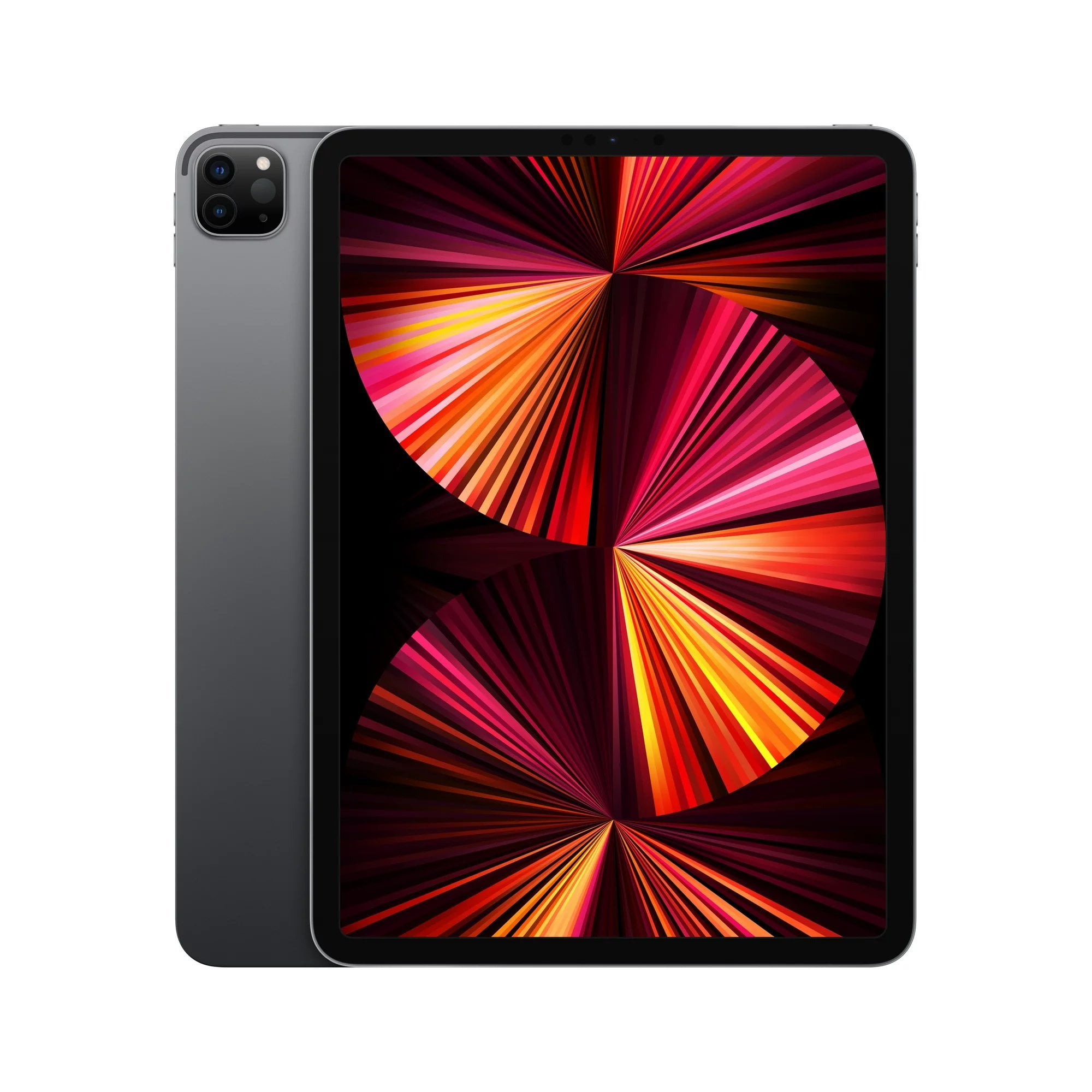
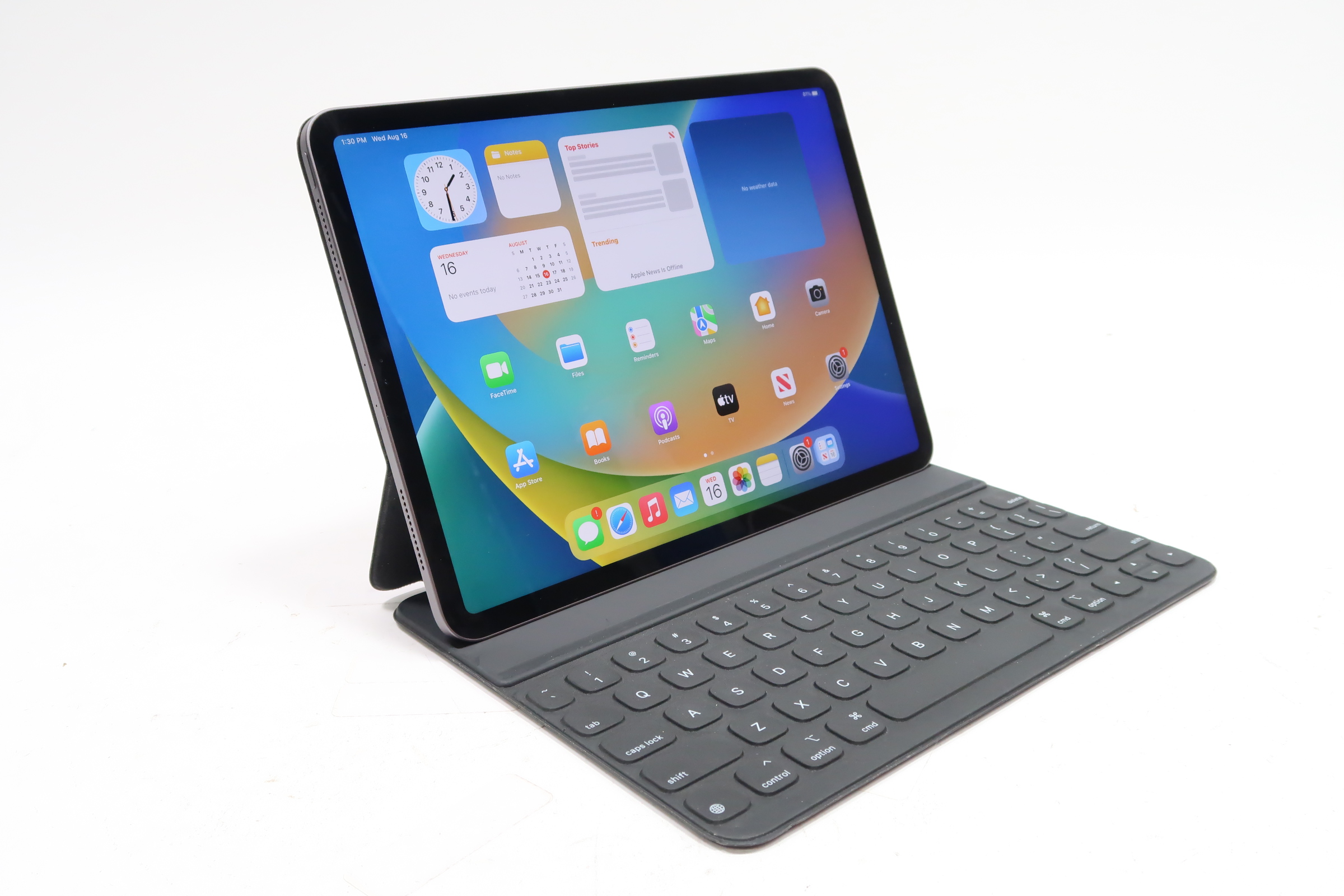
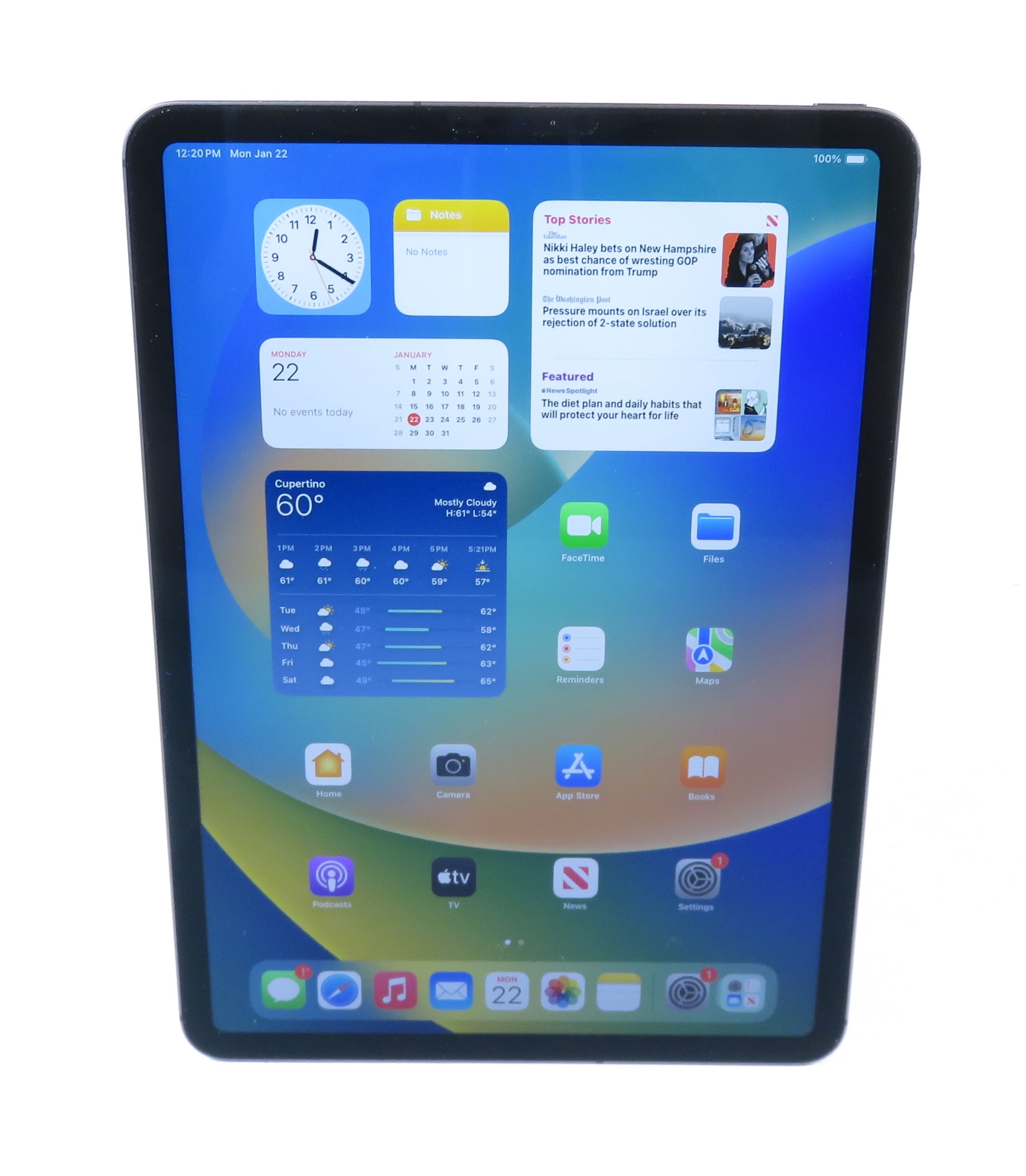
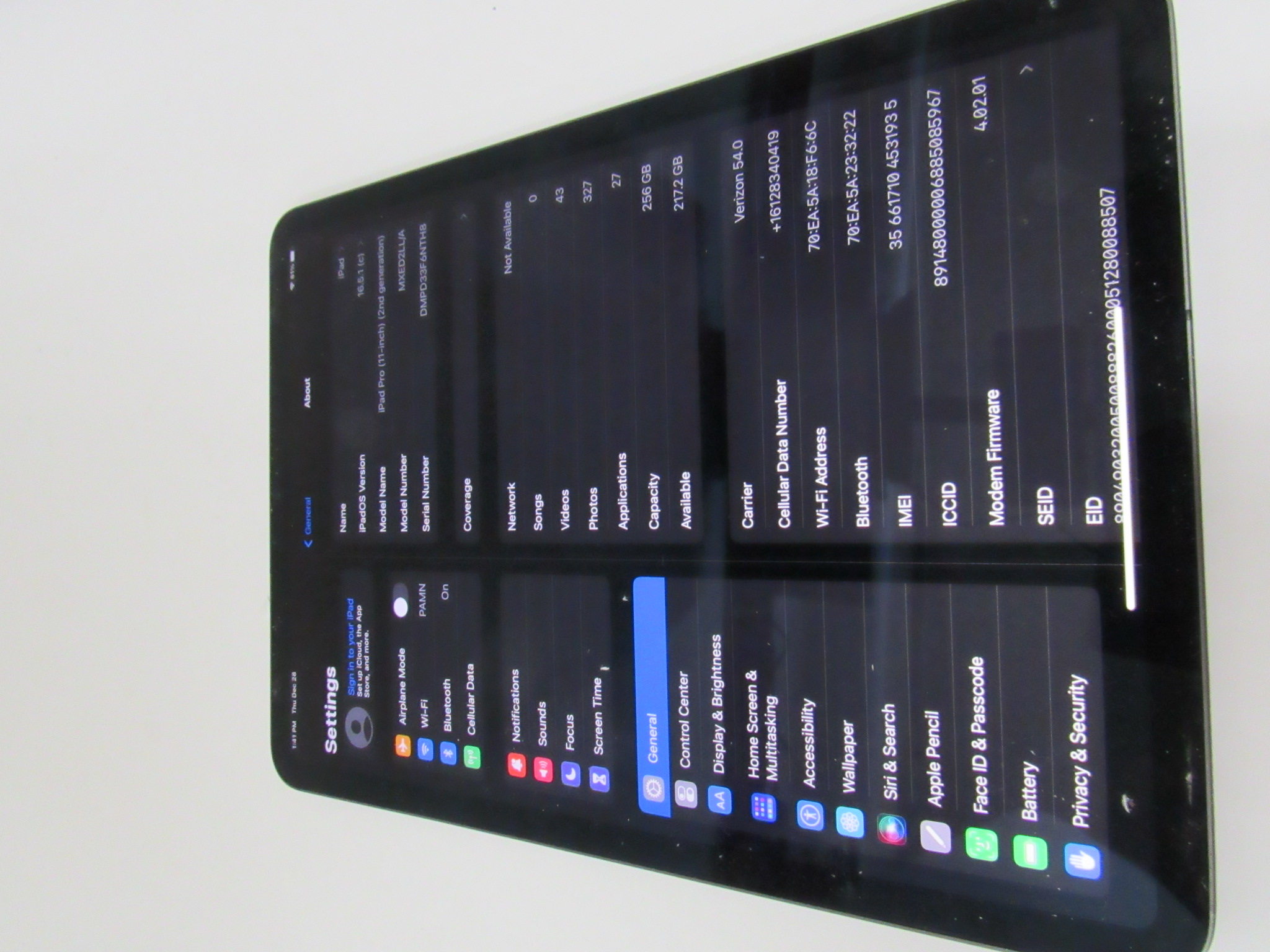
The 10.5-inch and 12.9-inch Apple iPad Pro (2nd generation) were announced on June 5, 2017, at the Apple Worldwide Developers Conference (WWDC) and subsequently released for retail availability on June 13, 2017. These models served as a significant mid-cycle update to the iPad Pro lineup, introducing the ProMotion display technology and the A10X Fusion chip.
The Historical Context of the 2017 iPad Pro Launch
To understand the significance of the 2017 release date, one must look at the trajectory of Apple’s "Pro" tablet initiative. Apple introduced the original 12.9-inch iPad Pro in late 2015, followed by a smaller 9.7-inch model in early 2016. By mid-2017, the market was anticipating a refresh that would unify the performance capabilities of the two size classes.
The announcement at WWDC 2017 was strategic. By launching the 2nd generation iPad Pro in June, Apple positioned the hardware as a high-performance companion to the software advancements unveiled at the same event, particularly the then-upcoming iOS 11. This version of the operating system was specifically designed to bridge the gap between casual tablet use and professional desktop-style workflows, utilizing the new features of the 2nd generation iPad Pro to facilitate better file management, a new Dock, and improved multitasking.
Distinguishing the 2nd Generation Models
The "2nd generation" label covers two distinct physical devices released simultaneously. Confusion often arises because the original 12.9-inch model is sometimes conflated with these later versions.
The 2017 lineup consisted of:
- The 10.5-inch iPad Pro: This model effectively replaced the 9.7-inch version. Its primary innovation was shrinking the side bezels, which allowed Apple to house a significantly larger screen in a chassis only slightly wider than the previous model.
- The 12.9-inch iPad Pro (2nd generation): This updated the internal components of the original 2015 design while keeping the form factor identical to its predecessor.
Both devices arrived at the same time and shared nearly identical internal specifications, ensuring that users were not forced to choose between performance and screen size.
Key Technical Innovations Introduced
The release in June 2017 was not merely a speed bump; it introduced several defining hardware characteristics that remain relevant in the tablet industry today.
ProMotion Display Technology
Perhaps the most notable feature introduced in the 2nd generation iPad Pro was the 120Hz ProMotion display. Prior to this release, standard displays refreshed at 60Hz. By doubling the refresh rate, Apple significantly reduced motion blur and increased the responsiveness of the Apple Pencil. This made the 2017 model the first iPad to feel truly fluid for professional artists and designers.
The A10X Fusion Architecture
At the time of its release, the A10X Fusion chip represented a massive leap in processing power. With a six-core CPU and a twelve-core GPU, the 2nd generation iPad Pro was capable of rendering complex 3D models and editing 4K video—tasks that were previously restricted to high-end laptops. This performance floor was essential for the "Pro" branding, as it provided the overhead necessary for the software updates that would follow over the next several years.
Comparison Table: 1st vs. 2nd Generation iPad Pro
| Feature | 1st Gen (2015/2016) | 2nd Gen (2017) |
|---|---|---|
| Refresh Rate | 60Hz | 120Hz (ProMotion) |
| Processor | A9X | A10X Fusion |
| Display Size Options | 9.7" and 12.9" | 10.5" and 12.9" |
| Peak Brightness | 500 nits | 600 nits |
| USB Connectivity | Lightning Port | Lightning Port |
Availability and Market Lifecycle
Following the June 13, 2017, release, the 2nd generation iPad Pro became the gold standard for Apple’s tablet lineup for over a year. It remained the primary professional tablet offering until the radical redesign of the iPad Pro lineup in November 2018. The 2018 models shifted to the USB-C standard, adopted the "all-screen" design with Face ID, and abandoned the Home button, marking the end of the 2nd generation's tenure as the flagship.
As of 2026, these devices have long been discontinued by Apple. They are no longer sold through official retail channels or the Apple Certified Refurbished store. Users still in possession of a 2nd generation iPad Pro may find that while the hardware remains functional for basic media consumption and light document editing, the device no longer supports the latest versions of iPadOS, which limits its ability to run the most recent productivity applications.
Troubleshooting and Ongoing Use in 2026
For those currently using or purchasing a second-hand 2nd generation iPad Pro today, there are several practical considerations:
- Battery Degradation: Given the device was released in 2017, original batteries are nearing or past their designed life cycles. If you notice rapid battery drain or unexpected shutdowns, replacing the battery is a complex task due to the device's adhesive construction.
- App Compatibility: Because the device does not support the latest iPadOS versions, many modern apps may cease to function or fail to receive updates. Always check if the specific applications you require support older versions of the operating system.
- Connectivity: These models rely on the Lightning connector. If your ecosystem has transitioned entirely to USB-C (as is the case with all current iPhones and iPads), you will need to maintain specific Lightning cables and adapters.
- Security Updates: As Apple has stopped providing security patches for the software versions compatible with this hardware, the device should be used with caution when accessing sensitive financial or personal data.
Frequently Asked Questions
Is the 2nd generation iPad Pro still supported with software updates? No. The 2nd generation iPad Pro stopped receiving major iPadOS updates several years ago. It remains on an older version of the operating system, meaning it lacks the security and feature enhancements found in current iPadOS releases.
Can the 2nd generation iPad Pro use the Apple Pencil 2? No. The 2nd generation iPad Pro only supports the first-generation Apple Pencil. The Apple Pencil 2 uses a magnetic inductive charging system that is physically and electronically incompatible with the 2017 models.
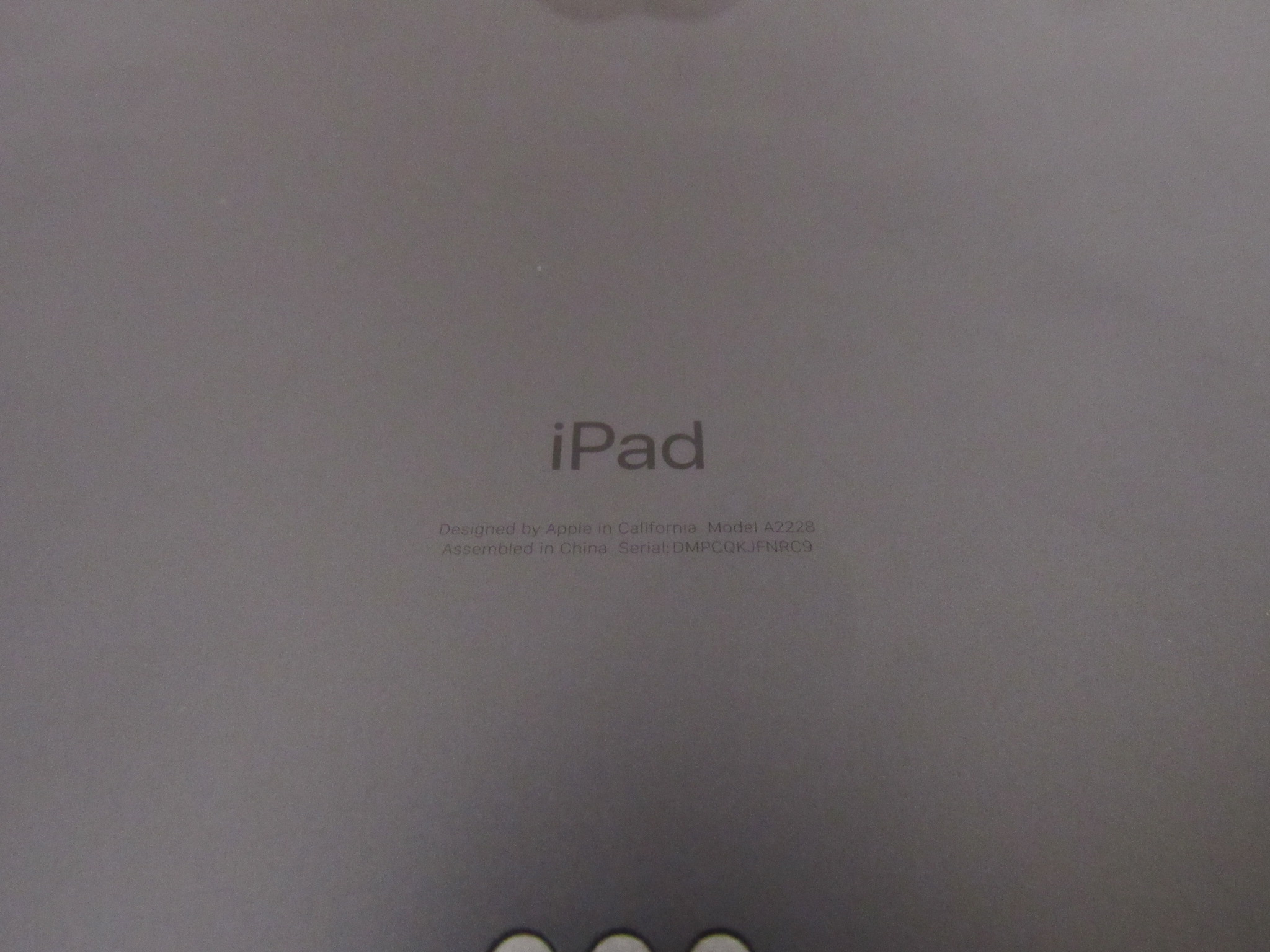
How do I identify if I have a 2nd generation model? You can check the model number on the back of the device. The 10.5-inch iPad Pro corresponds to models A1701 and A1709, while the 12.9-inch (2nd generation) corresponds to models A1670 and A1671.
Is it worth buying a 2nd generation iPad Pro in 2026? Generally, no. Unless it is for very light, offline tasks or specific legacy software, the hardware is outdated. Modern entry-level iPads offer superior performance, better software support, and better power efficiency compared to this legacy flagship.
Does the 2nd generation iPad Pro have a USB-C port? No. It features the Apple Lightning connector for charging and data transfer. The transition to USB-C for the iPad Pro lineup did not occur until the 3rd generation, released in late 2018.
Recommendation
If you currently own a 2nd generation iPad Pro, it serves well as a dedicated e-reader, digital notepad for offline use, or a secondary screen for media consumption. However, if your goal is to perform professional-grade creative work, coding, or modern multitasking, the limitations of its aged processor and unsupported software environment make it unsuitable for daily professional tasks in 2026. For those seeking a replacement, look toward the iPad Air or the latest iterations of the iPad Pro, which offer significantly better longevity and software compatibility.