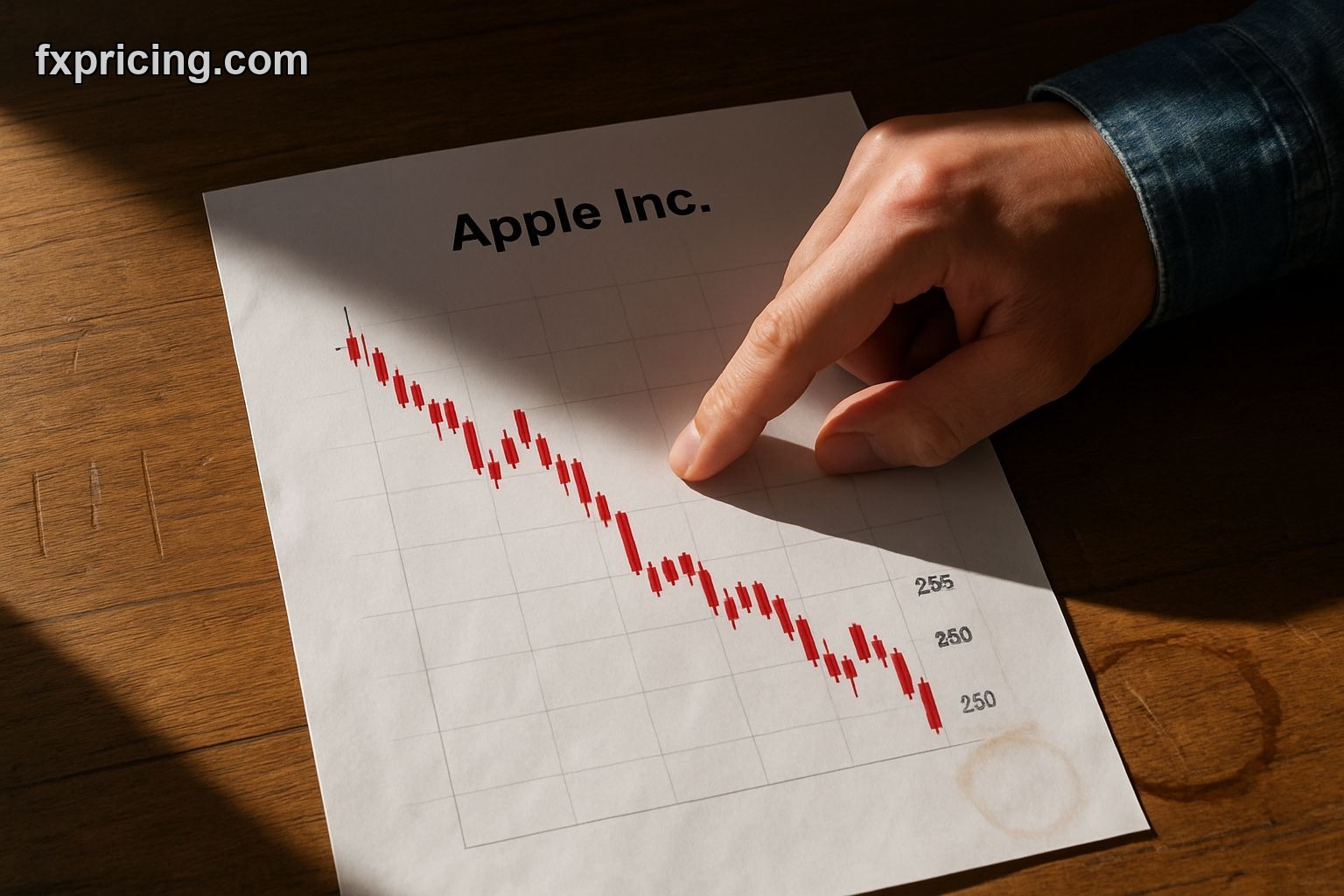
Apple Inc.’s stock price history is a chronicle of technological revolution, near-bankruptcy, and unprecedented market dominance. Since its initial public offering (IPO) in 1980, the company has transformed from a niche computer manufacturer into a foundational pillar of the global economy, navigating multiple stock splits, product cycles, and leadership transitions to become one of the most valuable corporations in human history.
The Foundation: 1980 IPO and Early Volatility
Apple Computer, Inc. held its initial public offering on December 12, 1980, at a price of $22 per share. On the first day of trading, the stock saw massive demand, closing at $29. This event turned hundreds of early employees into millionaires and established Apple as a legitimate player in the burgeoning personal computing space. The early 1980s were characterized by the rapid expansion of the Apple II line, but the company soon faced internal power struggles.
When Steve Jobs left the company in 1985 following a boardroom coup, Apple entered a period of relative stagnation. The stock struggled to maintain momentum through the late 1980s and early 1990s as the company faced stiff competition from the Windows-based PC market. By the mid-1990s, Apple was arguably weeks away from insolvency, with its stock price languishing at split-adjusted lows that made the company a candidate for acquisition.
The Turnaround: 1997 to 2007
The return of Steve Jobs in 1997 marked the most significant inflection point in Apple's financial history. After Apple acquired NeXT, Jobs assumed the role of interim CEO, later dropping the "interim" title to oversee a complete product portfolio overhaul. The launch of the iMac G3 in 1998, followed by the operating system transition to OS X, began to stabilize the company's financials.
However, the real driver for stock price appreciation during this era was the diversification of the product line. The introduction of the iPod in 2001 and the subsequent launch of the iTunes Store in 2003 shifted Apple from a hardware-only company to an integrated hardware and software ecosystem. Investors began to see the potential for recurring revenue, and the stock began a multi-year climb that redefined the company's valuation metrics.
The Mobile Era: 2007 and Beyond
The announcement of the iPhone in January 2007 fundamentally altered the trajectory of Apple stock. Unlike the computer market, which had reached a level of commoditization, the smartphone market was in its infancy. Apple’s ability to command premium pricing while capturing a massive share of the mobile software ecosystem through the App Store allowed for margin expansion that was historically unprecedented for a consumer electronics company.
As Apple launched the iPad in 2010 and the Apple Watch in 2015, the "Apple ecosystem" became a "walled garden." Users who owned multiple Apple devices were statistically unlikely to switch to competitors, creating a sticky customer base that provided predictable cash flows. Throughout the 2010s, Apple’s stock performance became a primary driver for major market indices like the S&P 500 and the Nasdaq-100.
Understanding Stock Splits
A crucial element in understanding Apple’s stock price history is its frequent use of stock splits. Because the nominal price of a share can become intimidating to retail investors if it climbs too high, Apple has periodically split its shares to maintain affordability and liquidity.
A stock split does not change the fundamental value of the company; it simply increases the number of shares outstanding while proportionally reducing the price per share. An investor who purchased one share at the 1980 IPO would own 224 shares today due to the cumulative effect of these splits.
Notable Apple Stock Split History
| Date | Split Ratio | Impact on Share Count |
|---|---|---|
| June 16, 1987 | 2:1 | Doubles shares |
| June 21, 2000 | 2:1 | Doubles shares |
| February 28, 2005 | 2:1 | Doubles shares |
| June 9, 2014 | 7:1 | Multiplies by 7 |
| August 31, 2020 | 4:1 | Multiplies by 4 |
Financial Philosophy: Dividends and Buybacks
Beginning in 2012, under the leadership of Tim Cook, Apple shifted its capital allocation strategy. Having accumulated a massive cash reserve, the company initiated a dividend program and began an aggressive share repurchase strategy.
Share buybacks are significant because they reduce the total number of shares outstanding, effectively increasing the "earnings per share" (EPS) for existing shareholders. This strategy has been a cornerstone of Apple’s ability to drive stock price growth even during quarters where revenue growth remained flat. By consistently retiring shares, Apple created a structural demand for its stock that helped support the price against broader macroeconomic volatility.
Market Valuation and Economic Significance
As of 2026, Apple operates as a mature, diversified technology giant. Its valuation is no longer based solely on the launch of a singular "hit" product but on the stability of its Services division, which includes the App Store, Apple Music, iCloud, and financial services. This transition toward services provides a recurring revenue stream that is less susceptible to the cyclical nature of hardware sales, such as the biennial upgrade cycle of the iPhone.
Investors now analyze Apple through the lens of:
- Installed Base: The total number of active devices currently in use globally.
- Services Growth: The margin contribution of software and subscription offerings.
- Capital Allocation: The efficacy of cash deployment into dividends and research and development.
Common Misconceptions About Historical Pricing
New investors often attempt to "time the market" based on past growth, assuming that past percentage gains guarantee future performance. It is essential to distinguish between the company's historical growth phase (characterized by high-risk innovation) and its current phase (characterized by massive cash flow generation and capital return).
Another common error is failing to adjust historical price charts for splits. Unadjusted charts will show a price of $22 in 1980 and erroneously suggest that the stock has moved from $22 to several hundred dollars today. Always ensure that your financial data provider is using "split-adjusted" pricing when reviewing long-term charts to ensure accuracy.
Frequently Asked Questions
Why does Apple split its stock? Apple splits its stock to keep the price per share accessible to retail investors and to increase the liquidity of the shares. While it does not change the market capitalization of the company, it makes the psychological hurdle of buying a share lower for individual participants.
What is the impact of stock buybacks on Apple’s price? Buybacks reduce the total number of shares in circulation. When the company uses its cash to purchase and retire its own stock, the remaining shares represent a larger percentage of the company’s ownership, which typically leads to an increase in Earnings Per Share (EPS).
How does the iPhone cycle affect Apple’s stock? Since a significant portion of Apple’s revenue remains tied to the iPhone, the company’s stock often experiences seasonal volatility. Investors closely watch quarterly reports in the fall and winter, which capture the initial sales surge following the annual September product event.
Is Apple still considered a growth stock in 2026? By 2026, Apple is largely categorized as a "mature growth" or "value-growth" hybrid. While it does not exhibit the triple-digit percentage growth rates of its early iPhone years, its ability to expand margins through services and maintain a dominant market position keeps it as a core holding in most growth-oriented portfolios.
How do I verify the exact price of Apple stock on a past date? You can access historical price data through the SEC’s EDGAR database for financial filings or via major financial data providers that offer split-adjusted historical closing prices. Always ensure the "adjusted close" is selected to account for dividends and stock splits.
Next Actions for Investors
For those interested in the long-term history of Apple, the best approach is to examine the company’s 10-K filings from the last two decades. These documents, available on the SEC website, provide the primary evidence for how Apple transitioned from a hardware-reliant company to a diversified tech giant. Before making any investment decisions, consult with a qualified financial advisor to understand how Apple’s current valuation fits within your personal risk tolerance and long-term financial goals.
Disclaimer: This article is for informational purposes only and does not constitute financial advice, investment recommendations, or an endorsement of specific securities. Market investments carry inherent risks; consult a professional advisor regarding your financial situation.