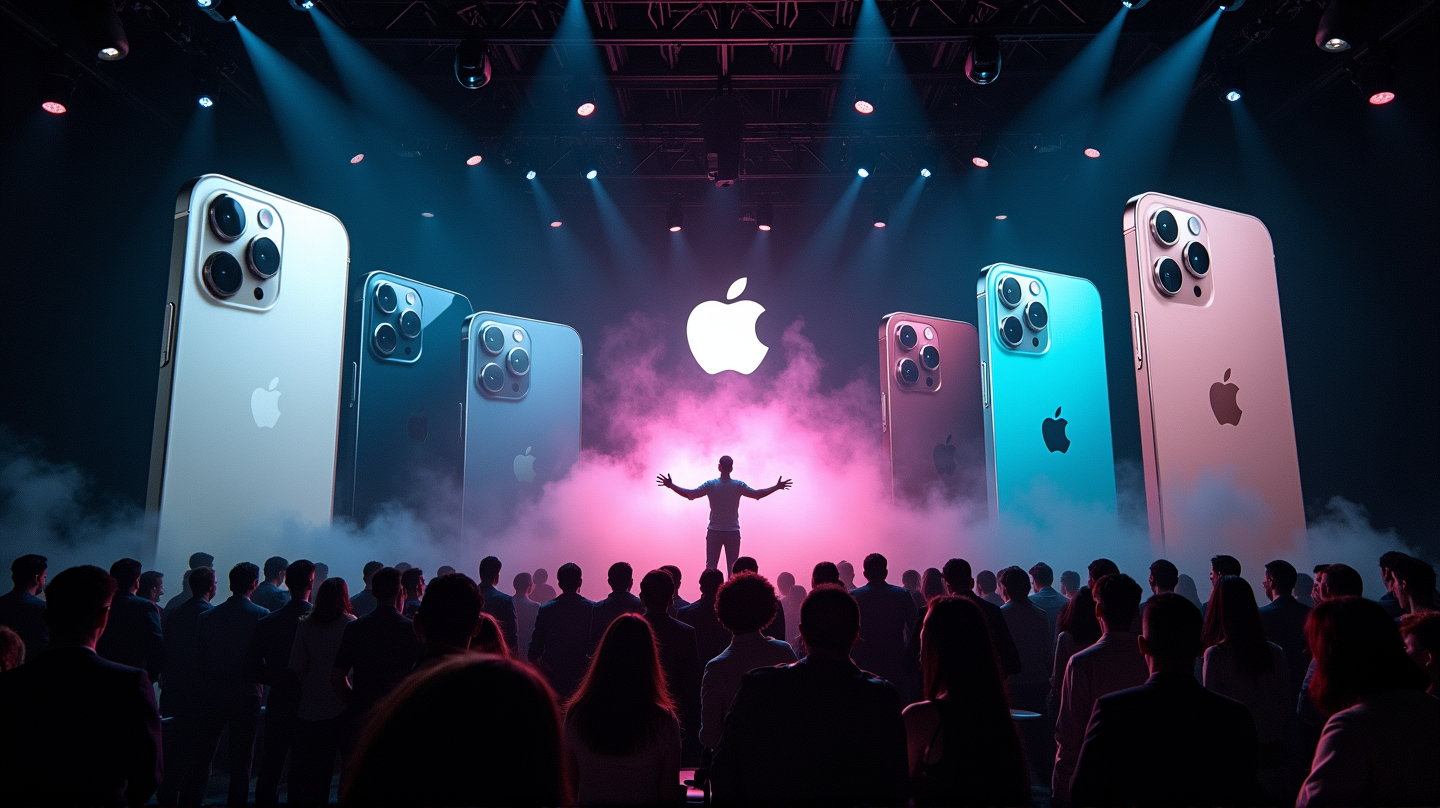
Apple’s sustained influence on consumer technology stems from its strategy of vertical integration, which couples proprietary hardware with tightly optimized software to create new categories of user interaction. By prioritizing long-term platform stability and ecosystem interoperability, Apple forces competitors to iterate rapidly on feature parity, privacy standards, and design, effectively setting the pace for the global technology market.
The Mechanism of Ecosystem-Led Innovation
Apple’s approach to innovation is rarely defined by being the first to introduce a specific technical specification. Instead, the company focuses on the seamless integration of existing technologies into a cohesive user experience. This "ecosystem-led" strategy ensures that when a new device is introduced, it is not an isolated tool but a functional extension of the user’s existing digital life.
For example, the evolution of the Apple Silicon initiative—the transition from Intel processors to custom-designed M-series chips—demonstrated how controlling the entire hardware stack allows for performance gains that exceed standard industry benchmarks. By optimizing the instruction set for specific tasks like machine learning and video encoding, Apple pushed other consumer tech manufacturers to abandon generic, off-the-shelf components in favor of specialized, high-efficiency silicon designed for specific form factors.
Vertical Integration as a Market Catalyst
Vertical integration serves as the bedrock of Apple’s innovation cycle. By designing its own operating systems (iOS, macOS, visionOS), hardware, and even custom silicon, Apple eliminates the friction often found in third-party software-hardware partnerships. This control allows for features like "Continuity," which enables users to move tasks fluidly between an iPhone, iPad, and Mac.
The market response to this integration has been a significant shift in consumer expectations. Users now prioritize interoperability, leading to a rise in "ecosystem lock-in" among competitors who are now scrambling to build similar frameworks. This pressure has forced other major tech players to unify their disparate product lines, moving away from fragmented software experiences toward more streamlined, interconnected device portfolios.
Defining New Product Categories through Iteration
Apple rarely creates a market from scratch; rather, it refines an existing, fragmented, or immature concept into a refined consumer product. This is evident in the transition from early tablets to the iPad, or from basic wearable trackers to the Apple Watch.
When Apple enters a new space, the company focuses on three pillars:
- User Interface Accessibility: Simplifying complex inputs into natural gestures or commands.
- Material Science: Utilizing high-quality aluminum, glass, and titanium to set a premium build standard.
- Software Utility: Ensuring the product is immediately useful upon unboxing through deep integration with established apps and services.
This "refinement-first" approach compels competitors to reconsider their own design languages and interface standards, often leading to a broader industry adoption of the refined features Apple introduced, such as biometric security protocols or specific high-density display technologies.
The Role of Software-Defined Hardware
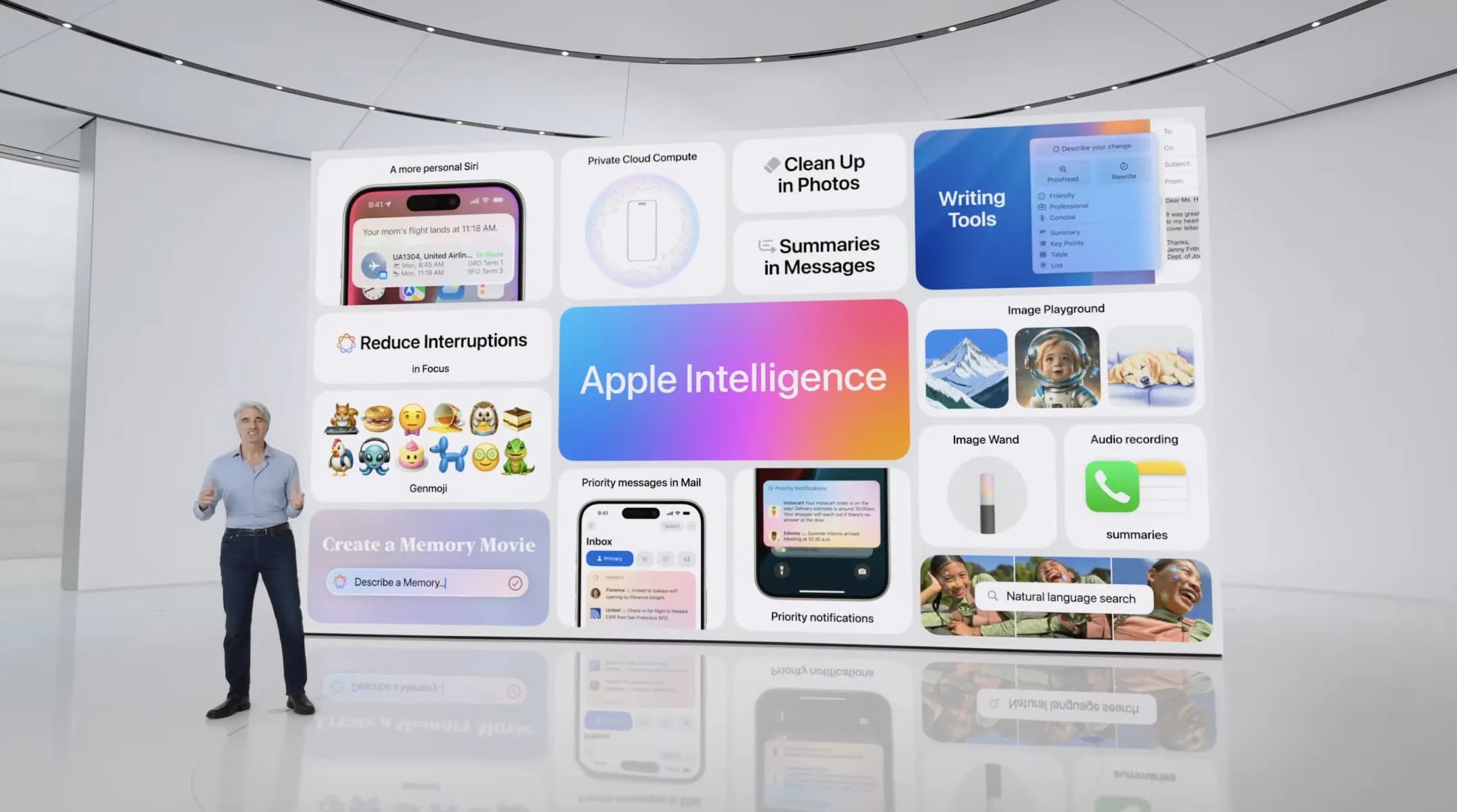
In 2026, the definition of hardware is increasingly blurred by the software that runs it. Apple’s innovation is no longer limited to the physical chassis of a phone or laptop; it is defined by how software updates fundamentally change the utility of those devices. Features like advanced on-device neural processing allow for real-time translation, sophisticated image manipulation, and privacy-focused data analysis that were previously impossible on mobile hardware.
This shift has created a new competitive frontier. Consumer tech companies are no longer just fighting over screen brightness or battery capacity; they are competing for dominance in the "software layer"—the intelligence that powers the device. Apple’s investment in private, on-device artificial intelligence signifies a major shift where the value of consumer technology is derived from how well a device protects user data while performing high-compute tasks.
Comparison of Tech Industry Innovation Drivers
The following table outlines how Apple’s methodology compares to general market trends in the consumer technology sector as of 2026.
| Focus Area | Apple's Approach | General Industry Trend |
|---|---|---|
| Silicon Design | In-house, custom-optimized chips | Reliance on third-party foundries |
| Software/HW Integration | High (Vertical/Proprietary) | Moderate (Open/Layered) |
| Privacy Standards | Data processing on-device | Data processing in the cloud |
| Market Entry Strategy | Market refinement and ecosystem fit | First-mover advantage |
| User Interface | Gesture and intent-based | Menu and command-based |
Addressing Privacy as a Core Feature
One of the most significant ways Apple drives change in consumer tech is through the monetization of privacy. While many consumer tech business models rely on harvesting user data to drive advertising revenue, Apple has positioned privacy as a premium feature. This has forced the wider industry to address security vulnerabilities and data collection practices more transparently.
When Apple introduces features like "App Tracking Transparency" or enhanced hardware-level encryption, it alters the digital advertising and software development landscape. Developers are forced to adapt their business models to comply with these privacy-first standards to remain viable on the Apple platform. This "top-down" standard-setting effectively dictates the minimum bar for privacy across the global consumer tech market.
Challenges and Future Trajectory
Despite this influence, Apple faces ongoing challenges. The sheer scale of its ecosystem means that any change—even a positive one—can be met with resistance from regulatory bodies concerned about antitrust issues or developer lock-in. Furthermore, as the consumer tech market reaches maturity, the pace of "revolutionary" hardware changes is slowing, forcing Apple to lean more heavily on software-led utility.
The next phase of innovation appears to be moving toward spatial computing and ambient intelligence. By integrating hardware sensors, spatial audio, and advanced eye-tracking, Apple is attempting to move technology away from the "screen-bound" experience. This transition requires significant investment in R&D, and if successful, it will likely mandate a similar pivot across the entire industry, just as the smartphone did two decades ago.
Frequently Asked Questions
How does Apple’s innovation influence smaller tech companies? Apple’s entry into a market often validates a technology, providing smaller companies with a roadmap for product standards and user interface expectations. When Apple sets a standard for a feature like a specific charging port or biometric sensor, suppliers scale production, which often lowers costs for the rest of the industry.
Does Apple's proprietary approach limit competition? Critics argue that it creates a "walled garden" that makes it difficult for third-party products to compete on equal footing. However, supporters suggest that this control ensures the high level of security, reliability, and performance that consumers expect, which in turn forces competitors to innovate in ways that are equally secure or user-friendly.
Is Apple still considered an industry leader in 2026? Yes. While competitors often lead in specific niche specs, Apple remains the benchmark for product lifecycle management, software updates, and ecosystem cohesion, which are the metrics that define the modern consumer’s daily relationship with technology.
How does on-device AI differ from cloud-based AI in consumer tech? On-device AI, which Apple prioritizes, performs computations locally on the device’s hardware. This ensures data privacy and lowers latency, as the device does not need to send sensitive information to a server. Many other companies rely on cloud-based AI, which offers more raw power but requires constant internet access and presents higher privacy risks.
What is the impact of Apple’s silicon strategy on PC manufacturers? Apple’s transition to the M-series chips set a new performance-per-watt standard. This pressured PC manufacturers and chipmakers like Qualcomm and Intel to refocus their efforts on creating energy-efficient processors that don't sacrifice power, significantly improving the battery life and portability of modern Windows-based laptops.
Moving Forward with Consumer Tech
When evaluating your own technology investments in 2026, prioritize systems that offer long-term software support and ecosystem compatibility. As Apple continues to drive the industry toward privacy-centric, integrated hardware-software experiences, your choice of platform should be based not just on the hardware’s physical specs, but on the manufacturer’s commitment to ongoing platform maintenance. If you are looking to adopt new tech, analyze how well a device fits into your existing workflow rather than selecting it for isolated, flashy features. The most durable innovation remains the one that integrates seamlessly into your daily life.