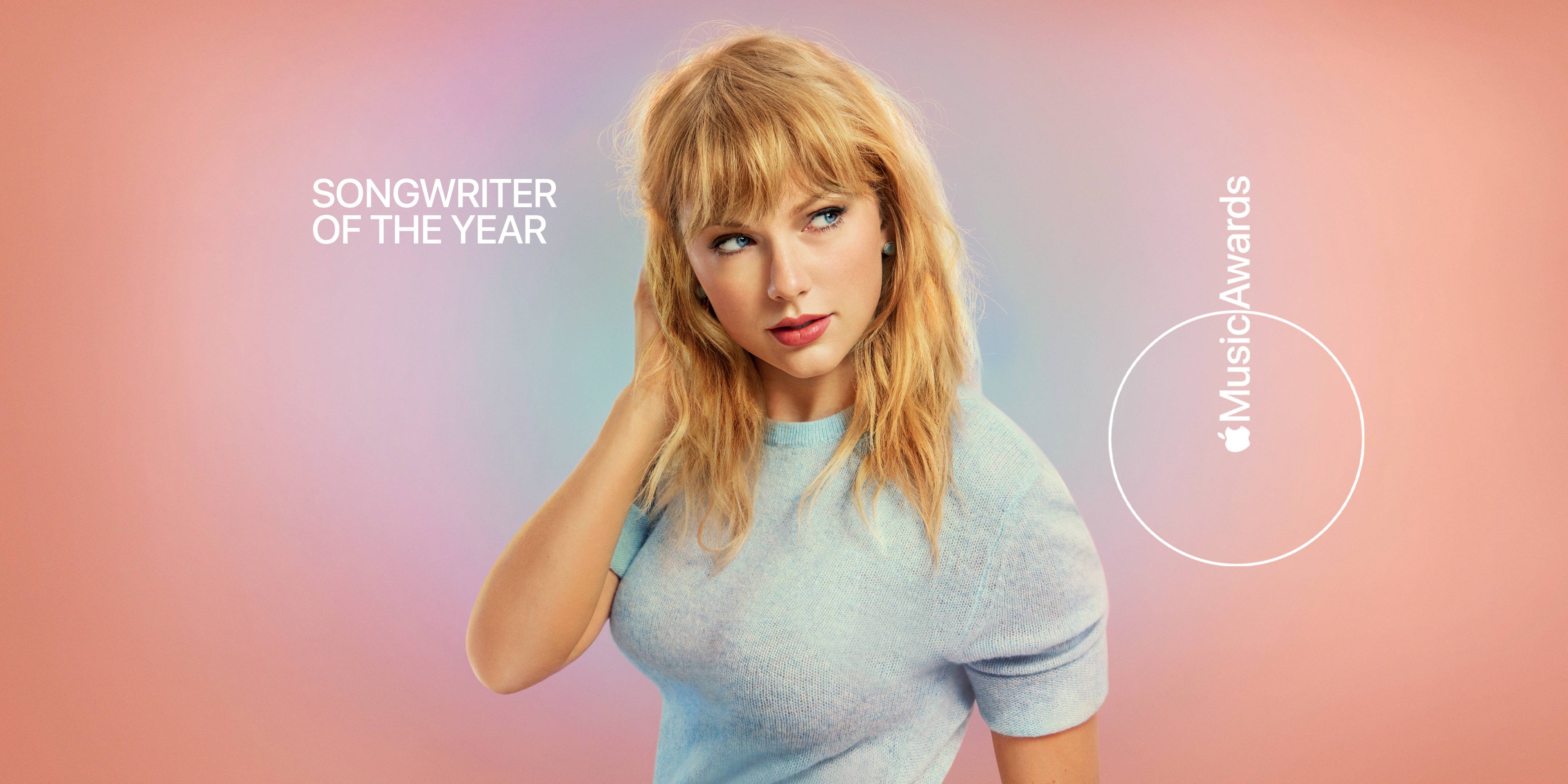
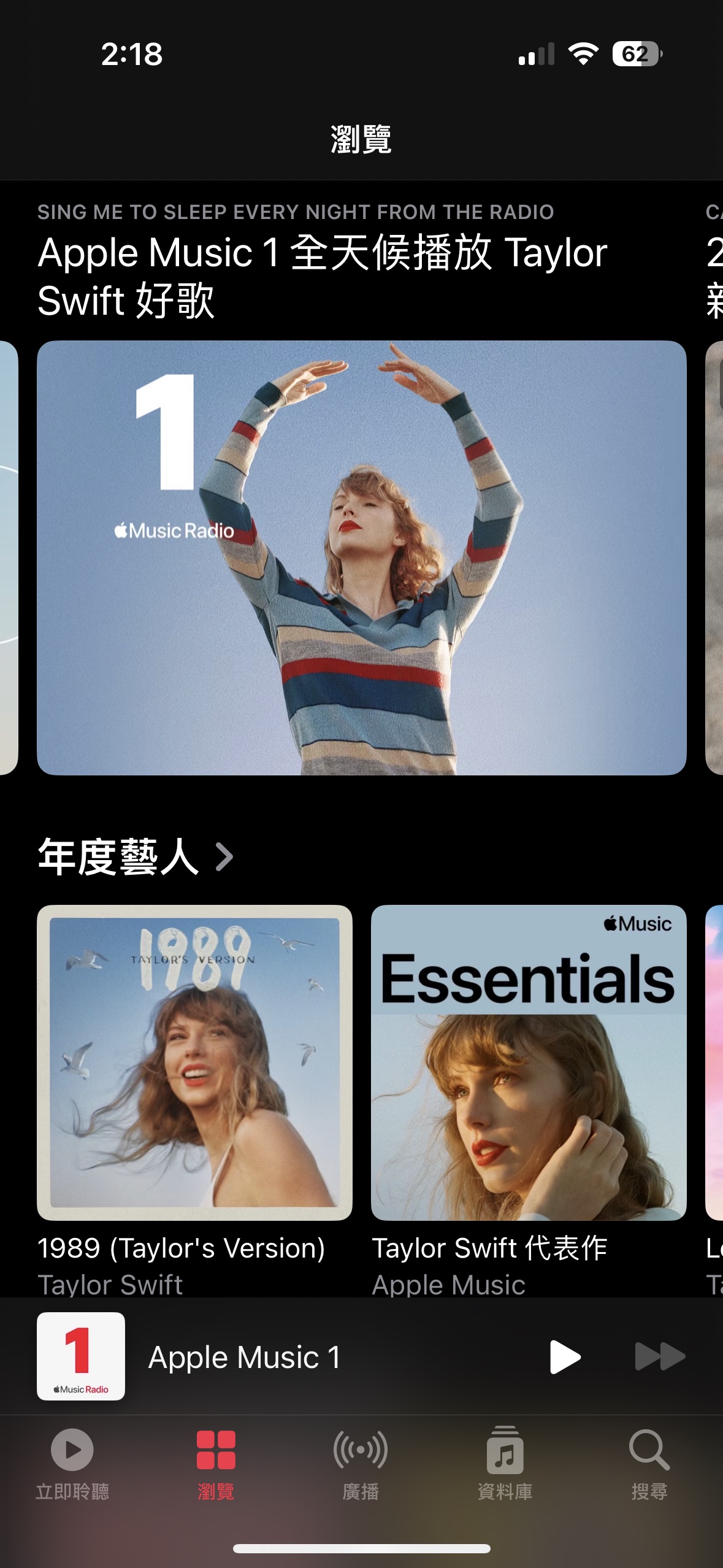
The Apple Music ad campaign featuring Taylor Swift, which debuted in 2016, serves as a landmark moment in digital music marketing. By blending high-energy physical comedy with the platform’s expansive library, the campaign effectively humanized the Apple Music service while cementing a strategic partnership between one of the world's biggest pop stars and a tech giant.
The Context of the 2016 Campaign
In 2016, the digital music landscape was fiercely competitive. While Apple Music had launched the previous year, it was aggressively working to differentiate itself from Spotify and other streaming services. The decision to partner with Taylor Swift was not merely about celebrity endorsement; it was a clever pivot following a highly publicized friction point between the artist and the company.
One year prior to the campaign, Swift famously penned an open letter to Apple regarding its initial plan to not pay artists during the Apple Music free trial period. Apple quickly reversed its policy, agreeing to compensate musicians. This sequence of events transformed a potential public relations crisis into a narrative of collaboration and mutual respect. The resulting advertisements were proof that the two entities had moved past their disagreements to find common ground in their shared mission to support the music industry.
Anatomy of the "Treadmill" Commercial
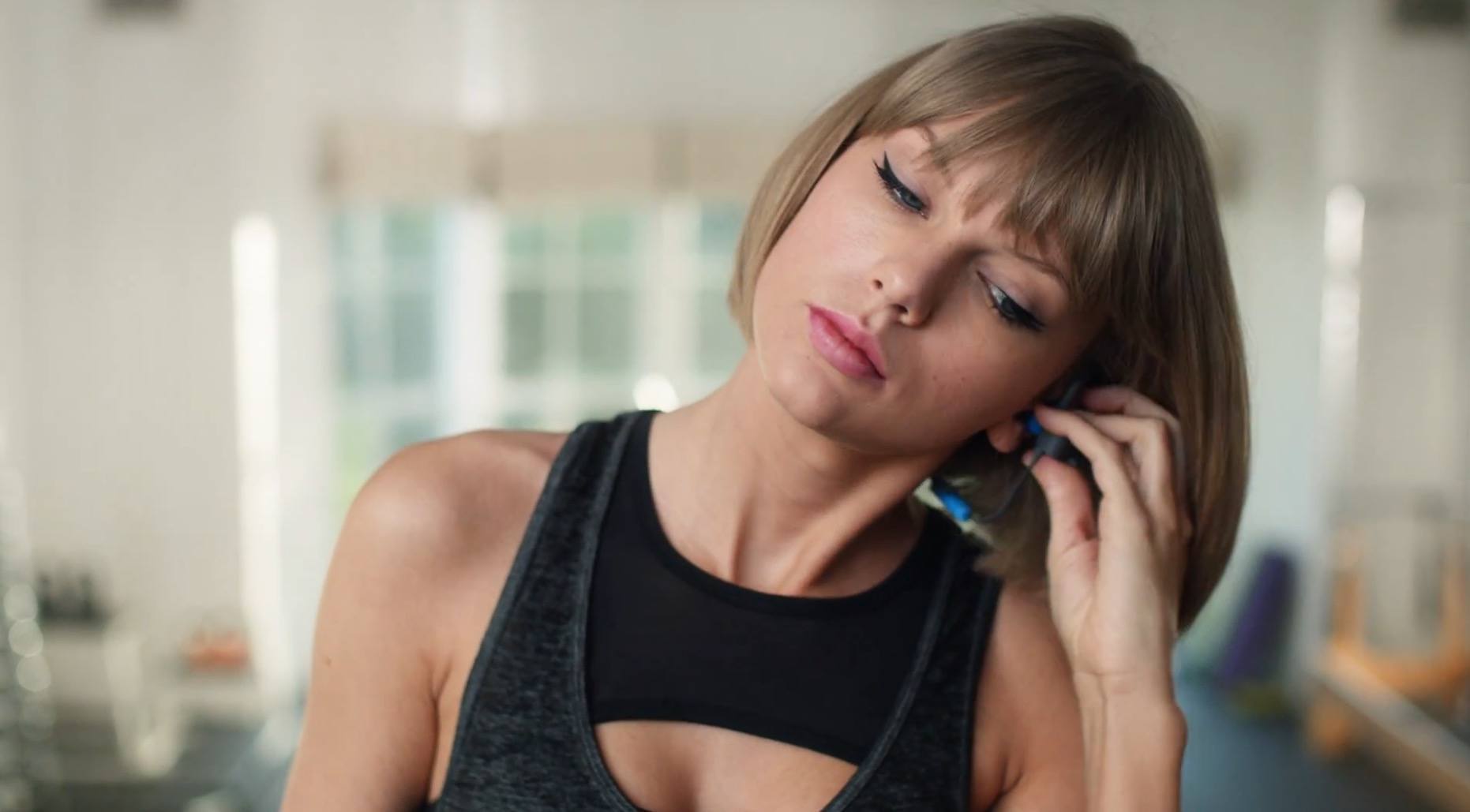
The most famous iteration of the campaign features Taylor Swift at a gym, preparing for a jog. As she peruses her Apple Music library, she selects a playlist specifically curated for running. She chooses the song "Jumpman" by Drake and Future. As the beat drops, she begins to rap along with intense focus, eventually losing her footing and falling face-first off the treadmill.
The brilliance of this ad lay in its relatability. It moved away from the sleek, overly polished aesthetic often associated with Apple’s hardware marketing. Instead, it embraced the "real life" utility of the Apple Music app. By showing a global icon in a vulnerable, comedic, and unscripted-feeling moment, the ad made the service feel accessible to everyday users. It demonstrated how music integrates into personal routines—whether at the gym, in the car, or at home—without the need for high-end cinematic posturing.
Technical Integration of the Apple Music Library
From a technical standpoint, the ad highlighted several features that Apple Music wanted to emphasize to users:
- Curated Playlists: The ad prominently showcased the "Fitness" section, proving that the service offered more than just individual tracks; it provided expert-curated experiences tailored to specific human activities.
- Seamless Sync: It emphasized the ease of browsing a massive catalog on a mobile device while mid-activity.
- Genre Diversity: By choosing a hip-hop track like "Jumpman," the ad also signaled that Apple Music was a home for all genres, moving beyond Swift’s own country and pop roots to position the platform as a comprehensive cultural hub.
The Strategy Behind Celebrity-Led Marketing
Apple has historically been selective with celebrity partnerships, often focusing on the product rather than the person. However, the collaboration with Taylor Swift shifted this paradigm. This campaign utilized "social proof"—the psychological phenomenon where people assume the actions of others in an attempt to reflect correct behavior. By showing a fan-favorite artist using the product in her daily life, Apple provided a strong incentive for the millions of people who followed her career to adopt the same platform.
Furthermore, the ad campaign was designed for the age of social media sharing. The humor and relatability of the "Treadmill" clip made it highly "memetic," meaning it was easily shared across platforms like Twitter, Instagram, and Facebook. This organic reach provided Apple with significant value beyond paid airtime.
Comparing Marketing Approaches in 2026
Looking back from the vantage point of 2026, the strategy remains a blueprint for how tech companies utilize talent to drive subscription growth. The music streaming market has since matured, and the focus has shifted toward high-fidelity audio, spatial audio integration, and deeper ecosystem connectivity.
The table below illustrates how the 2016 campaign compares to the modern standard of music marketing:
| Feature | 2016 Campaign Approach | 2026 Industry Standard |
|---|---|---|
| Primary Goal | User acquisition & brand warmth | Retention & ecosystem lock-in |
| Talent Role | Relatable product user | Brand partner & exclusive content creator |
| Content Focus | Comedic storytelling | Immersive technology (Spatial/Lossless) |
| Platform | Traditional TV & Early Social | Short-form algorithmic video & Live events |
| Direct Call to Action | Sign up for trial | Link to exclusive artist experiences |
Impact on Artist Relations
The partnership between Taylor Swift and Apple Music evolved significantly after this campaign. It set a precedent for Apple's "exclusive" content strategy, which included documentary releases and behind-the-scenes looks that were only available to subscribers. This created a recurring value proposition: if you want more than just the music, you need to be part of the platform.
This relationship also had a lasting impact on how artists negotiate with streaming services. The 2015 letter from Swift and the subsequent 2016 advertisements showed that creators held substantial power. Since then, the conversation has continued to evolve toward transparency in royalty payments and data-driven insights into listener demographics.
Why the Ad Remains Relevant Today
Even a decade after its release, the "Treadmill" ad is frequently cited in media studies and marketing courses. It is a textbook example of "brand humanization." In 2026, where artificial intelligence and automated interfaces often dominate the user experience, the memory of this human-centric advertisement serves as a reminder that the most effective marketing bridges the gap between technology and the lived experience of the customer.
Furthermore, the ad reminds users of the transition period when the music industry moved almost entirely to a subscription-based streaming model. It captured a moment in cultural history when the act of "choosing your own soundtrack" became a daily, curated ritual enabled by the smartphone.
Common Questions Regarding the Campaign
Did Taylor Swift actually get hurt during the filming of the treadmill ad? No, the fall was carefully choreographed and performed by a professional stunt double to ensure safety while capturing the comedic timing of the moment. The advertisement used a combination of clever camera angles and professional production to achieve the effect.
How did this ad affect Apple Music’s growth? While direct causality is difficult to isolate in complex market trends, the campaign coincided with a period of massive growth for the service. It helped overcome early skepticism from the tech community and attracted a demographic that was deeply loyal to pop culture influencers.
Is this advertisement still available to watch officially? Yes, the advertisement has been preserved in various archives and official Apple social media channels. It is widely considered one of the company's most successful and recognizable marketing assets from that era.
What was the specific song featured in the ad? The song used in the "Treadmill" advertisement was "Jumpman" by Drake and Future. The choice was deliberate, as it contrasted with Swift’s typical musical style, thereby broadening the perceived appeal of the Apple Music library to include diverse genres.
Did other artists participate in similar Apple Music ads? Yes, following the success of the Taylor Swift campaign, Apple launched a series of "ad-libs" featuring other high-profile artists, including Mary J. Blige and others, who also showcased their specific music tastes to highlight the depth of the platform's library.
Final Next Steps
For those interested in studying the history of digital music marketing, the best next step is to revisit the original video on reputable archive sites. Analyzing the pacing, the use of music, and the specific call-to-action at the end of the clip provides a clear window into the marketing strategies that defined the mid-2010s. If you are a fan of music history, look for the director's commentary or industry interviews from that period, which often provide additional context regarding the creative decisions made by the production team.